
How AI improves solar tech
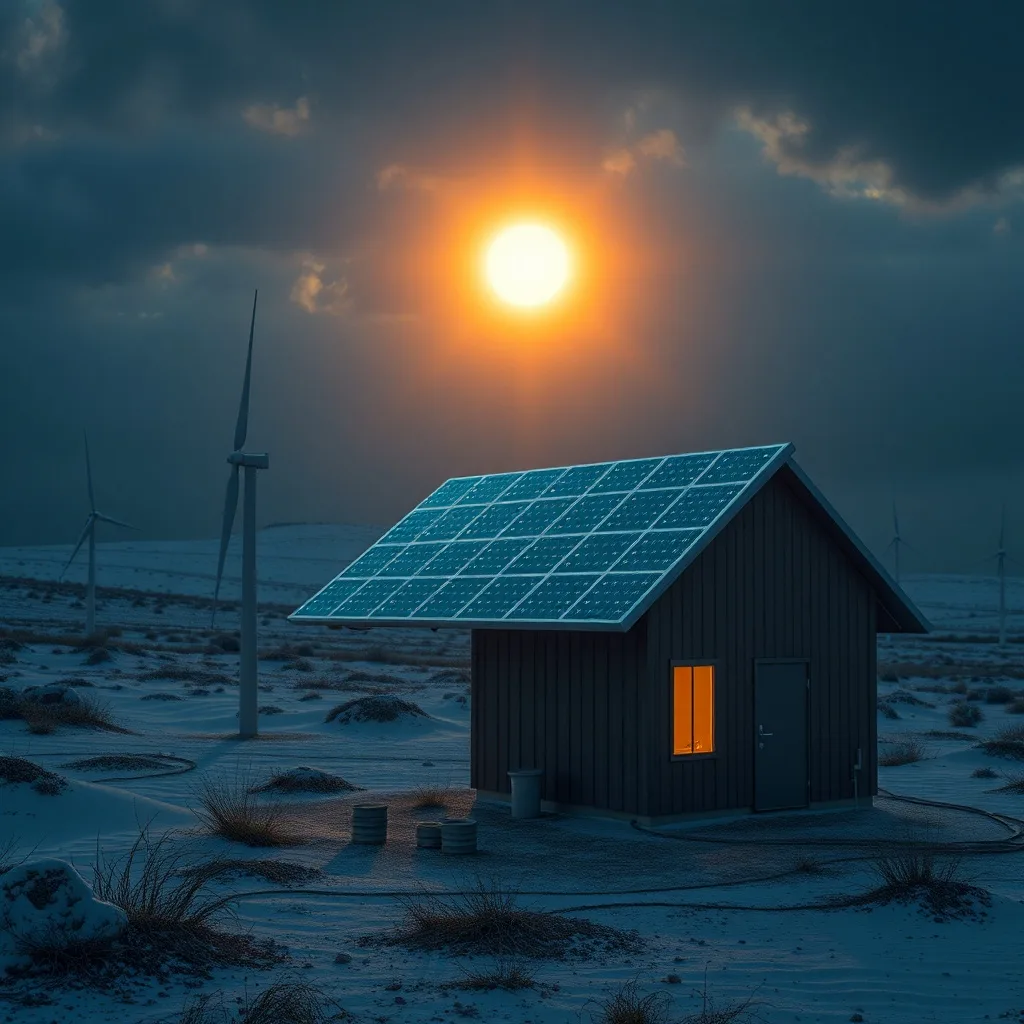
AI is changing how solar systems are designed, installed, and operated — from site assessment to predictive maintenance — in ways that are already improving real-world outcomes, not just future promises.
Table of Contents
- Design and Site Assessment
- Predictive Maintenance
- AI Applications at a Glance
- Realistic Limits Today
- Frequently Asked Questions
Design and Site Assessment
AI-assisted satellite and aerial imagery analysis now speeds up initial site assessment — estimating roof area, shading, and orientation automatically rather than requiring a purely manual survey for every quote. This doesn’t replace an in-person assessment before installation, but it meaningfully speeds up the initial quoting process.
Predictive Maintenance
Machine learning models analyzing production data can flag developing problems — a slowly underperforming panel, a degrading inverter — before they become obvious from a simple visual check or dramatic production drop. This shifts maintenance from purely reactive (fixing problems after they’re visible) toward genuinely predictive intervention.
AI Applications at a Glance
| Application | Current Maturity |
|---|---|
| Site assessment/quoting | Widely used, mature |
| Predictive maintenance | Growing adoption, actively improving |
| Smart energy management | Established in premium monitoring platforms |
Realistic Limits Today
AI tools genuinely improve efficiency and catch problems earlier, but they don’t replace fundamental engineering, code compliance, or hands-on installation quality — the physical system still has to be correctly designed and built. AI is a genuinely useful layer on top of solid fundamentals, not a substitute for them.
Frequently Asked Questions
Does AI actually improve solar system performance?
Indirectly yes, through better design/siting, predictive maintenance, and smarter energy management — not by changing the underlying physics of panels themselves.
Can AI predict when my equipment will fail?
Increasingly, AI-driven monitoring can flag developing problems before they become obvious, though it’s not perfectly predictive.
Is AI-assisted site assessment as accurate as an in-person visit?
It speeds up initial estimates, but professional in-person assessment remains standard before actual installation.
Do I need AI-powered monitoring to benefit from these improvements?
Premium monitoring platforms increasingly include AI-driven features, though basic monitoring still delivers most core value.
Will AI eventually design entire solar systems automatically?
AI already assists significantly in design, but professional engineering judgment remains important for code compliance and site-specific decisions.
For AI applications in energy management specifically, see our AI in solar energy management guide. For monitoring that benefits from these improvements, see our solar inverter monitoring app guide.
Related Posts
Leave a Comment
Your comment will be published after it has been approved. Please send comments that do not contain slang words.