Inverter Isolation Fault, Explained
An isolation fault means DC-to-ground resistance is below that inverter’s own limit. Limits differ by model. DC repairs belong to a qualified installer.

An isolation fault means DC-to-ground resistance is below that inverter’s own limit. Limits differ by model. DC repairs belong to a qualified installer.
Inverter error codes differ by brand and model. SMA and Fronius codes below are quoted from their own manuals. Insulation faults need a qualified person.
Every solar inverter guide on the site, grouped by the decision you are making: architecture, brands and cost, sizing, faults and monitoring.
Why installers fit more DC panels than the inverter can pass, how much clipping is acceptable, and how to spot it in your monitoring data.
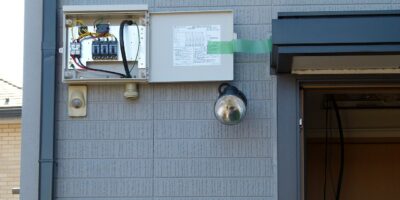
How to calculate panels per string without exceeding the inverter’s cold-weather voltage limit, with a full worked example.

Enphase microinverters vs SolarEdge optimizers: reliability, cost, warranties, batteries and which one fits your roof in 2026.
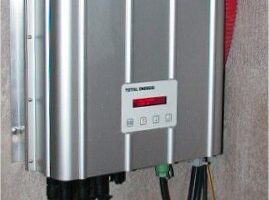
The best off-grid solar inverters are built for a fundamentally different job than a grid-tied or even a standard hybrid inverter: running a home or…

Commercial solar inverters differ from residential units in ways that go well beyond size – three-phase output, higher DC input voltage windows, different certification requirements,…
Short answer: Comparing solar inverter manufacturers is less about which brand is “best” and more about whose positioning — service network, product-line breadth and warranty…
Three-phase solar inverters match the three-phase electrical service standard. That is the standard in most commercial buildings. In many countries outside the US, it also…