
Sustainable Energy Grants
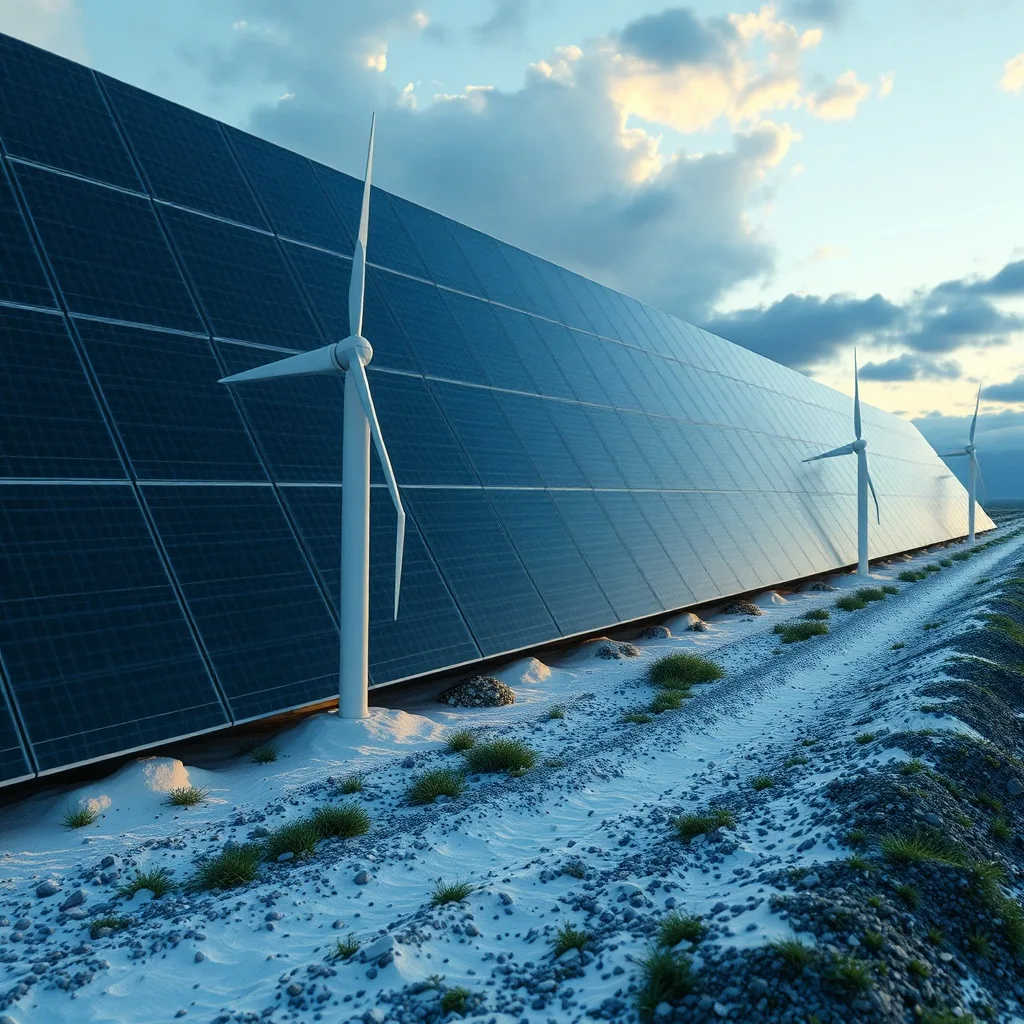
Sustainable energy grants provide upfront funding — not loans or tax credits — for qualifying households and organizations, often targeted at specific income levels, property types, or geographic areas.
Table of Contents
- How Grants Differ From Other Incentives
- Common Grant Program Types
- Program Types Compared
- Application Tips
- Frequently Asked Questions
How Grants Differ From Other Incentives
Unlike a tax credit (reducing what you owe) or a loan (borrowed capital you repay), a grant is money awarded directly, typically without repayment obligation, provided you meet the program’s specific eligibility criteria. This makes grants especially valuable for households that couldn’t otherwise access solar’s benefits due to upfront cost barriers.
Common Grant Program Types
Income-qualified household grants target lower-income homeowners specifically. Rural energy grants, like USDA’s REAP program, target agricultural producers and rural small businesses. State and local government grants vary widely, sometimes tied to specific equity or workforce development goals alongside pure energy access.
Program Types Compared
| Program Type | Typical Eligibility |
|---|---|
| Income-qualified grants | Households below a specific income threshold |
| USDA REAP | Rural agricultural producers, small businesses |
| State/local grants | Varies, often tied to equity/workforce goals |
Application Tips
Grant programs often have narrower application windows and more documentation requirements than tax credits — apply as early as possible in the funding cycle, since many operate on a first-come, first-served basis against a limited annual budget. Check your state energy office and local utility program pages directly rather than assuming a single national database captures everything available.
Frequently Asked Questions
Do I have to repay a sustainable energy grant?
Typically no, grants are awarded without repayment obligation, unlike a loan.
Who qualifies for solar grants?
Varies by program — commonly income-qualified households, rural properties, or specific equity/workforce-focused initiatives.
Can I combine a grant with the federal tax credit?
Often yes, though stacking order and cost-basis interactions matter — confirm with a tax professional.
How competitive are grant programs?
Often first-come, first-served against limited annual funding — apply early in the program’s funding cycle.
Where do I find grants specific to my situation?
Your state energy office and utility program pages, plus USDA REAP if you’re in a qualifying rural area.
For the full incentive stacking picture, see our clean energy incentives and financing guide. For income-qualified programs specifically, see our clean energy access and equity guide.
Related Posts
Leave a Comment
Your comment will be published after it has been approved. Please send comments that do not contain slang words.