
Clean Energy Access and Equity
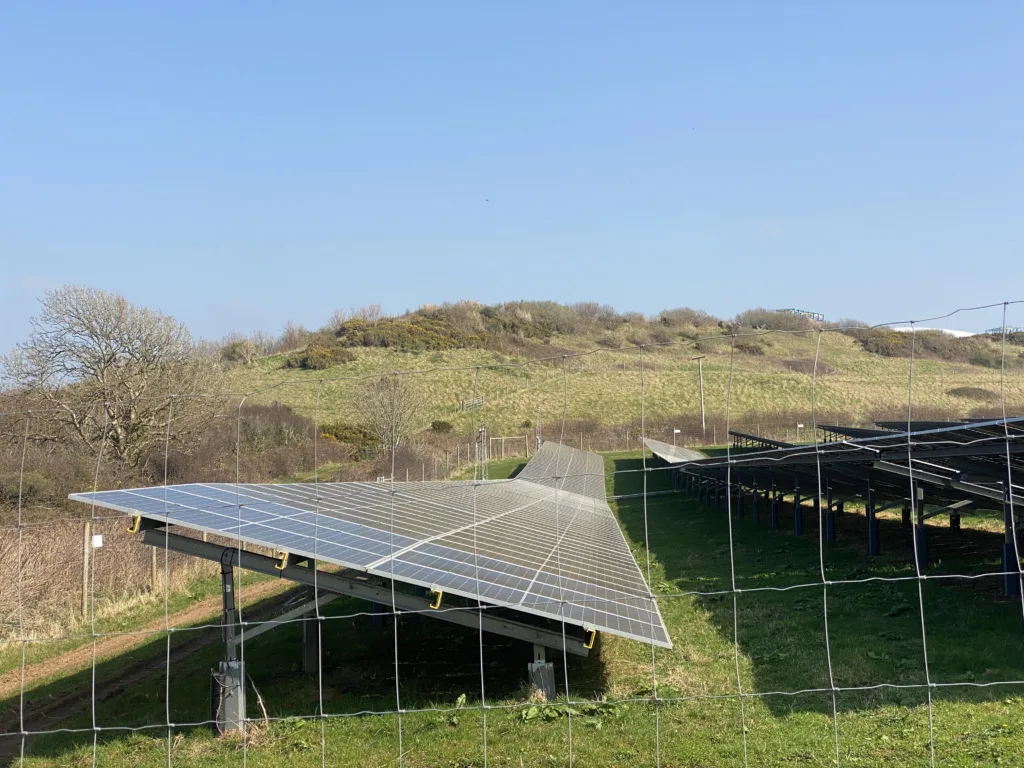
Clean energy access and equity is a real gap in how solar and battery storage adoption has played out – rooftop ownership requires owning a roof, upfront capital, and a favorable local grid connection, which excludes renters, apartment residents, many rural households, and lower-income homeowners from the most commonly discussed adoption path even when they want to participate.
This guide covers the access gaps that actually exist. It looks at what is being done about them, including community solar, rural-specific programs, and multi-family solutions. It also covers how to judge whether a specific program or company claim is genuinely trustworthy.
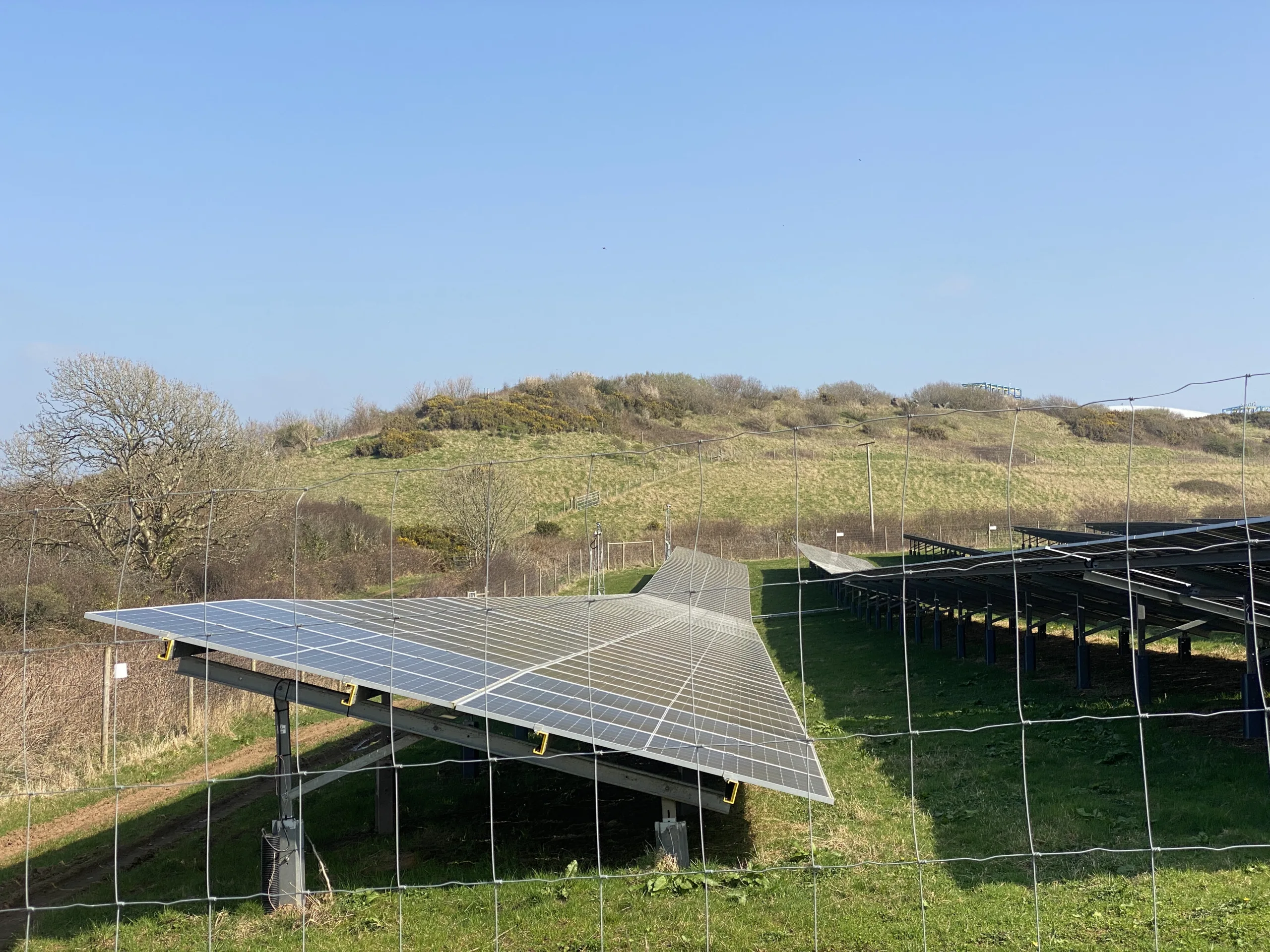
Table of Contents
- The Real Access Gap
- Rural Access: Distinct Challenges
- Clean Energy for Apartment and Multi-Family Residents
- Consumer Trust: Why It’s a Real Issue in This Industry
- How to Evaluate a Company or Program’s Trustworthiness
- Programs Specifically Addressing Equity
- Access Paths Compared
- Language and Information Access
- A REAP Application, Briefly Explained
- Accessibility for Aging in Place
- How Advocacy Groups Are Working on This
- Common Mistakes
- Frequently Asked Questions
The Real Access Gap
Rooftop solar ownership is the most commonly discussed and marketed adoption path. It requires three things at once. You need a suitable roof, access to financing or capital, and a workable local grid connection with net metering. This excludes a meaningful share of the population by default. Roughly a third of US households rent rather than own. A significant share of owned homes have roofs unsuited to solar, whether from shading, orientation, condition, or HOA restrictions. Lower-income households often cannot access financing on favorable terms even when they do own a suitable roof. None of this means clean energy adoption is impossible for these groups. It means the marketing-dominant “install rooftop solar” narrative does not reflect the actual range of viable paths. Those paths are covered below.
Rural Access: Distinct Challenges
Rural properties face a different set of access challenges than urban renters. There is often more roof and land space available, which favors solar or even off-grid systems. But grid infrastructure can be weaker, and longer distances affect installer availability and service response time. Program eligibility also differs. The USDA Rural Energy for America Program (REAP) specifically targets agricultural producers and rural small businesses with grants and loan guarantees. Those are not available to urban or suburban households. For rural properties with genuinely unreliable or absent grid access, an off-grid system (see our off-grid inverter guide) is sometimes the more practical path than waiting on grid infrastructure investment or extension.
Clean Energy for Apartment and Multi-Family Residents
Apartment and multi-family residents face the clearest version of the rooftop-ownership access gap. Even a motivated building owner installing solar usually cannot allocate savings to individual units the way single-family net metering does. That requires a virtual net metering or meter-aggregation program enabled by state policy. Such programs are uncommon and only available where specifically enabled. In practice, most apartment residents’ most realistic path is a community solar subscription in their own name (see our renter incentives guide for the full comparison of options), which doesn’t require any landlord cooperation or building-level infrastructure change at all.
Consumer Trust: Why It’s a Real Issue in This Industry
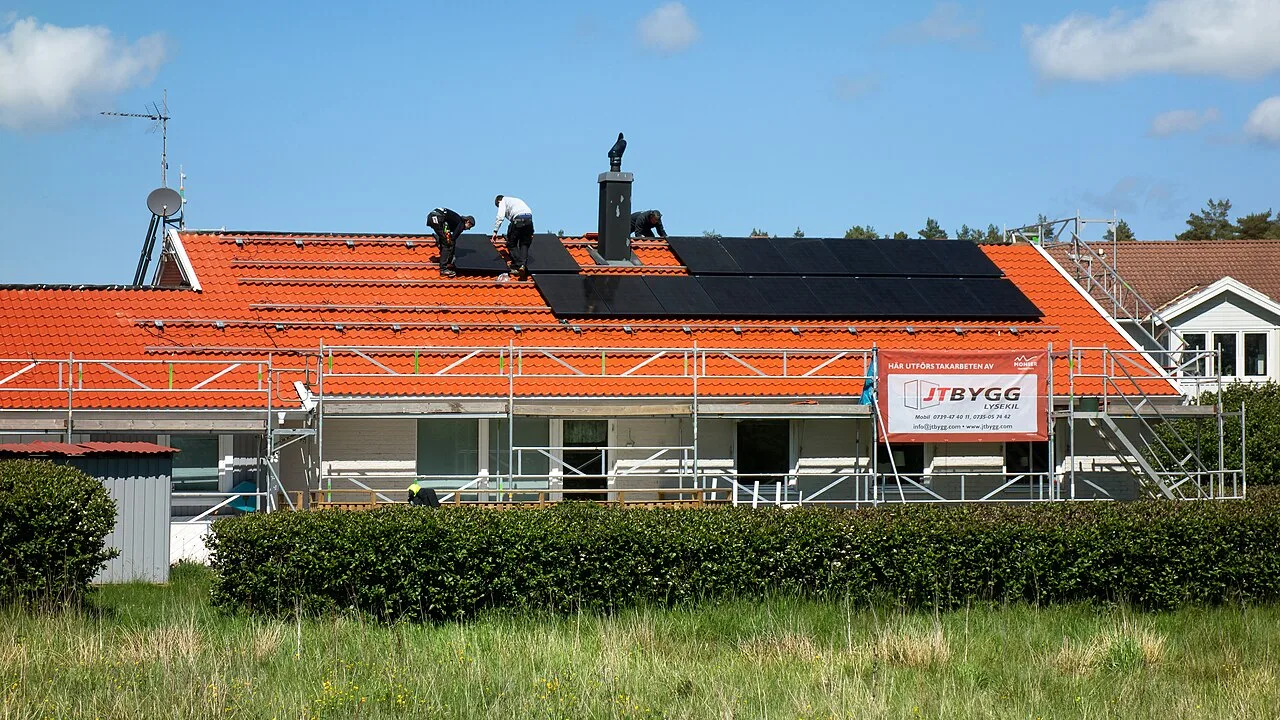
Solar and clean energy sales has a documented history of aggressive door-to-door and phone tactics. Misleading savings projections are common, and in some cases scam solicitations impersonate utilities. This is a real trust problem the industry has not fully resolved. It disproportionately affects less-experienced buyers making a complex, capital-intensive purchase for the first time. This trust gap compounds the access gap. A legitimate path often does exist: community solar, a REAP grant, or a genuine installer financing offer. But skepticism born from real bad-actor activity makes some eligible households hesitant to pursue options that could actually help them.
How to Evaluate a Company or Program’s Trustworthiness
| Trust Signal | What to Check |
|---|---|
| Written documentation | A legitimate offer provides a written contract/subscription agreement to review at home – never sign on the spot from a door-to-door pitch |
| Utility verification | Confirm directly with your utility’s customer service whether a program claiming utility affiliation is genuinely partnered or endorsed |
| Specific, sourced numbers | Savings estimates should reference your actual usage/rate data, not a generic percentage claim |
| No high-pressure urgency tactics | “Sign today or lose the rate” pressure is a documented red flag pattern, not a legitimate scarcity signal |
| Verifiable licensing/certification | Check installer licensing status with your state contractor licensing board directly, not just company-provided credentials |
Programs Specifically Addressing Equity
Several federal, state, and utility programs specifically target the access gaps described above. Income-qualified solar and efficiency grant programs are one category. Some states reserve a share of community solar subscriptions for low-income households. USDA REAP covers rural agricultural and small-business properties. State green bank low-interest financing reduces the capital barrier for households that do not qualify for standard consumer solar loan terms. See our incentives and financing guide for the income-qualified program section covering this in more depth.
Access Paths Compared
| Situation | Most Realistic Path |
|---|---|
| Apartment/multi-family renter | Community solar subscription or utility green power program |
| Rural homeowner, weak grid access | Off-grid system, potentially with REAP grant/loan guarantee support |
| Rural homeowner, standard grid access | Standard grid-tied solar, check for rural-specific incentive stacking |
| Lower-income homeowner, suitable roof | Income-qualified grant/rebate programs, state green bank financing |
| Renter in single-family home | Landlord advocacy, community solar, or green power program |
Language and Information Access Barriers
A less-discussed access barrier is informational. Most solar marketing, program documentation, and installer sales materials are produced primarily in English. The technical and financial concepts involved are genuinely complex on their own. Depreciation, net metering credit rates, and incentive stacking challenge even a native English speaker seeing them for the first time. Non-English-speaking households and communities with lower general financial literacy access face a real, if less visible, additional barrier beyond the capital and property-ownership gaps discussed above. Some state and utility programs have begun offering multilingual materials and community-based outreach specifically to address this, though availability varies considerably. Asking a program directly about language support materials is a reasonable step if this is a relevant barrier for your household or community.
A REAP Application, Briefly Explained
For rural properties potentially eligible for USDA’s Rural Energy for America Program, the process runs in four stages. First, confirm eligibility. You must be an agricultural producer or rural small business meeting specific revenue and location requirements. Second, gather an energy audit or assessment, which larger grant requests require. Third, submit an application through USDA Rural Development’s application windows. These run on a periodic cycle rather than staying continuously open. Fourth, if approved, the grant covers a portion of eligible project cost. Historically that has been up to 50% for smaller grants, subject to the program rules current at the time of application. The property owner finances the remainder. This is a more involved application process than a simple utility rebate. Working with USDA Rural Development’s local office helps. So does using an installer experienced with REAP applications specifically, which not every installer is. Both meaningfully improve the odds of a successful, correctly-documented application.
Accessibility Considerations for Aging in Place
One equity consideration is worth naming directly. Some households include a disabled or elderly member for whom backup power during an outage is a genuine medical necessity. That can mean powering medical equipment or maintaining climate control for a heat-sensitive condition. These households face a different risk calculus than one treating backup power as a convenience. Some state and utility programs prioritize or expedite backup power assistance for documented medical-necessity cases. If this applies to your household, research it directly with your utility and state energy office. It does not always appear prominently in general program marketing aimed at a broader audience.
How Advocacy and Policy Groups Are Working on This
Energy justice and equity-focused advocacy organizations have increasingly pushed for policy responses to these gaps. Priorities include expanded virtual net metering and meter-aggregation rules for multi-family buildings. Another is dedicated low-income carve-outs within community solar program design. A third is tenant-protection provisions making it easier for renters to request or benefit from landlord-installed solar. This advocacy has produced real policy wins in some states, including expanded multi-family solar access and low-income community solar reservations. It remains an active area of state-level legislative and regulatory work. If the access gaps in this guide affect your community, check whether your state has an active proceeding or advocacy campaign on the topic. That is a longer-term lever alongside the individual program options covered above.
Common Mistakes
- Assuming rooftop solar ownership is the only real path – community solar, off-grid, and income-qualified programs cover most situations rooftop ownership doesn’t.
- Letting justified skepticism block a legitimate, eligible program – verify independently rather than dismissing every offer as a scam.
- Not checking rural-specific programs (REAP) if eligible – a commonly overlooked federal resource for qualifying rural properties.
- Assuming apartment/multi-family buildings can’t participate at all – community solar specifically doesn’t require any building-level change.
Frequently Asked Questions
What is the single most accessible clean energy option for someone who can’t install rooftop solar?
Community solar, where available – it requires no property ownership, no landlord cooperation, and no building-level infrastructure change, just a subscription tied to your own utility account.
Is USDA REAP only for farms?
Primarily targets agricultural producers and rural small businesses specifically – not a general rural-homeowner program, so confirm your specific eligibility category before assuming it applies.
How do I know if a solar sales offer is a scam?
Red flags include high-pressure same-day-signature tactics, claims of utility affiliation that can’t be verified directly with your utility, and savings estimates not based on your actual usage data – verify independently before signing anything.
Can apartment buildings ever get their own solar installation instead of community solar?
Occasionally, via virtual net metering or meter-aggregation programs where specifically enabled by state policy – uncommon compared to a straightforward community solar subscription, but worth asking your building owner or state energy office about if it matters to you specifically.
Are income-qualified clean energy programs hard to find?
Not necessarily hard to find, but easy to overlook since they’re not the default marketing narrative – start with your state energy office and utility low-income program pages rather than assuming standard commercial offers are the only option.
Are there advocacy groups working specifically on clean energy access and equity?
Yes – energy justice-focused organizations advocate at the state legislative and regulatory level for expanded multi-family solar access, low-income community solar reservations, and tenant-protection provisions. Check for active state-level proceedings if this affects your community.
Do any programs specifically help with backup power for medical necessity needs?
Some state and utility programs prioritize or expedite assistance for documented medical-necessity backup power cases – research directly with your utility and state energy office, since this doesn’t always appear in general program marketing.
Conclusion
Clean energy access extends well beyond the dominant rooftop-ownership narrative. Community solar, off-grid systems, rural-specific federal programs, and income-qualified incentives cover most situations that do not fit the standard path. Verifying trustworthiness independently protects against the real scam activity that has targeted this space. See our renter incentives guide and incentives and financing guide for the specific programs covered here in more depth.
Further reading: USDA – Rural Energy for America Program and Wikipedia – Energy justice.
See our sustainable energy grants guide for how this plays out in practice.
Community-scale generation is one of the more practical answers to the access gap. Our solar mini-grids guide covers how these systems serve areas without reliable grid service.
Related Posts
Leave a Comment
Your comment will be published after it has been approved. Please send comments that do not contain slang words.