
Utility scale solar grid integration
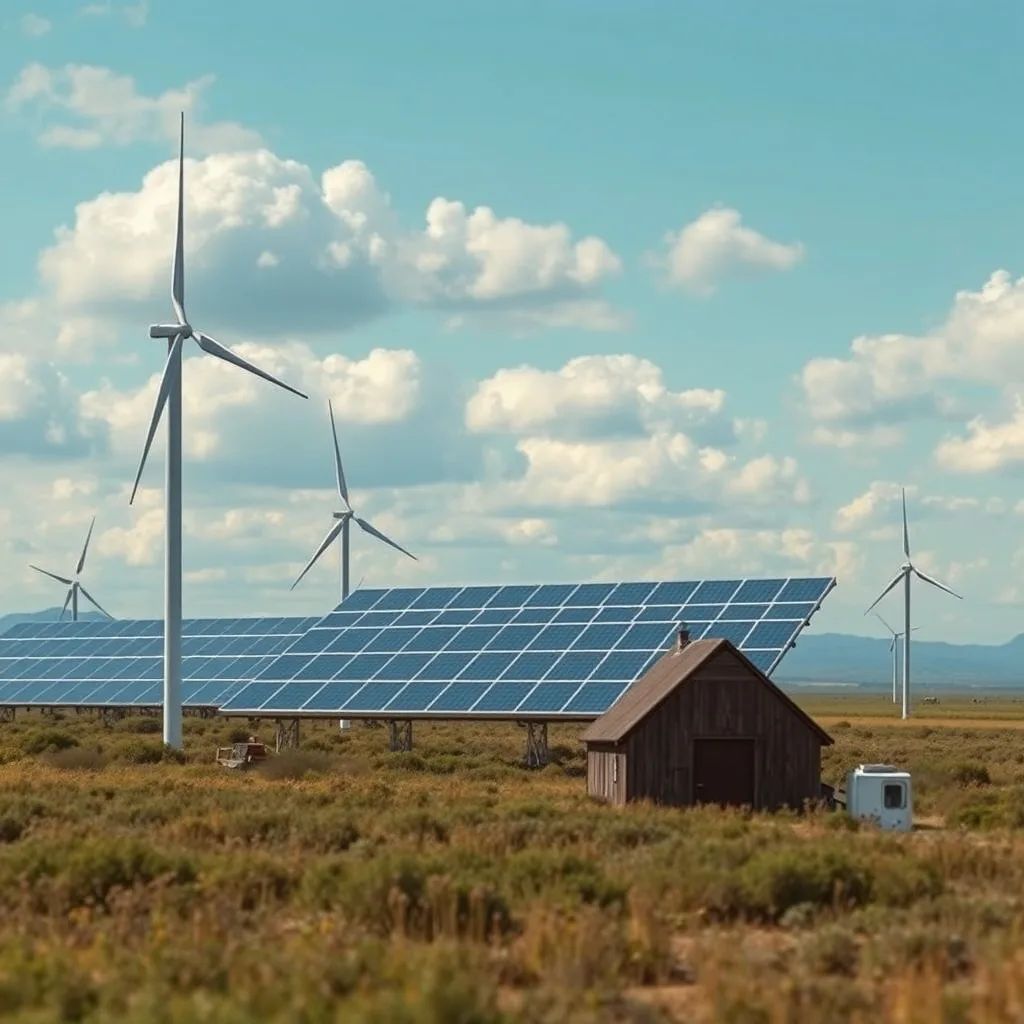
As the demand for renewable energy sources continues to rise, utility scale solar grid integration plays a crucial role in the transition towards a sustainable future. This article delves into the intricate details of how solar technology is integrated into the grid on a large scale, addressing key technical, market, and industry aspects to provide a comprehensive overview.
Technology Overview
Solar energy, particularly in the form of photovoltaic technology, has seen significant advancements in recent years. Utility-scale solar projects involve the installation of large solar panel arrays that harness sunlight to generate electricity. These projects often require sophisticated inverters, energy storage systems, and smart grid technologies to ensure seamless integration with the existing power grid.
One of the key challenges in utility-scale solar grid integration is maintaining grid stability and reliability. As solar power generation is intermittent and dependent on weather conditions, effective energy storage solutions and grid management strategies are essential to balance supply and demand.
Market and Industry Context
The global shift towards renewable energy sources has led to a surge in utility-scale solar projects across different regions. Countries such as the USA, Europe, China, the Middle East, and India have witnessed significant investments in solar infrastructure, driven by government incentives and environmental concerns.
- Solar energy is expected to play a pivotal role in the decarbonization of the energy sector.
- Investment in utility-scale solar projects is projected to increase in the coming years.
- The shift towards cleaner energy sources is reshaping the power generation landscape.
Technical Explanation
Utility-scale solar grid integration involves complex engineering solutions to ensure the efficient and reliable operation of solar power plants. Inverter technology, energy storage systems, and grid interconnection components play a crucial role in optimizing power output and grid stability.
Grid integration studies focus on assessing the impact of large-scale solar projects on the existing power grid, identifying potential challenges, and implementing solutions to mitigate risks. Advanced monitoring and control systems enable real-time optimization of solar power generation and grid interactions.
Regional GEO Analysis
Regional market analysis reveals unique trends and challenges in utility-scale solar grid integration. While the USA boasts a mature solar market with a focus on large-scale utility projects, Europe leads in innovative grid integration solutions. China’s ambitious renewable energy targets drive extensive solar deployment, while the Middle East and India explore solar as a key component of their energy mix.
- The USA: A leader in utility-scale solar deployment with a focus on grid reliability.
- Europe: Emphasizing smart grid technologies and energy storage solutions for seamless integration.
- China: Rapidly expanding solar capacity to meet growing energy demands.
Investor and Commercial Perspective
From an investor standpoint, utility-scale solar projects offer long-term financial benefits and contribute to sustainability goals. Commercial entities are increasingly turning to solar energy to reduce operational costs, enhance energy resilience, and demonstrate corporate social responsibility.
Utility companies are exploring opportunities to incorporate solar power into their energy portfolios, diversifying their generation sources and meeting renewable energy targets. Collaborations between investors, developers, and utilities drive the growth of utility-scale solar projects worldwide.
Installation or Deployment Challenges
Despite the numerous benefits of utility-scale solar projects, several challenges must be addressed during installation and deployment. Land availability, grid connection constraints, regulatory hurdles, and technology limitations can impact the feasibility and success of solar integration projects.
- Land availability and permitting processes are critical factors in the development of utility-scale solar projects.
- Grid connection challenges require innovative solutions to ensure seamless integration with the existing infrastructure.
- Regulatory frameworks and policy support play a significant role in facilitating solar project development and deployment.
Future Predictions
The future of utility-scale solar grid integration looks promising, with continued advancements in technology, policy support, and market dynamics driving growth in the sector. Innovations in energy storage, grid management, and solar efficiency are expected to enhance the reliability and scalability of solar power plants.
Market projections indicate a steady increase in utility-scale solar capacity worldwide, with emerging markets playing a significant role in the expansion of solar infrastructure. As solar energy becomes more cost-effective and efficient, its widespread adoption is likely to accelerate the transition towards a cleaner and sustainable energy future.
Detailed Comparison Table
| Category | Details | Impact |
| Grid Integration Technologies | Advanced inverters, energy storage systems, smart grid solutions | Enhanced grid stability and flexibility |
| Market Trends | Increased investment, regional variations, policy influences | Shift towards renewable energy sources |
| Challenges | Land availability, grid connection constraints, regulatory hurdles | Impact on project feasibility and timelines |
Related reading
Explore more about the benefits of solar energy.
Learn about the latest advancements in solar technology.
Discover how energy storage solutions impact solar integration.
Sources
For in-depth insights into solar energy trends, visit NREL.
Explore the latest reports on renewable energy from IEA.
Frequently Asked Questions
How does utility-scale solar grid integration contribute to the energy transition?
Utility-scale solar projects help reduce reliance on fossil fuels and support the shift towards cleaner and sustainable energy sources.
What are the key challenges in integrating large-scale solar projects into the grid?
Challenges include grid stability, energy storage requirements, grid connection constraints, and regulatory considerations.
How do investors benefit from utility-scale solar projects?
Investors can secure long-term returns, diversify their portfolios, and contribute to environmental sustainability through investments in utility-scale solar projects.
What role do smart grid technologies play in utility-scale solar integration?
Smart grid technologies enable real-time monitoring, control, and optimization of solar power generation, enhancing grid stability and efficiency.
How can utility companies leverage solar energy in their energy portfolios?
Utility companies can integrate solar power to diversify their generation mix, meet renewable energy targets, and enhance grid resilience.
Outlook
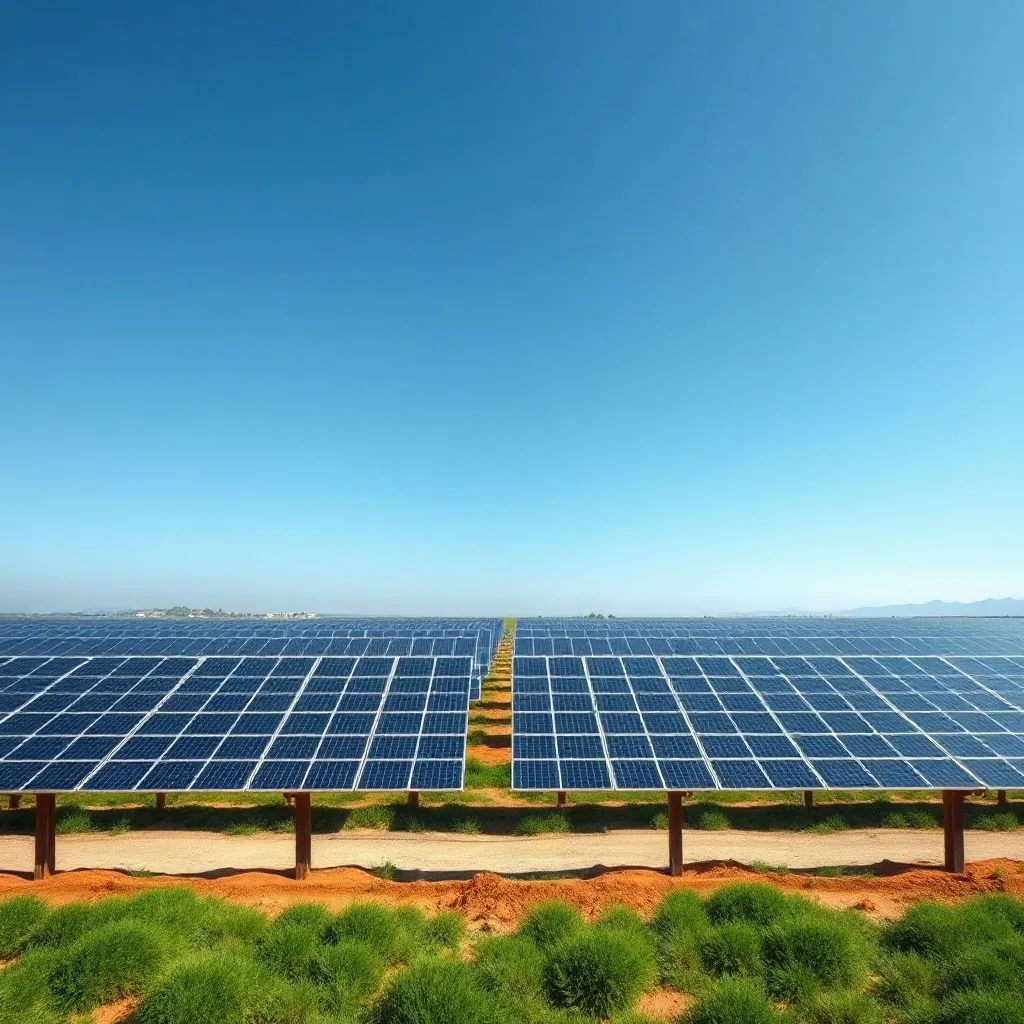
Utility-scale solar grid integration is poised to play a pivotal role in the global energy transition, driving the adoption of clean and sustainable energy sources. With ongoing advancements in technology, policy support, and market dynamics, the future of solar energy looks bright, paving the way for a greener and more resilient energy landscape.
There is more detail on this in our utility scale solar grid interconnection guide.
Related Posts

Leave a Comment
Your comment will be published after it has been approved. Please send comments that do not contain slang words.