
How solar storage helps EV charging
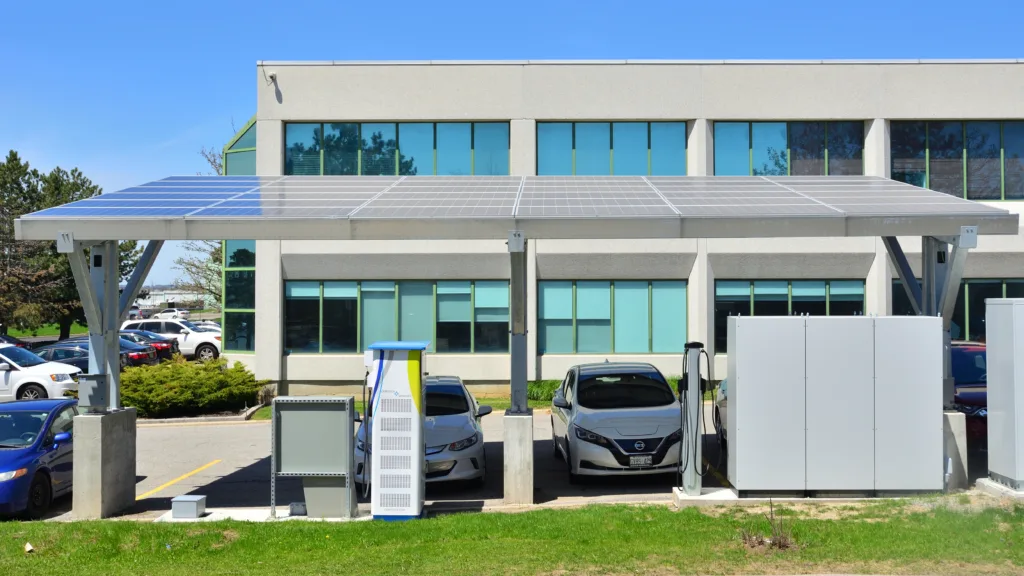
Battery storage extends what solar can do for EV charging beyond just daytime sessions — capturing midday production for evening or overnight charging when your car is actually parked and plugged in.
Table of Contents
- The Basic Timing Mismatch
- How Storage Bridges the Gap
- Charging Scenarios Compared
- Sizing Storage With EV Charging in Mind
- Frequently Asked Questions
The Basic Timing Mismatch
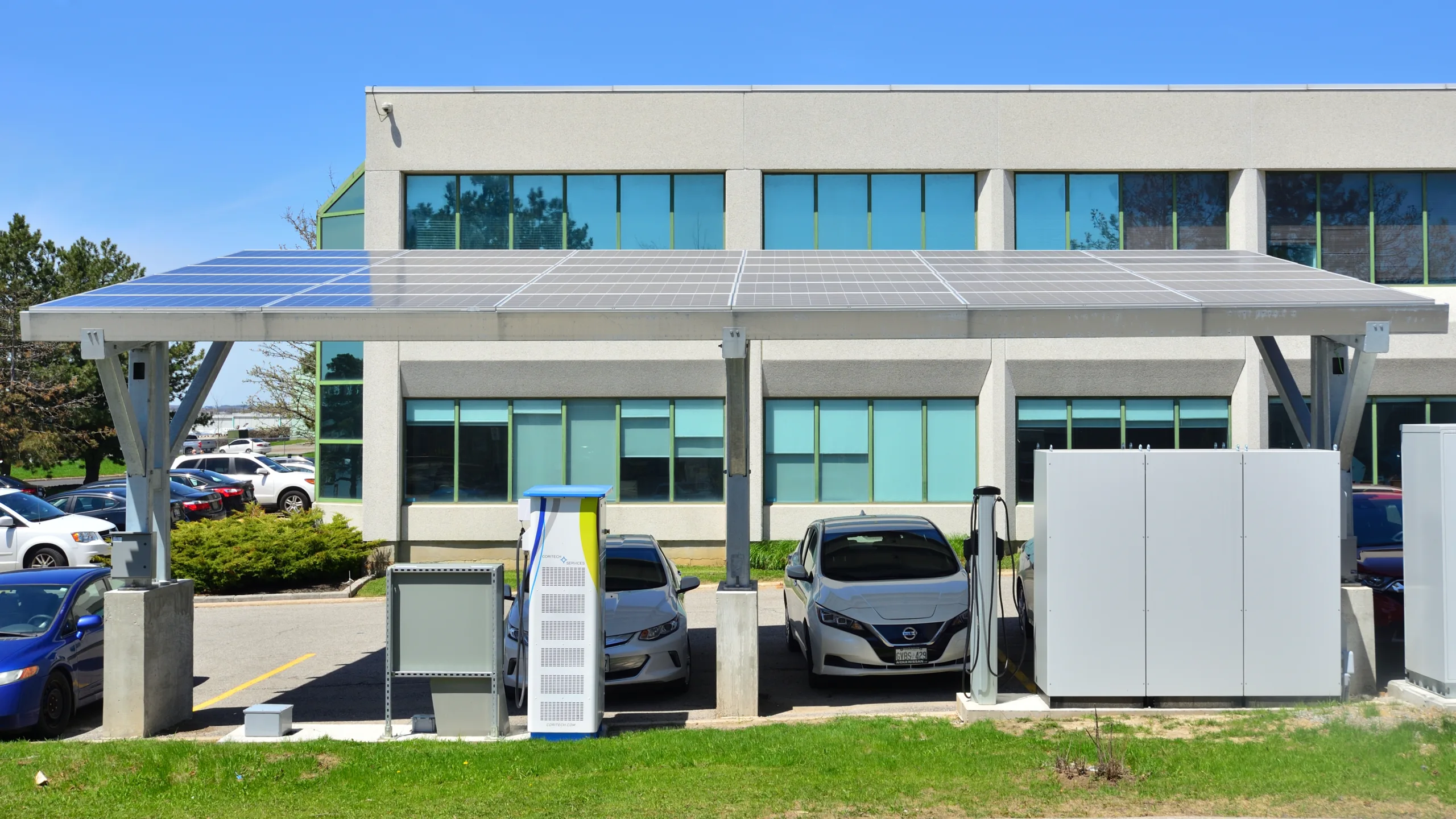
Most EVs are parked and charging overnight or during work hours, while solar production peaks midday — a genuine mismatch that means many EV owners with solar still draw meaningful grid power for charging unless they specifically address this timing gap.
How Storage Bridges the Gap
A home battery captures excess midday solar production and releases it later, letting your EV charge from stored solar energy overnight instead of drawing directly from the grid. This effectively extends your solar system’s charging window well beyond actual daylight hours.
Charging Scenarios Compared
| Scenario | Solar Coverage |
|---|---|
| Daytime charging, no storage | High, if home during charging hours |
| Overnight charging, no storage | None, standard grid power |
| Overnight charging, with battery | High, from stored midday solar |
Sizing Storage With EV Charging in Mind
If overnight EV charging is a priority, factor your typical daily charging energy need (often 20-40 kWh for a full commute-range top-up) directly into your battery sizing calculation, alongside your other household backup and self-consumption goals — EV charging can be a meaningfully large addition to typical battery sizing math.
Frequently Asked Questions
Do I need a battery to charge my EV with solar?
Not if you charge during daylight hours, but a battery is needed to capture solar value for overnight charging specifically.
How much battery capacity does EV charging typically need?
Often 20-40 kWh for a full daily commute-range charge, a significant factor in overall battery sizing.
Is it better to charge my EV during the day or use battery storage overnight?
Daytime charging when possible avoids the battery round-trip efficiency loss; overnight-via-battery is the practical alternative when daytime charging isn’t feasible.
Does using my battery for EV charging reduce its availability for home backup?
Yes, they draw from the same capacity — size your system considering both needs together, not independently.
Can I prioritize home backup over EV charging from my battery?
Many systems allow configuring priority settings — check your specific inverter/battery’s capabilities.
For overall battery sizing, see our energy storage sizing guide. For charger setup specifically, see our solar powered EV chargers guide.
See our solar vs. grid charging for evs guide for how this plays out in practice.
Related Posts

Leave a Comment
Your comment will be published after it has been approved. Please send comments that do not contain slang words.