
Solar Panel Fire Risk
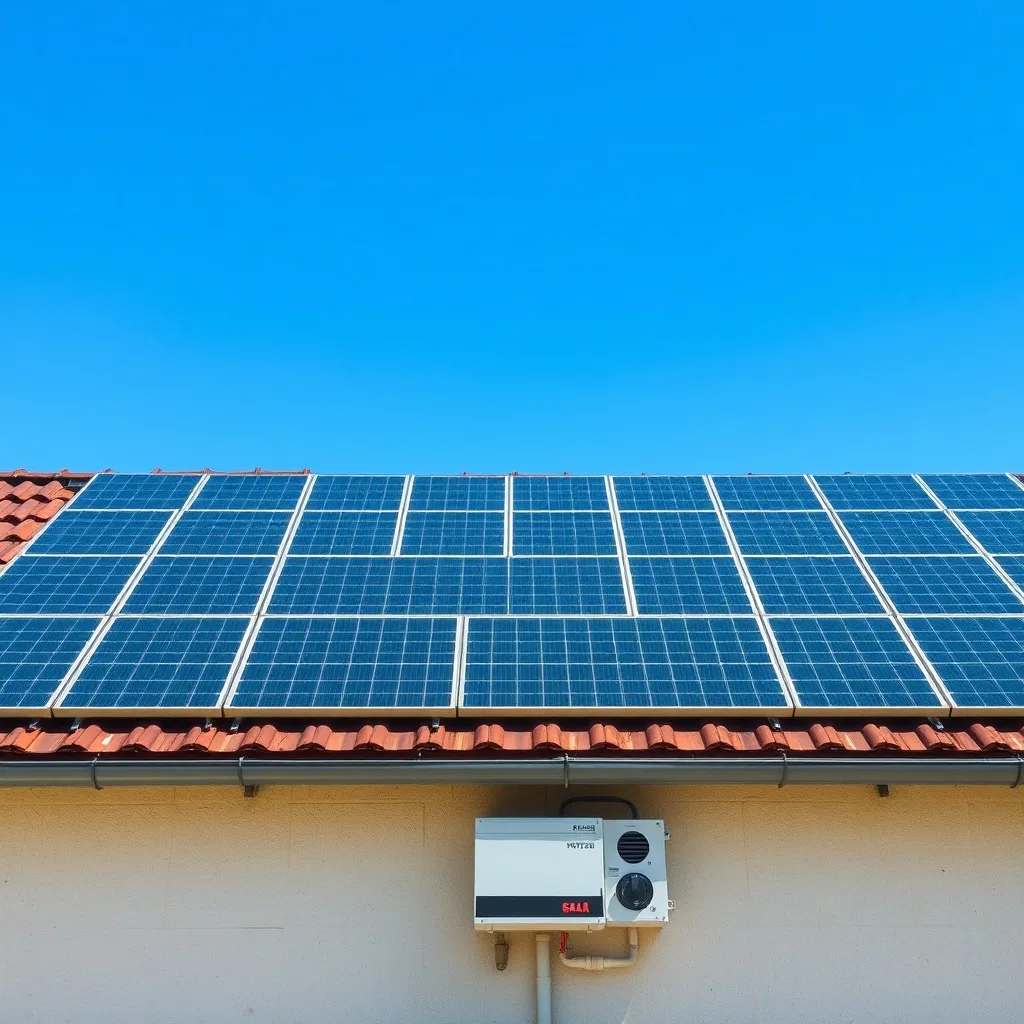
Solar panel fire risk is real but small, and understanding the actual causes — mostly installation and equipment issues, not the panels themselves — helps put the risk in accurate perspective.
Table of Contents
- How Real Is the Risk?
- Common Causes of Solar Fires
- Causes and Prevention
- Reducing Your Risk
- Frequently Asked Questions
How Real Is the Risk?
Solar panel-related fires are statistically rare compared to the total number of installed systems — most documented incidents trace back to poor installation quality (loose connections, improper wiring) rather than the panels themselves failing spontaneously. Properly installed, code-compliant systems carry genuinely low risk.
Common Causes of Solar Fires
Loose or improperly crimped electrical connections are the most common root cause, creating resistance heating over time (arc faults). DC arc faults specifically, harder to detect and extinguish than AC faults, are why modern code requires rapid shutdown and arc-fault detection equipment on new installations.
Causes and Prevention
| Cause | Prevention |
|---|---|
| Loose/poor connections | Quality installation, periodic inspection |
| DC arc faults | Arc-fault detection equipment, required by current code |
| Aging/degraded wiring | Regular visual inspection, professional check every 3-5 years |
| Rodent damage to cables | Proper conduit protection, periodic inspection |
Reducing Your Risk
Choose a reputable, licensed installer — installation quality is the single biggest factor in real-world fire risk, far more than panel brand. Keep up with periodic visual inspections and don’t ignore any burning smell, unusual heat, or fault codes from your inverter, which can be early warning signs worth immediate professional attention.
Frequently Asked Questions
Are solar panel fires common?
No, they’re statistically rare relative to the total number of installed systems, especially with quality installation.
What actually causes most solar-related fires?
Poor installation quality, particularly loose electrical connections, more often than panel or equipment failure itself.
Does home insurance cover solar panel fires?
Typically yes as part of dwelling coverage, but confirm your specific policy explicitly.
How can I reduce my system’s fire risk?
Choose a reputable licensed installer and keep up with periodic inspections — installation quality matters most.
Should I worry about my inverter specifically?
Any unusual heat, smell, or fault codes warrant prompt professional attention, though this is uncommon in well-maintained systems.
For related equipment safety, see our energy storage system safety guide. For general inspection routines, see our solar panel inspection checklist.
If you want the specifics, our DIY solar panel repair guide goes deeper. This is covered separately in our solar panel bird proofing guide.
Coverage and exclusions are explained in solar panel insurance.
Related Posts
Leave a Comment
Your comment will be published after it has been approved. Please send comments that do not contain slang words.