
DIY Solar Panel Repair
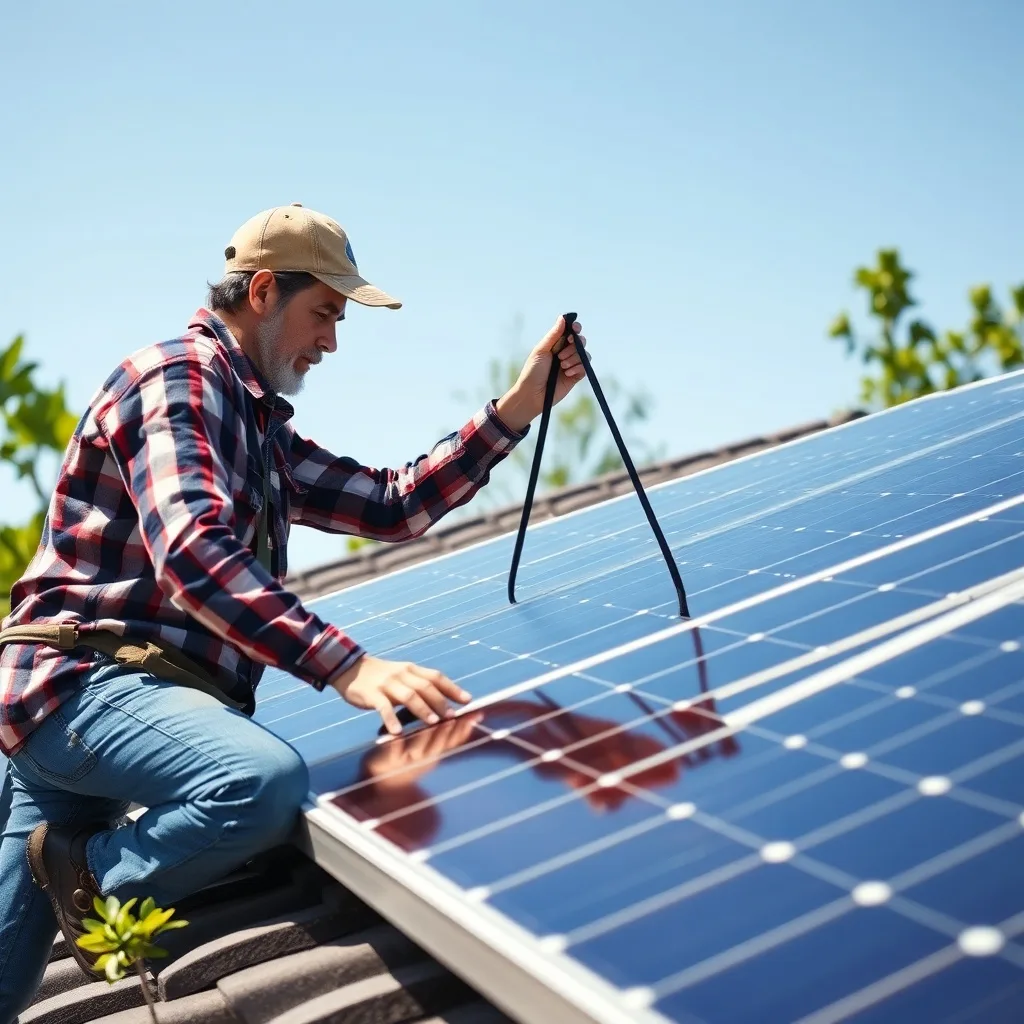
DIY Solar Panel Repair is a crucial aspect of maintaining a sustainable energy system at home. Ensuring that your solar panels are in optimal condition not only maximizes energy production but also extends the lifespan of your investment. In this comprehensive guide, we will delve into the ins and outs of DIY solar panel repair, covering everything from common issues to step-by-step repair tips.
Table of Contents
- Common Solar Panel Issues
- Troubleshooting Tips
- Repair Guidelines
- Solar Incentives and ROI
- Future Solar Technology Trends
- Frequently Asked Questions
Common Solar Panel Issues
While solar panels are durable and low-maintenance, they can still experience issues over time. Some common problems include shading, soiling, hot spots, and potential induced degradation (PID). Addressing these issues promptly is crucial to ensure optimal energy production.
- Shading: Shading from trees, buildings, or debris can significantly reduce the efficiency of solar panels. Regularly trim trees and remove any obstructions casting shadows on the panels.
- Soiling: Dirt, dust, bird droppings, and other debris can accumulate on the panels, blocking sunlight. Periodic cleaning with mild soap and water can help maintain efficiency.
- Hot Spots: Hot spots occur when a cell or group of cells on a panel heat up more than others, leading to reduced performance. Proper installation and monitoring can help prevent hot spots.
- Potential Induced Degradation (PID): PID is a phenomenon where the electrical output of a solar panel decreases due to voltage potential between the cells and the frame. Installing PID-resistant panels and using proper grounding techniques can mitigate this issue.
For more in-depth analysis on solar technology trends and advancements, visit Solar Sun Labs.
Troubleshooting Tips
When faced with a drop in solar panel performance, it’s essential to troubleshoot the system to identify the root cause. Here are some tips to help you diagnose and address common issues:
- Monitor Performance: Regularly check the output of your solar panels to detect any sudden drops in energy production.
- Inspect Connections: Ensure all electrical connections are secure and free of corrosion. Loose or damaged connections can lead to power loss.
- Check Inverters: Inverters are vital components that convert DC power from the panels to AC power for use in your home. Monitor inverter performance and look for error codes or alerts.
- Clean Panels: Keep the panels clean and free of debris to maximize sunlight absorption. Regular cleaning can prevent efficiency losses due to soiling.
Repair Guidelines
While some minor repairs can be done by homeowners, complex issues may require professional assistance. When attempting DIY repairs, follow these guidelines to ensure safety and effectiveness:
- Turn Off the System: Before starting any repair work, shut off the solar panel system to prevent electrical shocks or accidents.
- Use Proper Tools: Invest in high-quality tools suitable for working with solar panels. Avoid using metal tools that can damage the panels.
- Follow Manufacturer Guidelines: Refer to the manufacturer’s instructions for specific repair procedures and safety precautions.
- Seek Professional Help: For complex issues or if you are unsure about the repair process, contact a certified solar panel technician for assistance.
For information on solar incentives, tax credits, and return on investment, visit Solar Sun Labs.
Solar Incentives and ROI
Investing in solar panels not only helps reduce your carbon footprint but can also lead to significant cost savings over time. Governments and utilities offer various incentives and rebates to encourage solar adoption. Understanding the financial benefits and return on investment (ROI) of solar panels is essential for making an informed decision.
- US: The United States offers federal tax credits, state incentives, and net metering programs to support solar energy installations.
- EU: European countries provide feed-in tariffs, grants, and tax incentives to promote renewable energy generation, including solar power.
- China: China has established ambitious solar energy targets and offers subsidies and incentives for solar projects to reduce reliance on fossil fuels.
- India: India has implemented various policies and incentives to accelerate solar energy deployment and achieve energy security goals.
Future Solar Technology Trends
The solar industry is constantly evolving, with advancements in technology driving increased efficiency and affordability. Emerging trends such as next-generation solar panels, energy storage systems, and hybrid solar inverters are shaping the future of renewable energy.
- Next-Gen Solar Panels: Innovations in solar panel design, materials, and manufacturing processes are improving efficiency and durability.
- Energy Storage Systems: Battery storage solutions enable homeowners to store excess solar energy for use during peak demand periods or at night.
- Hybrid Solar Inverters: Hybrid inverters combine solar and battery storage capabilities, optimizing energy usage and increasing self-consumption.
- Future Energy Storage: Research is ongoing to develop advanced energy storage technologies, including solid-state batteries and flow batteries, for enhanced grid stability and resilience.
Frequently Asked Questions
1. Can I repair solar panels myself?
While minor repairs like cleaning and tightening connections can be done by homeowners, complex issues should be handled by trained professionals to avoid damage or safety risks.
2. How much does DIY solar panel repair cost?
The cost of DIY solar panel repair varies depending on the extent of the damage and the tools needed. Basic maintenance tasks are affordable, but major repairs may require professional assistance.
3. Are there any risks involved in DIY solar panel repair?
Working with solar panels involves electrical components and heights, posing potential risks of electric shock, falls, or damage to the panels. Safety precautions and proper equipment are essential when performing repairs.
4. How often should I inspect and maintain my solar panels?
Regular inspections and maintenance checks should be conducted at least once a year to ensure optimal performance and longevity of your solar panel system.
For the full breakdown, see our solar panel fire risk guide. See our solar panel monitoring apps guide for how this plays out in practice.
Related Posts
Leave a Comment
Your comment will be published after it has been approved. Please send comments that do not contain slang words.