
Best Solar Panel Brands
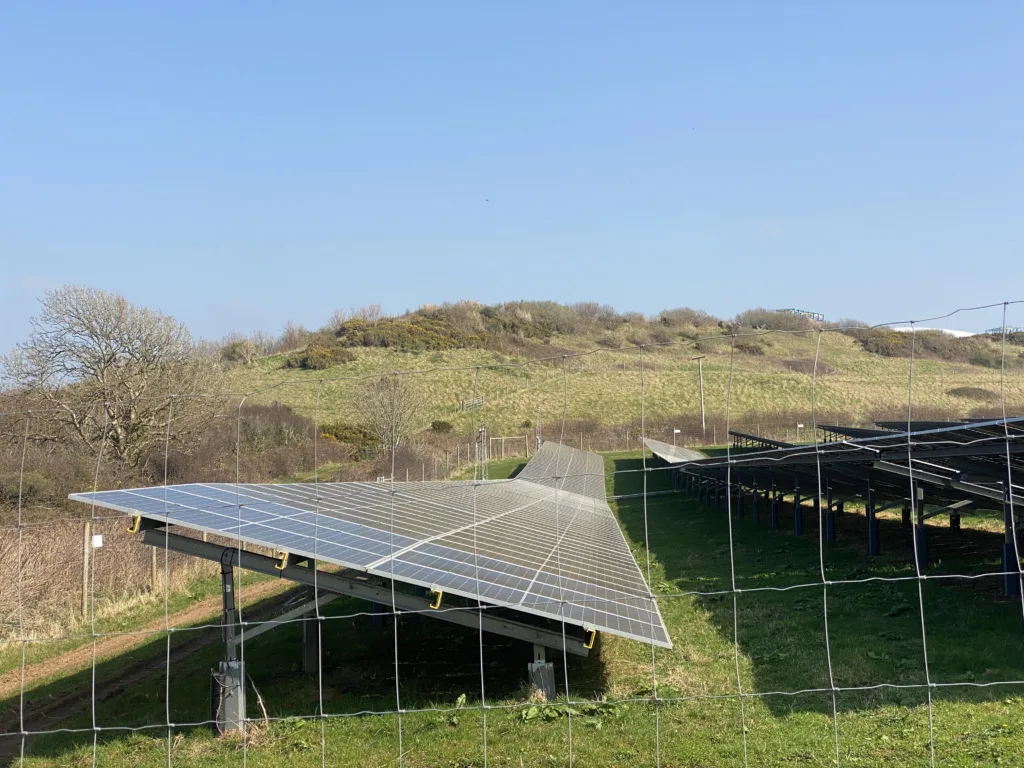
The best solar panel brands in 2026 aren’t a single ranked list so much as a set of tiers built around different priorities – manufacturing scale and price, premium efficiency and warranty, or domestic-content and Buy America eligibility for incentive purposes. Panel choice matters less than most marketing suggests, once you are comparing established Tier 1-manufactured panels. Core silicon cell technology has converged considerably across major brands. The bigger differences show up in warranty terms, degradation rates, and manufacturer financial stability over a 25-year product life.
This guide covers how to actually evaluate a solar panel brand and the tiers worth knowing. It covers the key spec differences that matter more than brand name alone. It also covers the questions to ask an installer about which brands they carry and why.
Table of Contents
- Understanding Panel Manufacturing Tiers
- What Actually Separates Panel Brands
- Panel Brands by Category
- Key Specs Compared
- Cell Technology Compared
- Panel Aesthetics: All-Black vs. Standard
- Regional Manufacturing and Tariffs
- How to Compare Two Quotes
- Panel Recycling and End-of-Life
- Regional Brand Preferences
- Reading Warranty Terms Correctly
- Domestic Content and Incentive Eligibility
- Manufacturer Bankability: Why It Matters
- Common Mistakes When Comparing Brands
- Frequently Asked Questions
Understanding Panel Manufacturing Tiers
The informal Tier 1 classification began as a financial-analyst bankability ranking, not a technical quality grade. It has become industry shorthand for manufacturers with significant automated production scale, multi-year track records, and financial stability. It says little directly about efficiency or warranty terms. Both vary considerably even among Tier 1 brands. Most panels an installer proposes today come from Tier 1 manufacturers. The meaningful differences to evaluate are specific specs and warranty terms, not the tier label alone.
What Actually Separates Panel Brands
Core silicon PV cell technology is used across most major brands today. That includes mono-PERC, TOPCon, and increasingly heterojunction designs. The real-world efficiency gap between competitors has narrowed considerably compared to a decade ago. Four things still differ meaningfully. Efficiency percentage translates to more or less power per square foot of roof, which matters on space-constrained roofs. Temperature coefficient describes how much output drops as panel temperature rises, which matters in hot climates. Warranty length and degradation guarantee vary by brand. And manufacturer financial stability determines whether a warranty claim 15 years from now is actually honorable.
Panel Brands by Category
| Category | Representative Brands | Best Fit |
|---|---|---|
| Premium efficiency | SunPower/Maxeon, REC, Panasonic | Space-constrained roofs, buyers prioritizing top efficiency and long warranty over lowest price |
| Mainstream Tier 1, strong value | Q CELLS, Canadian Solar, Trina Solar, JinkoSolar | Most residential and commercial installs prioritizing solid performance at competitive price |
| US-manufactured / domestic content | First Solar, Qcells (US facilities), Silfab | Buyers targeting domestic-content incentive adders or prioritizing US manufacturing specifically |
| Budget / value-tier | Various smaller manufacturers | Cost-sensitive projects – verify Tier 1 status and warranty terms carefully rather than assuming parity with established brands |
This is a category framework, not a ranked endorsement. The right brand depends on your specific priorities. Those might be efficiency, price, domestic content, or a particular installer’s established relationship with a manufacturer’s service network.
Key Specs Compared
| Spec | Typical Range (2026) | Why It Matters |
|---|---|---|
| Module efficiency | 19-23%+ | Higher efficiency means more power from the same roof area – most relevant on space-constrained roofs |
| Temperature coefficient | -0.25% to -0.40% per °C | Lower (less negative) numbers mean less output loss in hot climates |
| Product (materials/workmanship) warranty | 10-25 years | Covers manufacturing defects; premium brands increasingly offer 25-year product warranties matching the performance warranty |
| Performance (degradation) warranty | Commonly guarantees ~85-92% output at year 25 | Guarantees a minimum output floor over the panel’s life, not just that it still “works” at all |
Reading Warranty Terms Correctly
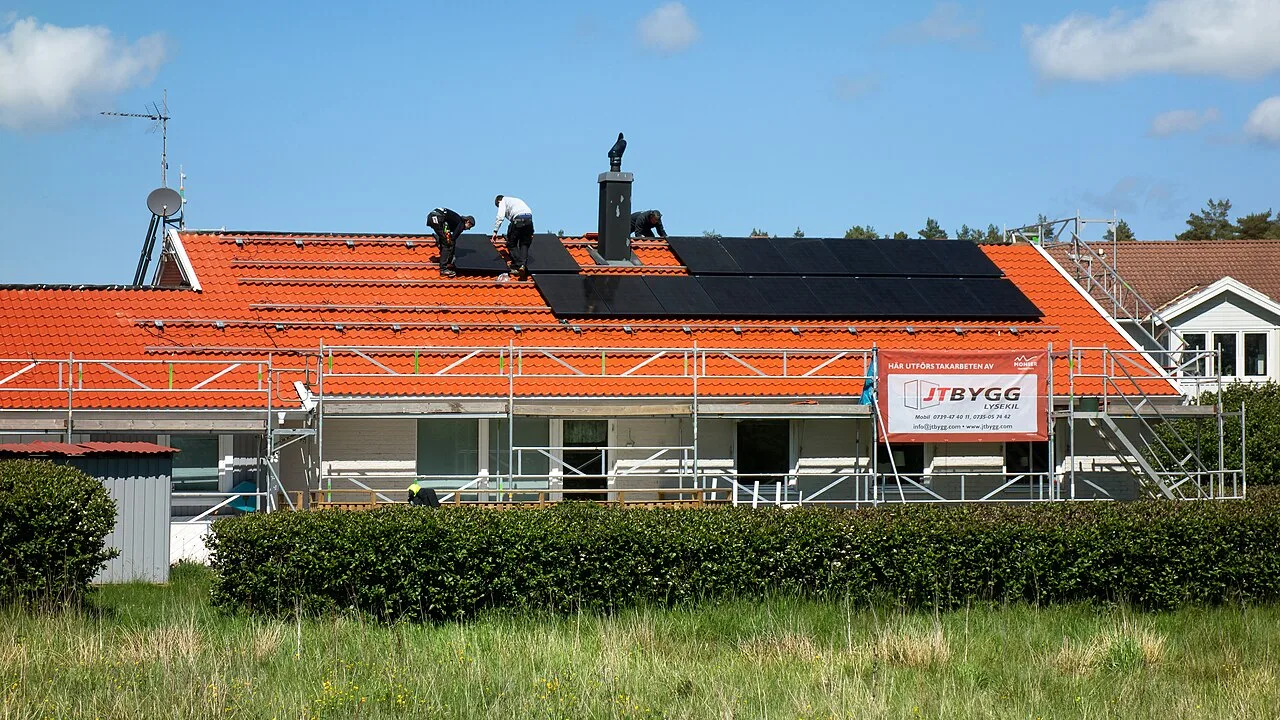
Solar panel warranties bundle two separate promises that are easy to conflate. The product or materials warranty covers manufacturing defects, typically for 10 to 25 years. The performance warranty guarantees a minimum output percentage at specific years, declining gradually. Common terms guarantee roughly 90% or more output at year 10, and 85 to 92% at year 25, varying by brand. A brand advertising a 25-year warranty without specifying which type is not automatically better. Neither is one bundling both at the same headline length. A brand that states both terms separately and clearly may well be offering more. Always ask for both figures explicitly rather than accepting a single marketing headline number.
Domestic Content and Incentive Eligibility
Some federal and state incentive programs offer additional value for systems meeting domestic-content thresholds – manufactured with a required percentage of US-made components. Eligibility rules and bonus amounts have changed across recent tax-policy years. Confirm current domestic-content incentive rules with your installer or a tax professional. Do not assume a Made in USA panel automatically qualifies for every program. The specific compliance threshold and documentation requirements matter as much as the manufacturing location claim itself. See our solar tax credits guide for the base federal incentive rules this stacks on top of.
Manufacturer Bankability: Why It Matters
A panel’s warranty is only as good as the manufacturer’s ability to honor it decades from now. That is why financial stability and manufacturing track record genuinely matter. Those are the substance behind the informal Tier 1 label, and they are separate from any spec-sheet comparison. Smaller or newer manufacturers can offer excellent panels at attractive prices. But a warranty claim depends on the company still existing and honoring commitments in year 15 or 20. That is a real if hard-to-quantify risk. Weigh it against any price advantage, particularly for a value-tier brand without an established multi-decade track record.
Cell Technology: Mono-PERC vs. TOPCon vs. HJT
| Technology | Typical Efficiency | Notes |
|---|---|---|
| Mono-PERC | ~20-21% | The long-standing mainstream standard; mature manufacturing, widely available, being gradually succeeded by TOPCon in new product lines |
| TOPCon | ~21-23% | Now the mainstream choice among major manufacturers’ newer product lines; better temperature coefficient and slightly higher efficiency than PERC at a modest cost premium |
| HJT (heterojunction) | ~22-24%+ | Premium tier, best temperature performance and typically the strongest degradation guarantees, at a higher price point |
Cell technology is one factor behind the tier categories described above, but not the only one. A mono-PERC panel from an established, financially stable manufacturer can still be the better overall choice. A TOPCon panel from a newer, less proven company may not be. It depends on how much weight you place on bankability versus the latest cell technology.
Panel Aesthetics: All-Black vs. Standard
Most major brands now offer an all-black panel option, with black cells, backsheet, and frame. It sits alongside the traditional blue-cell and silver-frame look. It carries a modest price premium, and sometimes a very slightly lower efficiency depending on the specific product line. This is a purely aesthetic choice with no meaningful performance implication for most buyers. It matters mainly for HOA approval processes, or personal preference on visible street-facing roofs. Ask about it specifically if roof visibility is a consideration, since not every brand’s full product line is available in all-black.
Regional Manufacturing, Tariffs, and Supply Chain
Solar panel pricing and availability have been meaningfully affected by trade policy in recent years. Tariffs on panels and cells from specific countries or regions have shifted where major brands manufacture. They have also shifted which products remain cost-competitive in the US market specifically. This is a genuinely fast-moving area of policy that can change panel pricing and availability with little notice. If timing or budget is tight, ask your installer directly about current supply chain status and pricing stability. Make it specific to the brand and product line you are considering. General pricing information, including this article, may be outdated by the time you are ready to buy.
How to Compare Two Quotes With Different Brands
When two installer quotes propose different panel brands, compare on a standardized basis rather than headline price. Use cost per watt, meaning total system price divided by total rated wattage. Total price alone is misleading, since system sizes and panel counts can differ. Usable/guaranteed output at year 10 and year 25 from each brand’s performance warranty, not just nameplate efficiency. And total warranty coverage length for both product and performance separately. A lower-priced quote using a lower-tier brand with a shorter or weaker warranty is not automatically a worse deal. It should be an informed tradeoff. Comparing only the bottom-line price makes it an accidental one.
Panel Recycling and End-of-Life
The first large wave of grid-tied residential solar from the 2000s and 2010s is now approaching or past its rated lifespan. Panel recycling infrastructure is therefore a genuinely growing consideration, though still uneven by region. Some manufacturers now offer or participate in formal take-back and recycling programs. Broader municipal recycling infrastructure for solar panels specifically remains limited in many areas compared to more established e-waste streams. This is a forward-looking factor worth a brief mention to an installer. Ask whether the brand has an end-of-life recycling program. It will not affect most buyers’ decisions today. It is likely to become more prominent as the installed base ages over the coming decade.
Regional Brand Preferences
Brand availability and market share shift by region. Certain manufacturers have stronger installer networks and parts availability in the US market specifically. Others are more dominant across the EU or Asia-Pacific. This matters practically for warranty service and replacement-panel availability years down the line. A brand with limited regional presence in your market today may have an even thinner service footprint by the time a warranty claim becomes relevant. That holds independent of the panel’s technical merits. Ask an installer specifically how many of a given brand’s systems they’ve serviced locally, not just how many they’ve sold, as a practical proxy for real-world regional support.
Common Mistakes When Comparing Brands
- Choosing purely on efficiency percentage – a meaningful factor only if roof space is genuinely constrained; otherwise total system output matters more than per-panel efficiency.
- Not distinguishing product warranty from performance warranty – the two numbers answer different questions.
- Assuming “Tier 1” means a specific quality/performance guarantee – it’s a financial bankability classification, not a technical rating.
- Ignoring manufacturer financial stability for a lower sticker price – relevant to whether a 20-year warranty claim is realistically honorable.
- Assuming any “Made in USA” claim automatically qualifies for domestic-content incentives – verify the specific compliance threshold with a tax professional.
Frequently Asked Questions
Is a more expensive solar panel brand always worth it?
Not automatically – premium brands typically offer higher efficiency and longer/stronger warranties, which matters most on space-constrained roofs or for buyers prioritizing long-term output guarantees. On an unconstrained roof, a solid mainstream Tier 1 brand often delivers comparable real-world value at lower cost.
What does “Tier 1 solar panel” actually mean?
An informal bankability classification (originally from financial analysts) reflecting manufacturing scale and track record, not an official technical quality grade – most panels proposed by established installers today are Tier 1.
How much does panel brand actually affect total system output?
Less than installation quality, roof orientation, and shading in most cases – brand-to-brand efficiency differences among established manufacturers are real but usually smaller than the impact of a well- vs. poorly-sited system.
Should I prioritize domestic-content panels for the incentive bonus?
Worth asking about if eligible, but confirm the actual incentive value and compliance requirements with a tax professional before treating it as a given – rules and bonus amounts have changed across recent tax years.
Do all solar panel brands offer similar warranties?
No – warranty length, degradation guarantee percentage, and whether product and performance warranties match in length vary meaningfully by brand. Always compare the specific written terms, not just a headline “25-year warranty” claim.
How should I compare two quotes that use different panel brands?
Standardize on cost per watt rather than total price alone, and compare guaranteed output at year 10 and year 25 from each brand’s performance warranty rather than just nameplate efficiency.
What happens to solar panels at the end of their life?
Some manufacturers offer formal take-back or recycling programs, though broader recycling infrastructure specific to solar panels is still developing in many regions – worth asking an installer about a specific brand’s program if this factors into your decision.
For the financial side of comparing panel brands and system sizes, see our payback period calculator and ROI guide.
Do premium panel brands actually last longer in practice, not just on paper?
Real-world field data increasingly supports that premium brands tend to show lower measured degradation than their guaranteed minimums, but mainstream Tier 1 brands also generally perform within or better than their own warranty guarantees – “longer lasting” is less the differentiator than “guaranteed to a higher floor,” which is a meaningfully different claim.
Conclusion
There is no single universal ranking of solar panel brands. The best one for a given project depends on roof space constraints and budget. Domestic-content incentive eligibility matters too. So does how much weight you place on manufacturer bankability over raw price. Compare product and performance warranty terms explicitly, ask your installer which brands they have the deepest service relationship with, and weigh manufacturer financial stability alongside the spec sheet. See our best solar inverter brands guide for the equivalent comparison on the equipment side of the system.
Further reading: U.S. Department of Energy – Photovoltaics and Wikipedia – Solar panel.
Our solar panel weight and installation guide covers this in more depth. We take this further in our solar panel efficiency world record guide.
Cell technology is one axis of comparison. Our thin film vs monocrystalline guide covers where each construction type actually makes sense.
If you are weighing panels against an integrated roof, compare solar shingles cost.
One brand no longer in the market changes this list, as explained in LG vs Q CELLS panels.
Related Posts

Leave a Comment
Your comment will be published after it has been approved. Please send comments that do not contain slang words.