
Solar EV Charging Speed Limits
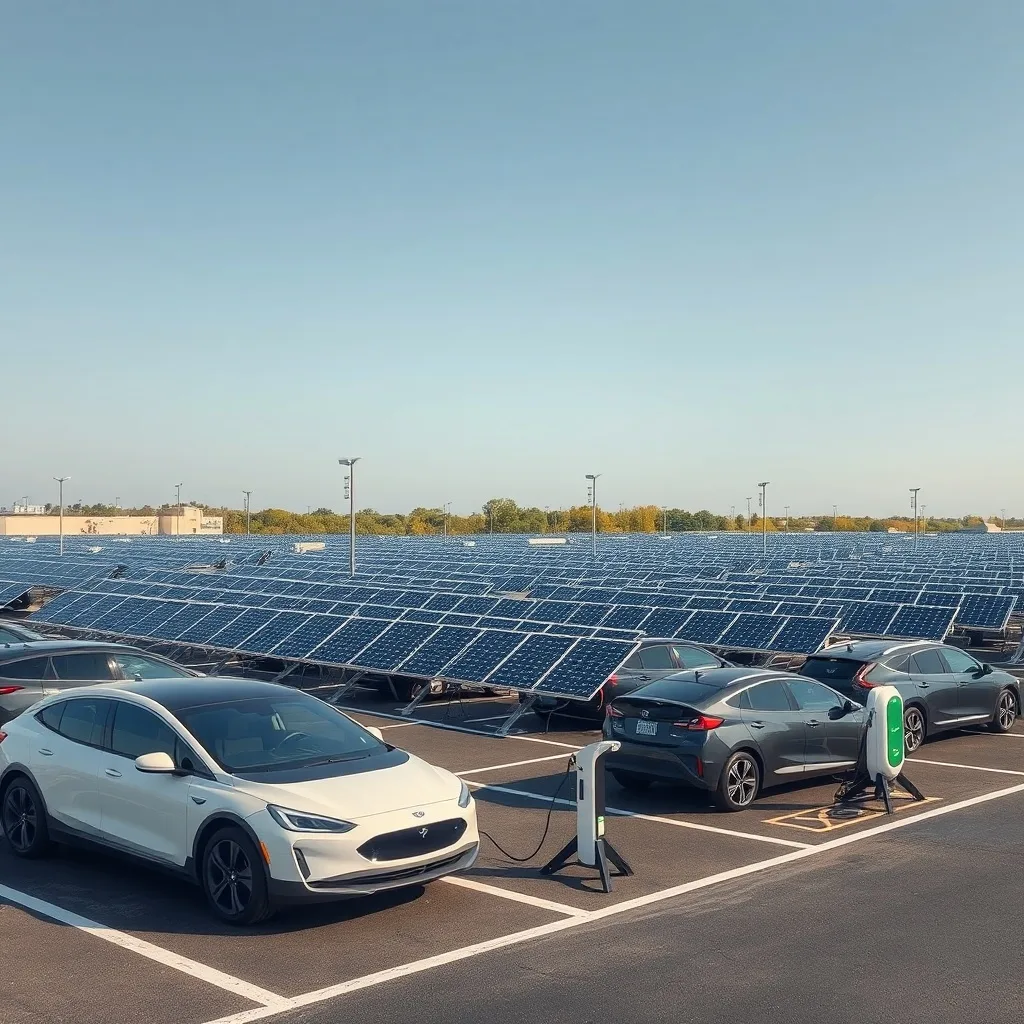
Charging speed for solar-connected EV charging depends on your charger’s rating and available power, not on the fact that solar is involved — understanding the actual limits helps set realistic expectations.
Table of Contents
- What Actually Limits Charging Speed
- Solar-Specific Speed Factors
- Charging Speed by Level
- Realistic Expectations for Solar Charging
- Frequently Asked Questions
What Actually Limits Charging Speed
Charging speed is determined by three things: your charger’s power rating, your vehicle’s maximum acceptance rate, and your electrical circuit’s capacity — whichever is lowest sets the actual charging speed. Solar involvement doesn’t inherently limit speed; it’s simply the power source feeding into the same system.
Solar-Specific Speed Factors
If a smart charger is specifically limiting charge rate to match real-time solar production (to avoid drawing grid power), your charging speed will vary with available sunlight rather than running at the charger’s maximum rated speed continuously — this is an intentional efficiency tradeoff, not a system limitation.
Charging Speed by Level
| Charging Level | Typical Speed |
|---|---|
| Level 1 (120V) | 3-5 miles of range per hour |
| Level 2 (240V) | 20-40 miles of range per hour |
| DC fast charging | Up to 150-250+ miles per hour equivalent |
Realistic Expectations for Solar Charging
A typical home Level 2 setup running from a solar-plus-grid hybrid system charges at the same speed as any standard Level 2 installation — the presence of solar doesn’t slow things down unless you’ve specifically configured solar-matching that intentionally limits rate to available production.
Frequently Asked Questions
Does solar power charge my EV slower than grid power?
No, unless specifically configured to match variable solar production — otherwise charging speed is set by your charger and vehicle, not the power source.
What determines my actual charging speed?
The lowest of your charger’s rating, your vehicle’s maximum acceptance rate, and your electrical circuit’s capacity.
Should I choose solar-matching charging even if it’s slower?
Depends on your priority — solar-matching maximizes self-consumption value at the cost of consistent charging speed.
Can I get DC fast charging speeds at home with solar?
Rarely for typical residential installations — DC fast charging infrastructure is usually reserved for commercial/public locations.
Does cloudy weather slow down my EV charging?
Only if using solar-matching charging specifically; grid-blended charging maintains consistent speed regardless of weather.
For home charger setup, see our solar powered EV chargers guide. For conversion efficiency details, see our solar charging station efficiency guide.
If you want the specifics, our solar EV charging stations guide goes deeper. If you want the specifics, our free EV charging with solar? guide goes deeper.
Related Posts
Leave a Comment
Your comment will be published after it has been approved. Please send comments that do not contain slang words.