
Solar Farm Grid Connection
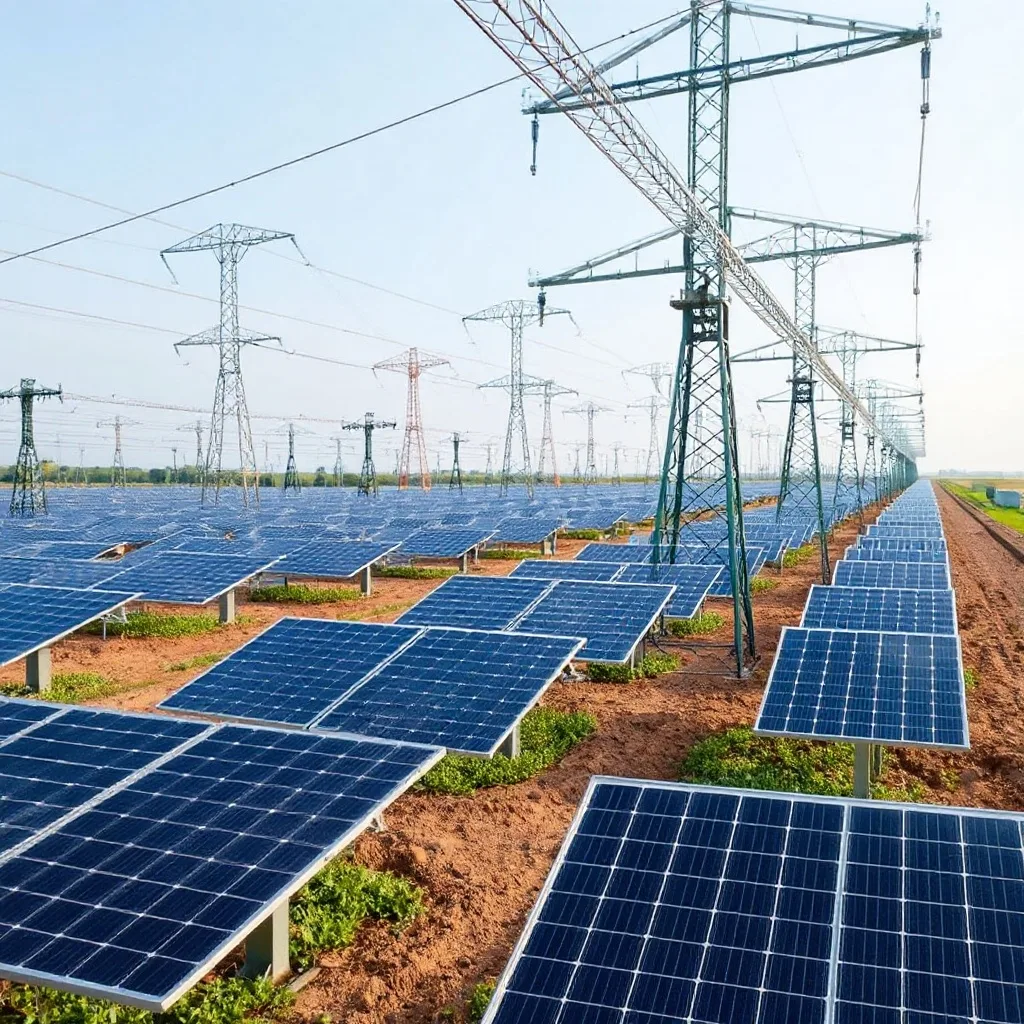
Solar farm grid connection is the process of getting permission, equipment and a physical line to deliver a plant’s output into the transmission or distribution network. It is the step that most often decides whether a project happens at all. In many regions the study queue runs for years, and the grid upgrades assigned to a project can rival the cost of the panels. This guide walks through the interconnection process, the hardware between the inverters and the grid, the studies and costs involved, and the reasons connections stall.
Table of Contents
- What “Connecting to the Grid” Actually Involves
- The Interconnection Process Step by Step
- The Hardware Between Inverters and Grid
- Studies, Upgrades and Who Pays
- Grid Codes: What the Plant Must Be Able to Do
- Why Connections Stall, and Fixes
- FAQ
What “Connecting to the Grid” Actually Involves
A solar farm connects at a point of interconnection (POI) where the plant’s output enters the utility’s network at a matching voltage. Small farms of a few megawatts usually connect to the distribution system at medium voltage. Larger farms connect to the transmission system at high voltage through their own substation, often several kilometres away.
The grid operator has to be satisfied of three things before energising the line: that the local network can physically carry the extra power without overloading lines or transformers, that the plant will behave correctly during disturbances, and that protection systems on both sides will isolate a fault safely. Every step in the process below exists to answer one of those questions. The U.S. Energy Information Administration’s overview of electricity delivery to consumers describes the transmission and distribution layers a solar farm is plugging into.
The Interconnection Process Step by Step
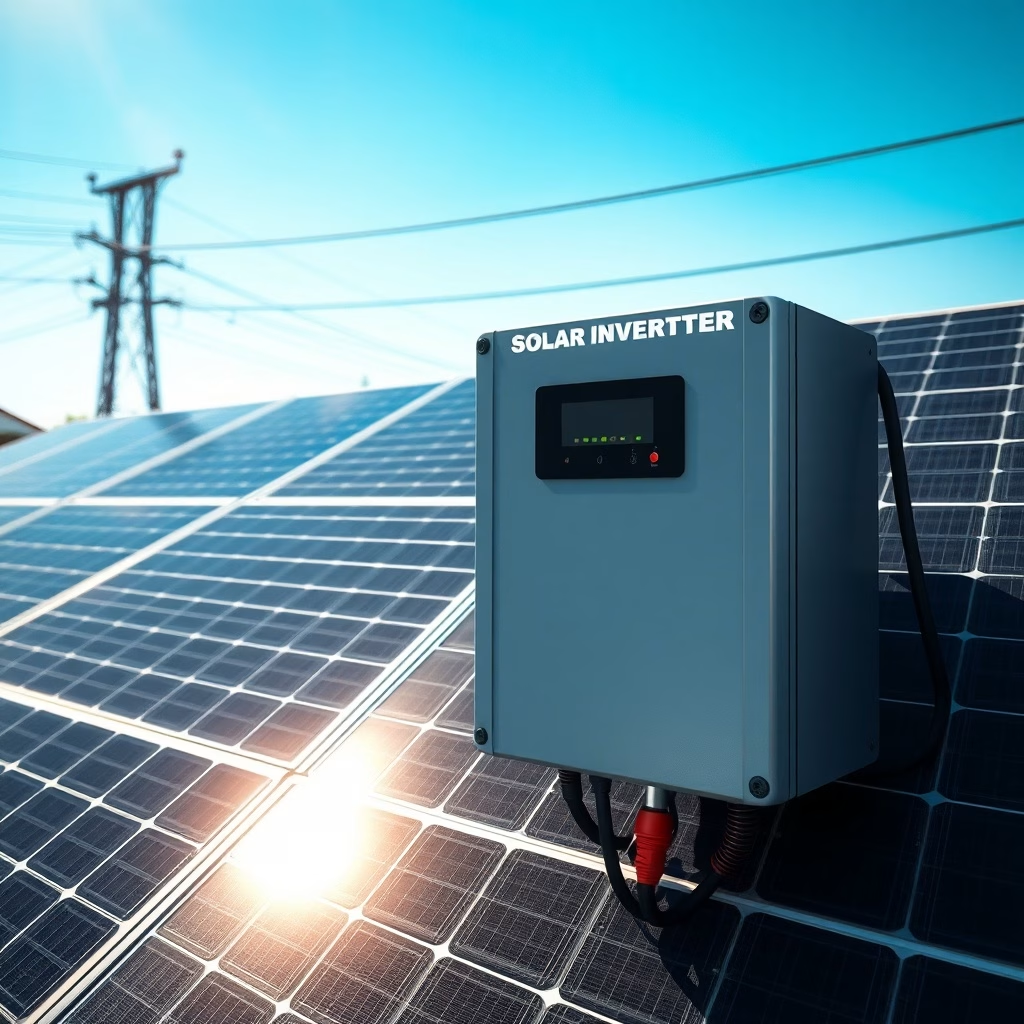
The sequence varies by country and grid operator but follows the same pattern. Timelines below are typical ranges, not guarantees.
| Stage | What happens | Typical duration | Main risk |
|---|---|---|---|
| 1. Site screening | Developer studies nearby lines, substation capacity and existing queue | Weeks | Choosing a site with no spare capacity |
| 2. Application and deposit | Formal request with site control, size, POI and a study deposit | Weeks to months | Missing readiness requirements and losing the queue slot |
| 3. Feasibility / cluster study | Operator models the plant with others in the same cluster | Months to over a year | Being grouped with speculative projects that later withdraw |
| 4. System impact study | Detailed power-flow, short-circuit and stability analysis; upgrades identified | Months to a year or more | Large upgrade costs assigned |
| 5. Facilities study | Engineering and cost estimate of the required upgrades | Months | Cost estimates rising from earlier stages |
| 6. Interconnection agreement | Binding contract covering costs, schedule and technical requirements | Months to negotiate | Security deposits and milestone deadlines |
| 7. Construction and commissioning | Substation, line and plant built; tests witnessed by the operator | One to two years | Utility-side work lagging plant-side work |
| 8. Energisation and commercial operation | Permission to operate; ramp-up tests; commercial operation date declared | Weeks | Last-minute protection or metering issues |
In the United States, federal reforms adopted in 2023 pushed grid operators toward cluster studies and “first-ready, first-served” rules, with higher deposits and stricter readiness tests to clear speculative projects out of the queue. The intent is shorter timelines for projects that are genuinely ready; the practical effect is that developers now need site control, a credible offtaker and money on the table much earlier. This interacts with the rest of the project schedule, as our utility-scale solar construction timeline explains.
The Hardware Between Inverters and Grid
Between the panels and the point of interconnection sits a chain of equipment that steps voltage up, protects the network and measures what is delivered.
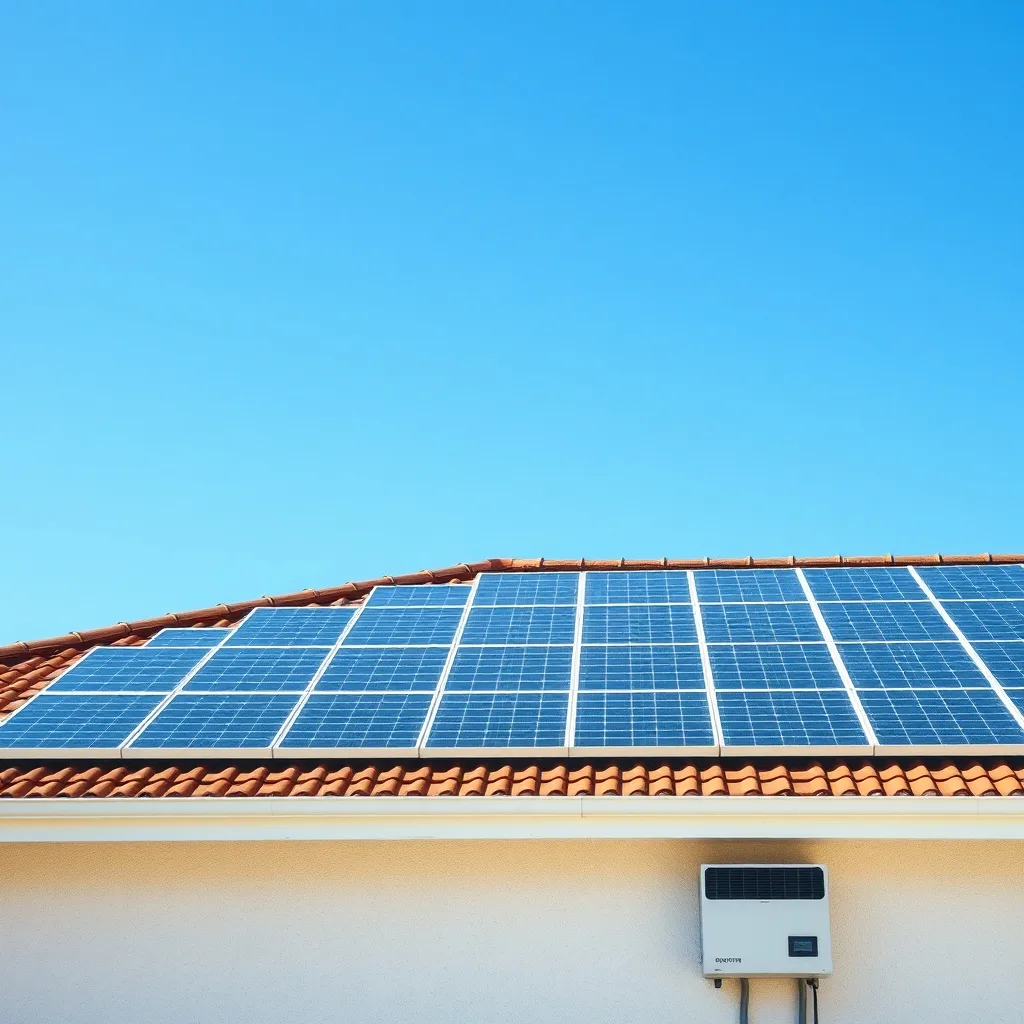
- Inverters. Central or string inverters convert DC to three-phase AC, usually at low voltage. Modern units also provide grid services on command.
- Medium-voltage transformers. Pad-mounted units near each inverter block step the output to distribution voltage, commonly in the tens of kilovolts.
- Collection system. Underground or overhead cables gather power from the inverter blocks to the plant substation.
- Plant substation. A main power transformer steps up to transmission voltage, with switchgear, breakers, surge arresters and protection relays.
- Interconnection line (gen-tie). The line from the plant substation to the utility’s substation or a tap on an existing line.
- Revenue metering and SCADA. Utility-grade meters at the POI and communications that let the operator see and, when required, control the plant.
- Reactive power equipment. Capacitor banks or static compensators where the inverters alone cannot meet voltage-support requirements.
Long lead times matter here. Large transformers and high-voltage breakers have had delivery times measured in years in recent procurement cycles, so experienced developers order them well before the interconnection agreement is final.
Studies, Upgrades and Who Pays
Interconnection costs fall into two groups: the plant’s own connection facilities, which the developer always pays, and network upgrades on the shared grid, whose allocation depends on the rules of the region.
| Cost item | Examples | Who typically pays |
|---|---|---|
| Study fees and deposits | Application fee, cluster study deposit, readiness deposits | Developer; partly refundable if the project proceeds |
| Interconnection facilities | Plant substation, gen-tie line, metering, communications | Developer |
| Network upgrades | New or upgraded utility substation bays, reconductored lines, transformer replacements | Developer up front in many regions; sometimes reimbursed through transmission credits; shared across a cluster |
| Affected-system upgrades | Fixes required on a neighbouring utility’s network | Developer; often the least predictable item |
| Ongoing charges | Transmission service, metering, operator fees | Plant owner over the operating life |
Upgrade costs are the reason interconnection dominates investment decisions. A project assigned a large share of a new transformer or a reconductoring job can become uneconomic overnight, and withdrawal by one project in a cluster can shift costs onto the rest. Investors treat a signed interconnection agreement with known costs as a precondition, as set out in our guide to solar farm investment.
Grid Codes: What the Plant Must Be Able to Do
A grid code is the technical rulebook a connected plant must obey. For solar it centres on inverter behaviour, and modern inverters handle most of it through settings agreed with the operator. The U.S. Department of Energy’s inverters and grid services basics explains how inverters provide these services.
- Ride-through. Staying connected through brief voltage dips and frequency swings rather than tripping and making the disturbance worse.
- Voltage and reactive power control. Absorbing or supplying reactive power to hold local voltage within limits, often to a setpoint sent by the operator.
- Frequency response. Reducing output when frequency is high and, if the plant is holding headroom, increasing it when frequency is low.
- Ramp-rate limits. Limiting how fast output changes so clouds do not cause voltage flicker on the network.
- Curtailment on command. Accepting dispatch instructions to cut output, with the plant’s SCADA proving it did.
- Protection coordination. Relays set so that a fault in the plant is cleared by the plant’s breaker, not by the utility’s.
Grid code compliance is tested during commissioning and can be re-tested after firmware changes. A plant that fails a test cannot be declared commercially operational, which is why inverter selection and settings are reviewed with the utility long before energisation.
Why Connections Stall, and Fixes
Connections stall for four repeatable reasons: crowded queues, late-assigned upgrade costs, equipment lead times, and utility-side construction lagging the plant. Developers manage them with a mix of early spending and contract design.
- Screen for capacity before buying land. Hosting-capacity maps and queue data show where spare capacity exists. A cheaper site with no headroom is the expensive option.
- Enter the queue ready. Site control, a credible offtake plan and deposits in hand avoid being pushed to the next cluster.
- Order long-lead equipment early. Main transformers and breakers should be on order before financial close.
- Negotiate COD windows. A power purchase agreement with a window rather than a fixed date survives a delayed utility substation; see utility-scale solar PPA agreements.
- Consider storage. A battery lets a plant accept a smaller interconnection limit and still sell the full output over more hours, sometimes avoiding an upgrade altogether.
The broader picture of building and operating large plants is collected in our utility-scale solar guides.
FAQ
How long does it take to connect a solar farm to the grid?
From application to energisation, commonly two to five years in congested regions, dominated by study queues and utility-side construction. Ready projects in uncongested areas move faster.
Who pays for grid upgrades for a solar farm?
The developer pays for its own connection facilities. Shared network upgrades are usually paid up front by the developer or cluster, with reimbursement rules that vary by region.
What is a point of interconnection?
The physical location where the plant’s output enters the utility’s network, at the voltage of that network, with revenue metering and protection at that point.
What is a cluster study?
An interconnection study that models a group of projects applying in the same window together, sharing upgrade costs among them instead of studying each project one at a time.
Can a solar farm be curtailed after it connects?
Yes. Grid operators can instruct plants to reduce output for congestion or stability reasons. Compensation depends on the interconnection agreement and the PPA.
Does adding a battery make grid connection easier?
Often. Storage lets the plant stay within a smaller export limit while still selling its energy over more hours, which can avoid or shrink required upgrades.
Related Posts


Leave a Comment
Your comment will be published after it has been approved. Please send comments that do not contain slang words.