
Hardware for Solar Arrays
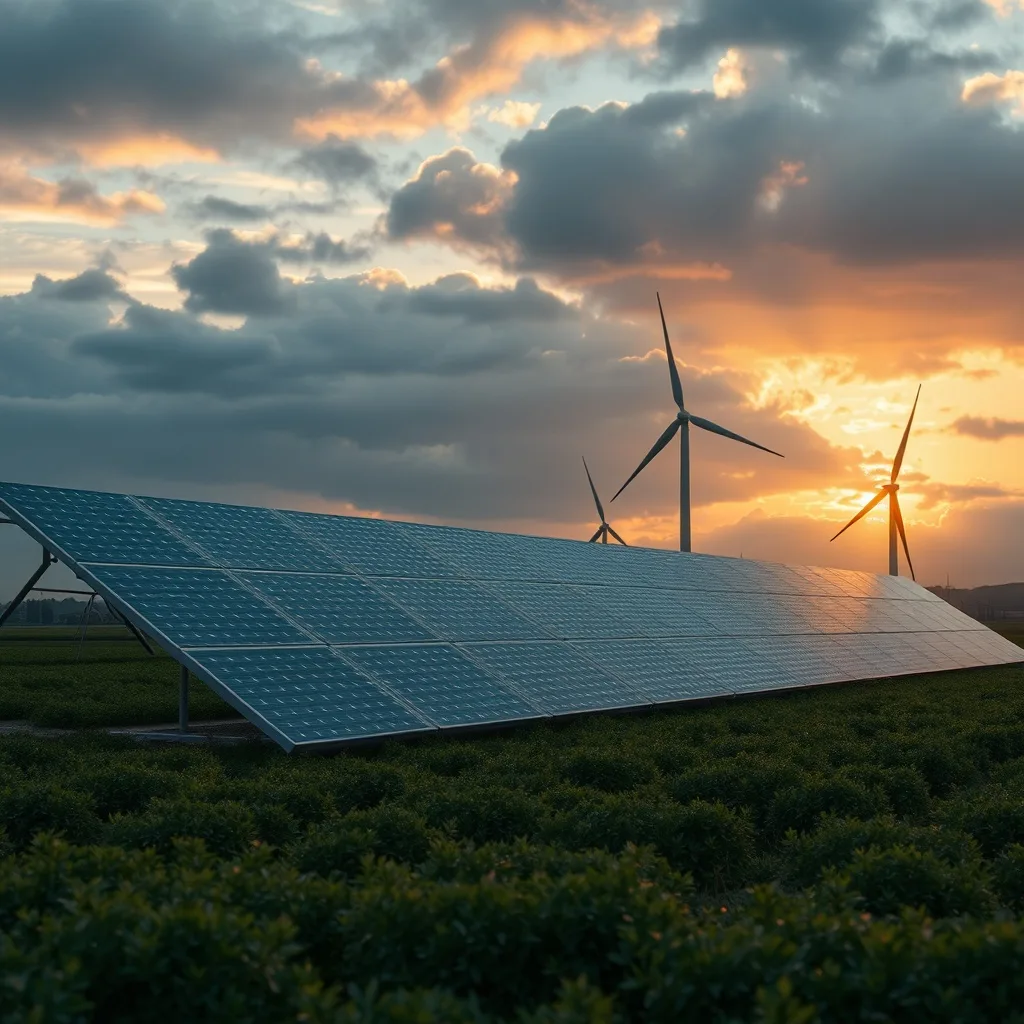
Racking and mounting hardware for a solar array does more engineering work than most people realize — it has to handle decades of weather stress while keeping panels precisely positioned.
Table of Contents
- Rail-Based Mounting Systems
- Roof-Mount vs Ground-Mount Hardware
- Hardware Types Compared
- Material Choices
- Frequently Asked Questions
Rail-Based Mounting Systems
Most residential and commercial arrays use aluminum rail systems running parallel across roof rafters or ground-mount posts, with panels clamped to the rails at standardized intervals. This modular approach allows flexibility in array size and layout while providing consistent structural support across the whole installation.
Roof-Mount vs Ground-Mount Hardware
Roof-mount hardware attaches through the roofing material to structural rafters, requiring careful flashing and sealing to prevent leaks. Ground-mount hardware uses driven or concrete-set posts, avoiding roof penetration entirely but requiring more site preparation and typically more total material for the support structure.
Hardware Types Compared
| Component | Function |
|---|---|
| Roof attachment/flashing | Secures to structure, prevents leaks |
| Rails | Horizontal support spanning attachment points |
| Clamps (end/mid) | Secure panels to rails |
| Grounding lugs/wire | Electrical safety grounding across the array |
Material Choices
Anodized aluminum dominates modern rail systems for its corrosion resistance and favorable strength-to-weight ratio. Stainless steel hardware (bolts, clamps) resists corrosion better than standard steel, particularly important in coastal or high-humidity environments where corrosion accelerates hardware degradation.
Frequently Asked Questions
What material is most solar mounting hardware made from?
Anodized aluminum for rails is standard, often paired with stainless steel fasteners for corrosion resistance.
Does roof-mount hardware really risk leaks?
Properly installed and flashed, leak risk is low — poor installation, not the hardware itself, is the real risk factor.
Is ground-mount hardware more expensive than roof-mount?
Generally yes, requiring more total material and site preparation for the support structure.
How often does mounting hardware need replacement?
Quality hardware typically lasts the system’s full lifespan; periodic inspection catches any early corrosion or loosening.
Does hardware quality affect panel performance?
Indirectly — poor hardware can lead to misalignment or shading issues over time, though it doesn’t directly affect cell efficiency.
For extreme-condition hardware specifically, see our heavy-duty mounting gear guide. For the tools used to install this hardware, see our solar installation tools guide.
Our top rated solar hardware guide works through the details.
Related Posts

Leave a Comment
Your comment will be published after it has been approved. Please send comments that do not contain slang words.