
Solar Panel Recycling Technology
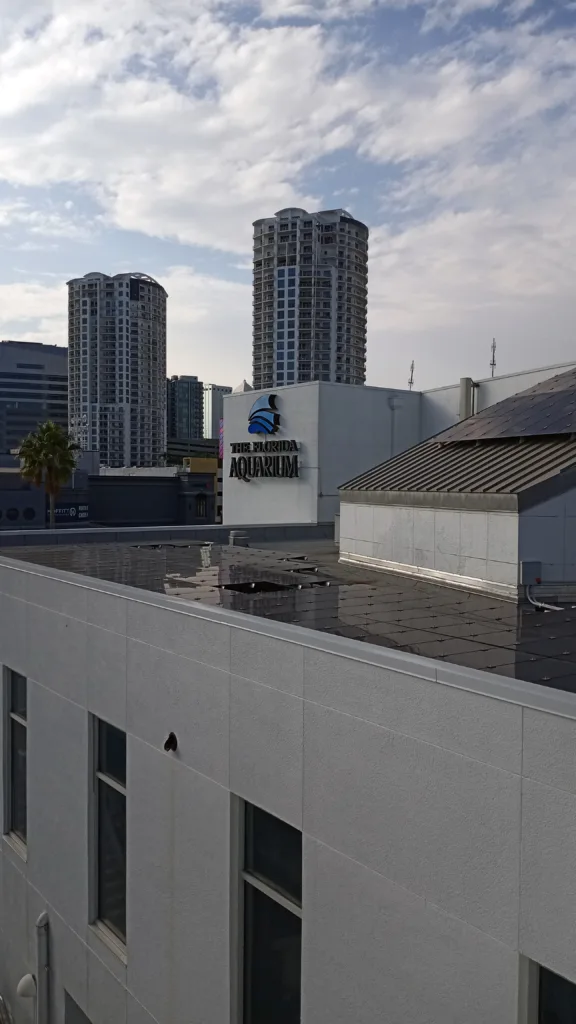
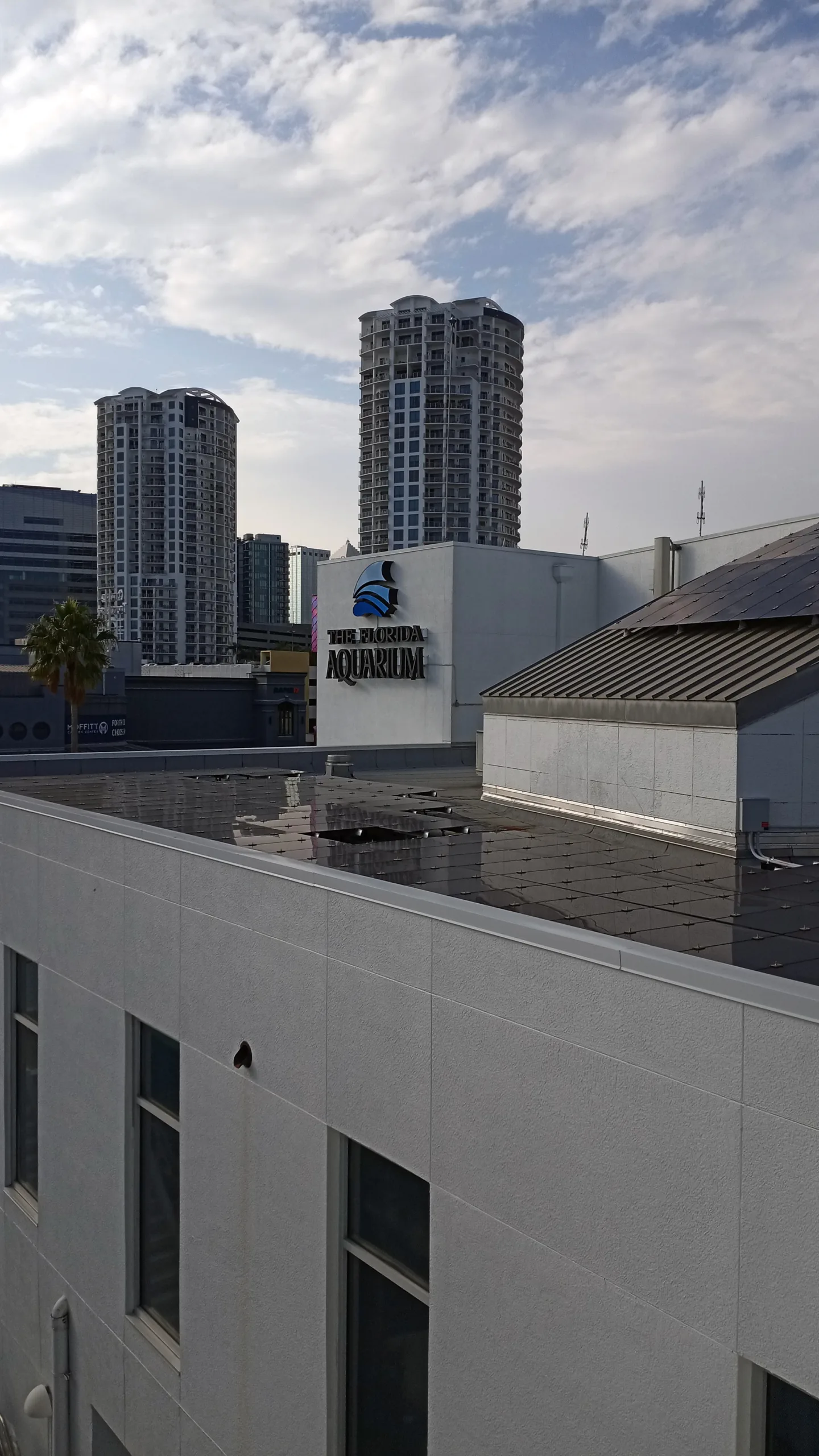
Solar panel recycling technology is a genuinely growing area as the first large wave of residential and utility installations from the 2000s-2010s approaches end of life, though infrastructure and processes remain uneven by region. Understanding what actually happens to a panel at end of life helps set realistic expectations for this part of solar’s lifecycle. That includes knowing what current recycling technology can and cannot recover.
This guide covers how panel recycling actually works, what materials can be recovered, current infrastructure limitations, manufacturer take-back programs, and what to expect as the industry matures.
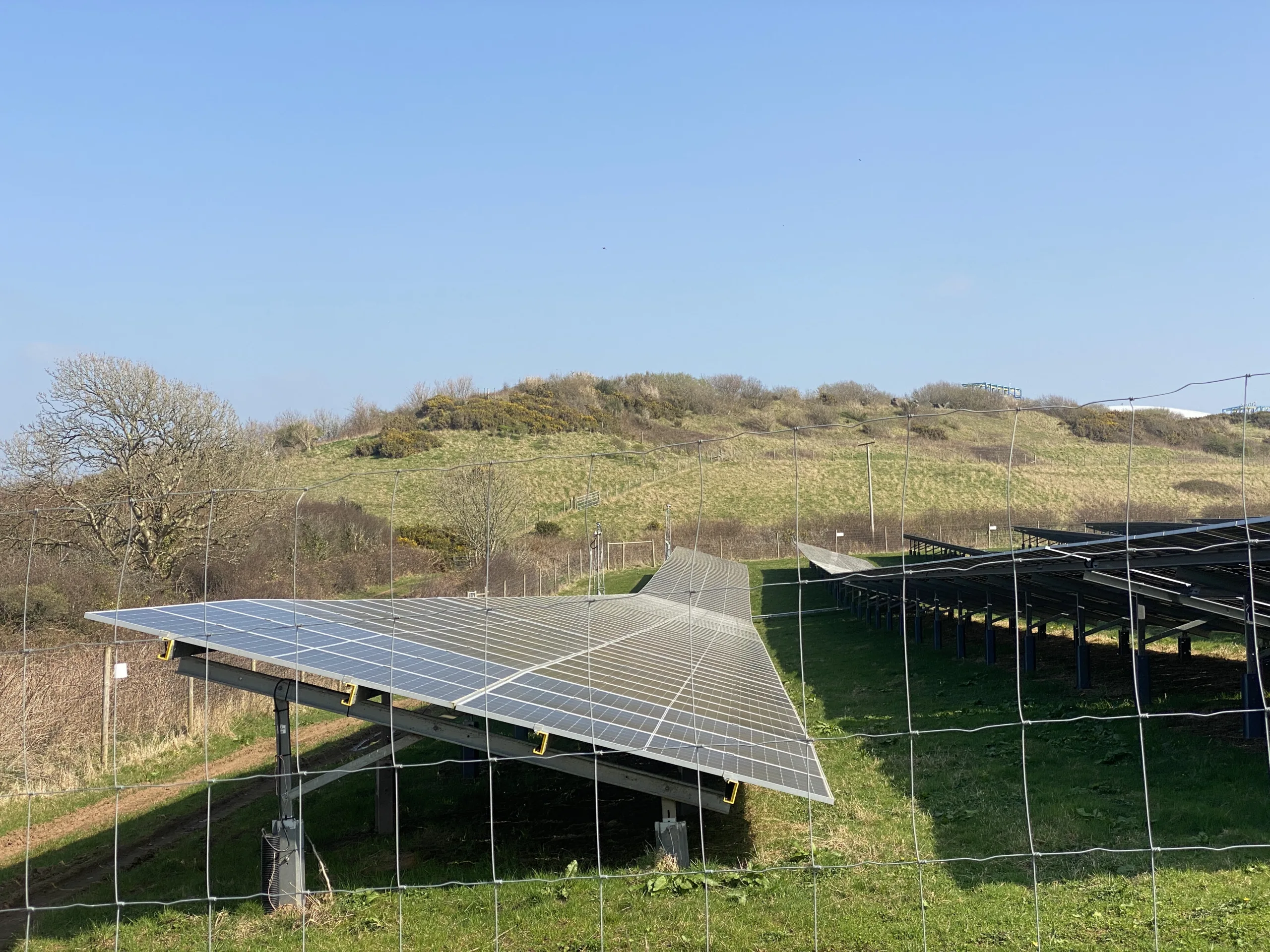
Table of Contents
- Why This Matters Now, Not Just Hypothetically
- How Solar Panel Recycling Actually Works
- What Materials Can Be Recovered
- Recovery Rates by Process Type
- The Current Infrastructure Gap
- Manufacturer Take-Back Programs
- The Regulatory Landscape
- Circular Economy and Material Reuse
- What Homeowners Can Do Today
- Common Mistakes and Misconceptions
- Frequently Asked Questions
Why This Matters Now, Not Just Hypothetically
Residential and utility solar installed during the 2000s and early 2010s boom is now reaching or approaching typical 25 to 30 year end-of-life expectations. Panel recycling volume is genuinely growing as a result. It is no longer a distant future concern. This is separate from the mid-life inverter replacement most systems need around year 10 to 15, and much smaller in near-term volume. Panel end-of-life recycling is a longer-horizon consideration. It is still real and approaching.
How Solar Panel Recycling Actually Works
Panel recycling generally involves several stages. The aluminum frame and junction box come off first, which is straightforward and recovers high-value materials easily. The glass layer, the largest component by weight, is separated next. Then the remaining cell, encapsulant, and backsheet layer is processed to recover silicon, silver, and copper. That last step is technically the most complex, and it is where recovery technology continues to improve. Different recycling processes (mechanical, thermal, chemical) offer different tradeoffs between recovery rate, cost, and material purity of what’s recovered.
What Materials Can Be Recovered
| Material | Approx. Share of Panel Weight | Recovery Difficulty |
|---|---|---|
| Glass | ~70% | Relatively straightforward, though often recovered as lower-grade glass rather than panel-grade |
| Aluminum frame | ~10% | Easy – high-value scrap aluminum, well-established recycling stream |
| Silicon cells | ~5% | More complex – current processes vary in how much high-purity silicon they recover |
| Copper wiring | ~1% | Easy – standard copper recycling |
| Silver (from cell contacts) | Trace but high value | Technically recoverable, economically significant given silver’s value despite small quantity |
Recovery Rates by Process Type
Basic mechanical recycling crushes and separates by material density. It typically recovers the glass and aluminum frame effectively. It recovers less of the silicon and precious metals in reusable form. More advanced thermal and chemical processes recover a higher percentage of total material value. That includes higher-purity silicon and better silver recovery. Processing cost is higher. This is an active area of process improvement, and both recovery rates and economics improve as the technology matures and processing volume grows.
The Current Infrastructure Gap
Despite growing technology capability, dedicated solar panel recycling infrastructure remains geographically uneven. Some regions have established specialized recycling facilities. Others rely on general electronics recycling streams that are less optimized for panel-specific material recovery. In some cases panels go to landfill, where dedicated recycling is not locally accessible. This infrastructure gap is a genuine current limitation, separate from the underlying technology’s capability. Being technically able to recycle a panel well is not the same as having a convenient, cost-effective local option. Many regions do not have one yet.
Manufacturer Take-Back Programs
A growing number of panel manufacturers now offer formal take-back or recycling programs. Some do it as part of a broader sustainability commitment. Others respond to emerging regulatory requirements in certain markets. The EU’s WEEE directive, for example, includes solar panels under extended producer responsibility rules. Availability and program terms vary considerably by manufacturer and region. Ask about a specific brand’s end-of-life program as one factor when comparing panel options. This matters most for a larger installation, where end-of-life volume will eventually be significant.
The Regulatory Landscape
Regulatory approaches to solar panel end-of-life vary significantly by region. The EU treats panels under electronic waste extended producer responsibility rules. That requires manufacturers to fund and provide recycling pathways. The US has a more fragmented state-by-state approach, with some states (California notably) classifying panels as hazardous waste requiring specific handling, while others have less specific regulation. This regulatory patchwork is part of why recycling infrastructure and manufacturer program availability varies so much by region – expect continued regulatory development as end-of-life volume grows.
Circular Economy and Material Reuse Beyond Recycling
Recycling is one part of a broader circular-economy approach to panel end-of-life. Panel reuse means repurposing a still-functional but degraded panel for a lower-demand application rather than recycling it immediately. Refurbishment means repairing or reconditioning panels for continued use. Both are complementary approaches that extend useful life before recycling becomes necessary. A panel removed early for reasons unrelated to failure, such as a roof replacement or system upgrade, may have significant remaining useful life. It is often a better candidate for reuse than immediate recycling. Ask your installer about reuse or donation options specifically if you are removing still-functional panels for a non-failure reason.
What Homeowners Can Do Today
For most homeowners with a currently functioning system, end-of-life planning is not an immediate action item. A few things are still worth doing proactively. Ask your installer or panel manufacturer directly about their take-back or recycling program when purchasing, rather than assuming one exists or does not. Keep documentation of your panel model and manufacturer for future reference. And if you ever remove still-functional panels early for roof work or a system upgrade, explore reuse and donation options before defaulting to recycling or disposal. None of this requires action today for a newly installed system, but knowing the options ahead of time means better decisions when the time eventually comes.
Common Mistakes and Misconceptions
- Assuming solar panels are simply thrown in a landfill everywhere – this varies significantly by region and applicable regulation, and dedicated recycling options are growing.
- Assuming “recyclable” means fully and economically recycled in every region – technical capability and accessible local infrastructure are two different things.
- Not asking about a manufacturer’s take-back program when comparing panel brands – increasingly a relevant factor, particularly for larger installations.
- Assuming end-of-life recycling is a near-term concern for a newly installed system – it’s a 25+ year horizon consideration for most residential buyers today, worth understanding but not an urgent decision factor.
Frequently Asked Questions
What happens to solar panels at the end of their life?
Increasingly, they go through a recycling process recovering glass, aluminum, copper, silicon, and silver in varying degrees depending on the process and regional infrastructure – though landfill disposal still occurs where dedicated recycling isn’t locally accessible or required by regulation.
Are solar panels considered hazardous waste?
Regulatory classification varies by region – some jurisdictions (California, for example) classify panels as hazardous waste requiring specific handling, while others don’t. Check your specific local/state regulation.
Can all the materials in a solar panel be recycled?
Technically most materials are recoverable to varying degrees (glass and aluminum most easily, silicon and silver more technically complex), though actual recovery rates depend on the specific process used and available regional infrastructure.
Do panel manufacturers have to take back old panels?
Varies by region – the EU requires this under extended producer responsibility (WEEE) rules. The US has no federal mandate, though some manufacturers offer voluntary take-back programs and some states have specific requirements.
Should I choose a panel brand based on its recycling program?
Worth factoring in as one consideration, particularly for a larger installation, though it’s a secondary factor compared to core performance, warranty, and cost for most buyers today given the 25+ year horizon before it becomes relevant.
Can a still-working solar panel be reused instead of recycled?
Yes, if removed early for reasons unrelated to failure (roof work, system upgrade) – reuse or donation for a lower-demand application can extend useful life before recycling becomes necessary. Ask your installer about these options.
Should I ask about recycling programs when buying new panels?
It’s a reasonable question to ask, particularly for a larger installation, even though it won’t be relevant for 25+ years – it’s a low-cost due-diligence question during a purchase decision you’re already making.
Conclusion
Solar panel recycling technology and infrastructure are genuinely improving as end-of-life volume grows. Regional infrastructure gaps and regulatory variation remain real current limitations. This is not yet a fully solved problem. See our clean energy technology trends guide for how this fits into the broader circular-economy trend in the industry.
Further reading: NREL – Photovoltaic End-of-Life Management and Wikipedia – Solar panel recycling.
End-of-life planning starts well before disposal; see solar panels after 25 years.
Related Posts


Leave a Comment
Your comment will be published after it has been approved. Please send comments that do not contain slang words.