
Solar Incentive Expiration Dates
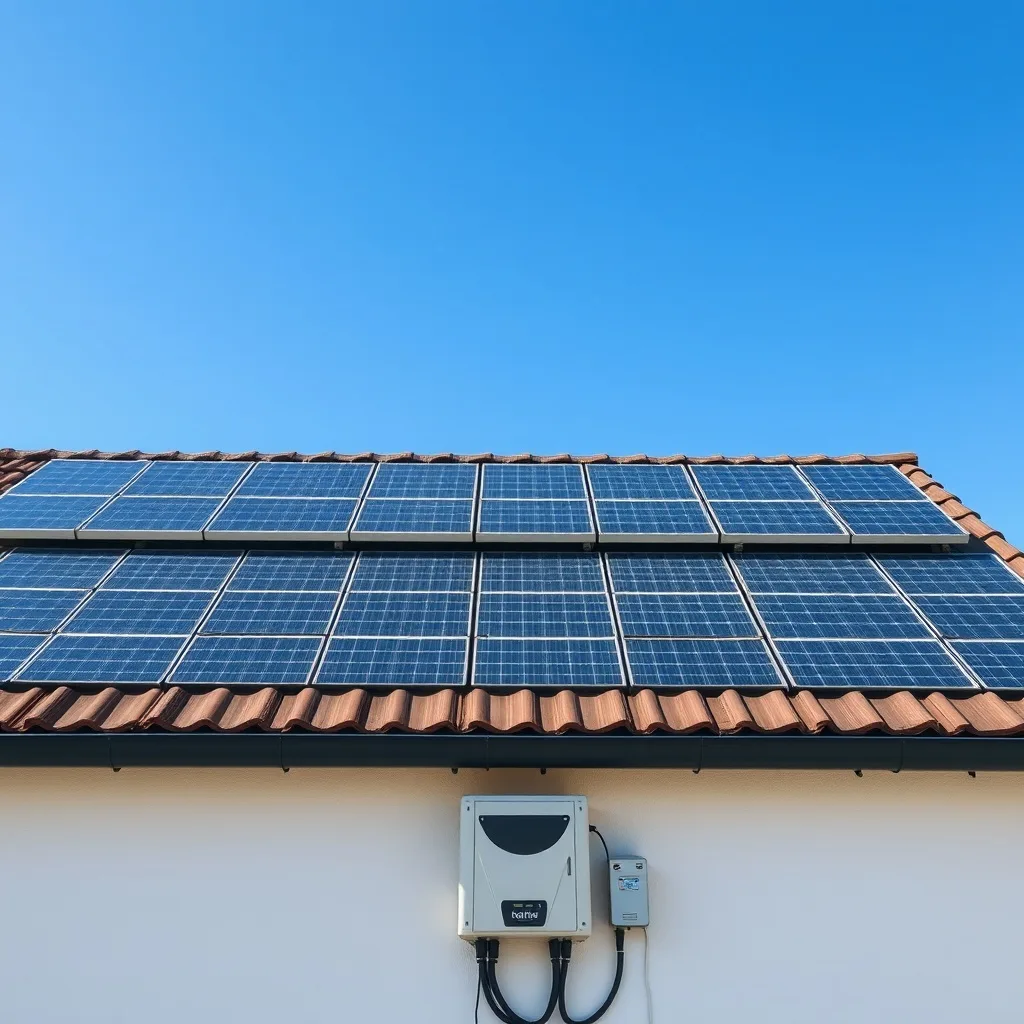
Solar incentive expiration dates changed sharply in 2025. The federal residential solar credit (Section 25D) now applies only to expenditures made by December 31, 2025. Business and utility-scale credits (Sections 48E and 45Y) survive longer but with new construction deadlines. State rebates, net metering rules and SREC programs each run on their own clocks. This guide lists the dates that matter, explains what “placed in service” and “expenditure” really mean, and shows how to plan a purchase around a deadline without being rushed into a bad deal.
Table of Contents
- Federal Deadlines at a Glance
- Residential Solar Credit (25D): What Ended and When
- Business and Utility Credits (48E / 45Y)
- Other Federal Credits That Changed
- State, Utility and Local Incentives
- How to Plan Around a Deadline
- FAQ
Federal Deadlines at a Glance
The table below summarises the federal picture after the July 4, 2025 budget law (the “One Big Beautiful Bill Act”). Always confirm the current text on the IRS site before you sign anything, because guidance is still being issued.
| Incentive | Who it is for | Value | Key deadline |
|---|---|---|---|
| Residential Clean Energy Credit (25D) | Homeowners who buy their system | 30% of cost | Not allowed for expenditures made after Dec. 31, 2025 |
| Energy Efficient Home Improvement Credit (25C) | Homeowners (insulation, heat pumps, windows, audits) | Up to 30%, with annual caps | Not allowed for property placed in service after Dec. 31, 2025 |
| Clean Electricity Investment Credit (48E) | Businesses, third-party-owned and utility-scale projects | 6% base, up to 30% with wage and apprenticeship rules, plus bonuses | Wind and solar must begin construction within 12 months of enactment (by July 4, 2026) or be placed in service by the end of 2027 |
| Clean Electricity Production Credit (45Y) | Same as 48E, paid per kWh instead of per dollar invested | Per-kWh rate, inflation adjusted | Same wind and solar construction / in-service deadlines as 48E |
| Clean vehicle credits (30D, 25E, 45W) | EV buyers and fleets | Up to 7,500 USD (new), 4,000 USD (used) | Not allowed for vehicles acquired after Sept. 30, 2025 |
The IRS page on the Residential Clean Energy Credit states plainly that the credit is not available for property placed in service after December 31, 2025. For the business-side credits, start with the IRS Clean Electricity Investment Credit page, which lists the base rate, the wage and apprenticeship multiplier and the domestic-content and energy-community bonuses.
Residential Solar Credit (25D): What Ended and When
The 30% residential credit applies to expenditures made through December 31, 2025. For a purchased rooftop system, the IRS treats the expenditure as made when the installation is completed, not when you sign or pay a deposit. A system signed in November 2025 but finished in January 2026 therefore misses the credit.
Three details trip people up:
- Batteries count, but only if installed with capacity of 3 kWh or more. A battery added to an existing system was eligible on its own under the same rule and the same deadline.
- The credit is non-refundable. It reduces the tax you owe. Unused amounts carried forward, but a homeowner with little tax liability never received the full 30%.
- Leases and PPAs never qualified for 25D. The system owner (the leasing company) claimed a business credit instead. That is why leased-system pricing did not fall by 30% and why lease terms are now being re-priced.
If your installation finished in 2025, you claim it on Form 5695 with your 2025 return. Keep the final invoice, the permission-to-operate letter from the utility and proof of payment. Those three documents establish the in-service date if the IRS asks.
Business and Utility Credits (48E / 45Y)
Commercial rooftops, community solar and solar farms use the technology-neutral credits 48E (investment) and 45Y (production). The 2025 law did not repeal them, but it ended them early for wind and solar specifically. A project must either begin construction within 12 months of the law’s enactment (by July 4, 2026) or be placed in service by December 31, 2027.

Two consequences follow:
- “Begin construction” became the most valuable phrase in the industry. Under Treasury practice it means either starting physical work of a significant nature or meeting a safe-harbour spending test. Developers are ordering transformers and modules early to lock in the date. Expect Treasury guidance on what still counts.
- Foreign-entity-of-concern rules tightened. Projects using restricted supply chains can lose eligibility even if the deadline is met. Ask any developer or lessor how they document module and cell origin.
The credit stack itself is unchanged for eligible projects: 6% base, times five (to 30%) with prevailing wage and apprenticeship compliance, plus 10 points for domestic content and 10 points for an energy community. Bonus depreciation rules interact with this; see our guide to commercial solar depreciation benefits for the timing.
Other Federal Credits That Changed
Homeowners planning a broader efficiency upgrade should note two more sunsets. The 25C credit for insulation, heat pumps, windows and home energy audits ended for property placed in service after December 31, 2025. The clean vehicle credits (30D new, 25E used, 45W commercial) ended for vehicles acquired after September 30, 2025.
What did not end: the USDA REAP grant for rural businesses and farms continues under its own appropriations, and many state programs are unaffected by federal law. Pairing solar with an efficiency upgrade still makes sense; the savings are real even without a credit. Our home energy audit guide explains which upgrades pay back fastest on their own.
State, Utility and Local Incentives
State and utility incentives expire on program budgets, capacity caps and legislative sessions rather than on a single national date. The common patterns are:
| Incentive type | Typical expiry trigger | What to check |
|---|---|---|
| State tax credit | Fixed sunset year written into the statute; some step down annually | Whether the credit is based on install date or tax year, and any per-project cap |
| Cash rebate (state or utility) | Program budget exhausted, often mid-year | Remaining budget and waiting-list position before signing |
| Net metering | Capacity cap reached or rule change (for example California’s move to net billing in April 2023) | Whether your interconnection application date locks your rate for 10 to 20 years |
| SREC / performance payments | Program closes to new systems or price collapses when supply exceeds the state target | Registration deadline and how many years of payments are guaranteed |
| Property and sales tax exemptions | Rarely expire; some require annual filing | Whether the exemption applies automatically or needs an application |
Net metering deadlines usually matter more than rebates. Locking in a legacy net metering tariff can be worth more over 20 years than a one-off rebate, because it sets the price you receive for every exported kWh. Our SREC explainer covers how performance-based payments are scheduled and why they fade.
How to Plan Around a Deadline
Plan for the in-service date, not the contract date. Permitting, utility approval and installer backlog routinely add two to four months, and more when a deadline drives demand. Work backwards:
- Confirm which date the rule uses. “Expenditure made”, “placed in service”, “acquired” and “begin construction” are all different tests. The table above shows which applies.
- Get the schedule in writing. Ask the installer for a target permission-to-operate date and what happens to price if it slips past the deadline.
- Do not overpay for urgency. A credit worth 30% does not justify a quote that is 30% above market. Compare at least three bids and run the numbers in our payback period calculator with and without the incentive.
- Check the incentive without the credit. With federal residential support gone, solar still pays in high-rate states with good sun and export rules. In low-rate states the payback is now longer; be honest about the number.
- Keep every document. Invoices, utility letters, inspection sign-offs and registration confirmations are what prove eligibility years later.
For the wider incentive landscape, including financing options that replace part of the lost credit, see the solar incentives and ROI topic guide.
FAQ
When did the federal solar tax credit expire for homeowners?
The 30% Residential Clean Energy Credit (25D) is not allowed for expenditures made after December 31, 2025. Installations completed in 2026 do not qualify.
Does signing a contract in 2025 lock in the credit?
No. For a purchased home system the expenditure is treated as made when installation is completed. The system had to be finished, not just contracted, by the end of 2025.
Are commercial solar credits also expiring?
They end early for wind and solar. Projects must begin construction within 12 months of the July 4, 2025 law or be placed in service by the end of 2027 to claim 48E or 45Y.
Do state solar incentives have the same deadline?
No. State credits, rebates, net metering and SREC programs each have their own sunset rules, budget caps and capacity limits. Check your state program directly.
Is solar still worth it without the federal credit?
Often yes in states with high electricity rates and favourable export rules. Payback is longer where rates are low. Run the numbers with and without incentives before deciding.
What documents prove my system met the deadline?
The final paid invoice, the utility’s permission-to-operate letter and the local inspection sign-off. Together they establish the placed-in-service date.
Related Posts



Leave a Comment
Your comment will be published after it has been approved. Please send comments that do not contain slang words.