
Solar Panel Cost in 2026: Real Prices After the Tax Credit
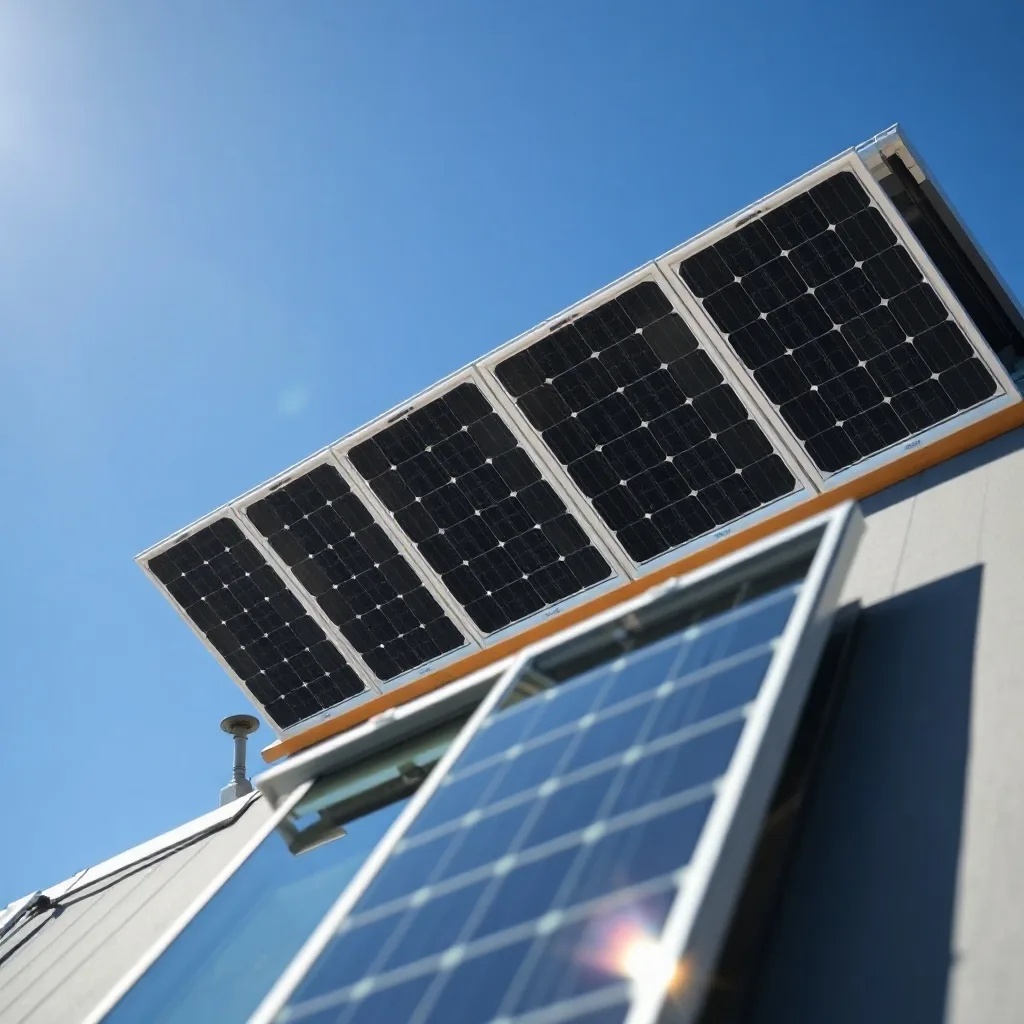
Solar panel cost in 2026 averages $2.58 per watt installed in the United States — roughly $15,500 for a 6 kW system and $26,000 for 10 kW before incentives. But the number that changes every 2026 buying decision is a policy one: the 30% federal residential tax credit expired on December 31, 2025, which means cash and loan buyers now pay sticker price unless state programs or lease structures fill the gap.
This guide breaks down real 2026 pricing by system size and state tier, what actually drives quotes apart, the post-tax-credit incentive landscape, and how to cut thousands off your project without cutting quality.
Key takeaways
- Average solar panel cost runs $2.35–$3.35 per watt installed in 2026 depending on state; the national midpoint is about $2.58/W.
- A typical 7–8 kW home system lands at $18,000–$22,000 before incentives; 10 kW runs $23,500–$33,500.
- The 30% federal credit is gone for 2026 purchases — state rebates, net-metering value and lease/PPA pass-through credits are now the savings levers.
- Hardware is only ~35% of what you pay: labor, permitting and sales overhead drive most of the spread between quotes.
- Three itemized quotes routinely differ by 20–30% for identical equipment — comparison shopping is worth more than any single discount.
Solar Panel Cost in 2026: The Real Numbers
| System size | Typical use case | Installed cost (2026, pre-incentive) | Cost per watt |
|---|---|---|---|
| 4 kW | Small home, low usage | $10,500–$14,500 | $2.60–$3.60 |
| 6 kW | Average home | $14,000–$20,000 | $2.35–$3.35 |
| 8 kW | Larger home / EV owner | $18,000–$22,000 | $2.25–$2.75 |
| 10 kW | Large home, high usage | $23,500–$33,500 | $2.35–$3.35 |
| 12 kW+ | Estate / all-electric + EVs | $27,000–$40,000 | $2.25–$3.30 |
Per-watt solar panel cost falls as systems grow because fixed costs — permits, design, crew mobilization — spread across more panels. That is also why quotes for very small systems look disproportionately expensive: you pay the same soft costs for half the hardware.
What Actually Drives Solar Panel Cost
The panels themselves are the cheap part. A realistic 2026 breakdown of where your money goes:
| Cost component | Share of total | What moves it |
|---|---|---|
| Panels | ~20–25% | Efficiency tier, brand; commodity pricing keeps falling |
| Inverter & electronics | ~10–15% | String vs micro vs hybrid architecture |
| Racking & wiring | ~10% | Roof type and complexity |
| Labor | ~20% | Local wages, roof pitch, stories |
| Permits & inspection | ~5–10% | Jurisdiction speed and fees |
| Sales & overhead | ~20–30% | The biggest quote-to-quote variable |
The inverter line deserves attention because it recurs: string inverters typically need one mid-life replacement, while microinverters carry 25-year warranties at higher upfront solar panel cost — the full math is in our solar inverter cost guide. Roof complexity is the other quiet multiplier: two stories, steep pitch, or tile roofing can add 10–20% to labor.
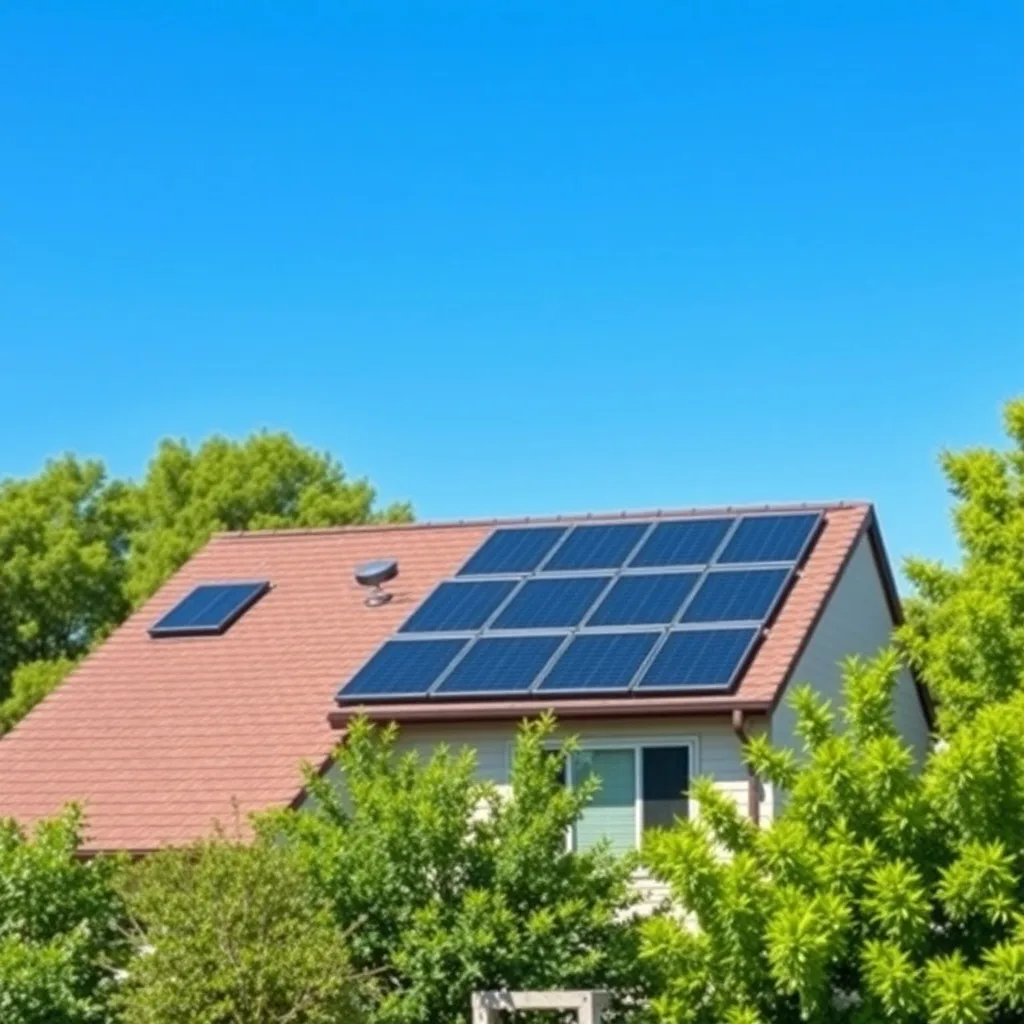
The 2026 Incentive Reality: After the Federal Credit
The Residential Clean Energy Credit (Section 25D) — the 30% federal rebate that anchored a decade of solar economics — expired December 31, 2025. For systems purchased with cash or a loan in 2026, there is no federal credit. What remains:
- State rebates and credits. Programs vary enormously — some states cover thousands, others nothing. Our state solar rebate comparison tracks what is live where.
- Net metering and export rates. The value of your surplus power now matters more than any rebate; full-retail net metering effectively shortens payback by years compared with avoided-cost rates.
- Lease and PPA structures. Third-party owners can still claim commercial credits and pass part through as lower rates — leases got relatively more attractive in 2026, though you trade away ownership economics.
- Property and sales tax exemptions. Most states still exempt solar from property-tax reassessment; many waive sales tax on equipment.
Practical effect on solar panel cost math: paybacks stretched from ~7–9 years to ~9–12 in average states. Solar still pencils where electricity is expensive; marginal cases now depend on state policy. The U.S. Department of Energy’s homeowner’s guide to going solar maintains the current federal picture, and EnergySage marketplace data tracks how quotes are adjusting.
Solar Panel Cost by State Tier
| Tier | Example states | Typical $/W (2026) | Why |
|---|---|---|---|
| Low-cost | AZ, NV, TX, FL | $2.25–$2.60 | High volume, easy permitting, low labor |
| Mid-range | NC, CO, OH, PA | $2.50–$2.90 | Moderate competition and wages |
| High-cost | CA, MA, NY, WA | $2.80–$3.35 | Labor, permitting friction, code extras |
Counterintuitively, high-cost states often deliver the best returns anyway — their electricity prices are higher too, so every generated kilowatt-hour is worth more. Judge solar panel cost against your utility rate, not against another state’s quote.

Seven Ways to Cut Solar Panel Cost Without Cutting Quality
- Get three itemized quotes. The 20–30% spread between installers on identical hardware dwarfs any coupon.
- Right-size from a year of bills. Oversizing beyond your usage buys panels whose output you may export at poor rates.
- Stay with tier-one but not luxury panels. The efficiency premium above mainstream tier-one rarely pays back on an unshaded roof.
- Time the install for the off-season. Winter and early-spring scheduling routinely brings pricing flexibility.
- Bundle battery or EV charger installs. Shared labor and permitting shave 10–20% versus separate projects — sizing guidance in our home battery storage guide.
- Ask for the cash price. Solar loans often embed dealer fees of 15–30% into the quoted system price; the cash figure reveals them.
- Check the electrical panel first. Discovering a needed $2,000–$4,000 panel upgrade mid-project costs more than planning it upfront.
Frequently Asked Questions
How much do solar panels cost for a 2,000 square foot house?
House size matters less than electricity usage, but a typical 2,000 sq ft home uses 6–8 kW of solar — roughly $15,000–$22,000 installed in 2026 before state incentives.
Is solar still worth it without the federal tax credit?
In high-rate states, clearly yes — paybacks of 8–11 years against 25+ year equipment life. In cheap-electricity states the math tightened; run the numbers with your actual utility rate and state programs rather than 2025-era assumptions.
Why do solar quotes vary so much for the same panels?
Sales overhead and dealer fees. Hardware is commoditized; the difference between a $2.40/W and a $3.20/W quote is mostly acquisition cost and margin, which is why itemized quotes and comparison shopping move solar panel cost more than equipment choices do.
Do solar panels raise home value?
Owned systems consistently add resale value — studies place it around 4% on average — while leased systems can complicate sales. Buyers pay for lower utility bills they can verify.
What does solar panel cost include — and what sneaks in later?
A complete quote covers panels, inverter, racking, wiring, labor, permits and interconnection. The common later surprises: main panel upgrades, trenching for detached garages, and monitoring subscriptions. Ask for each in writing before signing.
The Bottom Line
Solar panel cost in 2026 is a tale of two forces: hardware keeps getting cheaper, while the expired federal credit raised the net price of ownership. The winning playbook adapts — shop three itemized quotes, weight your state’s programs and net-metering rules heavily, size to real usage, and treat the electrical panel and inverter as first-class decisions rather than line items. Homeowners who do those four things in 2026 still routinely beat the returns most investments offer — they just earn it with sharper shopping than the tax credit era required.
Rules on what a homeowners association may restrict vary by state. Our rooftop solar HOA rules guide covers the approval process.
To work out the system size for your own bill, use our calculator in how many solar panels you need.
Price is one input; the full financial picture is in all our cost and incentive guides.
Related Posts


Leave a Comment
Your comment will be published after it has been approved. Please send comments that do not contain slang words.