
Utility Scale Solar Permitting Process
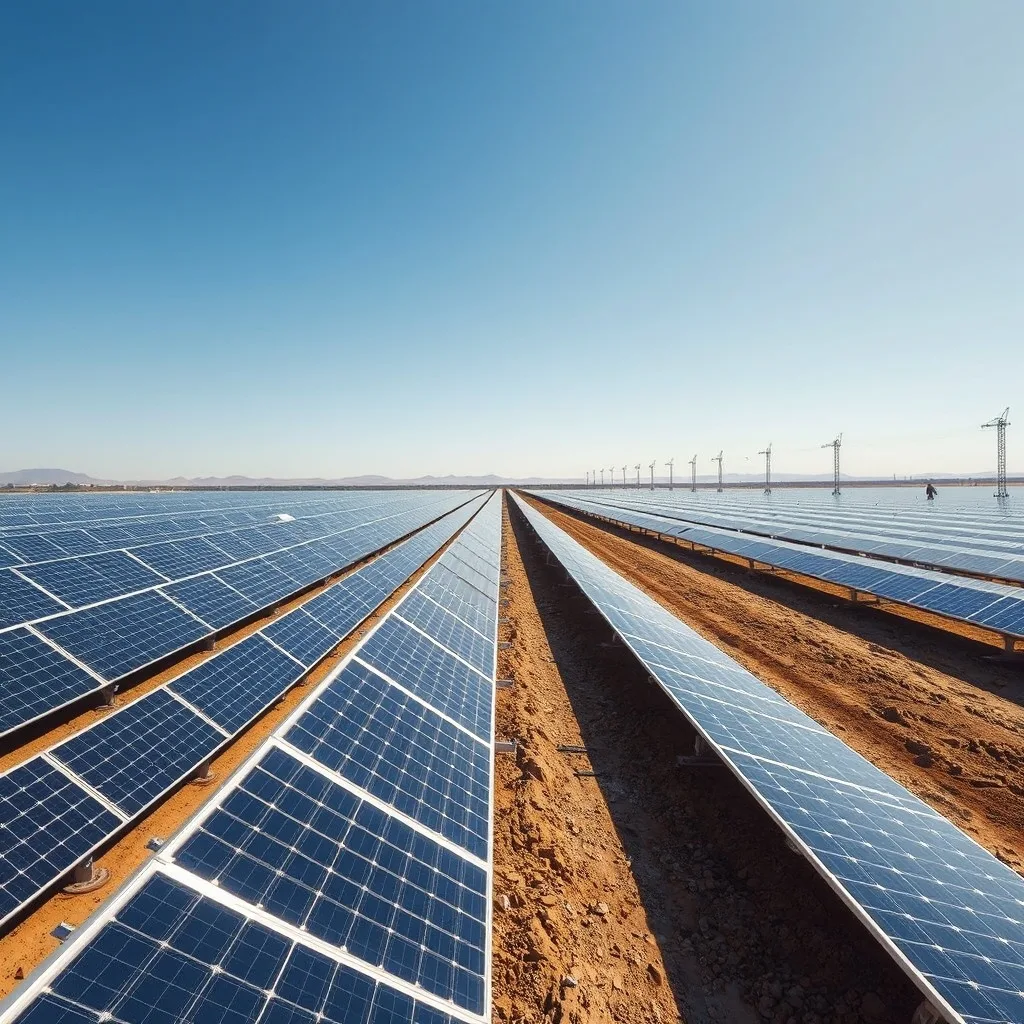
Permitting is one of the most variable and often underestimated phases of utility-scale solar development — requirements differ significantly by jurisdiction and project size.
Table of Contents
- Types of Permits Required
- Common Permits at a Glance
- Environmental Review
- Local vs State-Level Authority
- Frequently Asked Questions
Types of Permits Required
A typical project needs local land use/zoning approval, a building/construction permit, environmental permits (varying significantly by site conditions like wetlands or protected species), and sometimes a specific state-level siting approval for larger projects that exceed certain capacity thresholds.
Common Permits at a Glance
| Permit Type | Issuing Authority |
|---|---|
| Land use/zoning approval | Local county/municipal government |
| Building/construction permit | Local building department |
| Environmental permits | Varies — federal/state agencies depending on site conditions |
| State siting approval | State energy/utility commission, for larger projects |
Environmental Review
Environmental review scope depends heavily on specific site conditions — presence of wetlands, protected species habitat, or cultural/historical sites can all trigger additional study requirements. Projects on already-disturbed land (former agricultural or industrial sites) generally face a lighter environmental review burden than greenfield sites.
Local vs State-Level Authority
Some states have moved toward centralized state-level siting authority for larger renewable projects specifically to reduce the unpredictability of purely local approval processes, which can vary enormously county to county. Where this applies, it can meaningfully streamline permitting compared to navigating multiple separate local jurisdictions.
Frequently Asked Questions
How long does utility-scale solar permitting typically take?
Anywhere from 6 months to 2+ years, depending heavily on jurisdiction and site-specific environmental review needs.
Does every project need environmental review?
Some level yes, though scope varies enormously based on specific site conditions like wetlands or protected species.
Can permitting be denied after significant investment?
Yes, this is a real project risk, which is why developers often invest heavily in early site screening to reduce this risk.
Do all states handle solar permitting the same way?
No, some centralize authority at the state level for large projects, while others leave it primarily to local jurisdictions.
Does previously-used land face less permitting scrutiny?
Generally yes — brownfield or former agricultural sites typically face lighter environmental review than undisturbed greenfield land.
For the full development sequence this fits into, see our solar farm development guide. For community-related permitting friction, see our utility-scale solar challenges guide.
Related Posts
Leave a Comment
Your comment will be published after it has been approved. Please send comments that do not contain slang words.