
Utility scale solar vs wind
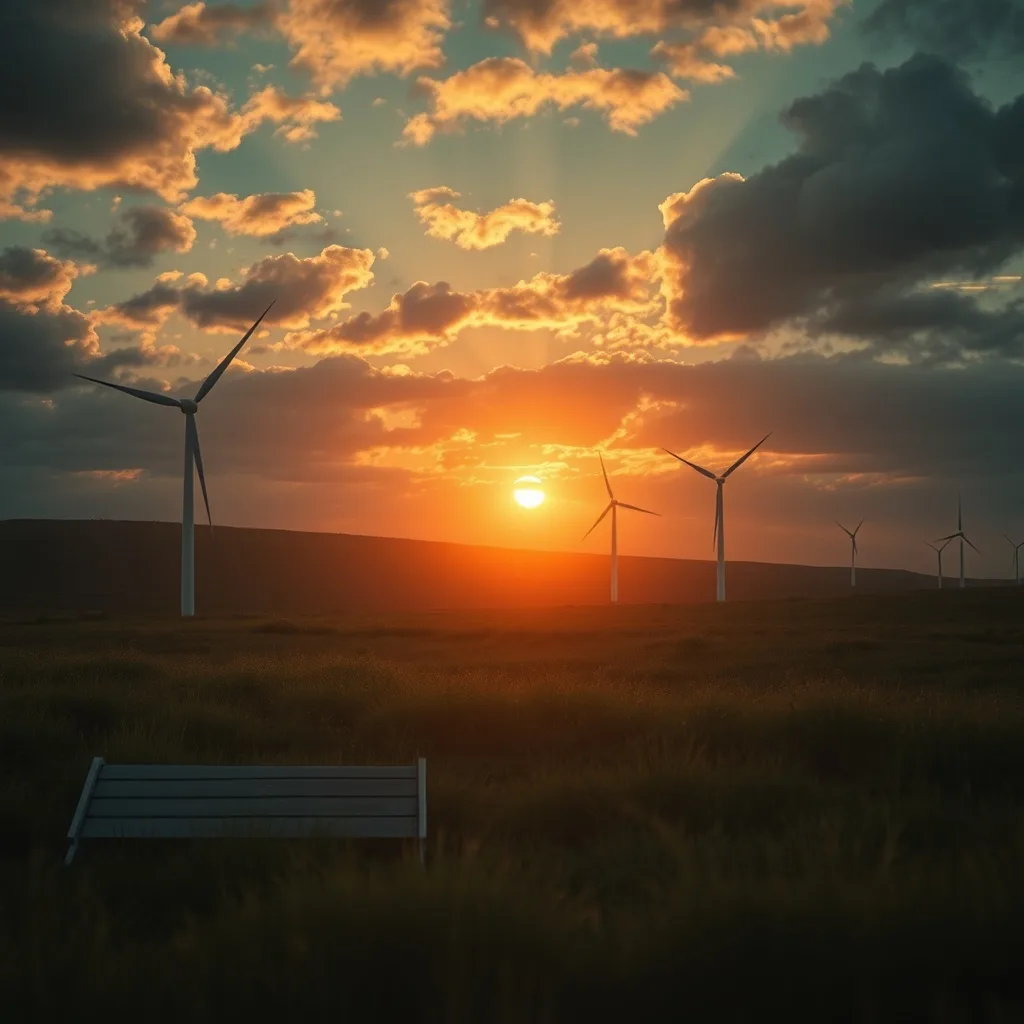
Renewable energy sources are becoming increasingly important as the world seeks to reduce its carbon footprint and combat climate change. In this article, we will compare two popular forms of renewable energy: utility-scale solar and wind power.
Technology Overview
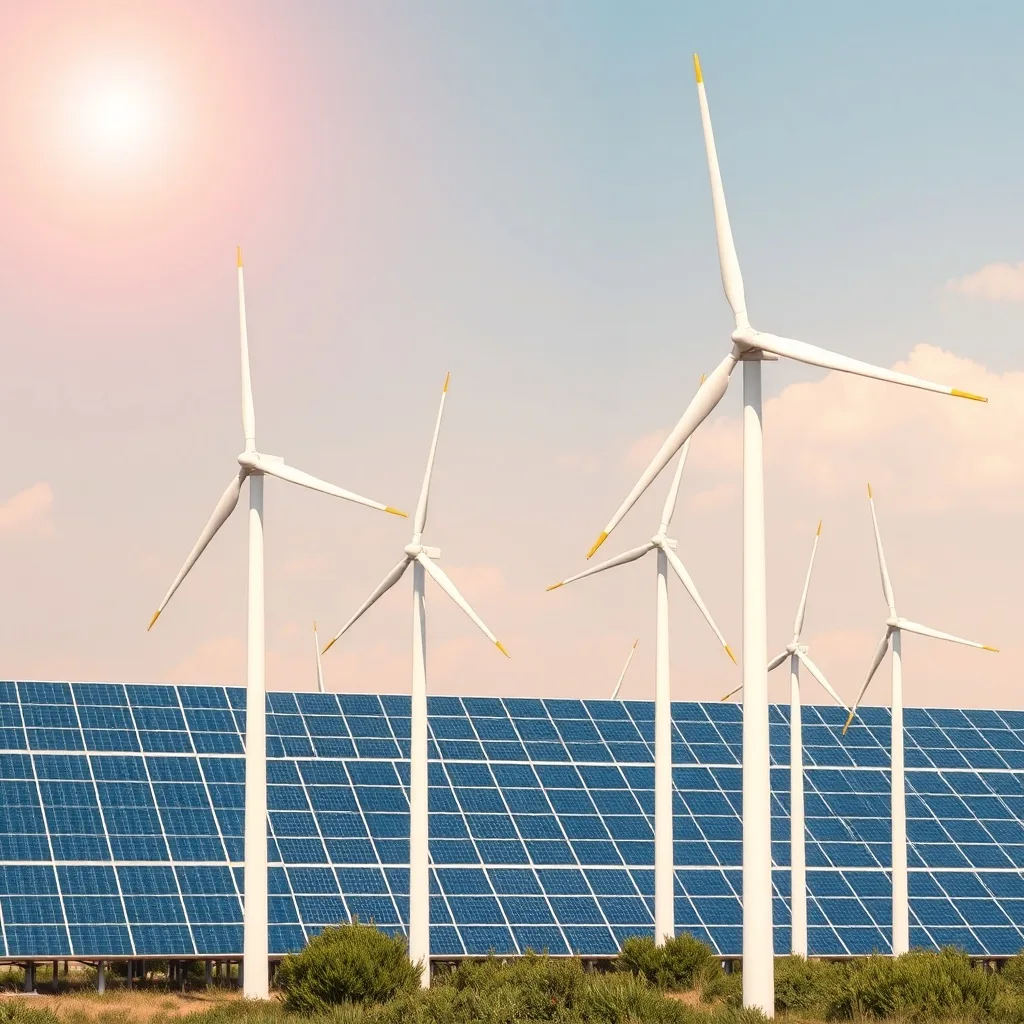
Solar energy is harnessed using photovoltaic technology, which converts sunlight into electricity. Utility-scale solar installations involve large arrays of solar panels that can generate significant amounts of power. Wind power, on the other hand, uses turbines to convert the kinetic energy of the wind into electricity. Both technologies have seen significant advancements in recent years, making them more efficient and cost-effective.
Market and Industry Context
The renewable energy industry is experiencing rapid growth as governments and businesses around the world commit to decarbonization. Utility-scale solar and wind projects play a crucial role in this transition, providing clean energy to the grid on a large scale. Investors are increasingly turning to renewable energy infrastructure as a stable and sustainable investment option.
- Solar and wind projects are key components of the energy transition
- Investment in renewable energy infrastructure is on the rise
- The shift towards clean energy is driving market growth
Technical Explanation
Utility-scale solar installations require inverters to convert the DC electricity generated by the solar panels into AC electricity that can be fed into the grid. Grid integration is a key consideration for both solar and wind projects, as the intermittent nature of these energy sources can pose challenges for grid stability. Energy storage technologies are being developed to address these challenges and ensure a reliable energy supply.
- Inverter technology is essential for solar power plants
- Grid integration is a key consideration for renewable energy projects
- Energy storage solutions are becoming increasingly important
Regional GEO Analysis
The adoption of utility-scale solar and wind projects varies by region. The USA, Europe, China, the Middle East, and India are all investing heavily in renewable energy infrastructure. Each region faces unique challenges and opportunities in the transition to clean energy, with government policies and market dynamics shaping the development of solar and wind projects.
- The USA has seen significant growth in utility-scale solar installations
- Europe is leading the way in wind power capacity
- China is investing heavily in renewable energy projects
Investor and Commercial Perspective
From an investor standpoint, utility-scale solar and wind projects offer long-term returns and a hedge against volatile fossil fuel prices. Commercial entities are increasingly turning to renewable energy sources to power their operations and reduce their carbon footprint. The falling costs of solar and wind power make them attractive options for businesses looking to cut their energy expenses.
- Renewable energy projects offer long-term returns for investors
- Businesses are turning to clean energy to reduce costs and emissions
- Falling costs make solar and wind power competitive with traditional energy sources
Installation or Deployment Challenges
Deploying utility-scale solar and wind projects comes with its own set of challenges. Site selection, permitting, and interconnection with the grid can be complex processes that require careful planning and coordination. Weather conditions and environmental impact assessments also play a role in the development of solar and wind projects.
- Site selection is a critical factor in the success of renewable energy projects
- Permitting and interconnection can be lengthy and complex processes
- Environmental considerations are important in the development of solar and wind projects
Future Predictions
The future of utility-scale solar and wind looks promising, with continued advancements in technology driving down costs and increasing efficiency. As the world transitions to a low-carbon economy, solar and wind power will play an increasingly important role in meeting energy demand and reducing greenhouse gas emissions.
- Advancements in technology will drive down costs and increase efficiency
- Solar and wind power will play a crucial role in the transition to a low-carbon economy
- The renewable energy industry is poised for continued growth in the coming years
Detailed Comparison Table
| Category | Details | Impact |
| Solar Energy | Generated from sunlight using photovoltaic technology | Provides clean electricity with minimal environmental impact |
| Wind Power | Generated from the kinetic energy of the wind using turbines | Contributes to grid stability and reduces reliance on fossil fuels |
Related reading
Learn more about the benefits of solar energy.
Discover how wind power is shaping the future of renewable energy.
Explore the latest advancements in utility-scale solar installations.
Sources
For more information on renewable energy trends and analysis, visit NREL.
Explore the latest reports on clean energy technologies at IEA.
Frequently Asked Questions
How do utility-scale solar installations work?
Utility-scale solar installations use photovoltaic technology to convert sunlight into electricity on a large scale.
What are the advantages of wind power?
Wind power is a clean and renewable energy source that can help reduce greenhouse gas emissions and dependence on fossil fuels.
Are solar and wind projects cost-effective?
Advancements in technology have driven down the costs of solar and wind power, making them increasingly competitive with traditional energy sources.
What role do government policies play in the renewable energy industry?
Government policies and incentives can drive investment in renewable energy infrastructure and accelerate the transition to clean energy.
How can businesses benefit from investing in solar and wind projects?
Businesses can reduce their energy expenses, demonstrate their commitment to sustainability, and hedge against future energy price volatility by investing in solar and wind projects.
Outlook
As the world continues to prioritize sustainability and combat climate change, utility-scale solar and wind projects will play a crucial role in meeting energy demand and reducing carbon emissions. The renewable energy industry is poised for continued growth and innovation, driving the transition to a cleaner and more sustainable energy future.
Related Posts
Leave a Comment
Your comment will be published after it has been approved. Please send comments that do not contain slang words.