
Off-grid solar vs generator
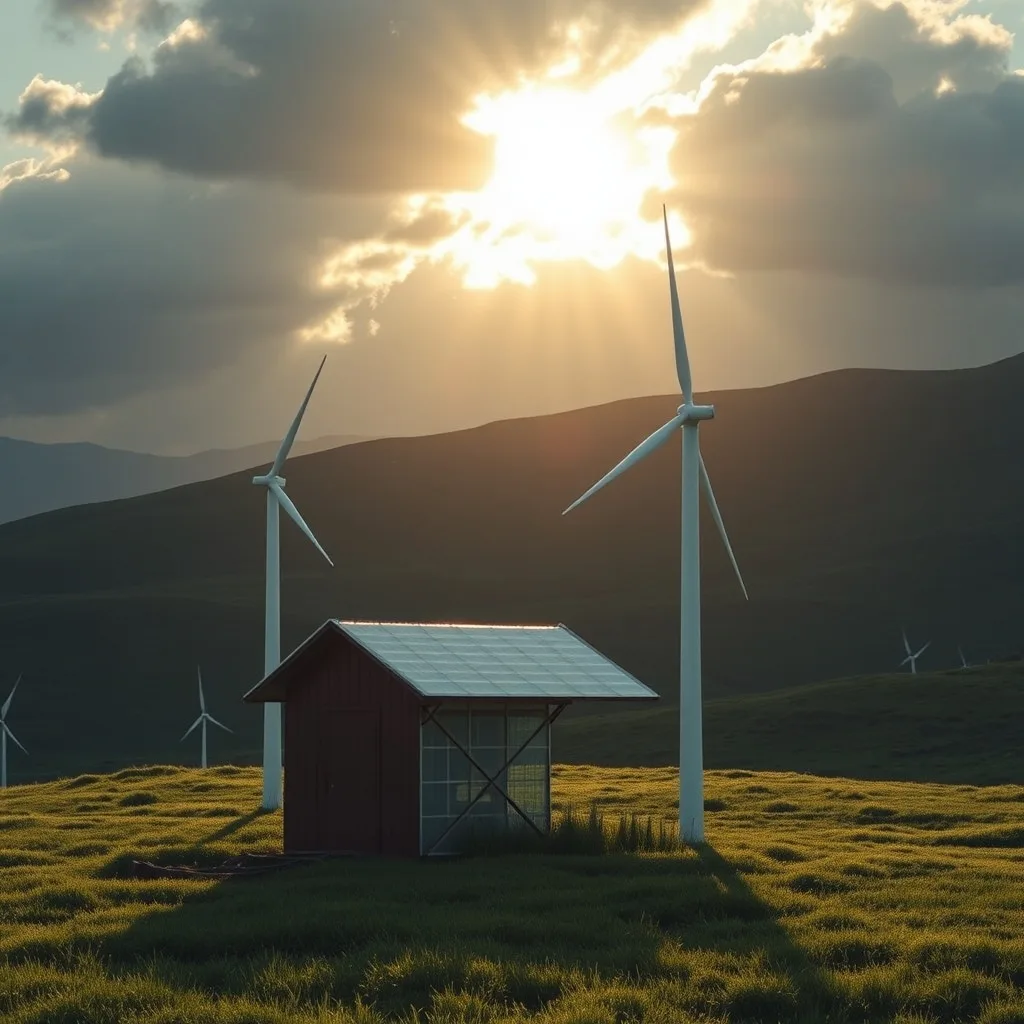
Off-grid solar power systems and generators are two common choices for providing electricity in remote locations or areas with unreliable grid power. Understanding the differences between these options is crucial for making informed decisions when it comes to energy independence. In this comprehensive guide, we will compare off-grid solar systems with generators, exploring their advantages, limitations, and practical considerations.
Technology Overview
Off-grid solar systems harness the power of the sun to generate electricity through photovoltaic panels. These systems typically include solar panels, inverters, charge controllers, batteries for energy storage, and backup generators for extended periods of low sunlight. Generators, on the other hand, use combustion engines powered by diesel, gasoline, or propane to produce electricity. They require fuel to operate and are often used as a backup power source.
Off-grid solar systems are more sustainable and environmentally friendly than generators since they rely on renewable energy sources. They produce electricity silently and do not emit harmful greenhouse gases or noise pollution. Generators, while reliable during power outages, are noisy and produce emissions that contribute to air pollution and climate change.
Supporting Subheading
When choosing between off-grid solar systems and generators, several factors need to be considered:
- Energy efficiency and sustainability
- Initial cost and long-term savings
- Reliability and maintenance requirements
Market and Industry Context
The off-grid solar market has been experiencing significant growth in recent years, driven by falling solar panel prices, advancements in energy storage technology, and increasing demand for clean energy solutions. In contrast, the generator market remains steady, primarily serving as a backup power source for residential, commercial, and industrial applications.
Investors and businesses are increasingly turning to off-grid solar solutions due to their long-term cost savings, environmental benefits, and energy independence. Utility-scale solar projects and community microgrids are also gaining traction, providing reliable electricity to remote areas and reducing dependence on centralized power grids.
Technical Explanation
Off-grid solar systems operate by converting sunlight into electricity through photovoltaic panels. The generated electricity is then stored in batteries for later use or fed back into the grid. In contrast, generators produce electricity by burning fuel, which powers the engine to generate electrical energy. Generators require a constant fuel supply to operate and must be refueled regularly.
- Off-grid solar systems: Harness solar energy, silent operation, low maintenance, no fuel costs.
- Generators: Fuel-powered, noisy operation, regular maintenance, fuel costs.
Regional GEO Analysis
The adoption of off-grid solar solutions varies by region, with different countries implementing policies to promote renewable energy technologies. In the USA, state incentives and federal tax credits drive the installation of residential solar systems. In Europe, countries like Germany and Spain lead the way in solar energy production, while China dominates the global solar panel manufacturing industry.
The Middle East and India are investing heavily in utility-scale solar projects to meet growing energy demands and reduce reliance on fossil fuels. These regions benefit from abundant sunlight and vast desert areas ideal for solar power generation. The shift towards renewable energy sources is reshaping the global energy landscape, with solar technology playing a crucial role in decarbonization efforts.
Investor and Commercial Perspective
Investors looking to capitalize on the growing renewable energy market are increasingly turning to off-grid solar projects as viable investment opportunities. The scalability and modularity of solar systems make them attractive for commercial applications, offering businesses a reliable and cost-effective way to meet their energy needs.
Utility companies are also exploring off-grid solar solutions to diversify their energy portfolios and enhance grid resilience. By incorporating solar power into their existing infrastructure, utilities can reduce peak demand, lower operational costs, and improve energy efficiency.
Installation or Deployment Challenges
While off-grid solar systems offer numerous benefits, they also present challenges in terms of installation and deployment. Site evaluation, system design, and component selection are critical factors that can impact the performance and efficiency of a solar power system. Ensuring proper maintenance and monitoring is essential to maximize the lifespan and output of the system.
Generators, on the other hand, require regular refueling, maintenance, and testing to ensure they function correctly during power outages. Fuel supply logistics, noise pollution, and emissions are additional considerations when deploying generator systems in residential or commercial settings.
Future Predictions
The future of off-grid solar technology looks promising, with advancements in battery storage, smart grid integration, and energy management systems driving innovation in the industry. As solar panel efficiency improves and costs continue to decline, off-grid solar systems will become more accessible and widespread, offering a sustainable solution for communities worldwide.
- Increased adoption of utility-scale solar projects
- Integration of energy storage technologies
- Transition towards smart energy systems
Detailed Comparison Table
| Category | Off-grid Solar | Generators |
| Energy Source | Solar power | Fuel combustion |
| Environmental Impact | Low emissions, silent operation | High emissions, noisy operation |
| Cost | Initial investment, low operating costs | Lower initial cost, ongoing fuel expenses |
| Reliability | Dependent on sunlight, battery storage | Dependent on fuel supply |
| Maintenance | Minimal maintenance, periodic cleaning | Regular maintenance, fuel refilling |
Related reading
For more information on solar energy technology, battery storage solutions, and sustainable energy practices, explore the following resources:
- Solar Energy Innovations
- Advancements in Battery Storage
- Sustainable Energy Practices for Businesses
Sources
For authoritative insights and research on renewable energy and clean technology, refer to the following trusted sources:
Frequently Asked Questions
How do off-grid solar systems work?
Off-grid solar systems convert sunlight into electricity using photovoltaic panels, store excess energy in batteries, and can include backup generators for extended periods of low sunlight.
What are the advantages of generators over solar systems?
Generators offer immediate power supply during outages, require no sunlight, and can provide high power output for heavy-duty applications.
Are off-grid solar systems suitable for all regions?
Off-grid solar systems are best suited for regions with ample sunlight and limited access to grid power. They can be customized to meet specific energy needs and environmental conditions.
How can businesses benefit from off-grid solar solutions?
Businesses can reduce operational costs, enhance sustainability initiatives, and gain energy independence by investing in off-grid solar systems for their facilities.
What is the future outlook for off-grid solar technology?
The future of off-grid solar technology is bright, with ongoing advancements in energy storage, grid integration, and efficiency driving the adoption of solar solutions worldwide.
Outlook
As the world transitions towards a cleaner, more sustainable energy future, off-grid solar systems are poised to play a significant role in powering homes, businesses, and communities around the globe. By harnessing the power of the sun and embracing renewable energy technologies, we can pave the way for a greener and more resilient energy ecosystem.
Related Posts

Leave a Comment
Your comment will be published after it has been approved. Please send comments that do not contain slang words.