
Solar ROI: Reality vs. Expectation
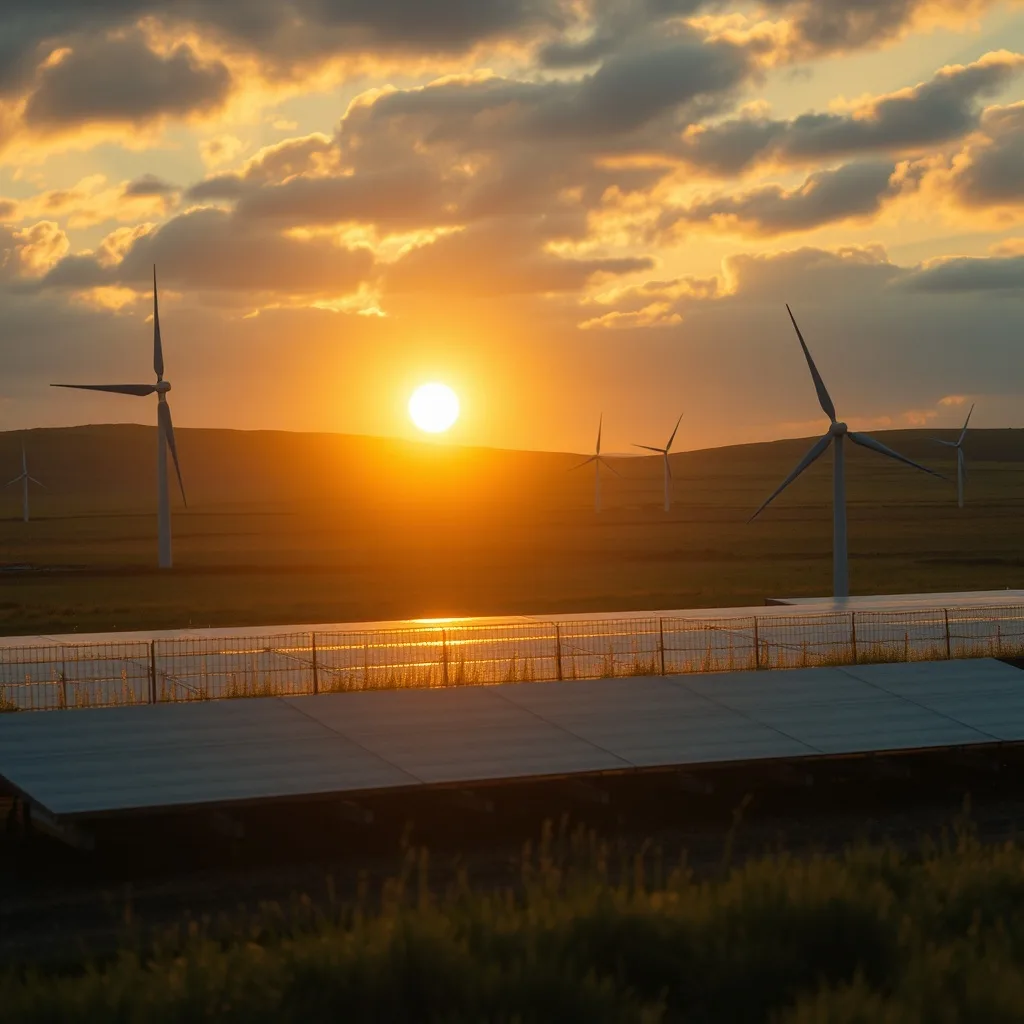
Solar ROI projections at the point of sale sometimes run more optimistic than what homeowners actually experience — understanding the gap helps set realistic expectations before you sign a contract. The good news is that the gap is predictable. It comes from a short list of assumptions, each of which you can ask about and check. This guide names those assumptions, shows how each one moves the payback number, and explains how to build a conservative estimate you can trust.
Table of Contents
- Where Projections and Reality Diverge
- Common Sources of the Gap
- Projection vs Reality Factors
- Getting More Realistic Numbers
- Frequently Asked Questions
Where Projections and Reality Diverge
Sales-stage production estimates sometimes assume ideal conditions — perfect panel orientation, no future shading from tree growth, no equipment degradation factored aggressively enough. Actual results depend on real weather patterns, actual roof orientation, and equipment performing within (not always at the top of) its rated specifications.
Production is the first variable
Every ROI figure starts with an estimate of kilowatt-hours per year. That estimate depends on roof pitch and direction, local weather, shading, soiling, wiring losses, and inverter efficiency. A proposal that uses a generic loss factor and ignores the maple on the south side will overstate output every year for 25 years. The U.S. Department of Energy’s performance basics page explains the physical losses a realistic estimate has to include, such as the drop in output as panels heat up.
Degradation compounds
Panels lose a small fraction of output each year. A projection that uses a low degradation figure, or none, overstates late-year savings, and those years carry most of the lifetime return. Our degradation guide gives realistic annual figures and shows how a small difference compounds over 25 years.
Common Sources of the Gap
Electricity rate escalation assumptions — how much utility rates are projected to rise over 20+ years — significantly affect projected long-term savings, and overly aggressive escalation assumptions inflate projected ROI. Net metering policy changes after installation (a real risk in some jurisdictions) can also reduce actual value below original projections.
Rate escalation
The U.S. Energy Information Administration’s Electric Power Monthly put the average residential price at 18.34 cents per kWh in June 2026, up from 17.47 cents a year earlier, an increase of about five percent. Rates do rise, but not at the same pace every year and not equally in every state. A projection that assumes a high annual increase for 25 years multiplies a guess by a long time. Ask what rate the proposal uses and rerun the numbers at a lower one. The EIA’s page on what drives electricity prices explains why local history matters more than a national average.
Net metering and export rates
Many proposals value every exported kilowatt-hour at the full retail rate. Where net metering has been replaced by a lower export credit, or where a change is under discussion, that assumption fails for the surplus your system sends to the grid on sunny afternoons. Our net metering guide explains how the rules differ and what a lower export rate does to payback.
Incentives that no longer apply
Older calculators and some sales materials still include the federal residential clean energy credit. The IRS states in its OBBB guidance that the credit is not allowed for expenditures made after December 31, 2025. A 2026 projection that still subtracts that credit overstates ROI substantially. Our incentive expiration guide tracks what remains at the state and utility level.
Shading that grows
A shade analysis taken on installation day captures the trees as they are, not as they will be. A young tree on the south side can take a corner of the array out of the afternoon sun within a decade. Ask whether the estimate considered trees at mature height, and look at the neighbors’ lots too, since you cannot prune what you do not own. Our tree shading guide covers how much a partly shaded panel costs the whole string.
Usage changes
Projections assume your consumption stays flat. An EV, a heat pump, or a home office raises it, which usually improves the value of solar because more of the production is used at home. A move, a smaller household, or new efficiency measures lower it, which can push more energy into low-value export. Neither is a reason not to buy, but a projection is only as good as the usage figure it starts from.
Timing of the return
Payback is not evenly spread. Savings are largest in the early years when panels are new and smallest at the end, while costs such as an inverter replacement land in the middle. A projection that reports only a lifetime total hides that shape. Ask for a year-by-year cash flow so you can see when the system actually pays for itself.
Projection vs Reality Factors
| Factor | Common Projection Issue | What To Ask For |
|---|---|---|
| Production estimate | Sometimes assumes ideal conditions | The loss factors used and a shade analysis of your actual roof |
| Rate escalation assumption | Can be set aggressively to inflate long-term savings | The exact annual percentage, plus a rerun at a lower rate |
| Net metering policy | Assumed static, but can change after installation | The export credit used and how much of production is exported |
| Future shading | Tree growth over 20+ years often not factored in | A shade study that considers nearby trees at mature height |
| Degradation | Set low or omitted | The annual percentage and the panel’s warranted output at year 25 |
| Incentives | Expired federal credit still included | A line-by-line list of every incentive with its source and deadline |
| Maintenance and replacement | Inverter replacement and cleaning left out | A lifetime cost line that includes at least one inverter replacement |
| Financing cost | Loan interest and dealer fees excluded from payback | Total cost of the loan, not just the monthly payment |
Getting More Realistic Numbers
Request the specific rate escalation assumption used in any ROI projection, and cross-check production estimates against an independent tool like NREL’s PVWatts rather than accepting an installer’s number alone. A conservative, independently-verified projection is a far better basis for a major purchase decision than an optimistic sales estimate.
Build a conservative case
Take the proposal’s production figure and reduce it by 10 percent for shade and soiling the estimate may have missed. Use a rate escalation no higher than your utility’s actual ten-year history. Value exported energy at your utility’s current export rate, not retail. Include an inverter replacement around the midpoint of the system’s life. Remove any incentive you cannot confirm on the source’s own website. If the payback still looks acceptable, the purchase is sound; if it only works under the optimistic case, keep negotiating or wait.
Watch the soft costs
Hardware is a shrinking share of what you pay. The DOE’s soft costs overview explains how permitting, sales, and financing costs make up much of a residential price. Two quotes for the same equipment can differ mainly in soft costs, which is why comparing quotes moves ROI more than comparing panel brands. Our loan versus cash calculator shows how financing terms change payback, and the incentives and ROI hub collects the related guides.
Frequently Asked Questions
Are solar sales projections usually inflated?
Not always deliberately, but assumptions (rate escalation, ideal conditions) can be optimistic — verify independently before deciding.
How can I check a production estimate is realistic?
Cross-check against NREL’s PVWatts calculator using your actual location and roof specifics.
Does electricity rate escalation actually happen?
Historically rates have generally risen over time, but the specific escalation rate used in a projection can be set optimistically.
Should I ask for a conservative estimate specifically?
Yes, requesting a conservative case alongside the standard projection gives a more realistic decision-making range.
Does this mean solar ROI projections are unreliable?
Not unreliable, but worth independently verifying — most gaps come from optimistic assumptions, not intentional misrepresentation.
Does the federal solar tax credit still apply to a 2026 installation?
No — IRS guidance states the residential clean energy credit is not allowed for expenditures made after December 31, 2025, so a projection that includes it should be corrected.
Get an independent estimate with our solar payback period calculator. For getting comparable quotes in the first place, see our how to get solar quotes guide.
Related Posts
Leave a Comment
Your comment will be published after it has been approved. Please send comments that do not contain slang words.