
Solar inverter warranty guide
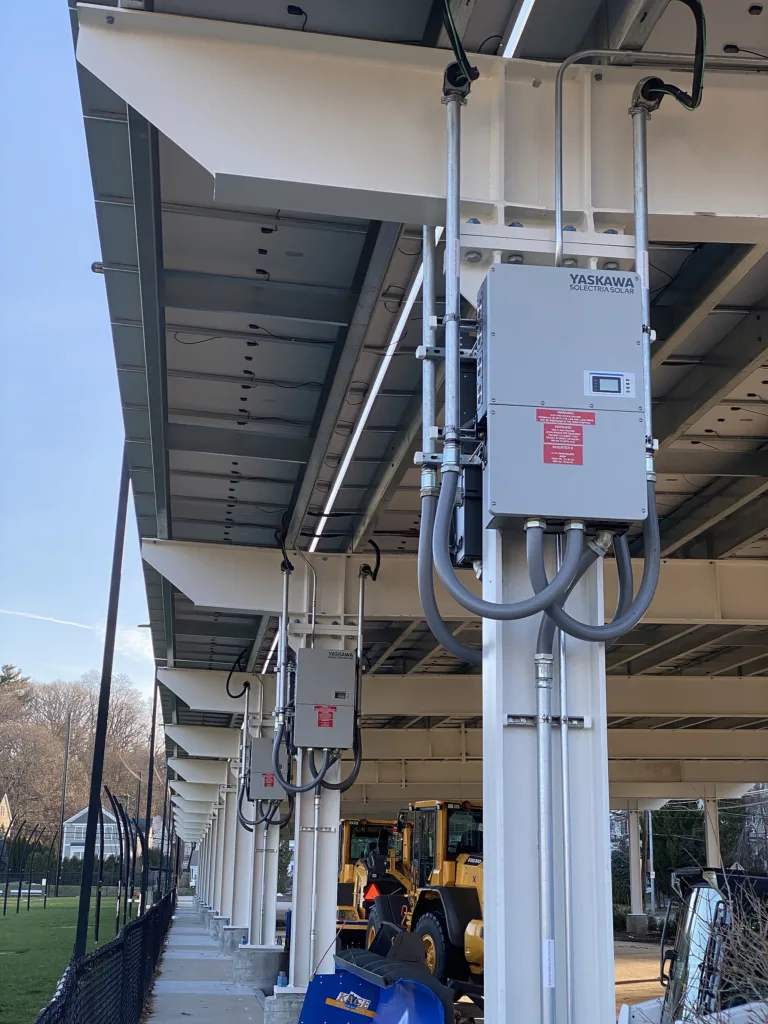
An inverter is the shortest-lived major component in a solar system. Panels are commonly warrantied for 25 years. Inverters usually are not.
That gap is the single most important thing to understand about solar warranties. It means most systems face a mid-life replacement cost that the headline quote never mentions.
This guide covers what an inverter warranty actually promises. It explains how the main product categories differ and what voids coverage. It also covers how to compare two warranties honestly before you buy.
Table of Contents
- Inverter Warranties Come in Two Parts
- Typical Terms by Inverter Type
- Warranty Terms Compared
- Extended Warranties: When They Are Worth It
- The Labor Gap Nobody Mentions
- What Actually Voids Coverage
- How a Claim Actually Works
- Why Manufacturer Stability Matters More Than Term Length
- Budgeting for Mid-Life Replacement
- Questions to Ask Before You Buy
- Frequently Asked Questions
- Conclusion
Inverter Warranties Come in Two Parts
Most buyers hear one number and assume it covers everything. It rarely does.
The manufacturer product warranty covers defects in the equipment itself. If the unit fails from a manufacturing fault within the term, the manufacturer supplies a replacement or repair. This is the number quoted in marketing.
The installer workmanship warranty covers the installation work. Wiring errors, mounting problems, and roof penetrations fall here. It comes from the installer, not the manufacturer, and it is usually much shorter.
These are separate promises from separate companies. A manufacturer warranty survives your installer going out of business. A workmanship warranty generally does not.
Typical Terms by Inverter Type
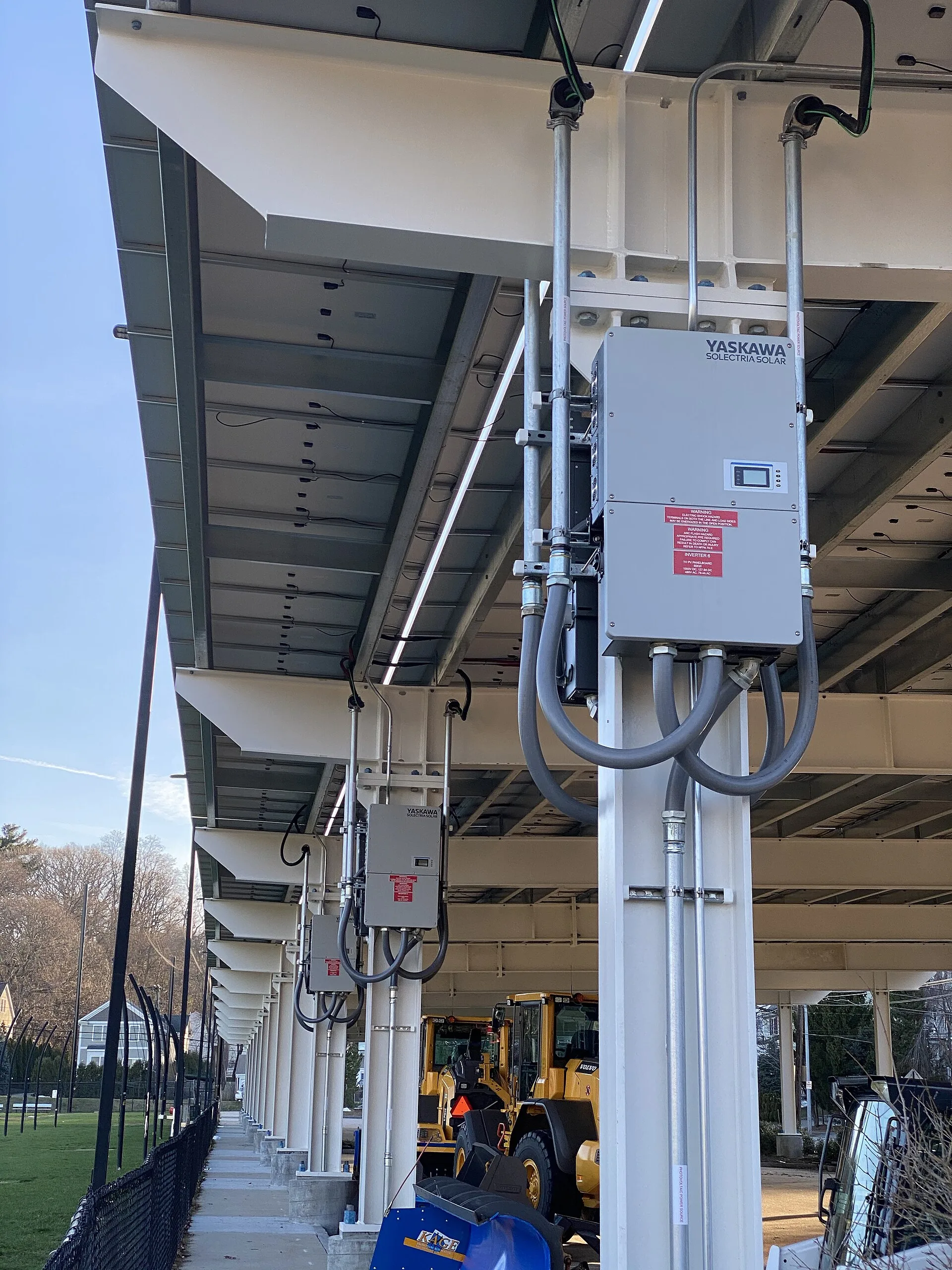
String inverters commonly carry 10 to 12 year standard product warranties. Extensions to 20 or 25 years are usually available for a fee. A single unit serves the whole array, so one failure takes the entire system offline.
Microinverters commonly carry 25-year warranties as standard. That often matches the panel warranty. One unit sits at each panel, so a single failure costs you one panel’s output rather than the whole array.
Power optimizers typically carry 25-year warranties on the optimizer itself. The central inverter they feed usually carries a shorter term, often 12 years. Read both, because the shorter one governs your replacement timeline.
Hybrid and battery-capable inverters vary widely. Terms often fall between string and microinverter ranges. Battery integration adds firmware and compatibility considerations that pure solar inverters do not have.
The pattern matters for total cost of ownership. A cheaper string inverter with a 12-year warranty is not directly comparable to microinverters warrantied for 25 years. One of them will likely need replacing during the panels’ life. The other may not.
Warranty Terms Compared
| Type | Typical standard term | Extension available? | Impact of one failure | Replacement access |
|---|---|---|---|---|
| String inverter | 10–12 years | Usually, to 20–25 years | Whole array offline | Ground or wall level, straightforward |
| Microinverter | 25 years | Rarely needed | One panel only | On the roof, under the panel |
| Power optimizer | 25 years (optimizer) | On the central unit | One panel, or whole array if the central unit fails | Mixed: roof and ground |
| Central inverter (optimizer system) | ~12 years | Usually | Whole array offline | Ground or wall level |
| Hybrid / battery-capable | 10–15 years, varies widely | Often | Solar and battery both affected | Ground or wall level |
These are common ranges, not guarantees. Terms differ by manufacturer and by product line within the same brand. Always read the warranty document for the exact model quoted.
Extended Warranties: When They Are Worth It
Most string inverter manufacturers sell extensions. The question is whether to buy one.
The case for buying is straightforward. A string inverter replacement at year 12 costs equipment plus labor. An extension purchased upfront is usually cheaper than that replacement, and it removes the timing uncertainty.
The case against is also real. You are prepaying for a failure that may not happen, to a company that must still exist to honor it. If the manufacturer exits the market, the extension is worth little.
A practical rule: extensions make more sense on higher-cost systems and in harsh climates. Heat is the main driver of inverter failure. A unit mounted in direct sun in a hot region works harder than one in a shaded garage.
Buy the extension at purchase, not later. Most manufacturers only sell extensions within a limited window after commissioning. Waiting until year eight is usually not an option.
The Labor Gap Nobody Mentions
This is the most common warranty surprise, and it catches nearly everyone.
A manufacturer product warranty typically covers the replacement unit. It frequently does not cover the labor to remove the failed one and install the new one. Shipping may or may not be covered.
So a covered failure can still produce a bill. You receive a free inverter and pay an electrician to fit it. On a roof-mounted microinverter, that means removing a panel to reach the unit.
Ask two questions explicitly: does the manufacturer warranty include labor, and does the installer workmanship warranty cover labor for a manufacturer defect? The answers are often no and no. Some installers sell a separate labor warranty that closes the gap.
What Actually Voids Coverage
- Unauthorized internal access. Opening the enclosure to attempt a repair generally voids coverage immediately. This is the most common self-inflicted loss. A safe external reset is fine; anything beyond it should go through a professional.
- Installation outside the manufacturer specification. Exceeding the rated DC-to-AC ratio, ignoring clearance requirements, or mounting outside the rated temperature range can all void coverage. This is the installer’s responsibility, which is why installer quality affects warranty risk.
- Unregistered product. Some manufacturers require registration within a set window after commissioning to activate the full term. Confirm your installer completed it. Ask for proof.
- Environmental damage. Lightning, flood, and physical impact are usually excluded. That is an insurance matter, not a warranty one. Notify your home insurer once solar is installed.
- Grid conditions outside spec. Damage from utility-side voltage events may be excluded. Sustained poor grid quality is worth reporting to your utility for this reason alone.
How a Claim Actually Works
Warranty claims generally require diagnosis by a qualified technician. A homeowner assessment is not enough.
The usual sequence is short. Your installer or a certified technician confirms the fault. They contact the manufacturer with the model, serial number, and fault code. The manufacturer authorizes a replacement. The technician fits it.
Have five things ready before you call. Record the exact fault code and when it started. Get the inverter model and serial number from the nameplate or app. Note your original installation date and the installer’s contact details. List any troubleshooting you already tried. Our inverter troubleshooting guide covers what to check first.
Many reported faults are not equipment failures at all. Communication dropouts and grid-related trips are common and often resolve without a claim. Correctly categorizing the problem first saves real time.
Why Manufacturer Stability Matters More Than Term Length
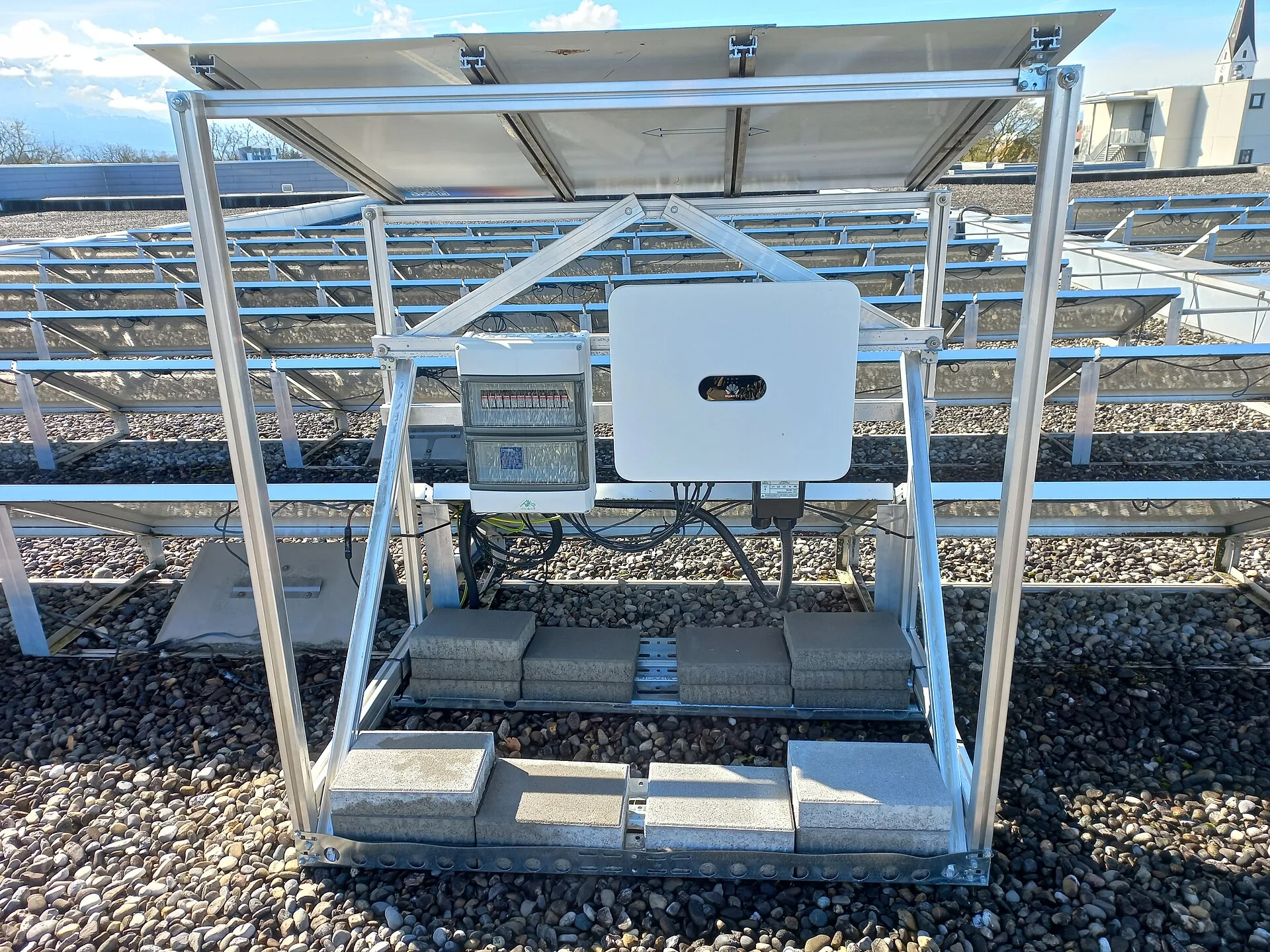
A 25-year warranty is only as good as the company behind it in year 20.
Several inverter manufacturers have exited the market or been acquired over the years. Existing customers were left with equipment that still worked but coverage that had become uncertain.
This risk cannot be eliminated. Large, established companies fail too. It can be weighed. Manufacturing scale, years in the specific product category, and regional service presence are all reasonable proxies.
Regional presence deserves particular attention. A brand with a thin service network in your market today may have an even thinner one when you need a claim honored. Ask your installer which brands they have actually serviced locally, not just which they can order. Our manufacturer comparison guide covers how to evaluate this.
Budgeting for Mid-Life Replacement
Treat inverter replacement as a known expense, not a surprise.
A string inverter commonly needs replacing around year 10 to 15. That is well inside the panels’ 25-year life. The cost is equipment plus a labor charge for the swap, which is usually modest compared to a full installation.
Build this into your payback calculation from the start. A quote showing a payback period that ignores inverter replacement is understating true cost of ownership. Our payback calculator lets you test how much that changes the numbers.
Microinverter systems shift this cost rather than removing it. The 25-year term means replacement is less likely during the panel life. Individual failures still happen, and each one requires roof access.
Questions to Ask Before You Buy
- What is the standard product warranty term for this exact model, in writing?
- Does it cover labor, or only the replacement unit?
- What does your workmanship warranty cover, and for how long?
- Is an extension available, what does it cost, and how long do I have to buy it?
- Does the warranty require product registration, and will you complete it?
- Have you serviced this brand locally, and how long did the last claim take?
- Who do I call in year 12 if you are no longer in business?
Get the answers in writing. A verbal assurance about warranty terms is worth nothing when a claim is filed a decade later.
Frequently Asked Questions
How long does a solar inverter actually last?
String inverters commonly run 10 to 15 years in practice. Microinverters are designed for longer service and are typically warrantied for 25. Heat is the main factor in real-world lifespan, so a hot mounting location shortens it.
Does the inverter warranty cover labor?
Often not. Many manufacturer warranties supply the replacement unit only. The labor to remove and refit falls to you unless your installer offers separate labor coverage. Ask both parties explicitly before you buy.
Is a 25-year microinverter warranty better than a 12-year string warranty?
On paper yes, but compare total cost rather than term alone. Microinverters cost more upfront. A string inverter plus an extension may land in a similar place. The right comparison is lifetime cost, including any expected replacement.
What happens if my installer goes out of business?
The manufacturer product warranty generally survives, because it comes from the manufacturer. The workmanship warranty usually does not. Any other certified installer can typically handle a manufacturer claim on your behalf.
Can I install a replacement inverter myself?
Not without risking coverage, and not legally in most jurisdictions for a grid-tied system. Inverter work involves high-voltage DC and utility interconnection. Both generally require licensed work regardless of your technical skill.
Does a warranty claim require the original installer?
Usually no. It requires a qualified or manufacturer-certified technician. If your original installer is unavailable, another certified installer can generally file and complete the claim.
Do I need to register the inverter for the warranty to apply?
Some manufacturers require it within a set window after commissioning. Others apply the term automatically. Confirm which applies to your model, and ask your installer for proof of registration if it is required.
Conclusion
Inverter warranties reward careful reading more than almost any other spec on a solar quote.
Three things matter most. Know that the product warranty and workmanship warranty are separate promises from separate companies. Confirm whether labor is covered, because it usually is not. And weigh the manufacturer’s likely stability alongside the headline term, since a long warranty from a company that disappears is not a long warranty.
Budget for a mid-life replacement if you choose a string inverter. It is a predictable cost, and planning for it turns the most common solar ownership surprise into a line item you already accounted for.
Battery-Capable Inverters Add a Second Warranty
Hybrid inverters introduce a complication that pure solar inverters do not have. You now have two warranties that must remain compatible.
The inverter carries its own term. The battery carries a separate one, usually expressed as both years and throughput. Neither covers a failure caused by the other.
Compatibility is the practical risk. Manufacturers approve specific inverter and battery pairings. Installing an unapproved combination can leave both warranties disputed when something fails.
Confirm three things before purchase. Check that the battery is on the inverter manufacturer’s approved list. Check that your inverter firmware version supports it. And check which company handles a claim when the fault sits between the two devices.
Commercial and Utility-Scale Differences
Commercial inverter warranties work on different assumptions than residential ones.
Terms are frequently shorter as standard, often 5 to 10 years, with extensions sold as service contracts. The reason is duty cycle. A commercial unit runs harder and accumulates more operating hours than a residential one.
Service response time matters more than term length at this scale. A facility losing generation loses revenue every day the system is down. Commercial warranty packages therefore often specify a response window, sometimes with penalties attached.
Ask what the guaranteed response time is, and whether a loaner unit is provided during repair. For a business, downtime cost frequently exceeds the equipment cost. See our commercial solar inverters guide for how this shapes equipment selection.
Records Worth Keeping
Warranty claims fail more often on missing paperwork than on genuine exclusions.
Keep the original quote and contract, the commissioning date, the inverter model and serial number, proof of product registration, and any firmware update records. A photo of the nameplate takes ten seconds and saves an hour later.
Keep monitoring data too. Production history is what distinguishes a genuine equipment fault from soiling or shading, and it is the first thing a technician will ask for. The Department of Energy overview of solar performance explains what normal output variation looks like.
Store all of it somewhere that survives a computer replacement. A claim filed in year 12 will need documents created in year one.
Related Posts


Leave a Comment
Your comment will be published after it has been approved. Please send comments that do not contain slang words.