
String Inverter vs Microinverter
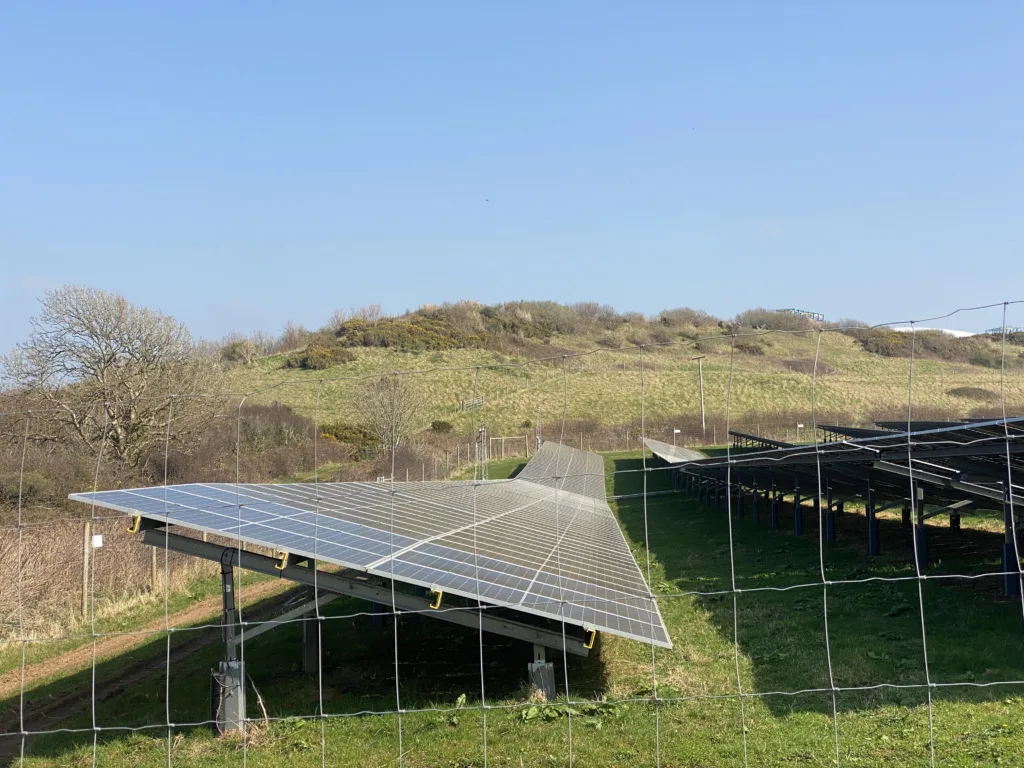
String inverter vs. microinverter is one of the first architecture decisions in a solar installation. It genuinely changes cost, resilience, monitoring detail, and how well the system handles shading or a complex roof. There is a real right answer for most situations. It just depends on your specific roof.
This guide compares the two architectures directly. It covers how each works and where each performs better. It covers real cost differences. And it covers how to decide which fits your roof and priorities.
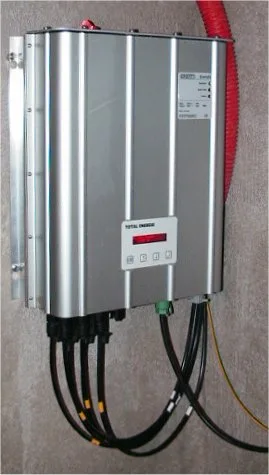
Table of Contents
- How Each Architecture Works
- Direct Comparison
- Shading and Roof Complexity
- Monitoring Detail
- Cost Differences
- Reliability and Failure Impact
- The Middle Ground: Power Optimizers
- A Worked Shading Example
- Warranty Comparison
- Conversion Efficiency: A Minor Difference
- Which Should You Choose?
- Common Mistakes
- Frequently Asked Questions
How Each Architecture Works
A string inverter is a single central unit. It converts DC power from an entire string, meaning a series-connected group of panels, into AC power. One or a few units typically handle the whole array. A microinverter system puts a small inverter on or near each individual panel. Conversion from DC to AC happens at the panel level. The output then combines on the AC side. This fundamental difference – centralized versus per-panel conversion – drives every other difference between the two approaches.
Direct Comparison
| Factor | String Inverter | Microinverter |
|---|---|---|
| Upfront cost | Generally lower | Generally higher (per-panel hardware) |
| Shading tolerance | Poor – one shaded panel can drag down the whole string | Strong – each panel operates independently |
| Monitoring detail | Array-level or string-level only (without add-on optimizers) | Panel-level production data for every panel |
| Failure impact | A central inverter failure can take down the whole array | A single microinverter failure affects only its one panel |
| Roof complexity handling | Struggles with multiple orientations/angles in one string | Handles mixed orientations and angles well |
| Maintenance access | Ground-level or accessible location, easier to service | Roof-mounted per panel, service requires roof access |
Shading and Roof Complexity
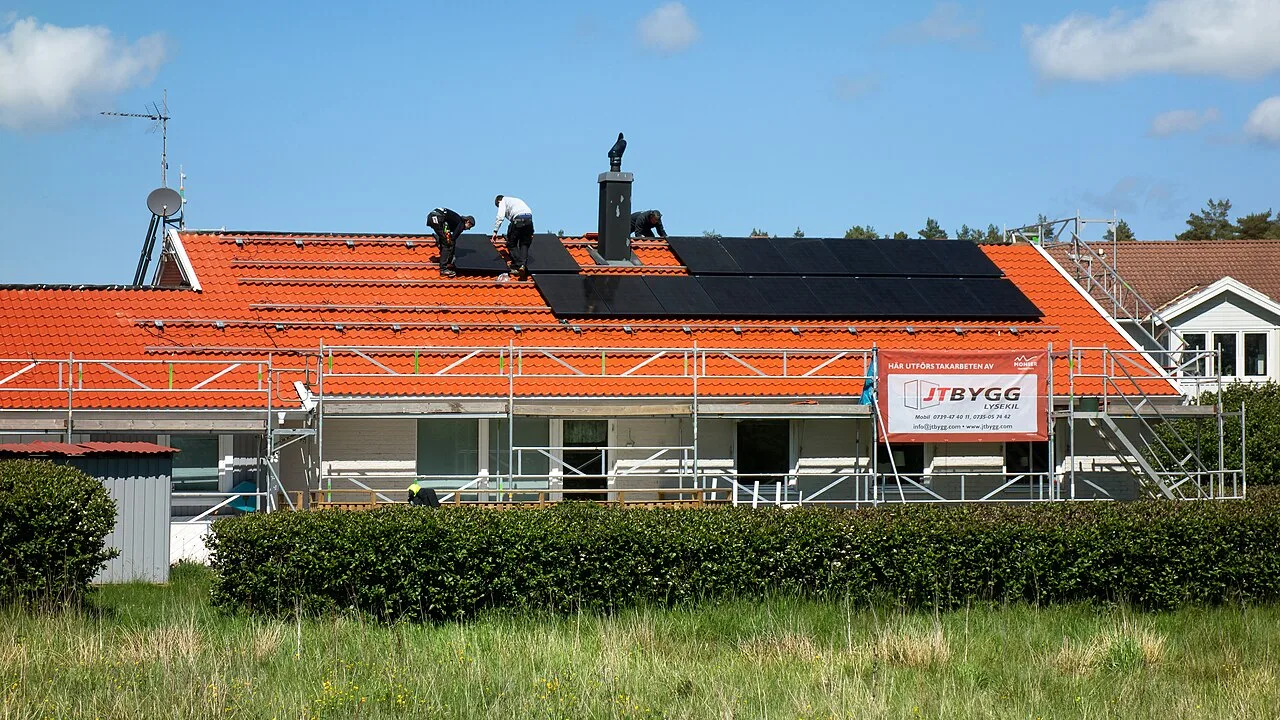
This is usually the deciding factor. On a simple, single-orientation, unshaded roof, a string inverter performs nearly as well as microinverters at lower cost – there’s little shading-mismatch penalty to avoid. Some roofs have partial shading from a chimney, a tree, or a neighboring structure. Others have multiple orientations or pitches. On both, microinverters and power optimizers meaningfully outperform a plain string inverter. Each panel’s output is no longer limited by its weakest neighbor in the same string.
Monitoring Detail
Microinverter systems provide panel-level production data by default. That makes it easy to spot a single underperforming panel directly in the monitoring app. Dirt, a developing fault, or new shading all show up. A plain string inverter only reports array-level totals, or at best string-level ones. Diagnosing which specific panel is underperforming takes more manual investigation. An add-on monitoring solution is the alternative. For homeowners who value granular visibility, this is a genuine, ongoing advantage of microinverters beyond the initial installation.
Cost Differences
Microinverter systems typically cost more upfront – per-panel hardware plus more complex installation labor – though the gap has narrowed as microinverter manufacturing has scaled. For a simple, unshaded roof, the extra cost often isn’t justified by a proportional performance gain. For a complex or partially shaded roof, avoiding string-mismatch losses produces a real production gain. That can offset some or all of the cost premium over the system’s life. Run the numbers for your specific roof rather than assuming one architecture is universally better value.
Reliability and Failure Impact
A string inverter failure is a single point of failure for the entire array – if it fails, production stops completely until it’s repaired or replaced. A microinverter failure affects only that one panel, so the rest of the array keeps producing while the single unit is serviced. This resilience advantage is real. Modern string inverters are still generally reliable equipment. The failure-impact difference matters most for larger arrays, which accumulate more total inverter-hours of exposure over the system’s life.
The Middle Ground: Power Optimizers
Power optimizers, the SolarEdge-style approach, sit between the two extremes. A central inverter still handles the actual DC-to-AC conversion. A small optimizer at each panel manages that panel’s output independently first. This captures much of the shading tolerance and panel-level monitoring benefit of microinverters, without paying for full per-panel inverter hardware. This is a genuinely popular middle-ground choice worth comparing directly against both string and microinverter quotes for a shaded or complex roof.
Which Should You Choose?
- Simple, unshaded, single-orientation roof: a plain string inverter is usually the best value.
- Partial shading or multiple roof orientations: microinverters or power optimizers are usually worth the premium.
- Want panel-level monitoring regardless of shading: microinverters or optimizers, even on an otherwise simple roof.
- Planning future array expansion: microinverter/optimizer systems are often easier to expand incrementally than adding to an existing string configuration.
- Prioritizing lowest total system cost on a favorable roof: string inverter.
A Worked Shading Example
Consider a 10-panel string where one panel is partially shaded by a chimney for two hours each afternoon. With a plain string inverter, one shaded panel can reduce the output of the entire string during those hours. The loss is not limited to that panel’s own share. Panels in a series string are electrically linked, so the weakest one constrains the others. With microinverters or optimizers, only that one panel’s output drops during the shaded period. The other nine continue producing normally. Over a year, this difference commonly translates to a measurable percentage of total production. The exact figure depends on shading severity and duration. That is why a site-specific shading assessment, not a generic percentage, should drive the architecture decision in a borderline case.
Warranty Comparison
| Architecture | Typical Warranty Length |
|---|---|
| String inverter | 10-12 years typical, sometimes extendable |
| Microinverter | 25 years is now common – often matching the panel warranty length |
| Power optimizer | 25 years for the optimizer, separate warranty for the paired central inverter (often 12 years) |
Microinverters’ longer typical warranty is a genuine factor in total-cost-of-ownership comparisons. A string inverter is more likely to need a mid-life replacement, commonly around year 10 to 15. A simple upfront-price comparison between the two architectures does not capture that.
Conversion Efficiency: A Minor Difference
Peak conversion efficiency is broadly similar between well-made string inverters and microinverters in unshaded conditions. Both typically operate in the high-90s percentage range for pure DC-to-AC conversion. This is a smaller factor in the overall decision than shading tolerance and monitoring detail. Don’t let a fractional efficiency-percentage difference between two datasheets drive the architecture decision. Real-world shading performance differences dwarf typical peak-efficiency gaps between comparable modern products.
Common Mistakes
- Choosing based on cost alone without assessing actual shading. A shaded roof with a plain string inverter can lose more production value than the microinverter or optimizer premium would have cost.
- Overpaying for microinverters on a genuinely simple, unshaded roof – the premium isn’t justified by proportional gain in that case.
- Not comparing power optimizers as a middle-ground option – many buyers only compare the two extremes.
- Ignoring maintenance access differences – roof-mounted microinverters mean any future service requires roof access, unlike a ground/wall-mounted string inverter.
Frequently Asked Questions
Are microinverters always better than string inverters?
Not universally – on a simple, unshaded roof a string inverter often delivers comparable real-world performance at lower cost. Microinverters’ advantage is largest on shaded or complex roofs.
Do microinverters really produce more power than string inverters?
Only meaningfully more in shaded or mixed-orientation conditions, where per-panel independence avoids string-mismatch losses – on a simple unshaded roof the production difference is small.
Can I mix string inverters and microinverters in one system?
Not typically as a single integrated system. A home can still have separate arrays on different architectures. A later addition might use a different approach than the original array, with appropriate integration.
Are power optimizers the same as microinverters?
No. Optimizers manage each panel’s output but still rely on one central inverter for the actual DC-to-AC conversion. Microinverters do that conversion at each panel independently.
Which is easier to service, string inverters or microinverters?
String inverters are usually easier to access (ground or wall-mounted). Microinverters are mounted at each panel on the roof, so service requires roof access.
Does one shaded panel really affect the whole string?
Yes, with a plain string inverter. Panels in a series string are electrically linked. The most shaded panel constrains the output of the others during the shaded period.
Do microinverters really have longer warranties than string inverters?
Generally yes. 25-year microinverter warranties are now common, often matching panel warranty length. String inverters typically carry 10 to 12 year warranties and are likelier to need a mid-life replacement.
Conclusion
String inverters and microinverters are both mature, reliable technologies. The right choice depends on your specific roof’s shading and complexity. There is no universal better answer. Get quotes for both approaches (and power optimizers as a middle ground) for your specific roof before deciding. See our best hybrid solar inverter guide and commercial solar inverters guide for related architecture comparisons at different scales.
Further reading: Wikipedia – Solar inverter and U.S. Department of Energy – Solar Integration: Inverters and Grid Services Basics.
If you are choosing between the two dominant brands rather than the two architectures, compare Enphase vs SolarEdge.
Related Posts
Leave a Comment
Your comment will be published after it has been approved. Please send comments that do not contain slang words.