
Solar Panel Components
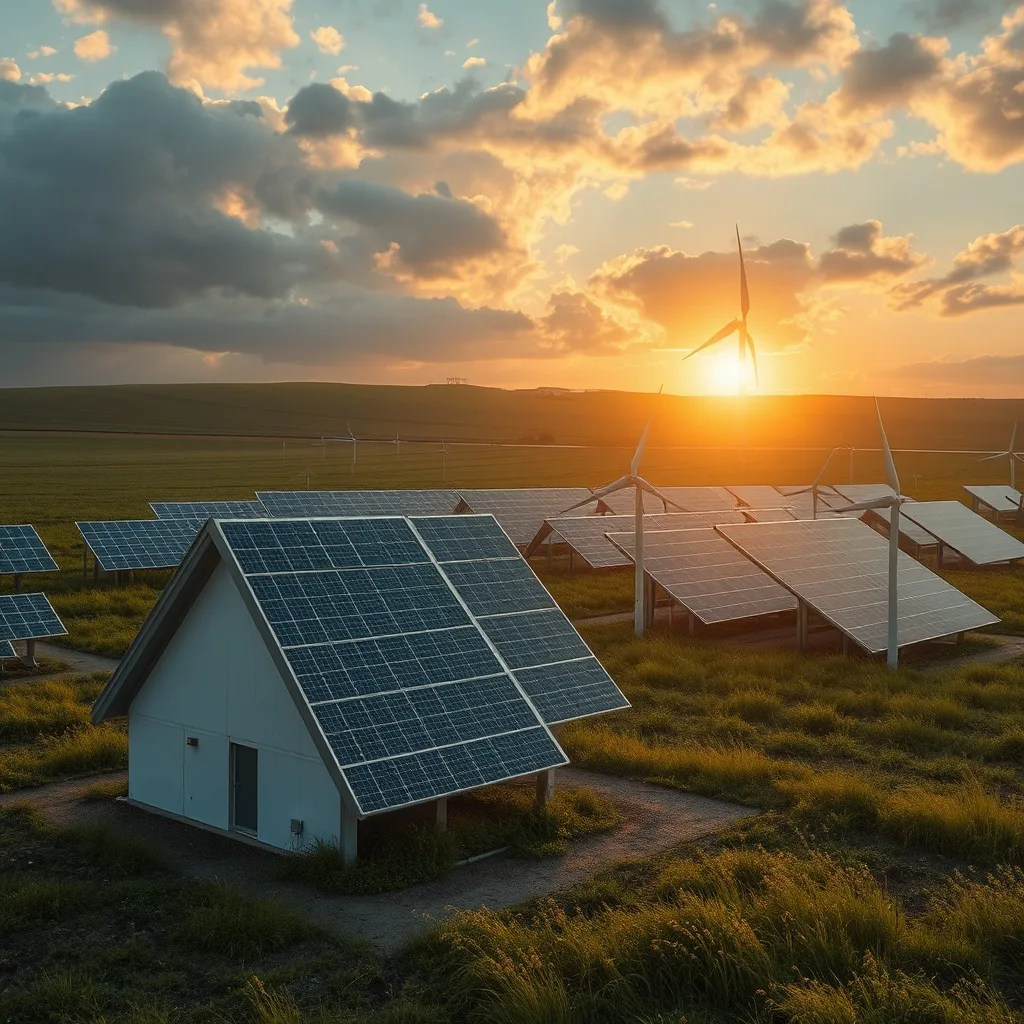
A solar panel is more than the visible glass surface — several precisely engineered layers work together to convert sunlight into electricity and protect the cells for decades.
Table of Contents
- Layer-by-Layer Breakdown
- The Photovoltaic Cells Themselves
- Components at a Glance
- The Junction Box
- Frequently Asked Questions
Layer-by-Layer Breakdown
From front to back: tempered glass protects the cells while letting light through; an encapsulant layer (typically EVA) bonds and protects the cells while allowing light transmission; the photovoltaic cells themselves generate the electricity; a backsheet provides weatherproofing and electrical insulation; and an aluminum frame provides structural rigidity and a mounting point.
The Photovoltaic Cells Themselves
The cells are the actual power-generating component — thin wafers of treated silicon (or other semiconductor material) that convert photons into electrical current through the photovoltaic effect. Cell technology (standard silicon, TOPCon, HJT, perovskite-tandem) is where most of the efficiency innovation in recent years has actually occurred.
Components at a Glance
| Component | Function |
|---|---|
| Tempered glass | Protects cells, allows light through |
| Encapsulant (EVA) | Bonds and protects cells |
| Photovoltaic cells | Generates electricity from sunlight |
| Backsheet | Weatherproofing, electrical insulation |
| Aluminum frame | Structural rigidity, mounting point |
The Junction Box
Mounted on the panel’s back, the junction box houses the electrical connections and bypass diodes, which reroute current around a shaded or underperforming section of cells to prevent it from dragging down the whole panel’s output — a small component with an outsized role in real-world shading resilience.
Frequently Asked Questions
What are solar panels actually made of?
Layers of tempered glass, an EVA encapsulant, silicon photovoltaic cells, a backsheet, and an aluminum frame.
What does the junction box do?
Houses electrical connections and bypass diodes that manage shaded or underperforming cell sections.
Why does cell technology matter more than other components?
Most efficiency innovation happens at the cell level (TOPCon, HJT, perovskite) — other components are more standardized across the industry.
What is EVA encapsulant?
A polymer layer that bonds the glass, cells, and backsheet together while protecting cells from moisture and mechanical stress.
Do all panels use the same component structure?
Broadly yes, though specific materials and cell technology vary by manufacturer and panel tier.
For cell technology specifics, see our TOPCon vs HJT vs Perovskite comparison. For durability testing of the complete assembly, see our solar panel durability guide.
The full component map is in panels and hardware explained.
Related Posts

Leave a Comment
Your comment will be published after it has been approved. Please send comments that do not contain slang words.