
Solar Farm Investment
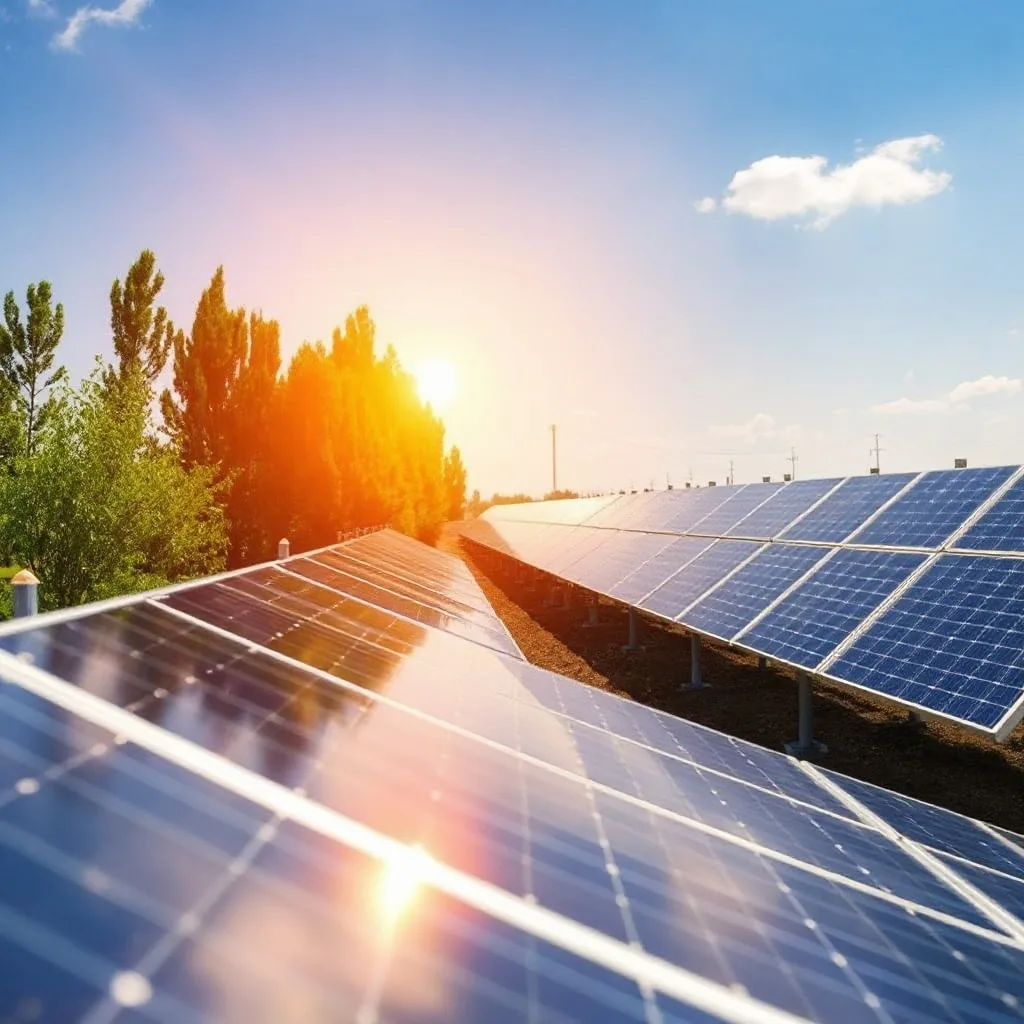
Solar farm investment means putting capital into a ground-mounted array that sells electricity, usually under a long-term contract, and earning a return from that revenue over 25 to 35 years. The attraction is predictable, contracted cash flow backed by a physical asset with no fuel cost. The risks are real too: grid connection delays, contract terms that shift losses to the owner, changing tax rules and the long payback. This guide explains the ways to invest, how the returns are built, what has changed since 2025, and the checks that separate a sound project from a marketing deck.
Table of Contents
- Ways to Invest in a Solar Farm
- How the Returns Are Built
- Tax Credits and Depreciation After 2025
- The Risks That Actually Hurt Investors
- A Due Diligence Checklist
- If You Own the Land
- FAQ
Ways to Invest in a Solar Farm
There are five common routes, ranging from owning a project outright to buying shares in a company that owns hundreds. Each trades control for liquidity.
| Route | Typical minimum | Control | Liquidity | Who it suits |
|---|---|---|---|---|
| Develop or buy a project outright | Millions of dollars per project | Full | Low; sold as a whole asset | Family offices, funds, large companies |
| Tax-equity or partnership stake | Large; institutional | Shared, structured around tax benefits | Low | Corporations with tax liability to offset |
| Private fund or syndicate | Tens of thousands upward | None; manager decides | Low to medium | Accredited investors seeking yield |
| Community solar subscription | Often none; you buy output, not equity | None | Cancel per contract terms | Households and small businesses wanting bill savings |
| Listed yieldcos, utilities and developers | One share | None | High | Anyone who wants exposure without project risk |
Community solar deserves a note because it is often sold as an “investment”. In most programs you subscribe to a share of a farm’s output and receive bill credits; you do not own the asset and your return is a discount on electricity, not equity growth. The U.S. Department of Energy’s community solar basics page explains the models and who can participate.
How the Returns Are Built
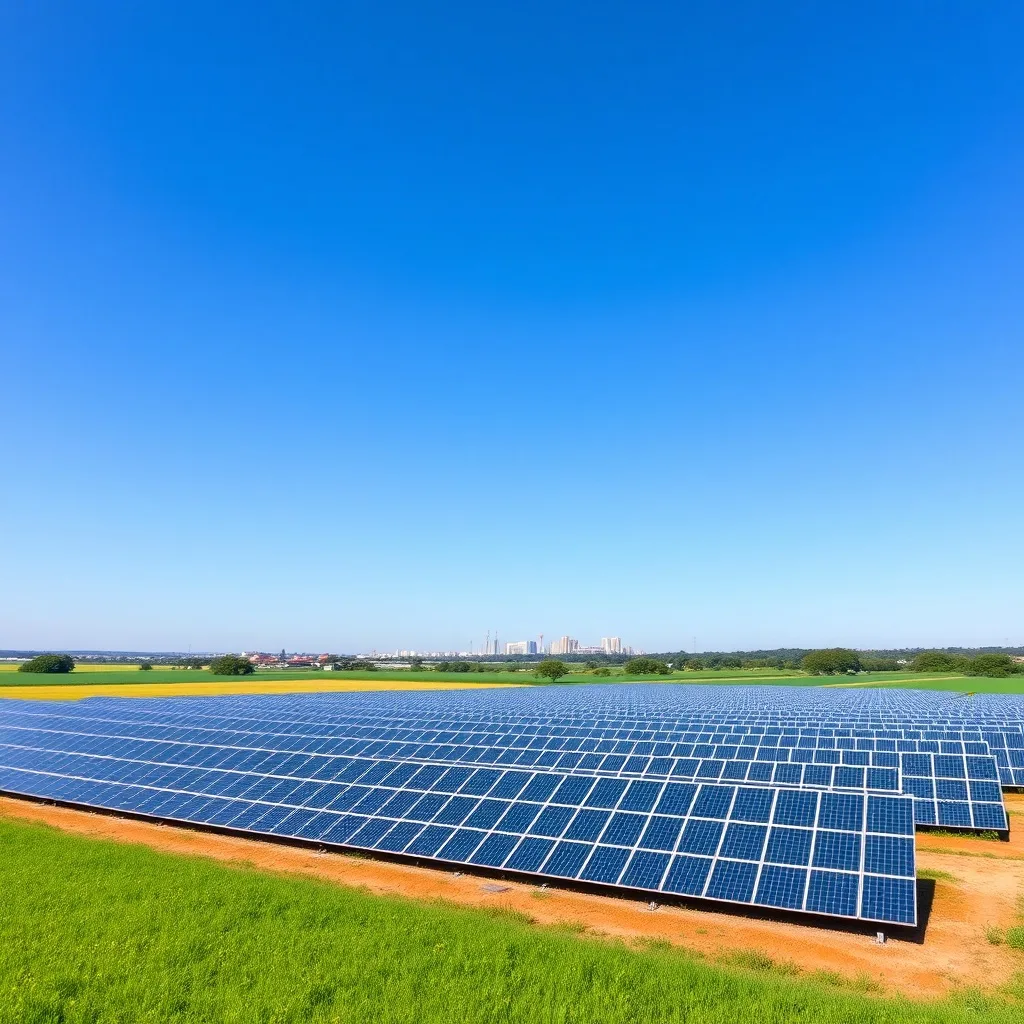
A solar farm’s return is the difference between contracted revenue and a mostly up-front cost, spread over decades. The revenue side is simple: megawatt-hours produced, multiplied by the price per MWh, for as long as the contract and then the plant last. The cost side is dominated by capital spent before the first kWh is sold.
The drivers, in rough order of importance:
- The PPA price and term. A long, fixed-price contract with a creditworthy buyer is what lenders finance. The U.S. EPA’s overview of solar power purchase agreements notes terms from six to 25 years and price escalators commonly between 1 and 5 percent a year. The structure is explained in our guide to utility-scale solar PPA agreements.
- Capacity factor. The share of the year the plant effectively runs at full output. Sun-rich regions produce far more MWh per installed MW, which is why the same panels earn more in the Southwest than in the Northeast, as the EIA’s map of where solar is found shows.
- Capital cost per watt. Modules, inverters, racking, wiring, civil works and, often the wild card, grid interconnection upgrades.
- Cost of capital. Because most cost is up front, the interest rate on project debt moves the return more than most operating variables.
- Operating costs. Maintenance, insurance, land lease, property tax and monitoring, typically a small share of revenue but rising with age.
- Degradation and life. Output falls slowly each year; the plant’s value after the contract ends depends on a merchant market or a new contract.
Investors summarise all of this in an internal rate of return and a debt service coverage ratio. How those are calculated, and which assumptions to challenge, is covered in how investors evaluate solar farm returns.
Tax Credits and Depreciation After 2025
Federal tax treatment is a large part of U.S. solar farm economics, and the rules changed in 2025. The Clean Electricity Investment Credit (Section 48E) still offers a 6 percent base credit, multiplied to 30 percent for projects meeting prevailing wage and apprenticeship rules, with a further 10 points for domestic content and 10 for siting in an energy community, as set out on the IRS Clean Electricity Investment Credit page. The production-based alternative (45Y) pays per kWh instead.
The July 2025 budget law ended those credits early for wind and solar. Projects generally must begin construction within 12 months of enactment (by July 4, 2026) or be placed in service by the end of 2027, and must meet tightened foreign-entity-of-concern rules on their supply chain. In practice this means:
- Projects that have already safe-harboured a construction start date carry a valuable, time-limited asset. Ask to see the documentation.
- Projects that have not started are being repriced, and PPA prices are rising to compensate.
- Accelerated depreciation remains a separate benefit and interacts with the credit; see commercial solar depreciation benefits.
Treat any projection that assumes a 30 percent credit as unproven until you have seen the begin-construction evidence and the supply-chain compliance plan.
The Risks That Actually Hurt Investors
Most solar farm losses come from a handful of recurring problems, and few of them are about sunshine.
| Risk | How it shows up | How experienced investors handle it |
|---|---|---|
| Interconnection delay or cost | Years in the grid queue; upgrade costs assigned late in the process | Invest only after the interconnection agreement is signed and costs are known |
| Curtailment | Grid operator orders output cut; uncompensated hours grow as more solar is added nearby | Model curtailment explicitly; negotiate caps in the PPA; add storage |
| Contract counterparty | Buyer’s credit weakens or the buyer disputes performance | Prefer investment-grade offtakers; require credit support |
| Construction overrun | Fixed-price contract with weak contractor, or tariffs on equipment | Bonded EPC contractor, contingency budget, equipment bought early |
| Policy change | Tax credit deadlines, tariffs, new grid charges | Change-in-law clauses; do not underwrite on credits not yet secured |
| Yield over-estimate | Plant produces less than the sales deck promised | Independent P50/P90 yield study; use P90 for debt sizing |
| Operations neglect | Rising downtime, vegetation, inverter failures | Long-term service agreement with availability guarantees |
Grid issues sit at the top of the list for a reason. A farm that is fully built but waiting on a substation upgrade earns nothing and still pays interest. Our guide to solar farm grid connection explains the process and where it stalls.
A Due Diligence Checklist
Before committing money, ask for the documents below. A serious sponsor has them; a promoter will send a brochure instead.
- Interconnection agreement with the utility or grid operator, including assigned upgrade costs.
- Executed PPA or, for a merchant project, a credible price forecast from a third party.
- Independent yield study giving P50 and P90 annual production.
- Permits and land rights: zoning approval, environmental review, lease or title, and decommissioning bond.
- Tax credit evidence: begin-construction documentation and a supply-chain compliance plan.
- Financial model with visible assumptions for degradation, curtailment, operating costs and residual value.
- Equipment warranties and the identity of the module, inverter and EPC suppliers.
- Insurance covering construction, property, business interruption and, in exposed regions, hail and wind.
Ask what the return looks like with a 10 percent lower yield and one extra year of interconnection delay. If the sponsor cannot run that case on the spot, the model is not ready.
If You Own the Land
Landowners have a simpler decision: lease the land to a developer for a fixed annual payment, or take an equity stake in the project. A lease is lower risk and pays from the day the plant operates, but caps the upside. Payments vary widely by region, grid proximity and land quality; our guide to solar farm lease rates per acre explains what drives the number. Whatever you choose, insist on a decommissioning bond and a clause covering who removes the equipment at the end of life.
FAQ
Is investing in a solar farm profitable?
It can be, because revenue is contracted for many years and fuel costs are zero. Profit depends on the PPA price, capital cost, interest rate, tax credit eligibility and how well grid and curtailment risks were handled.
How much does it cost to invest in a solar farm?
Direct ownership runs to millions per project. Funds and syndicates accept smaller amounts from accredited investors. Listed utilities and developers can be bought one share at a time.
What is the biggest risk in solar farm investment?
Grid interconnection. Delays and late-assigned upgrade costs can stall a fully built plant. Curtailment and counterparty credit come next.
Do solar farms still get tax credits?
Yes, but with deadlines. Under the 2025 law, solar projects generally must begin construction by July 4, 2026 or be in service by the end of 2027 to claim the 48E or 45Y credits.
Is community solar an investment?
Usually not in the equity sense. Subscribers buy a share of the output and receive bill credits; they do not own the farm or share in its profits.
Should I lease my land or invest in the project?
A lease gives fixed income with little risk. An equity stake offers more upside with more risk and less liquidity. Many landowners take the lease and negotiate strong decommissioning terms.
Related Posts

Leave a Comment
Your comment will be published after it has been approved. Please send comments that do not contain slang words.