
Battery Storage Cost
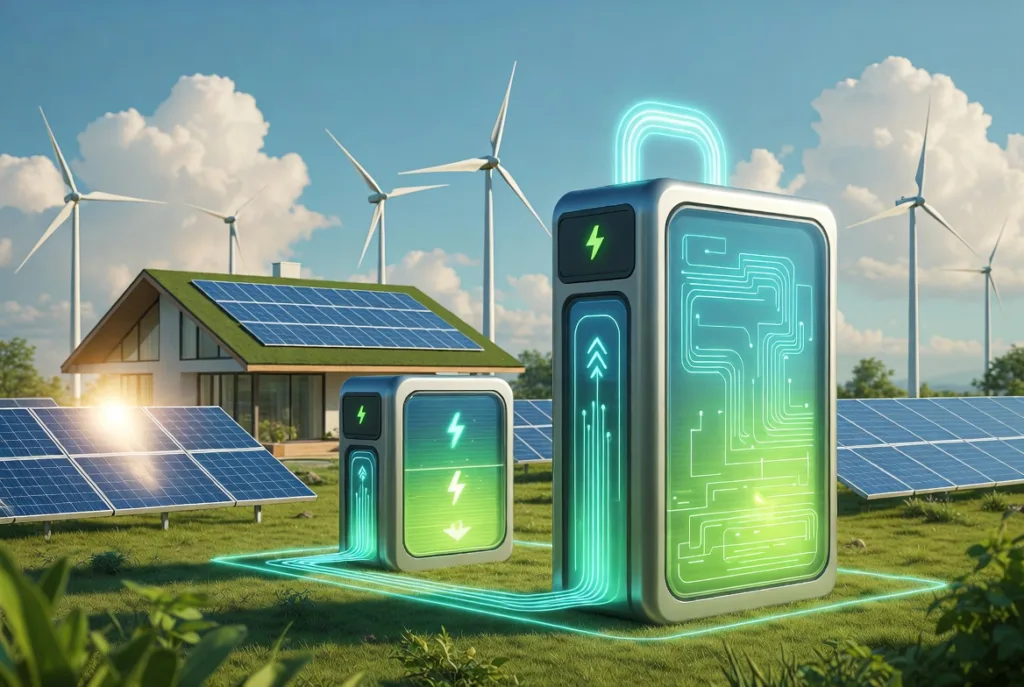
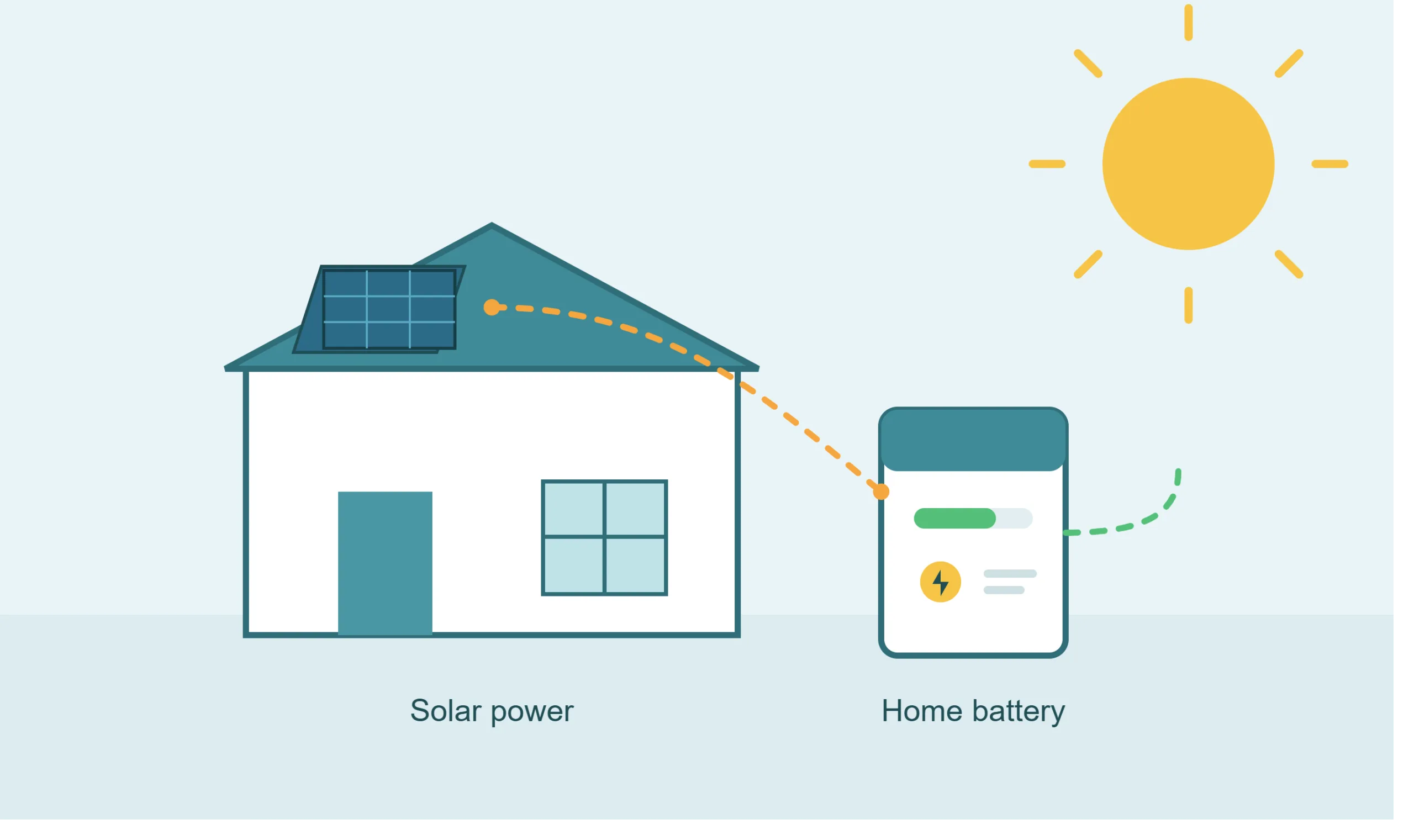
Battery storage cost is often the deciding factor between a solar system that merely lowers your bill and one that delivers true energy independence — but it is also the single most expensive add-on most homeowners will consider.
The price of a home battery depends on far more than the sticker figure, wrapping in installation, electrical upgrades, permits, and the chemistry inside the unit.
Get the math right and a battery can pay for itself while shielding you from outages and rising rates.
Get it wrong and you can overspend on capacity you never use.
This guide breaks down exactly what drives battery storage cost, how to think about payback, and how prices and incentives vary across different regions of the world.
What Actually Goes Into Battery Storage Cost
The price you see advertised battery storage cost is rarely the price you pay.
A complete installed system bundles several distinct costs, and understanding them prevents budget surprises.
The battery unit itself is only the starting point.
On top of that sit the inverter (if not shared with your solar system), installation labor, and often electrical work to integrate the battery with your home’s panel.
Permits and inspection fees add further to the total.
- The battery unit, priced mainly by usable capacity
- A compatible inverter, if not already part of your solar setup
- Professional installation labor, which varies widely by region
- Electrical upgrades such as a backup subpanel
- Permits, inspections, and local compliance fees
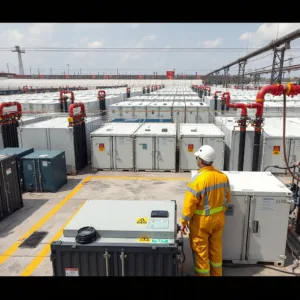
Because these components stack up, the installed cost of a battery is typically well above the hardware price alone. Understanding the full category of energy storage systems helps set realistic expectations before you request quotes.
Research bodies like the National Renewable Energy Laboratory (NREL) track installed storage costs and consistently show that soft costs like labor and permitting make up a meaningful share of the total.
How Battery Chemistry Affects Price
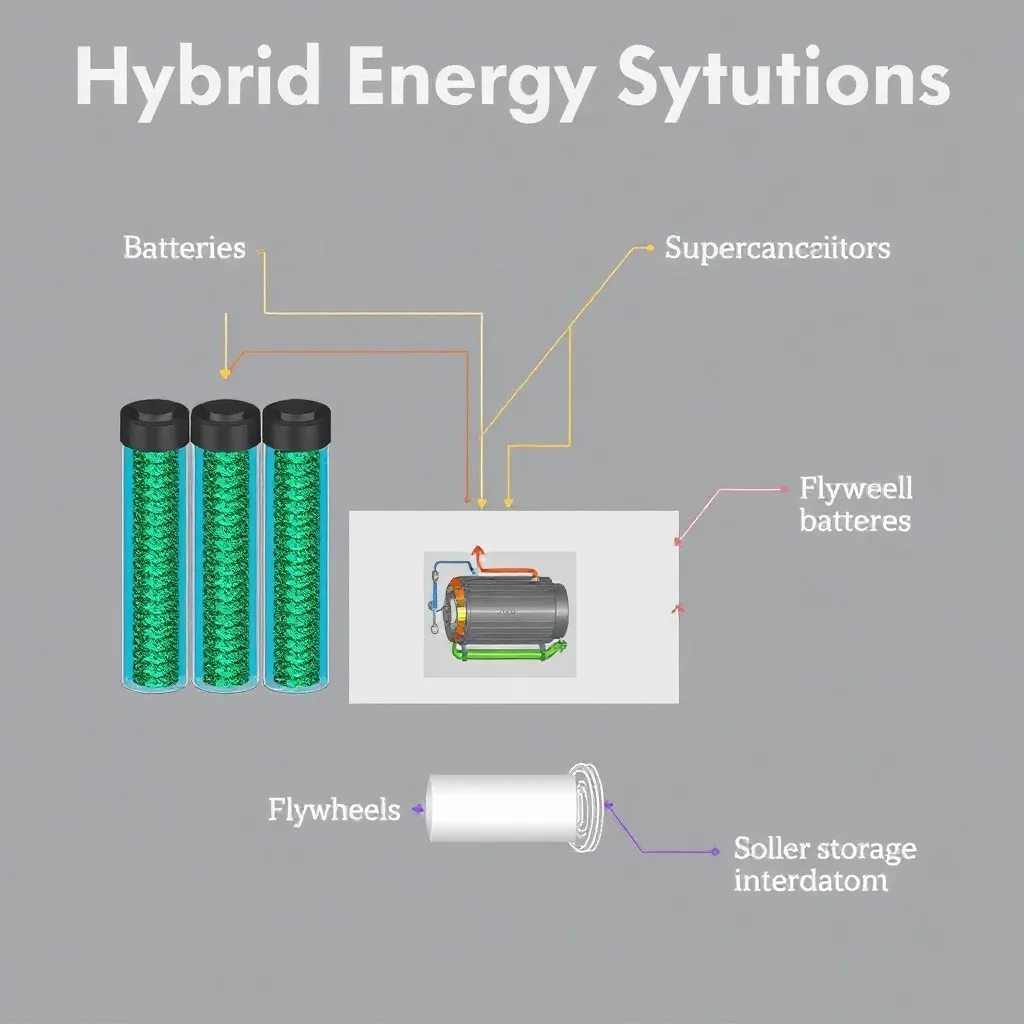
Not all batteries cost the same, and the chemistry inside largely determines both the upfront price and the long-term value. Two lithium chemistries dominate today’s home market.
Lithium iron phosphate (LFP) has become the default for home storage, valued for its long cycle life and strong safety profile. It often costs slightly more upfront than older options but tends to last longer, improving lifetime value.
Lithium NMC packs more energy into a smaller space, which can reduce footprint but generally runs warmer and relies on cobalt, adding cost and sourcing concerns.
- LFP: higher cycle life, strong safety, excellent for daily use
- NMC: compact and energy-dense, common in space-limited installs
- Lead-acid: cheap upfront but short-lived and high-maintenance
- Emerging chemistries: potentially cheaper materials, still maturing
When comparing quotes, the cheapest battery is rarely the best value. A slightly pricier LFP unit that lasts far longer often costs less per year of service than a cheap battery that degrades quickly. Thinking about the future of energy storage also helps, since chemistries and prices continue to evolve.
Battery Storage Cost Payback and ROI
The real question is not “how much does a battery cost?” but “how quickly does it pay for itself?” The answer depends heavily on your local electricity situation.
Three factors dominate the payback math: how much you pay for grid power, how large the gap is between peak and off-peak rates, and how often outages hit your area.
Where electricity is expensive and time-of-use pricing is steep, a battery pays back faster.
| Cost Factor | Effect on Payback | Best-Case Scenario |
|---|---|---|
| High grid electricity price | Speeds up payback | Expensive utility rates |
| Large peak/off-peak gap | Boosts arbitrage savings | Strong time-of-use pricing |
| Frequent outages | Adds backup value | Unreliable local grid |
| Available incentives | Lowers net upfront cost | Strong local rebates |
Incentives can dramatically shift this math.
Many governments offer tax credits or rebates for storage, especially when paired with solar, though exact rules change often and should be verified against current law. Guides on solar incentives and ROI are a good starting point for understanding what may apply to you.
Battery Storage Costs Around the World
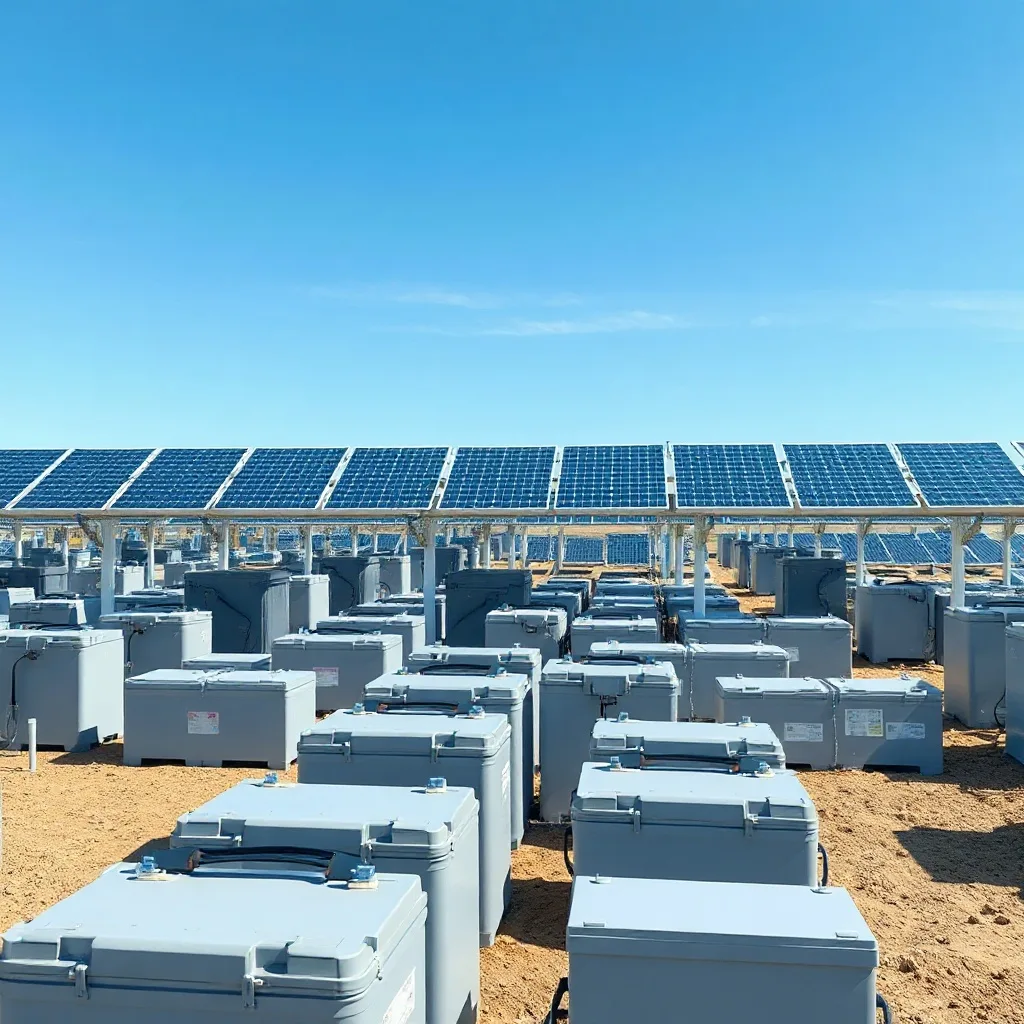
Battery pricing and the value equation vary enormously by region, shaped by electricity prices, grid reliability, manufacturing, and government support.
- US: Costs vary widely by state, but high electricity prices and federal incentives can make batteries financially attractive, especially in outage-prone areas.
- EU: High retail electricity prices, particularly in Germany and Italy, strengthen the payback case, and strong solar adoption makes storage a popular pairing.
- China: As the world’s dominant battery manufacturer, China benefits from lower hardware costs, though residential adoption is still developing.
- India: Frequent outages make backup value a primary driver, with cost sensitivity high and storage increasingly paired with rooftop solar.
- Middle East: Cheap grid power weakens the pure savings case, so storage value leans more toward reliability and integrating large solar projects.
The International Energy Agency (IEA) and the U.S. Energy Information Administration (EIA) both track how storage economics differ across these markets, and local conditions consistently matter more than any single global price figure.
How to Reduce Your Battery Storage Cost
Smart planning can meaningfully lower your battery storage cost for storage without sacrificing performance.
The goal is to buy the right amount of the right battery, not simply the biggest one.
Start by sizing the system to your actual usage rather than a salesperson’s upsell.
Many homeowners discover they need less capacity than they assumed once they review their real consumption and identify which circuits truly need backup.
- Size the battery to real usage, not maximum possible capacity
- Pair storage with solar to maximize available incentives
- Get multiple quotes to compare installation labor costs
- Choose durable LFP chemistry for better lifetime value
- Consider expandable systems to add capacity later if needed
Financing also shapes affordability.
Spreading the upfront cost through a loan or solar financing package can make storage accessible even when the sticker price is high, as explained in resources on home solar financing. The key is to weigh monthly financing costs against monthly energy savings for a realistic picture.
Is Battery Storage Cost Worth Paying in 2026?
Whether battery storage cost justifies itself is ultimately a personal calculation that blends financial and non-financial value.
For some, the numbers alone make the case. For others, resilience is the real payoff.
In regions with expensive power, steep time-of-use rates, and frequent outages, batteries increasingly pay for themselves through savings alone.
Where power is cheap and reliable, the financial case is weaker and the value shifts toward backup security and independence.
- Strong financial case: high rates, big peak gaps, frequent outages
- Weaker financial case: cheap, stable grid electricity
- Non-financial value: backup power, resilience, energy independence
- Future value: readiness for EV charging and smart energy management
There is also value that resists spreadsheets: keeping the lights, fridge, and medical equipment running through an outage carries a worth that pure payback math cannot fully capture.
For many buyers, that peace of mind is the deciding factor, with bill savings as a welcome bonus. The U.S. Department of Energy (DOE) continues to highlight storage as a cornerstone of a more resilient, flexible grid.
Worked Example: True Battery Storage Cost per Usable kWh
Compare installed cost per usable kWh of capacity separately from cost per kWh delivered over time. Capacity is available at one moment; delivered energy accumulates with use. A nameplate capacity or cycle count alone does not establish lifetime output.
| Input or calculation | Example |
|---|---|
| Usable capacity | 9 kWh |
| Equivalent full cycles per year | 300 |
| Years modelled | 10 |
| Capacity × cycles × years | 27,000 kWh before degradation and losses |
| Illustrative warranty throughput limit | 20,000 kWh; read the actual warranty’s measurement boundary |
The 27,000 kWh calculation is an upper scenario, not warranted delivery. Check degradation, conversion losses, the permitted operating range, and whether a warranty ends at a time or throughput limit. A throughput limit is not a promise that your household will use that much energy. Divide an actual installed quote by a consistently defined delivery scenario; do not compare a capacity-only denominator with a lifetime-energy denominator.
Battery Storage Cost Trends to Watch Through 2027
Use current itemised quotes rather than a forecast of falling cell prices. Installation, electrical work, backup capability and tariff conditions can change the result independently of battery hardware cost. Recheck the assumptions when a quote or tariff changes.
How Installers Quote Battery Storage Cost
For a UK installation, ask each installer to itemise the battery and usable capacity, inverter compatibility, installation, electrical changes, commissioning, applicable taxes and any backup equipment. Check the warranty’s time, retained-capacity and throughput conditions. Compare quotations for the same included work and operating limits.
Energy Saving Trust’s battery storage guidance explains the UK household context. The value of solar shifting and time-of-use charging depends on actual usage and tariffs. Treat backup capability as a separate requirement rather than assuming every grid-connected battery powers a home during an outage.
Frequently Asked Questions
How long does it take for a battery to pay for itself?
Payback varies widely depending on your electricity prices, time-of-use rates, outage frequency, and available incentives, so it is much faster in high-cost, outage-prone regions than in areas with cheap, stable power.
Does adding a battery increase my solar savings?
It can, especially where time-of-use pricing lets you store cheap or self-generated energy and use it during expensive peak hours, though the benefit depends heavily on your local rate structure.
Is a cheaper battery always a worse value?
Not always, but a low upfront price often means shorter lifespan, so a slightly more expensive but durable LFP battery frequently costs less per year of actual service.
Does battery storage cost more with solar or standalone?
Adding a battery during the original solar installation is almost always cheaper than retrofitting one later. The crew, permits and electrical work are shared, trimming 10–20% from the combined project versus two separate visits &mdash. And hybrid inverters remove the need for a second inverter entirely. One caution on ultra-cheap imports: a battery without UL 9540 listing may be uninstallable under local code, and an uninsurable system is expensive at any battery storage cost. Verify certification before comparing prices &mdash. The cheapest quote that cannot pass inspection is not a real quote. A final budgeting note: reserve 5–10% of the project for the unglamorous items &mdash. A dedicated circuit, surge protection, and a conditioned or shaded mounting location. Heat is the silent tax on battery storage cost. A pack living at high ambient temperatures ages measurably faster, quietly raising the true cost per kilowatt-hour you set out to minimize in the first place. Cost is one factor; the full storage map is in all our storage guides.
Related Posts


Leave a Comment
Your comment will be published after it has been approved. Please send comments that do not contain slang words.