
Renewable energy storage future
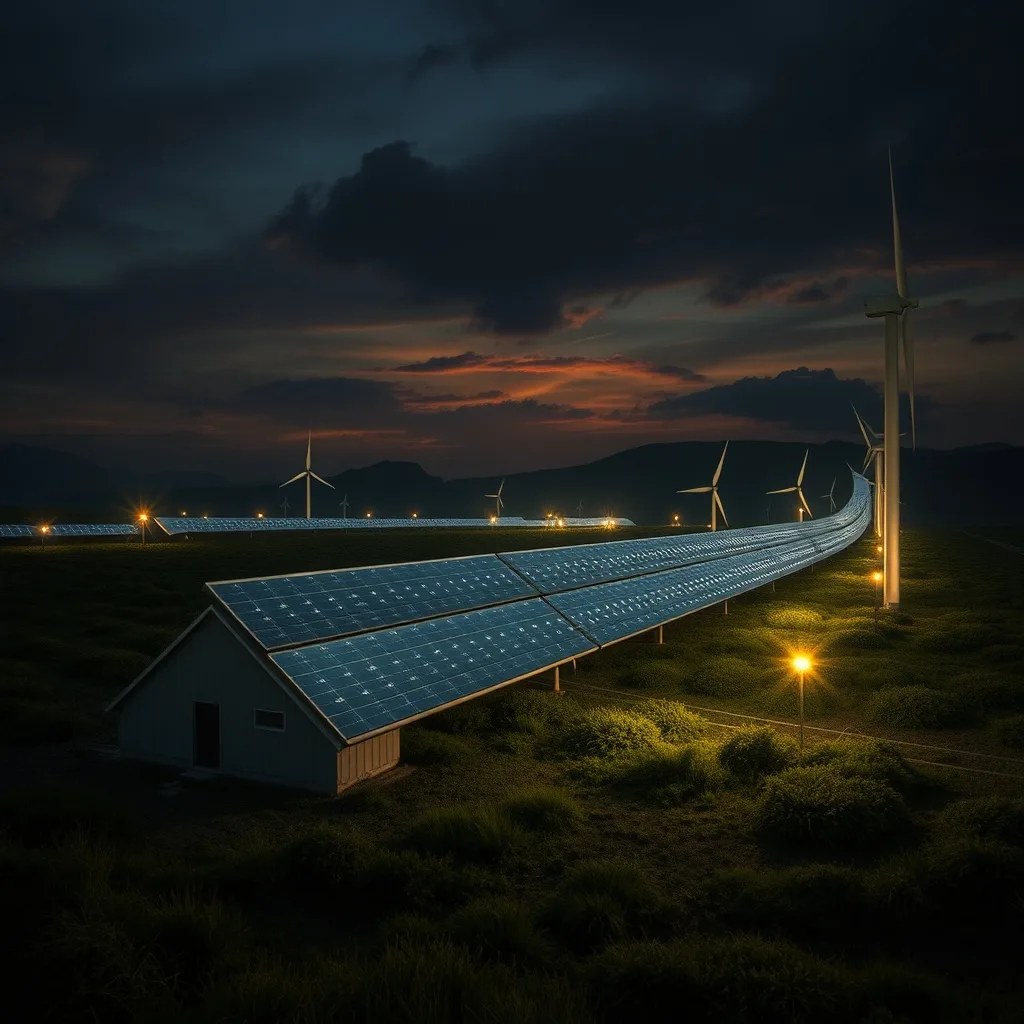
The future of renewable energy storage is not one battery that wins; it is a stack of technologies matched to how long the energy needs to be held. Lithium batteries already cover the first few hours after sunset. The open problem is the next tier: cheap storage that can carry a grid through a windless winter week. This guide explains what is being deployed now, which technologies are closest to commercial scale, what governments are targeting, and what a homeowner or investor can reasonably expect to change over the next decade.
Table of Contents
- Why Storage Decides How Far Renewables Can Go
- Storage by Duration: The Map That Matters
- What Is Being Built Today
- Technologies Closest to Scale
- Public Targets and Research Programs
- What It Means for Homes and Investors
- FAQ
Why Storage Decides How Far Renewables Can Go
Solar and wind are cheap when the sun shines and the wind blows, and worth nothing when they do not. Storage turns that intermittent output into dispatchable power, which is the product a grid actually needs. Up to a point, a grid can absorb variable generation by flexing other plants. Beyond that point, every additional gigawatt of solar needs somewhere to go at noon and something to replace it at 7 p.m.
The U.S. Department of Energy frames the issue in its solar energy and storage basics: storage lets solar energy be used when it is needed rather than only when it is produced, and it can provide grid services such as frequency regulation that solar alone cannot. That is the technical reason storage, not panels, is now the pacing item for high-renewable grids.
Storage by Duration: The Map That Matters
The single most useful way to think about future storage is by duration: how many hours a system can discharge at full power. Each band has different economics and different leading technologies.
| Duration band | Job on the grid | Leading technology today | Contenders |
|---|---|---|---|
| Seconds to minutes | Frequency regulation, smoothing | Lithium batteries, flywheels | Supercapacitors |
| 1 to 4 hours | Shifting solar into the evening peak | Lithium-ion (increasingly LiFePO4) | Sodium-ion |
| 4 to 12 hours | Covering a full night, daily cycling | Pumped hydro where geography allows; lithium at higher cost | Flow batteries, iron-air, compressed air, thermal storage |
| Days to weeks | Riding through calm, cloudy spells | Almost nothing at scale yet | Hydrogen, iron-air, long-duration thermal, pumped hydro |
| Seasonal | Storing summer surplus for winter | None commercial | Hydrogen and derived fuels, large thermal pits |
Lithium dominates the first two bands because its cost per kWh has fallen dramatically and it responds in milliseconds. It struggles above about four hours because you pay for every hour of capacity in cells. Long-duration contenders accept lower round-trip efficiency in exchange for cheap capacity: a tank of electrolyte, a pile of iron, or a hill with a reservoir on top costs far less per stored kWh than cells do.
What Is Being Built Today
Today’s grid storage build-out is overwhelmingly lithium-ion, and increasingly the lithium iron phosphate (LiFePO4) chemistry rather than the nickel-based chemistries used in cars. LiFePO4 gives up some energy density, which does not matter in a shipping container, in exchange for longer cycle life, lower cost and better thermal stability.
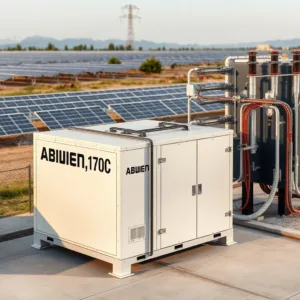
Typical grid batteries now ship as pre-assembled containers rated for two to four hours of discharge, sited next to solar farms or substations. Their business case rests on three revenue streams: shifting cheap midday solar into the expensive evening, selling frequency services, and providing capacity that lets a utility avoid building a gas peaker. Pumped hydro remains the largest installed storage capacity worldwide, but new sites are slow to permit and build, so it is not where growth is coming from.
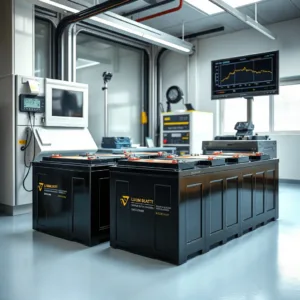
On the home side, the same chemistry shift has happened. Most new residential batteries are LiFePO4, sized for 10 to 15 kWh, and paired with hybrid inverters that can island the house. For sizing and product comparisons, see our guide to the best energy storage systems for home.
Technologies Closest to Scale
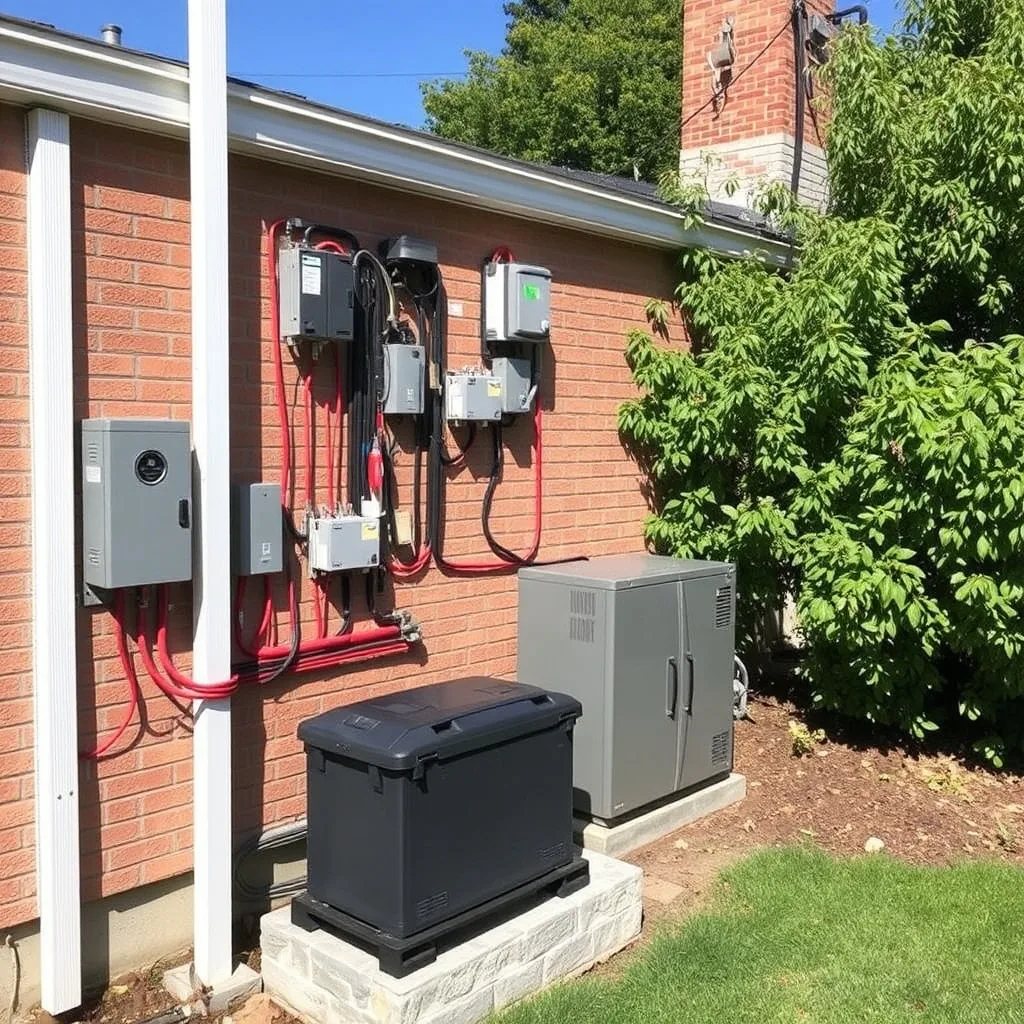
Several long-duration technologies have moved from lab to first commercial projects. None has yet proved it can be manufactured at battery-factory scale, which is the real test.
| Technology | How it works | Strength | Open question |
|---|---|---|---|
| Iron-air batteries | Iron rusts to discharge, reverses to charge; air is the other electrode | Very cheap materials, 100-hour duration | Low round-trip efficiency; large footprint; early plants only |
| Flow batteries (vanadium, zinc, organic) | Energy stored in liquid electrolyte tanks, power set by the stack | Capacity scales with tank size; long cycle life | Vanadium cost; system complexity |
| Sodium-ion | Lithium-ion design with sodium instead of lithium | Abundant materials, no lithium or cobalt | Lower energy density; production still ramping |
| Thermal storage | Heat stored in sand, molten salt, bricks or rock, returned as heat or electricity | Simple, cheap, long duration | Turning heat back into electricity is inefficient |
| Compressed and liquid air | Air compressed or liquefied off-peak, expanded through a turbine on demand | Uses standard industrial equipment | Efficiency; needs caverns or large tanks |
| Green hydrogen | Electrolysis stores electricity as gas; fuel cells or turbines return it | Seasonal storage and industrial use | Round-trip efficiency well under half; cost of electrolysers |
| Gravity storage | Blocks or water lifted, then lowered through generators | Long life, no chemistry | Few operating projects; cost per kWh unproven |
The realistic reading is that iron-air, flow and sodium-ion are the nearest-term additions to the grid, thermal storage will grow fastest where the end use is heat rather than electricity, and hydrogen will find its first role in industry before it becomes seasonal grid storage. Battery chemistry choices, including what each one means for safety, are covered in our guide to solar battery chemistry.
Public Targets and Research Programs
Governments are funding the long-duration gap directly because the market alone rewards short-duration lithium. In the United States the Department of Energy’s Office of Electricity runs a set of storage programs described on its energy storage page, including the Long-Duration Storage Shot, whose stated aim is to cut grid-scale storage costs by 90 percent within the decade for systems that deliver 10 or more hours. The same office runs the Grid Storage Launchpad for validating early-stage systems and works on safety codes and standards.
The design of those programs tells you what the experts think is missing: uniform performance data, validation of new chemistries under real grid conditions, and safety and permitting frameworks that keep pace with deployment. Cost is the headline target, but data and standards are what let a utility sign a 20-year contract on a technology that is five years old.
What It Means for Homes and Investors
For a homeowner, the next decade will mostly bring cheaper and longer-lived lithium batteries, not exotic chemistries. Sodium-ion may appear in home products as a lower-cost option; iron-air and flow batteries are grid-scale. The practical advice is unchanged: size the battery for your evening load and backup needs, not for a technology that might arrive later. Our energy storage size calculator walks through that.
Three trends will affect home systems directly:
- Virtual power plants. Utilities increasingly pay households to let a fleet of home batteries discharge on command. This turns a backup battery into an earning asset.
- Vehicle-to-home. An electric car holds several times more energy than a home battery. Bidirectional chargers let it act as one during outages.
- Safety standards. Listing requirements for home batteries are tightening, which raises quality and, in the short term, cost.
For investors, the signal is duration. Two-hour lithium projects are becoming commoditised; four-hour and longer systems earn capacity payments that short systems cannot. The technologies in the table above are where early-stage risk and reward sit. For a full map of the topic, see our energy storage systems topic guide.
FAQ
What is the future of renewable energy storage?
A mix of technologies sorted by duration: lithium for hours, iron-air, flow and thermal storage for days, and hydrogen for seasonal storage, with governments funding the long-duration gap.
Will lithium batteries be replaced?
Not for short-duration storage; they keep getting cheaper. They will be joined, not replaced, by long-duration technologies for jobs where cell cost per kWh is too high.
What is long-duration energy storage?
Storage that can discharge at full power for 10 hours or more. The U.S. Long-Duration Storage Shot targets a 90 percent cost reduction for such systems within the decade.
Is hydrogen a good way to store renewable energy?
For seasonal storage and industrial use it is one of the few options, but its round-trip efficiency is low. Expect it to serve industry before it serves the grid at scale.
Which new battery chemistry will reach homes first?
Sodium-ion is the most likely, as a lower-cost alternative to LiFePO4. Iron-air and flow batteries are aimed at grid-scale installations.
Should I wait for better batteries before buying a home system?
Only if you have no need today. Prices keep falling, but a battery installed now earns savings and backup value immediately, and can still join a virtual power plant later.
Related Posts
Leave a Comment
Your comment will be published after it has been approved. Please send comments that do not contain slang words.