
Solar Inverter Problems
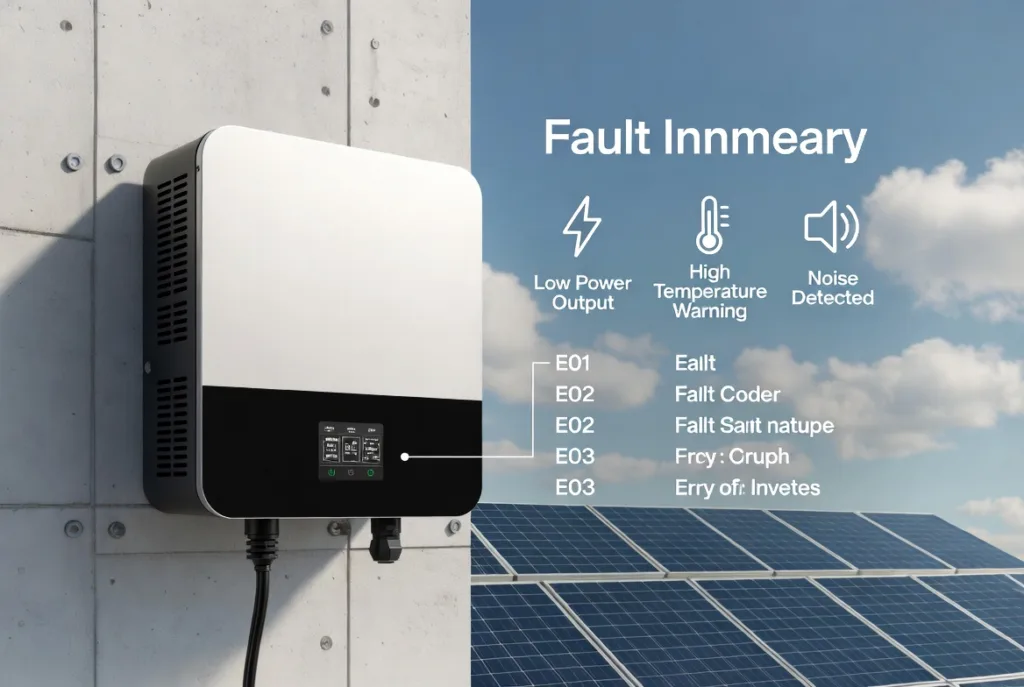
The inverter is the brain of any solar system, yet it is also the component most likely to fail first. While solar panels routinely last 25 years or more, inverters work harder, run hotter, and carry far more electronic complexity — which is why they account for a large share of all solar system service calls.
When an inverter misbehaves, your entire array can stop producing, silently costing you money every sunny hour it stays down. Understanding the most common solar inverter problems, why they happen, and how to respond can be the difference between a quick fix and weeks of lost generation.
This guide breaks down the real-world faults that affect solar inverters, the warning signs to watch for, and how the picture differs across regions and climates.
Why Inverters Fail More Than Panels
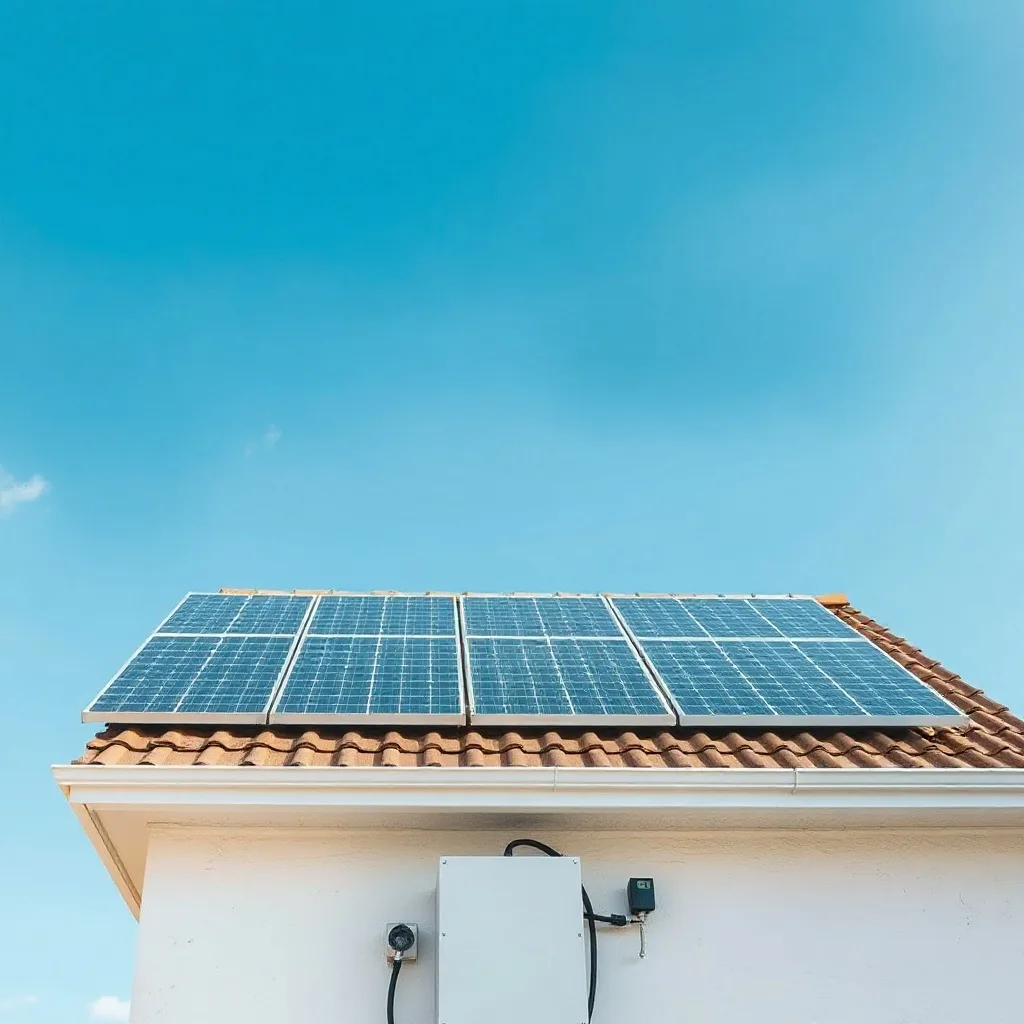
Solar panels are passive. They have no moving parts and simply convert sunlight into direct current. Inverters, by contrast, are active electronic devices that constantly switch, convert, and regulate power — and that workload takes a toll.
An inverter converts the direct current (DC) from your panels into the alternating current (AC) your home and grid use. This conversion happens thousands of times per second through components like capacitors, transistors, and cooling systems, all of which degrade over time. Heat is the single biggest enemy, accelerating wear on sensitive electronics.
- Constant high-frequency switching stresses internal components
- Heat buildup degrades capacitors and semiconductors over time
- Exposure to voltage spikes from the grid or lightning
- Dust, humidity, and temperature swings in outdoor installations
- Firmware and software glitches that panels simply do not have
Because of this, inverters typically carry shorter warranties than panels, and many owners will replace at least one inverter during the life of their system.
Organizations like the National Renewable Energy Laboratory (NREL) have long studied inverter reliability as a key factor in overall system performance, since inverter downtime directly translates to lost energy yield.
The Most Common Solar Inverter Problems
While inverters can fail in dozens of ways, a handful of problems account for the majority of real-world issues. Recognizing them early helps you act before a small fault becomes a full failure.
Overheating. This is perhaps the most frequent culprit. When an inverter runs too hot — due to poor ventilation, direct sun, or a failing internal fan — it will often reduce output (a process called derating) or shut down entirely to protect itself. An inverter installed in a hot, unshaded location is far more prone to this.
Grid voltage faults. Inverters constantly monitor grid conditions and will disconnect if voltage or frequency drifts outside safe limits. Frequent “grid fault” errors sometimes point to genuine grid instability, but can also indicate wiring or configuration issues on your side.
Isolation and ground faults. These errors relate to unwanted electrical paths, often caused by moisture ingress, damaged cable insulation, or connector corrosion. They are safety-critical and should never be ignored.
- Overheating and thermal derating during peak production
- Grid voltage or frequency faults causing disconnection
- Isolation or ground faults from moisture and damaged wiring
- MPPT (maximum power point tracking) errors reducing efficiency
- Complete no-output failures from capacitor or component death
If you are weighing a repair against an upgrade, it is worth understanding how modern units differ — a hybrid solar inverter setup, for instance, adds battery compatibility that older string inverters lack, which can change the repair-versus-replace calculation.
Warning Signs You Should Not Ignore
Inverters usually give clues before they fail outright. Catching these signals early can save you from prolonged downtime and larger repair bills.
The most obvious sign is a drop in energy production. If your monitoring app shows consistently lower output than expected for the weather, the inverter is a prime suspect. Many modern inverters also display fault codes or colored warning lights that indicate specific problems.
- Unexpected drops in daily energy production
- Red or flashing warning lights on the inverter display
- Error codes shown in your monitoring app or on the unit
- Unusual buzzing, humming, or clicking noises
- The inverter feeling excessively hot to the touch
Reviewing your production data regularly is the single best habit for catching problems early. Tools that help with calculating your solar savings often double as early-warning systems, because a sudden dip in savings usually reflects a hardware issue worth investigating.
Comparing Inverter Types and Their Weak Points
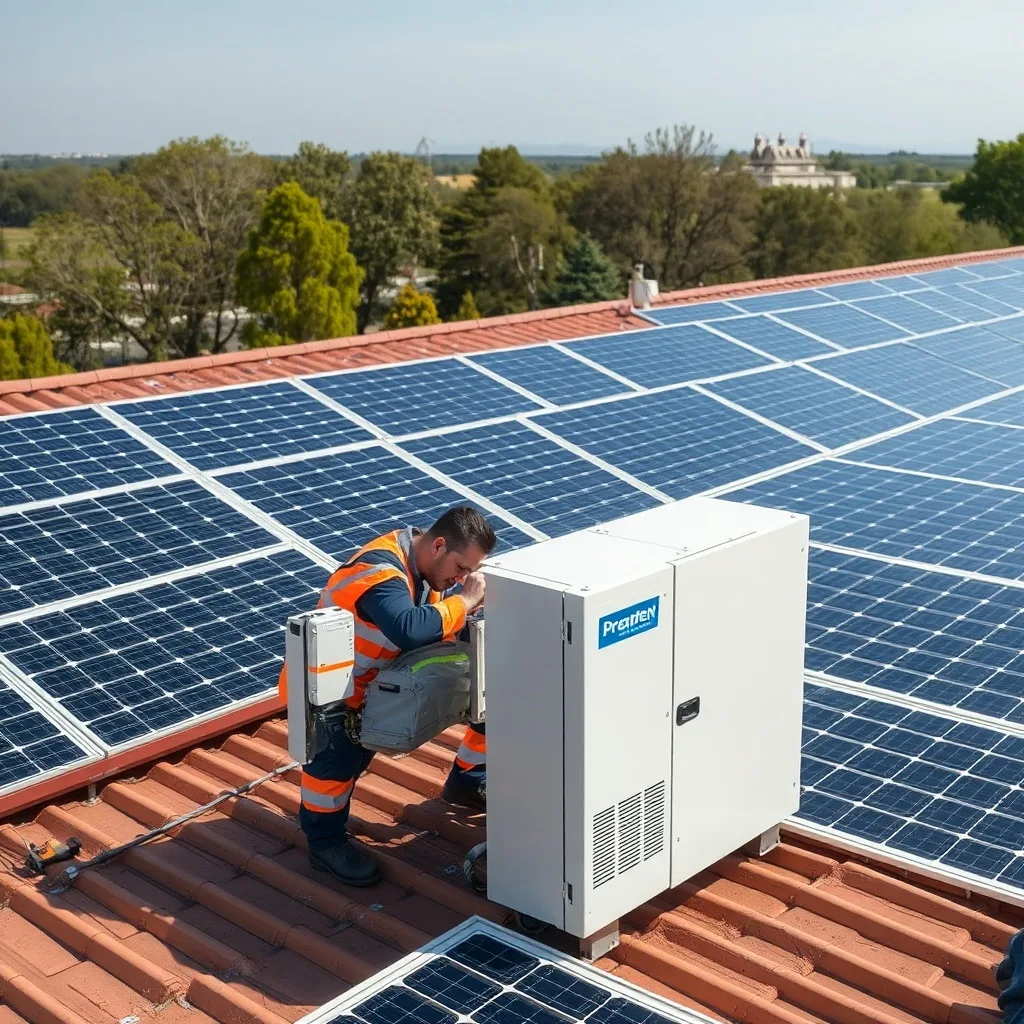
Different inverter designs fail in different ways. Knowing the trade-offs helps you understand your own system’s risks and plan for eventual replacement.
| Inverter Type | Main Strength | Common Weak Point | Typical Use |
|---|---|---|---|
| String inverter | Low cost, simple design | One failure stops the whole string | Standard rooftop systems |
| Microinverter | Panel-level output, shade tolerant | Many units means more points of failure | Complex or shaded roofs |
| Hybrid inverter | Works with batteries | More complex electronics to fault | Solar-plus-storage homes |
| Central inverter | Efficient at large scale | Single point of failure for big arrays | Utility-scale plants |
For homeowners exploring their options, understanding the broader category of solar inverters makes it easier to match the right technology to your roof and reduce the risk of the failure modes above.
How Climate and Region Shape Solar Inverter Problems
Where you live has a major impact on which solar inverter problems you are most likely to face. Heat, humidity, grid quality, and dust all vary enormously by region.
- US: Wide climate variation means overheating dominates in the Southwest, while grid-fault issues appear more in areas with older or strained grid infrastructure.
- EU: Generally stable grids reduce voltage-fault frequency, but humidity in coastal and northern regions raises the risk of moisture-related isolation faults.
- China: Rapid large-scale deployment and diverse climates create a broad mix of thermal and dust-related failures, especially in desert utility projects.
- India: High ambient temperatures, dust, and variable grid quality make overheating and grid-fault errors particularly common.
- Middle East: Extreme heat and dust are the dominant stressors, making thermal management and regular cleaning essential for inverter longevity.
The International Energy Agency (IEA) tracks how solar performs across these varied conditions, and regional climate is consistently a major factor in equipment reliability and expected lifespan.
Preventing and Fixing Solar Inverter Problems
Many solar inverter problems are preventable with sensible installation choices and basic ongoing care. When faults do occur, a structured response gets your system back online faster.
Prevention starts at installation. Placing the inverter in a shaded, well-ventilated location away from direct afternoon sun dramatically reduces thermal stress. Ensuring proper wiring and quality connectors limits the moisture and corrosion issues behind many isolation faults.
- Install in a cool, shaded, well-ventilated location
- Keep ventilation openings and cooling fans free of dust
- Monitor production data regularly to catch dips early
- Note any fault codes before contacting your installer
- Never attempt internal repairs on a live, high-voltage unit
When a fault appears, resist the urge to open the unit. Inverters carry dangerous voltages even when the system seems off. Instead, record the error code, check your monitoring app, and contact a certified installer.
For those considering a full system rethink rather than a repair, exploring options like an off-grid solar system or newer storage-ready hardware can be a smart long-term move.
The U.S. Department of Energy (DOE) and bodies like the EPA also publish general guidance on safe solar system operation and maintenance.
When to Repair Versus Replace
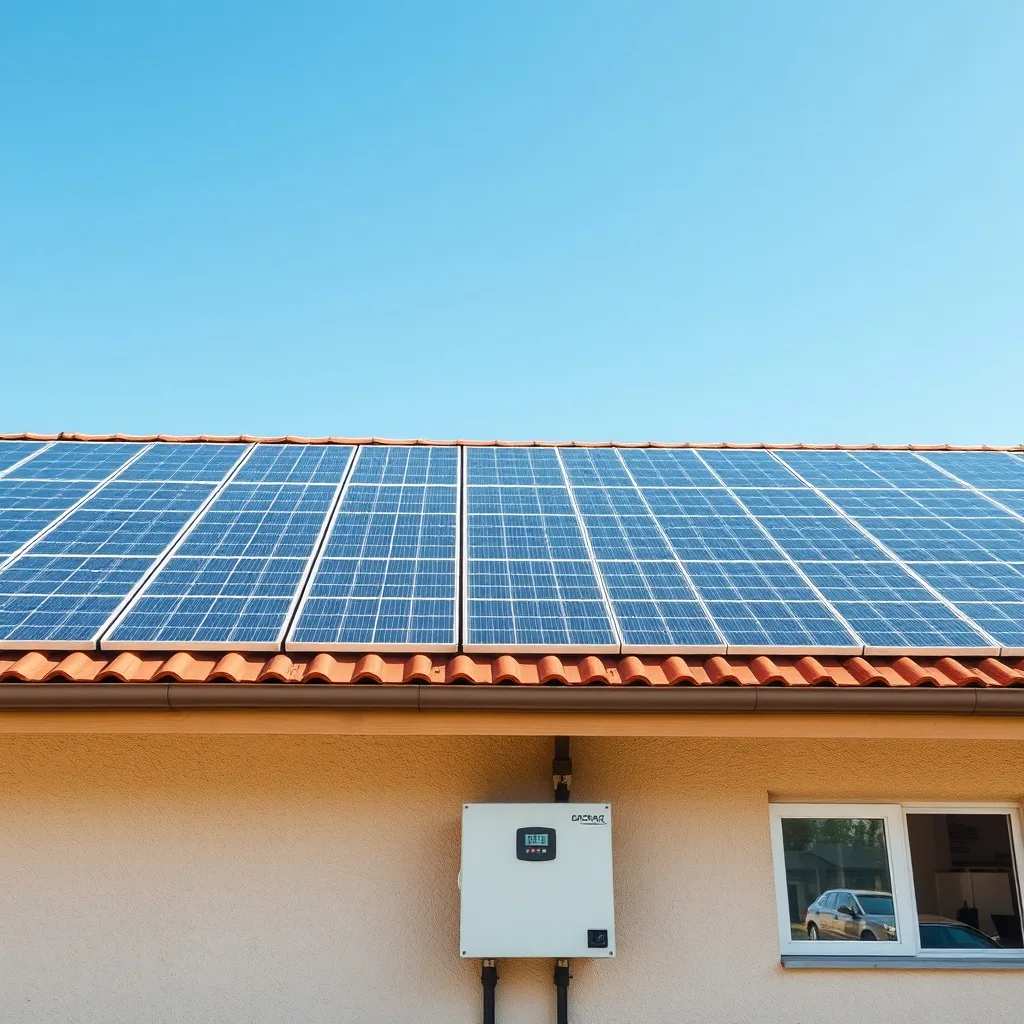
One of the hardest decisions owners face is whether to repair an aging inverter or replace it outright. The right answer depends on age, cost, and how your energy needs have evolved.
As a rough guide, a young inverter under warranty should almost always be repaired or replaced under that warranty at little cost to you. An older unit near the end of its expected life is often better replaced entirely, especially if repairs are frequent or parts are hard to source.
- Under warranty: pursue a warranty claim first
- Frequent faults on an old unit: replacement is usually wiser
- Adding batteries later: consider upgrading to a hybrid model
- Rising energy needs: a replacement can add capacity and features
Replacement is also an opportunity. Newer inverters are more efficient, offer better monitoring, and often support battery storage — so a failure can become a chance to modernize.
Weighing the cost against improved performance and financing options, such as those covered in guides on home solar financing, helps you make a decision that pays off over the long run.
An Annual 15-Minute Prevention Routine
Most catastrophic solar inverter problems start as small, visible neglect. Once a year, walk through this list:
- Look: discoloration, insect nests or corrosion around the enclosure; cracked conduit where it enters the wall.
- Listen: a healthy unit hums steadily at midday. Irregular clicking or a coil whine that changes pitch signals wear.
- Feel: the heatsink should be warm, not untouchable. Scorching surfaces at moderate output point to airflow trouble.
- Log in: compare this month’s yield with the same month last year. A drop beyond 5–8% that weather cannot explain deserves investigation.
- Tighten: if you are qualified to open the DC disconnect, check terminal torque annually — loose lugs are the leading preventable cause of inverter fires.
Fifteen minutes a year sounds trivial, but service companies consistently report that the solar inverter problems that end in premature replacement belong to owners who never once looked at them. The cheapest fix for solar inverter problems is noticing them early.
Quick Reference: Solar Inverter Problems by Symptom
When something looks wrong, start from the symptom rather than the component. Most solar inverter problems map cleanly to one of five patterns:
| Symptom | Most likely cause | First step |
|---|---|---|
| No display, no output | DC or AC disconnect open; tripped breaker | Check both disconnects and the panel breaker before calling anyone |
| Error code at midday | Grid voltage or frequency excursion | Log the code and time; recurring codes point to utility-side issues |
| Output drops on hot afternoons | Thermal derating from poor ventilation | Clear obstructions and shade the enclosure; persistent derating suggests fan failure |
| Production sags gradually over months | Failing capacitors or soiled DC connections | Compare monthly yield year-over-year; a steady slide justifies inspection |
| Humming, clicking or burning smell | Relay wear or component failure | Shut down at both disconnects and book service — do not wait on smells |
Two habits prevent the majority of solar inverter problems from becoming replacements: keep the enclosure’s airflow unobstructed, and review monitoring data monthly so slow declines get caught while the unit is still under warranty. Diagnosing solar inverter problems early is the difference between a firmware fix and a four-figure replacement.
A final habit worth adopting: photograph the display whenever solar inverter problems surface, including the timestamp. Installers diagnose solar inverter problems far faster from a fault-code photo than from a description, and the record protects your warranty claim if the fault recurs.
Frequently Asked Questions
How long do solar inverters usually last?
Most string inverters last around 10 to 15 years, which is shorter than the 25-plus year lifespan of solar panels, so at least one replacement over the system’s life is common.
Why does my inverter shut down on hot, sunny days?
This is usually thermal derating or shutdown, where the inverter reduces output or turns off to protect itself from overheating, often due to poor ventilation or direct sun exposure.
Can I fix an inverter fault myself?
You can safely check monitoring apps, note error codes, and ensure ventilation is clear, but internal repairs should always be left to certified professionals because inverters carry dangerous voltages.
Is it better to repair or replace a failing inverter?
If the unit is under warranty, pursue a claim first. If it is old and failing repeatedly, replacement is usually more cost-effective and lets you upgrade to newer, storage-ready technology.
Are solar inverter problems covered by warranty?
Usually, yes &mdash. If you report them in time. Standard string inverter warranties run 10–12 years and most manufacturers require the fault codes and monitoring history, which is why logging solar inverter problems when they first appear matters more than most owners realize.
Related Posts
Leave a Comment
Your comment will be published after it has been approved. Please send comments that do not contain slang words.