
Solar Inverter Cooling Systems
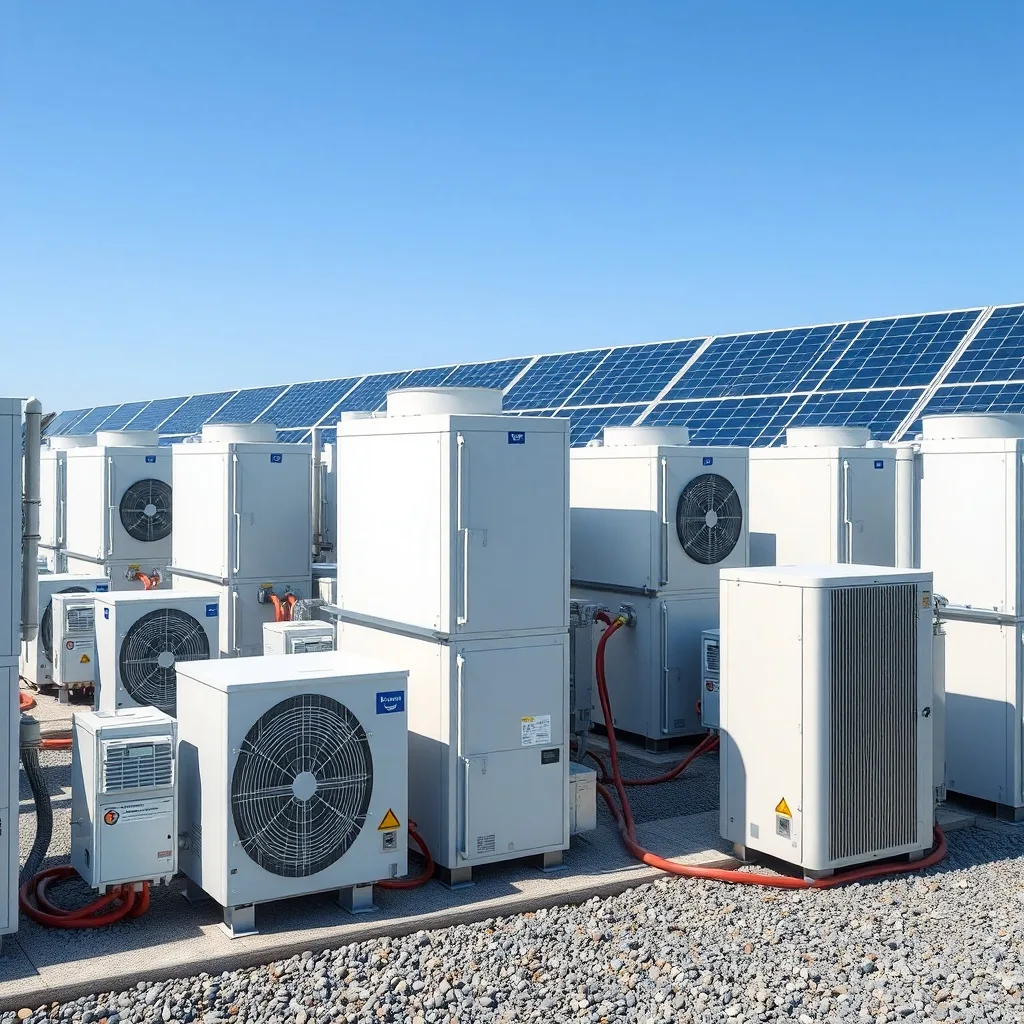
Solar inverter cooling systems keep internal electronics within their safe operating temperature range. Overheating is one of the most common causes of reduced efficiency and premature failure.
Table of Contents
- Why does solar inverter cooling matter?
- How do cooling methods compare?
- What are the types at a glance?
- Where should I place my inverter for cooling?
- Frequently Asked Questions
Why does solar inverter cooling matter?
Inverters generate heat converting DC to AC power, and excess heat degrades both efficiency and component lifespan. Most inverters automatically reduce output (derate) if internal temperature climbs too high — a safety feature, not a malfunction, but one that directly costs you production on hot days if cooling isn’t adequate.
How do cooling methods compare?
Passive/convection cooling relies on the enclosure’s design and natural airflow, with no moving parts — quieter and more reliable, but less effective in consistently hot climates. Active/fan cooling moves more air and handles heat better under sustained high load, at the cost of some fan noise and one more component that could eventually fail.
What are the types at a glance?
| Cooling Type | Pros | Cons |
|---|---|---|
| Passive/convection | Silent, no moving parts to fail | Less effective in extreme heat |
| Active/fan-cooled | Better heat handling under load | Some noise, one more component |
Where should I place my inverter for cooling?
Shade from direct afternoon sun and airflow clearance around the enclosure matter more than the cooling method itself. A north-facing exterior wall or a well-ventilated garage typically outperforms a south-facing wall in full sun, regardless of whether the unit is passively or actively cooled.
Frequently Asked Questions
Is fan noise from my inverter normal?
Yes, active cooling fans running under load or on hot days is normal operation.
Does my inverter really lose output from overheating?
Yes, automatic thermal derating reduces output to protect components — this is intentional, not a fault.
Can I improve cooling after installation?
Adding shade or improving airflow clearance around an existing unit can help, though major relocation is a bigger job.
Do passive-cooled inverters overheat more often?
In consistently hot climates, yes, more than active-cooled units — location and shading matter more for these units.
How do I know if overheating is affecting my system?
Check your monitoring app for unusually low output specifically on the hottest days compared to similarly sunny cooler days.
For related environmental factors, see our solar inverter efficiency guide. For placement guidance in your hybrid system, see our best hybrid solar inverter guide.
Related Posts

Leave a Comment
Your comment will be published after it has been approved. Please send comments that do not contain slang words.