
Energy Storage System Warranty
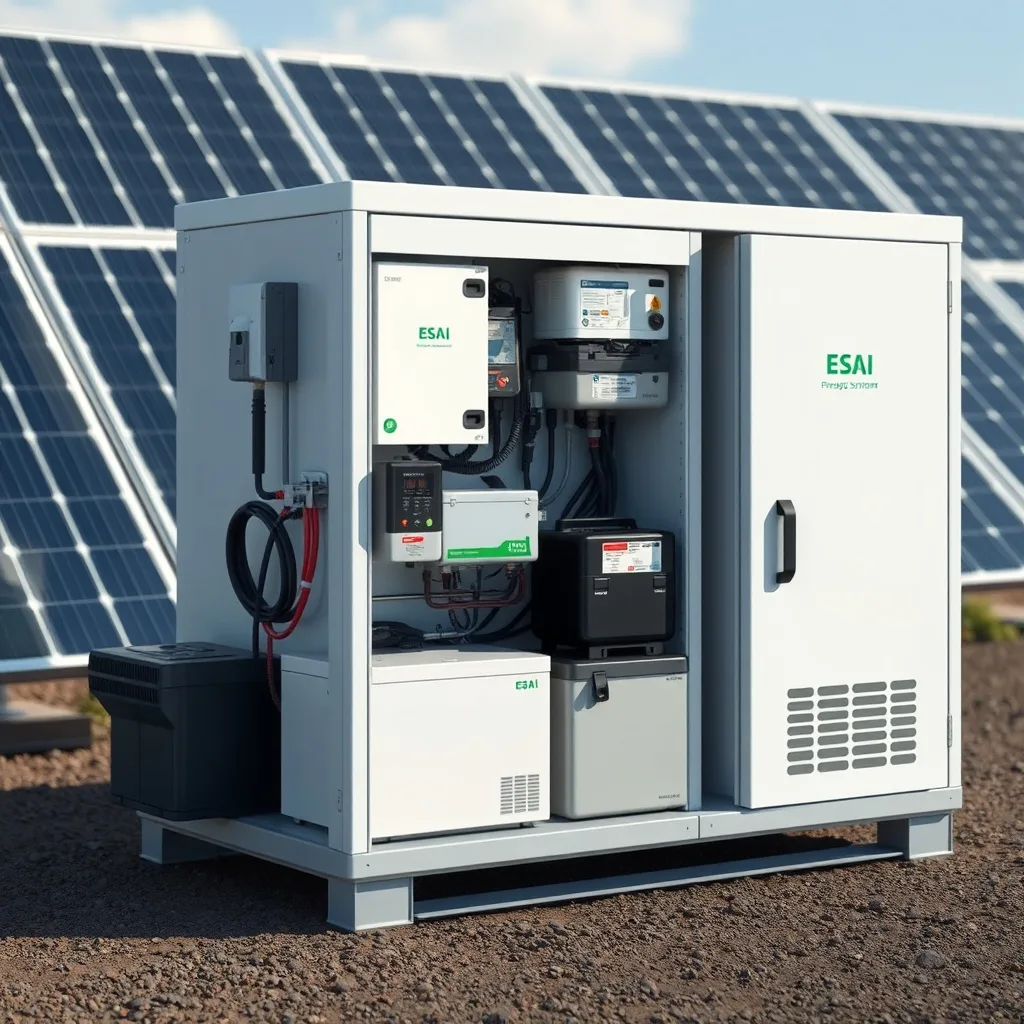
Battery storage warranties protect a genuinely expensive component — understanding what’s actually covered, and for how long, matters as much as the upfront purchase decision.
Table of Contents
- How Battery Warranties Are Structured
- What Voids a Battery Warranty
- Typical Warranty Terms
- Reading the Fine Print
- Frequently Asked Questions
How Battery Warranties Are Structured
Most quality battery warranties combine a time period (commonly 10 years) with a throughput or cycle limit and a guaranteed minimum retained capacity (often 70-80%) at the end of the warranty term — whichever limit is reached first typically defines the actual warranty boundary, not just the stated year count alone.
What Voids a Battery Warranty
Operating outside the manufacturer’s specified temperature range, unauthorized modifications, improper installation by an uncertified installer, and physical damage from causes outside normal use are the most common warranty voiders. Normal degradation from regular use is explicitly covered, not a voiding condition.
Typical Warranty Terms
| Warranty Element | Typical Term |
|---|---|
| Time period | 10 years, common industry standard |
| Cycle/throughput limit | Varies by manufacturer, often 4,000-10,000 cycles |
| Minimum retained capacity | 70-80% at end of warranty term |
Reading the Fine Print
Confirm whether the warranty covers gradual capacity degradation specifically, or only total failure — this distinction matters enormously for daily-cycling use where you’re relying on the battery’s full rated capacity, not just backup availability. Also check whether the warranty transfers to a new homeowner if you sell, which affects resale value.
Frequently Asked Questions
What’s a typical battery storage warranty length?
10 years is the common industry standard, often combined with a cycle limit and minimum capacity guarantee.
Does normal battery degradation void the warranty?
No, gradual capacity loss from normal use is explicitly what the warranty’s minimum-capacity guarantee is meant to cover, not a voiding condition.
What commonly voids a battery warranty?
Operating outside rated temperature range, unauthorized modifications, improper installation, and non-use-related physical damage.
Does the warranty transfer if I sell my home?
Check your specific manufacturer’s terms — this varies and affects resale value if it does transfer.
Should I file a claim if my battery seems to be degrading faster than expected?
Yes, if it’s within the warranty’s cycle/capacity guarantee terms — document performance data to support the claim.
For maintenance that helps preserve warranty compliance, see our battery life optimization guide. For safety considerations, see our energy storage system safety guide.
Related Posts


Leave a Comment
Your comment will be published after it has been approved. Please send comments that do not contain slang words.