
Tesla Powerwall Alternatives: 5 Best Home Batteries Compared (2026)
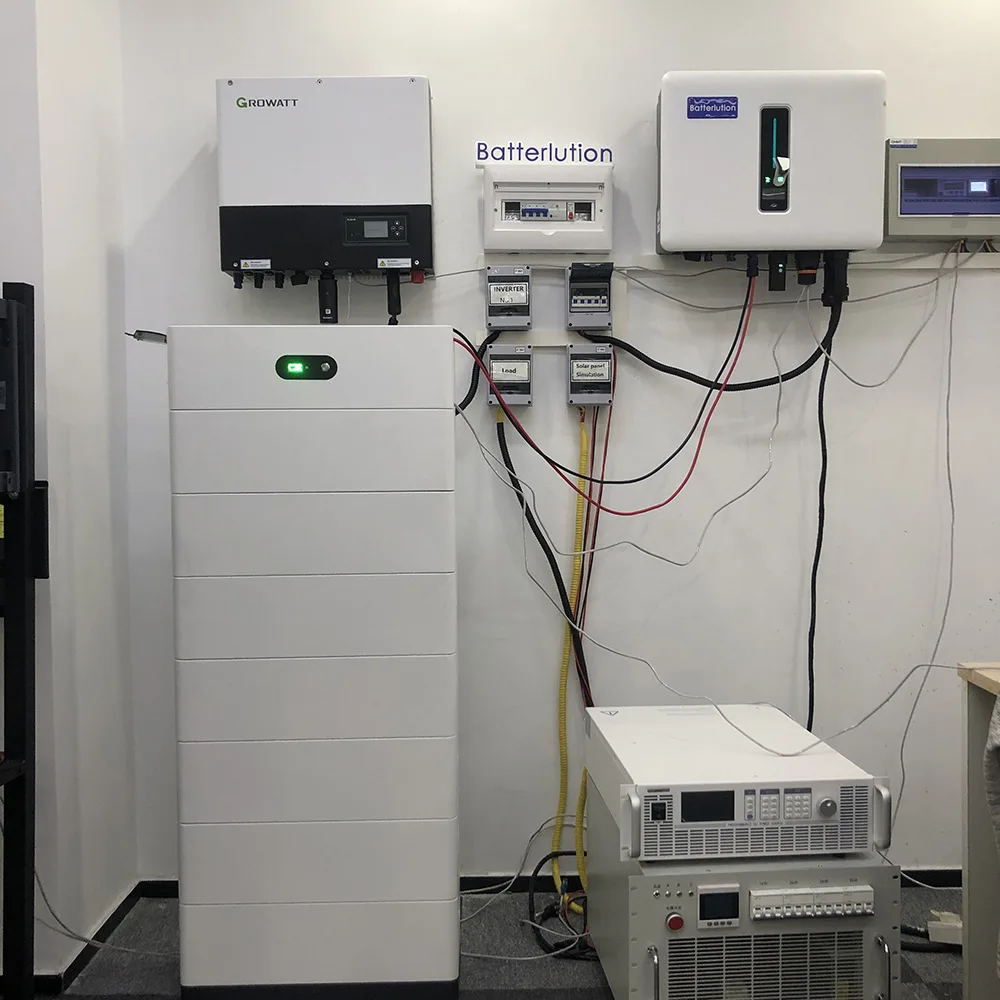
The best Tesla Powerwall alternatives in 2026 are no longer compromises &mdash. The leading Tesla Powerwall alternatives beat the Powerwall 3 outright on capacity or warranty, and one wins almost every retrofit. Tesla still sets the price-per-kilowatt-hour benchmark, but the right choice now depends on what is already on your roof, not on brand momentum.
This comparison covers the Tesla Powerwall alternatives installers actually quote — Enphase IQ Battery 10C, FranklinWH aPower 2, EcoFlow DELTA Pro Ultra X, and sonnen &mdash. With real specifications for each of these Tesla Powerwall alternatives, honest price-per-kWh math, and a decision framework by installation type.
Key takeaways
- Powerwall 3 still wins most new solar-plus-storage installs on price: roughly $926 per kWh installed versus $1,100–$1,300 for rivals.
- FranklinWH aPower 2 (15 kWh) is the retrofit king — AC-coupled and inverter-agnostic, it drops behind any existing solar system.
- Enphase IQ 10C is the obvious pick for homes already on Enphase microinverters, with a 15-year warranty that outruns Tesla’s 10.
- Warranty is the quiet differentiator: Enphase and Franklin cover 15 years; Tesla, SolarEdge and BYD stop at 10.
- All serious 2026 contenders use LFP chemistry — safety and cycle life no longer separate the brands; architecture and ecosystem do.
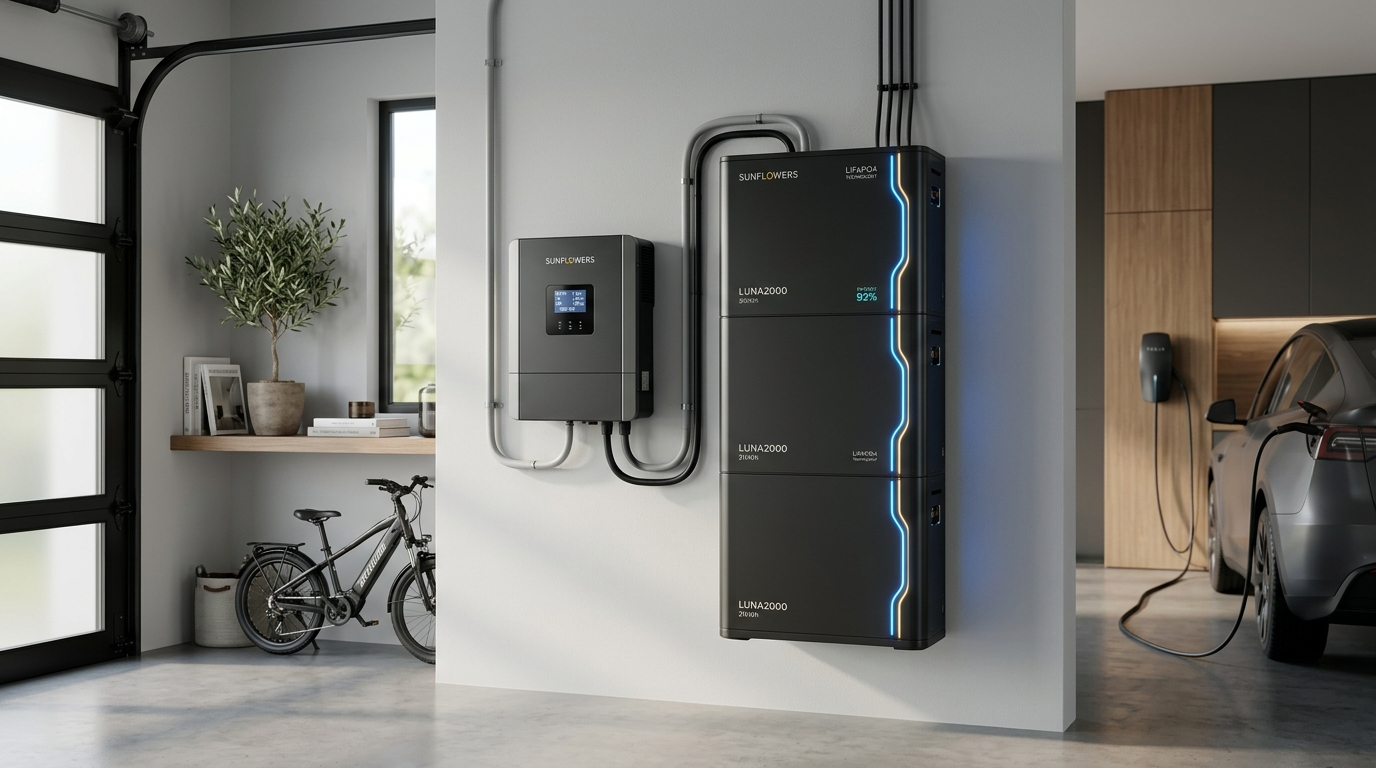
Quick verdict: which Tesla Powerwall alternatives win where
| Your situation | Best choice | Why |
|---|---|---|
| New solar + storage install | Tesla Powerwall 3 | Integrated 11.5 kW solar inverter, lowest $/kWh |
| Adding battery to existing solar (any brand) | FranklinWH aPower 2 | AC-coupled, inverter-agnostic, 15 kWh, 15-yr warranty |
| Existing Enphase microinverter system | Enphase IQ 10C | Native ecosystem, one app, 15-yr warranty |
| Backup-first, portable flexibility | EcoFlow DELTA Pro Ultra X | Modular, fast deploy, 2026 CES Innovation Award |
| Off-grid or grid-defection plans | Franklin or stacked LFP rack | Higher usable capacity per unit, generator integration |
Tesla Powerwall Alternatives Head-to-Head: Master Spec Table
| Spec (2026) | Tesla Powerwall 3 | FranklinWH aPower 2 | Enphase IQ 10C | EcoFlow DP Ultra X |
|---|---|---|---|---|
| Usable capacity | 13.5 kWh | 15 kWh | 10 kWh | 6–90 kWh (modular) |
| Continuous output | 11.5 kW | 10 kW | 7.08 kW | 7.2–21.6 kW |
| Chemistry | LFP | LFP | LFP | LFP |
| Coupling | DC (integrated solar inverter) | AC (inverter-agnostic) | AC (Enphase ecosystem) | AC (standalone capable) |
| Warranty | 10 years | 15 years | 15 years | 10 years |
| Approx. installed $/kWh | ~$926 | ~$1,176 | ~$1,250 | varies by config |
| Stacking limit | 4 units | 15 units | flexible | modular packs |
Every serious contender has converged on lithium iron phosphate, which means the safety and cycle-life gap that once separated brands has closed &mdash. Our solar battery chemistry guide explains why LFP won that war. What still separates them is architecture: where the inverter lives, whose ecosystem you join, and how the warranty math plays out over 15 years.
Tesla Powerwall 3: the benchmark to beat
The Powerwall 3’s decisive feature is its integrated 11.5 kW solar inverter &mdash. On a new install, one box replaces two, which is exactly why it wins most new-build quotes on total system price. At roughly $926 per installed kWh it undercuts every premium rival, and its 11.5 kW continuous output starts well pumps and air conditioners that strain smaller units.
The honest weaknesses: a 10-year warranty against 15 from Enphase and Franklin, a closed ecosystem that expects Tesla hardware end-to-end, and &mdash. For retrofits onto existing non-Tesla solar &mdash. An integrated inverter you pay for but may not need. Installer availability also fluctuates with Tesla’s direct-sales priorities in some regions.
FranklinWH aPower 2: the retrofit specialist
Franklin designed the aPower 2 around one insight: most American homes adding a battery in 2026 already have solar. Its AC-coupled, inverter-agnostic design sits behind any existing system &mdash. String, optimizer or micro &mdash. Without touching the solar side. With 15 kWh usable (the largest single unit here), a 10 kW output, a 15-year warranty and stacking to 15 units, it is the quote to beat for whole-home retrofit backup.
The trade-off is price: at roughly $1,176 per kWh it carries a ~27% premium over the Powerwall. For a retrofit that premium buys avoided inverter replacement. For a new install it is harder to justify &mdash. Which is why the same two products win different jobs.
Enphase IQ 10C: the ecosystem play
If your roof already runs Enphase microinverters, the IQ Battery 10C is close to an automatic decision: one app, one warranty relationship, one service call, and a 15-year warranty on the battery to match the microinverters’ 25. The 10 kWh module stacks cleanly for larger homes.
Outside that ecosystem the case collapses &mdash. The 10C requires Enphase microinverters, so pairing it with SolarEdge, string inverters or anything else means replacing the entire inverter layer first. Its 7.08 kW output is also the lowest here. Homes with big surge loads need two units or careful load management, a sizing question our home battery storage guide walks through.
EcoFlow DELTA Pro Ultra X: the flexible newcomer
EcoFlow attacks the category from the portable-power side: the DELTA Pro Ultra X scales from a single 6 kWh module to 90 kWh, deploys without a multi-day electrical project for basic configurations, and won a 2026 CES Innovation Award on the strength of that flexibility. For renters, phased budgets, or backup-first buyers who may add solar later, it is the most adaptable of the current Tesla Powerwall alternatives.
The caveats: whole-home integration with automatic transfer still requires professional installation like everyone else, long-term field data at 10+ years is thinner than the incumbents’, and per-kWh pricing lands mid-pack once configured for true whole-home duty.
The 15-year cost math most comparisons skip
Sticker price per kWh flatters the 10-year-warranty products. Spread the same numbers across realistic service life and the ranking shifts:
| System | Installed cost (typical) | Warranty | Cost per warranted kWh-year |
|---|---|---|---|
| Powerwall 3 (13.5 kWh) | ~$12,500 | 10 yr | ~$93 |
| FranklinWH aPower 2 (15 kWh) | ~$17,600 | 15 yr | ~$78 |
| Enphase IQ 10C (10 kWh) | ~$12,500 | 15 yr | ~$83 |
Measured per warranted kilowatt-hour-year, Franklin’s premium evaporates and the 15-year products pull ahead. That does not make Tesla Powerwall alternatives automatically better &mdash. Batteries routinely outlive warranties &mdash. But it shows why serious buyers should compare guaranteed coverage, not just checkout price. Full price context lives in our battery storage cost guide, and marketplace quote data from EnergySage confirms identical systems spreading 20%+ between installers &mdash. Get three quotes whichever brand you pick.
More Tesla Powerwall Alternatives: sonnen, SolarEdge and BYD
sonnen remains the premium pick for buyers who value German build quality, virtual-power-plant participation and 15,000-cycle design life &mdash. At a price that only pencils where VPP programs pay well. SolarEdge Home Battery makes sense inside existing SolarEdge optimizer systems for the same ecosystem reasons Enphase does, with a 10-year warranty. BYD’s Battery-Box dominates value-focused installs across Europe and pairs with many hybrid inverters &mdash. Relevant if you are designing around a hybrid solar inverter rather than an all-in-one product.
How to choose in four questions
- Do you already have solar? No → Powerwall 3 or a hybrid-inverter build. Yes → question 2.
- What is on the roof? Enphase micros → IQ 10C. Anything else → Franklin aPower 2 leads the retrofit shortlist.
- What must stay on in an outage? Whole home with big motor loads → prioritize 10+ kW continuous output and check surge ratings against your well pump or AC compressor.
- How long will you own the home? 10+ years → weight the 15-year warranties heavily; the cost-per-warranted-year table above is your tiebreaker.
Whichever of the Tesla Powerwall alternatives you choose, the safety fundamentals do not change between brands: UL 9540 listing, code-compliant placement and ventilation &mdash. Covered in our battery storage fire safety guide &mdash. And incentive paperwork filed before installation, since the federal credit and many state programs detailed by the U.S. Department of Energy require it.
Virtual power plants: the revenue angle that changes the math
In a growing list of states, your battery can earn money while it sits there. Virtual power plant (VPP) programs pay owners for brief grid-support discharges during peak events &mdash. Typically $50–$150 per kW enrolled per season, which on a 10 kW system can return several hundred dollars a year against zero effort.
Among Tesla Powerwall alternatives, ecosystem matters here more than hardware. Tesla’s VPP footprint is the largest and most polished where it operates; Enphase and sonnen run mature programs in select utilities; Franklin and EcoFlow are expanding but patchier. If a well-paying VPP exists in your territory, enrollment eligibility belongs on your comparison sheet next to warranty &mdash. Over ten years it can offset a meaningful slice of the price gap separating Tesla Powerwall alternatives.
Two enrollment cautions: programs cap or control discharge depth, so read what the utility can command before signing, and payments differ sharply between neighboring utilities &mdash. A battery that earns $900/year in one service area may earn nothing across the street.
Installation realities buyers discover late
Panel capacity. Whole-home backup usually wants a 200 A main panel or a critical-loads subpanel. Older 100 A homes should budget for panel work &mdash. Often $2,000–$4,000 &mdash. Before comparing battery quotes at all.
Placement rules. Codes increasingly restrict indoor battery placement and mandate clearances. Garages win, bedrooms and egress paths lose. A north or shaded exterior wall extends life for every brand here.
Timeline. Retrofit installs run one to two days for AC-coupled units. New solar-plus-storage projects follow the solar timeline. Permitting, not labor, is usually the long pole &mdash. Four to eight weeks is normal in busy jurisdictions.
The incentive stack. The federal residential credit expired at the end of 2025 for purchased systems &mdash. But lease/PPA structures can still pass through commercial credits, and several states layer their own storage rebates on top. Our state solar rebate comparison tracks which programs include batteries. File before installation where pre-approval is required.
Frequently asked questions
What is the best Tesla Powerwall alternative overall?
For most buyers adding storage to existing solar, the FranklinWH aPower 2 &mdash. Larger capacity, longer warranty, and it works behind any inverter brand. For new installs, the Powerwall 3 itself usually remains the value pick among Tesla Powerwall alternatives and incumbents alike.
Are Tesla Powerwall alternatives cheaper?
Rarely on sticker price &mdash. The Powerwall 3’s ~$926/kWh installed sets the floor. Alternatives win on other axes: warranty length (Enphase, Franklin at 15 years), retrofit compatibility (Franklin), or modular flexibility (EcoFlow). Per warranted kWh-year, the 15-year products often cost less.
Can I mix a Powerwall with existing non-Tesla solar?
Yes &mdash. The Powerwall 3 can AC-couple to existing systems, though you then carry an integrated solar inverter you are not fully using. That is precisely the scenario where inverter-agnostic Tesla Powerwall alternatives like the Franklin aPower 2 quote stronger.
Do Tesla Powerwall alternatives work off-grid?
All support backup operation. True off-grid daily cycling is a different duty profile. Franklin and stacked-rack LFP systems handle it best. Check generator-integration support before committing, and see our off-grid solar system guide for sizing that use case properly.
Is LFP chemistry standard across Tesla Powerwall alternatives now?
Effectively yes &mdash. Every system in this comparison uses lithium iron phosphate. The chemistry race ended. Buy on architecture, output, warranty and installer quality instead.
Should Powerwall 2 owners upgrade to these newer systems?
Not for capacity alone &mdash. A healthy Powerwall 2 keeps its value as backup. The upgrade case appears when you are expanding anyway: new units from any brand can run alongside the old one in AC-coupled configurations, so expansion is a fresh comparison among the current Tesla Powerwall alternatives rather than a loyalty decision.
The bottom line
The 2026 market splits cleanly: Powerwall 3 for new installs, Franklin for retrofits, Enphase for Enphase homes, EcoFlow for flexibility &mdash. With sonnen, SolarEdge and BYD winning their niches. The era when comparing Tesla Powerwall alternatives meant accepting a downgrade is over. Today it means matching architecture to the system you already own. Start from your roof, not from a brand, and the right battery usually picks itself.
For a modular alternative with a different architecture, see the Generac PWRcell compared.
Related Posts

Leave a Comment
Your comment will be published after it has been approved. Please send comments that do not contain slang words.