
utility scale solar PPA agreements
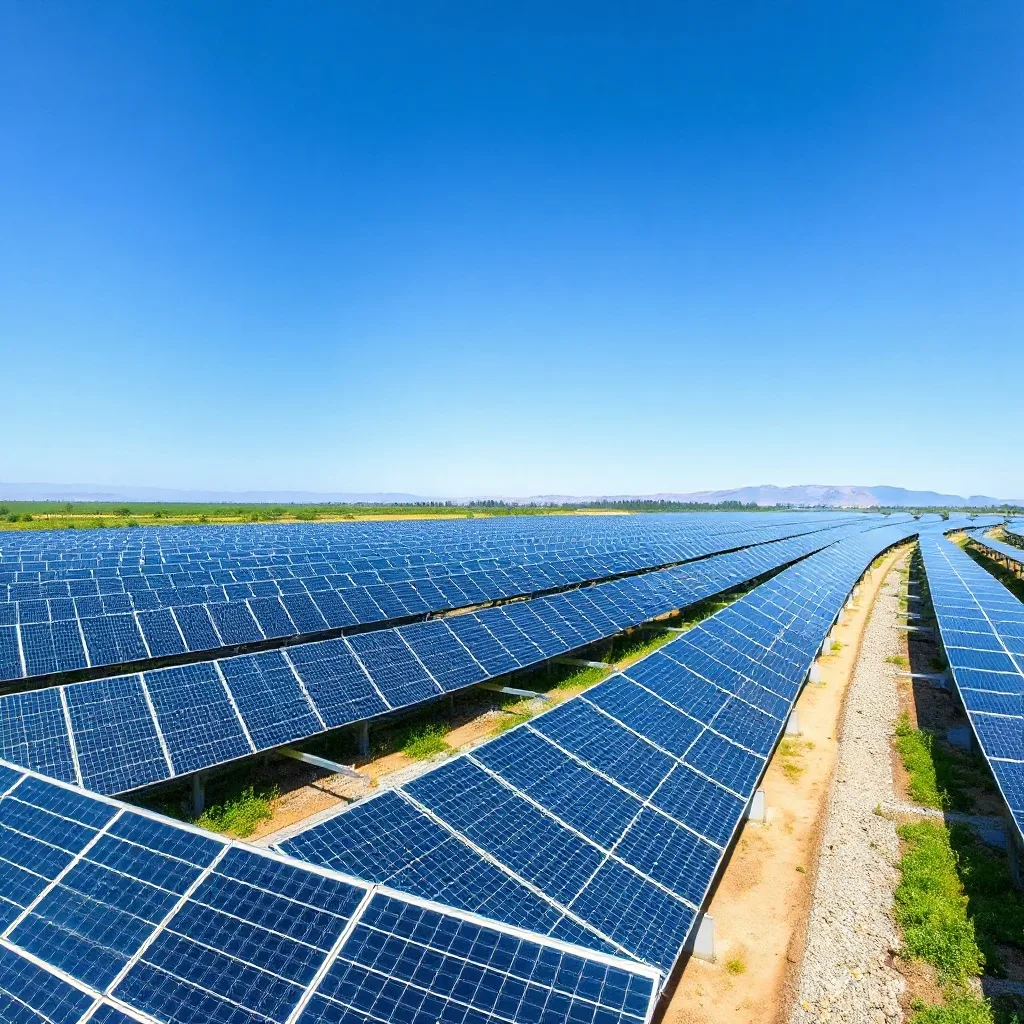
A utility-scale solar power purchase agreement (PPA) is a long-term contract in which a buyer agrees to purchase the electricity a solar farm produces at a fixed or indexed price per megawatt-hour. The developer finances, builds and operates the plant; the buyer, usually a utility or a large corporation, takes the power. PPAs are the backbone of solar farm finance because a signed contract is what convinces lenders to fund construction. This guide explains how the agreements are structured, what the key clauses mean, how prices are set, and where the risks sit for each side.
Table of Contents
- What a Utility-Scale PPA Is
- Physical vs Virtual PPAs
- Key Contract Terms Explained
- How PPA Prices Are Set
- Who Carries Which Risk
- From Term Sheet to First Payment
- FAQ
What a Utility-Scale PPA Is
A PPA separates three roles that a traditional power plant combined: the party that owns the asset, the party that uses the electricity, and the party that carries the price risk. The developer (or a fund that buys the project) owns the farm. The offtaker buys the output. The contract fixes who is exposed if wholesale prices move.
The U.S. Environmental Protection Agency describes the model as an arrangement where a third-party developer “owns, operates, and maintains” the system while the customer buys its output for a predetermined period. Its overview of solar power purchase agreements notes that terms run from about six years up to 25 years, and that prices are often fixed with an annual escalator of 1 to 5 percent.
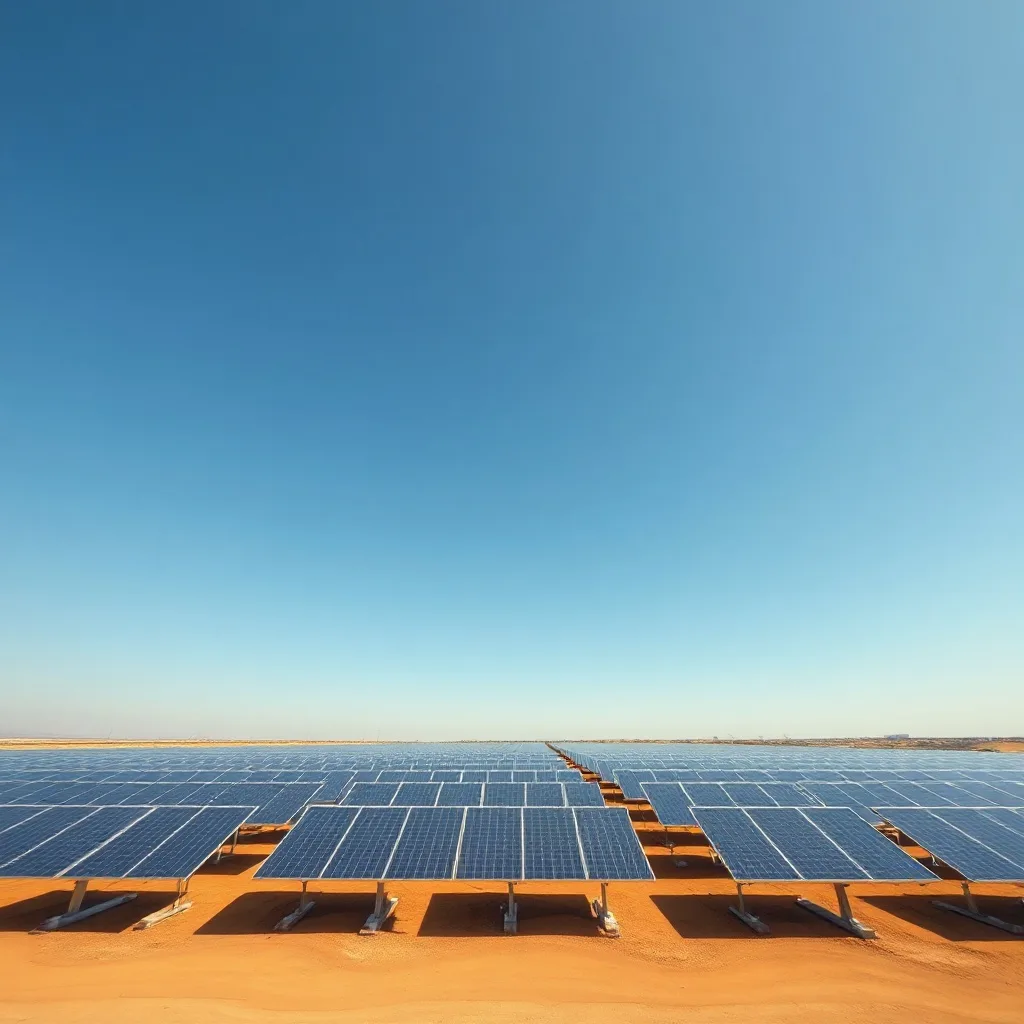
At utility scale the same logic applies with larger numbers. A 100 MW farm might sign a 15- to 25-year PPA with a utility, a data-centre operator or a manufacturer. The contract is typically signed before construction starts, because the bank financing the plant lends against the contracted revenue, not against the sunshine.
Physical vs Virtual PPAs
Physical PPAs deliver electrons; virtual PPAs deliver a price hedge. The distinction decides who has to be connected to which grid.
| Feature | Physical PPA | Virtual (financial) PPA |
|---|---|---|
| What changes hands | Electricity delivered to a grid point the buyer can take from | Cash settlement of the difference between a strike price and the market price |
| Location requirement | Buyer and plant in the same grid region or with transmission rights | Plant can be anywhere with a liquid wholesale market |
| Typical buyer | Utilities, co-operatives, large industrial sites | Corporations with sites in many states |
| Renewable energy certificates | Usually bundled with the power | Transferred to the buyer separately |
| Accounting | Energy purchase | Often treated as a derivative, which affects the balance sheet |
| Main risk for buyer | Grid congestion and delivery costs | Market price falling below the strike price for long periods |
Most corporate solar deals announced in recent years are virtual PPAs. The company keeps buying power from its local utility and settles the PPA financially each month. If the market price is above the strike, the developer pays the company the difference; if below, the company pays the developer.
Key Contract Terms Explained
Ten clauses do most of the work in a solar PPA. Understanding them explains why negotiations take months.
- Term. Contract length, commonly 12 to 25 years at utility scale. Longer terms lower the price but raise the buyer’s exposure to technology change.
- Price and escalator. A fixed USD per MWh, flat or rising by a set percentage each year. Some contracts index part of the price to inflation.
- Delivery point and settlement point. Where title to the power transfers and, for virtual deals, which market hub sets the reference price. Congestion between the plant and the hub is a hidden cost.
- Commercial operation date (COD) and delay damages. The date the plant must be running. Missing it triggers daily liquidated damages and, eventually, termination rights.
- Guaranteed output and availability. A minimum annual energy figure, often 80 to 90 percent of the expected yield. Shortfalls cost the developer.
- Curtailment. Who pays when the grid operator tells the plant to reduce output. Buyer-caused and grid-caused curtailment are treated differently.
- Negative price provisions. Whether the plant must keep running, and who pays, when wholesale prices go below zero.
- Renewable energy certificates. Who owns them and in which registry they are retired.
- Credit support. Letters of credit or parent guarantees from both sides, sized to a year or two of payments.
- Change in law. How tax-credit changes, tariffs or new grid charges are shared.
The clauses interact. A low price with weak curtailment protection can cost the developer more than a higher price with strong protection. Investors evaluate these terms alongside yield forecasts, as explained in our guide to how investors evaluate solar farm returns.
How PPA Prices Are Set
A PPA price is set to cover the plant’s lifetime cost per MWh plus a return, then tested against the wholesale price the buyer would otherwise pay. The developer’s side of the calculation is the levelised cost of energy: capital cost, financing cost, operating cost and tax credits, spread over the expected output.

The inputs that move the price most:
- Solar resource. A plant in the desert Southwest produces far more MWh per MW installed than one in the Northeast, so the same capital cost yields a lower price. The U.S. Energy Information Administration’s overview of where solar resources are found shows why the Southwest dominates utility-scale build-out.
- Interconnection cost. Grid upgrades assigned to the project can add a large share of capital cost and are often unknown until late in the queue process.
- Tax credit status. Whether the project qualifies for the 48E or 45Y credit, and at what bonus level, changes the price materially. Deadline pressure since 2025 has pushed developers to lock in “begin construction” dates.
- Financing rate. A one-point rise in interest rates flows through to the price because most of a solar farm’s cost is paid up front.
- Land cost. Lease payments are a small share of the total but vary widely by region; see our note on solar farm lease rates per acre.
- Storage. Adding a battery raises the price but lets the plant deliver in evening hours when power is worth more, which many buyers now demand.
On the buyer’s side the benchmark is the forward curve for wholesale power in that market. A PPA that is priced below the curve looks like a saving; a PPA priced above it is being bought for the certificates or for price certainty.
Who Carries Which Risk
A well-drafted PPA assigns each risk to the party best able to manage it. The table shows the usual split.
| Risk | Usually carried by | Typical mitigation |
|---|---|---|
| Construction cost overrun | Developer | Fixed-price EPC contract, contingency budget |
| Delay past COD | Developer | Liquidated damages, buyer termination right |
| Low sunshine year | Developer (output guarantee) or buyer (pay-as-produced) | P90 yield studies, weather hedges |
| Wholesale price falls below strike | Buyer (virtual PPA) | Floor prices, collars, shorter term |
| Grid congestion at delivery point | Negotiated; often buyer in physical deals | Settle at the plant node instead of the hub |
| Curtailment by grid operator | Negotiated | Caps on uncompensated hours |
| Change in tax law | Shared | Price re-opener clauses |
| Counterparty default | Both | Credit support, step-in rights for lenders |
Grid delivery deserves emphasis. Electricity moves across a transmission system with its own losses and constraints, as the EIA explains in its overview of electricity delivery to consumers. A plant that is congested behind a transmission bottleneck earns less than the hub price, and someone in the contract has to absorb that gap.
From Term Sheet to First Payment
A utility-scale PPA typically moves through five stages over one to three years. The order rarely changes even when the timelines do.
- Request for proposals or bilateral approach. Utilities often run competitive solicitations; corporations use brokers or advisers.
- Term sheet. Non-binding summary of price, term, size, delivery point and COD. This is where most economic negotiation happens.
- Definitive agreement. The full contract, usually 80 to 150 pages, reviewed by both legal teams and by the developer’s lender.
- Conditions precedent. Interconnection agreement, permits, financing close and, for regulated utilities, commission approval of the contract.
- Construction, commissioning and COD. The buyer’s payments begin when the plant is declared commercially operational and metered output starts flowing.
Interconnection is the stage that most often slips. Grid queues in several U.S. regions run for years, which is why experienced developers sign PPAs with COD windows rather than fixed dates. For the broader picture of how utility-scale projects are financed, built and operated, browse our utility-scale solar guides.
FAQ
How long does a utility-scale solar PPA last?
Most run 12 to 25 years. The EPA notes contracts from six years, when tax benefits are fully realised, up to 25 years. Longer terms lower the price but lock the buyer in.
What is the difference between a physical and a virtual PPA?
A physical PPA delivers electricity to the buyer’s grid region. A virtual PPA is a financial hedge settled against a market price, with certificates transferred separately.
Who pays when the grid curtails a solar farm?
It depends on the contract. Grid-ordered curtailment is often uncompensated up to a cap; buyer-caused curtailment is usually paid as if the energy had been delivered.
Why do PPA prices include an escalator?
A 1 to 5 percent annual escalator offsets rising maintenance costs and aligns with expected utility rate increases, according to the EPA. Flat-price contracts start higher.
Can a solar farm be built without a PPA?
Yes, as a merchant plant selling into the wholesale market, but lenders charge more or lend less without contracted revenue. Most large farms have at least a partial PPA.
What happens if the developer misses the commercial operation date?
Daily liquidated damages apply, and after a grace period the buyer can usually terminate. Developers negotiate COD windows to cover interconnection delays.
Related Posts

Leave a Comment
Your comment will be published after it has been approved. Please send comments that do not contain slang words.