
Energy Storage System Comparison
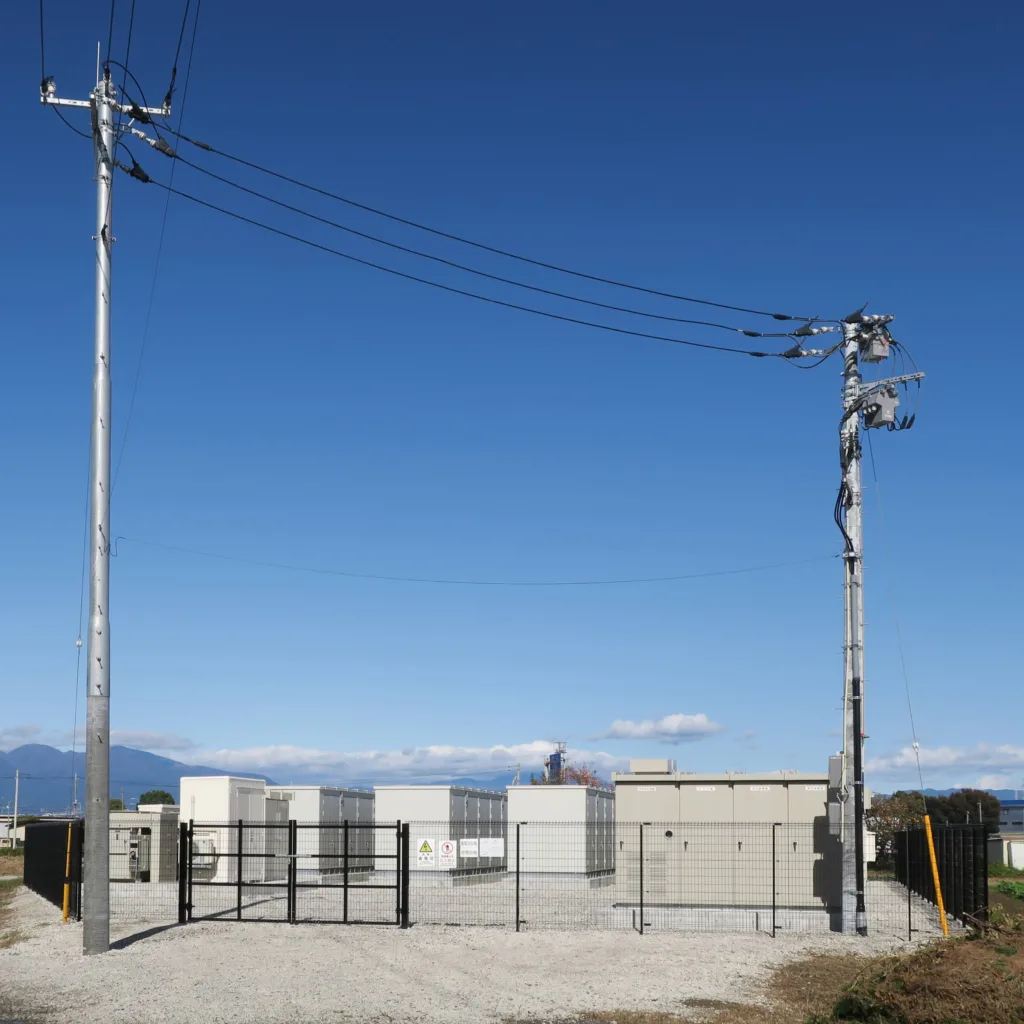
Choosing a home or business energy storage system means comparing chemistry, capacity, warranty, and cost side by side — not just picking the most recognizable brand name. This comparison breaks down the real differences between today’s leading battery storage options so you can match a system to your actual usage pattern instead of overpaying for capacity you’ll never use.
Table of Contents
- Battery Chemistry Compared
- Capacity and Power Ratings
- Side-by-Side Comparison Table
- Cost Per Kilowatt-Hour
- Warranty and Lifespan
- Matching a System to Your Use Case
- Frequently Asked Questions
Battery Chemistry Compared
Nearly every residential and commercial storage system sold today uses one of two lithium chemistries. Lithium iron phosphate (LFP/LiFePO4) dominates the home market because it tolerates thousands of charge cycles, resists thermal runaway better than other lithium chemistries, and doesn’t rely on cobalt. Nickel manganese cobalt (NMC) packs slightly more energy into a smaller footprint but degrades faster under daily deep cycling and carries a higher fire-safety margin requirement. A handful of systems still use lead-acid or saltwater chemistry for budget or off-grid installations, but both fall far behind lithium on cycle life and round-trip efficiency.
Capacity and Power Ratings
Two numbers matter more than any brand name: usable capacity (kWh) and continuous power output (kW). Capacity determines how many hours of backup you get. Power rating determines how many appliances you can run simultaneously during an outage. A 10 kWh battery with a 5 kW inverter can run a well pump and refrigerator together, but will struggle to also start a central air compressor. Undersizing the power rating is the single most common mistake homeowners make when comparing systems on price alone.
Side-by-Side Comparison Table
| System Type | Typical Chemistry | Usable Capacity | Cycle Life | Round-Trip Efficiency |
|---|---|---|---|---|
| Entry-level home battery | LFP | 5-10 kWh | 4,000-6,000 cycles | 88-92% |
| Premium whole-home battery | LFP or NMC | 13-16 kWh | 6,000-10,000 cycles | 90-96% |
| Commercial/C&I battery | LFP | 30-200+ kWh | 6,000-8,000 cycles | 90-95% |
| Off-grid/budget lead-acid | Lead-acid | 4-8 kWh | 500-1,200 cycles | 75-85% |
Cost Per Kilowatt-Hour
Sticker price tells you little on its own — cost per usable kWh over the warrantied cycle life is the number that actually predicts value. A cheaper lead-acid bank that needs replacing every 3-5 years frequently costs more per kWh delivered over a decade than a pricier LFP system rated for 10,000 cycles. According to the U.S. Department of Energy’s storage cost tracking, installed residential battery costs have fallen steadily as LFP has become the dominant chemistry, though installation labor and permitting still account for a meaningful share of total project cost regardless of which system you choose.
Warranty and Lifespan
Most reputable manufacturers now warranty residential batteries for 10 years or a specified cycle/throughput count, whichever comes first, with a guaranteed minimum retained capacity (commonly 70-80%) at the end of that term. Read the fine print on degradation clauses — some warranties only cover total failure, not gradual capacity loss, which matters a great deal if you’re relying on the battery for daily solar self-consumption rather than occasional backup.
Matching a System to Your Use Case
Backup-only households that just want the lights on during outages can size smaller and prioritize power rating over capacity. Households doing daily solar self-consumption or time-of-use rate arbitrage should prioritize cycle life and round-trip efficiency, since the battery will cycle far more often. Businesses pursuing demand-charge reduction need to size around their actual peak-shaving target in kW, not a generic capacity number — this is where a proper load analysis, not a spec sheet comparison, determines the right system.
Frequently Asked Questions
Is LFP always better than NMC for home storage?
For daily-cycling home use, yes — LFP’s longer cycle life and better thermal stability outweigh NMC’s slightly higher energy density for most households.
How much storage capacity do I actually need?
Most backup-focused homes are well served by 10-15 kWh. Whole-home backup during extended outages typically needs 20+ kWh or a generator hybrid.
Do all systems work with any solar inverter?
No — some batteries require a matched hybrid inverter from the same manufacturer, while AC-coupled batteries can pair with almost any existing solar system. Check compatibility before comparing price.
Does battery capacity degrade the same way across all chemistries?
No, LFP degrades more linearly and predictably than NMC, which is one reason it dominates warranty-backed residential offers.
Is a bigger battery always the better value?
Not necessarily — oversizing capacity beyond your actual daily usage or backup needs just adds cost without proportional benefit.
For a deeper look at how storage pairs with home solar, see our best home energy storage systems guide, and for sizing your specific system, use our energy storage sizing guide. For independent chemistry and safety data, see the U.S. Department of Energy’s battery storage overview and NREL’s energy storage research.
Related Reading
See also our energy storage system safety guide and efficiency deep-dive for related decision factors.
If you want the specifics, our energy storage system maintenance guide goes deeper. See our energy storage vs generator guide for how this plays out in practice.
Related Posts

Leave a Comment
Your comment will be published after it has been approved. Please send comments that do not contain slang words.