
Energy Storage System Maintenance
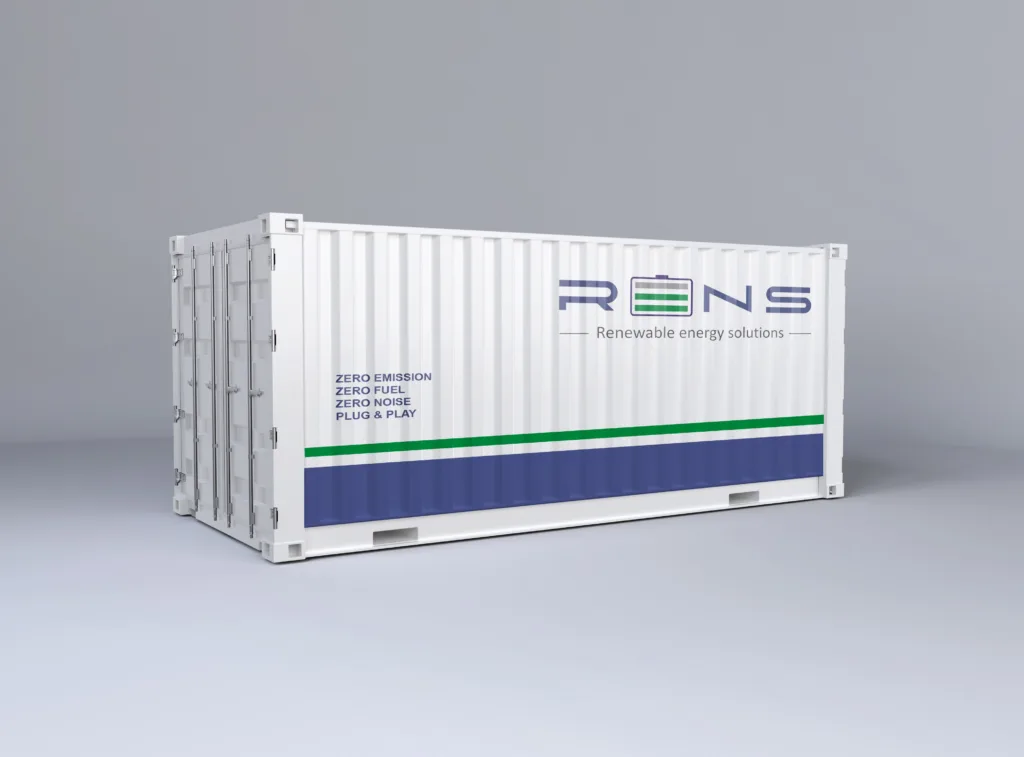
Battery storage systems need far less hands-on maintenance than backup generators, but “maintenance-free” is a marketing oversimplification. A small amount of regular attention — mostly software and environmental, not mechanical — protects your investment and keeps warranty coverage intact.
Table of Contents
- Maintenance Schedule
- Firmware and App Monitoring
- Maintenance Task Table
- Environmental Care
- Protecting Your Warranty
- Frequently Asked Questions
Maintenance Schedule
Unlike lead-acid batteries, which required regular water top-offs and terminal cleaning, sealed lithium battery systems have no user-serviceable internal components. Maintenance is almost entirely about keeping the surrounding environment appropriate and the software current — there’s nothing to physically service inside the enclosure, and opening it yourself will void the warranty.
Firmware and App Monitoring
Manufacturers regularly release firmware updates that improve charge/discharge algorithms, fix bugs, and sometimes extend usable capacity through better cell balancing. Most systems apply these automatically via Wi-Fi, but it’s worth periodically confirming your unit is actually connected and updating — a battery that’s been offline for months may be running outdated logic that reduces efficiency or misses fault conditions.
Maintenance Task Table
| Task | Frequency | Why It Matters |
|---|---|---|
| Check monitoring app for faults | Monthly | Catches degradation or fault codes early |
| Confirm Wi-Fi connectivity | Quarterly | Ensures firmware updates and remote alerts work |
| Clear debris/vegetation from enclosure | Quarterly | Maintains ventilation clearances |
| Visual inspection for damage/corrosion | Annually | Identifies issues before they void warranty claims |
| Professional inspection | Every 3-5 years or per manufacturer | Catches issues DIY checks can’t |
Environmental Care
Extreme temperatures degrade battery lifespan faster than normal cycling does. Most systems are rated for a specific ambient range (commonly 0-45°C / 32-113°F for continuous operation), and installations in unconditioned garages or exposed outdoor locations in extreme climates should confirm the unit’s temperature rating matches local conditions, or add supplemental insulation/shading where the manufacturer permits it.
Protecting Your Warranty
Most warranty voids come from user error, not battery failure: opening the enclosure, using non-approved chargers or add-on hardware, ignoring documented clearance requirements, or having unlicensed electricians perform modifications. Keep installation documentation, firmware update logs, and any professional inspection records — these are exactly what a manufacturer will ask for if you ever need to file a warranty claim.
Frequently Asked Questions
Do lithium home batteries need regular maintenance?
Minimal — mostly software monitoring and keeping the surrounding area clear, not physical servicing.
Can I clean or service the battery myself?
No — the enclosure is sealed, and opening it yourself will void the warranty. Exterior cleaning and clearance maintenance are fine.
How often should firmware update?
Most systems update automatically; check connectivity quarterly to make sure updates are actually being applied.
Does extreme heat or cold damage the battery?
Yes, operating outside the manufacturer’s rated temperature range accelerates degradation — confirm your climate matches the unit’s rating.
What voids a battery storage warranty?
Most commonly: opening the enclosure, unauthorized modifications, or installation outside code requirements — not normal cycling.
For safety-specific guidance, see our energy storage system safety guide. For manufacturer-neutral technical background, see the U.S. Department of Energy’s battery storage overview.
Our energy storage system for business guide works through the details. This is covered separately in our energy storage system installation cost guide.
Related Posts


Leave a Comment
Your comment will be published after it has been approved. Please send comments that do not contain slang words.