
Best Energy Storage System for Home
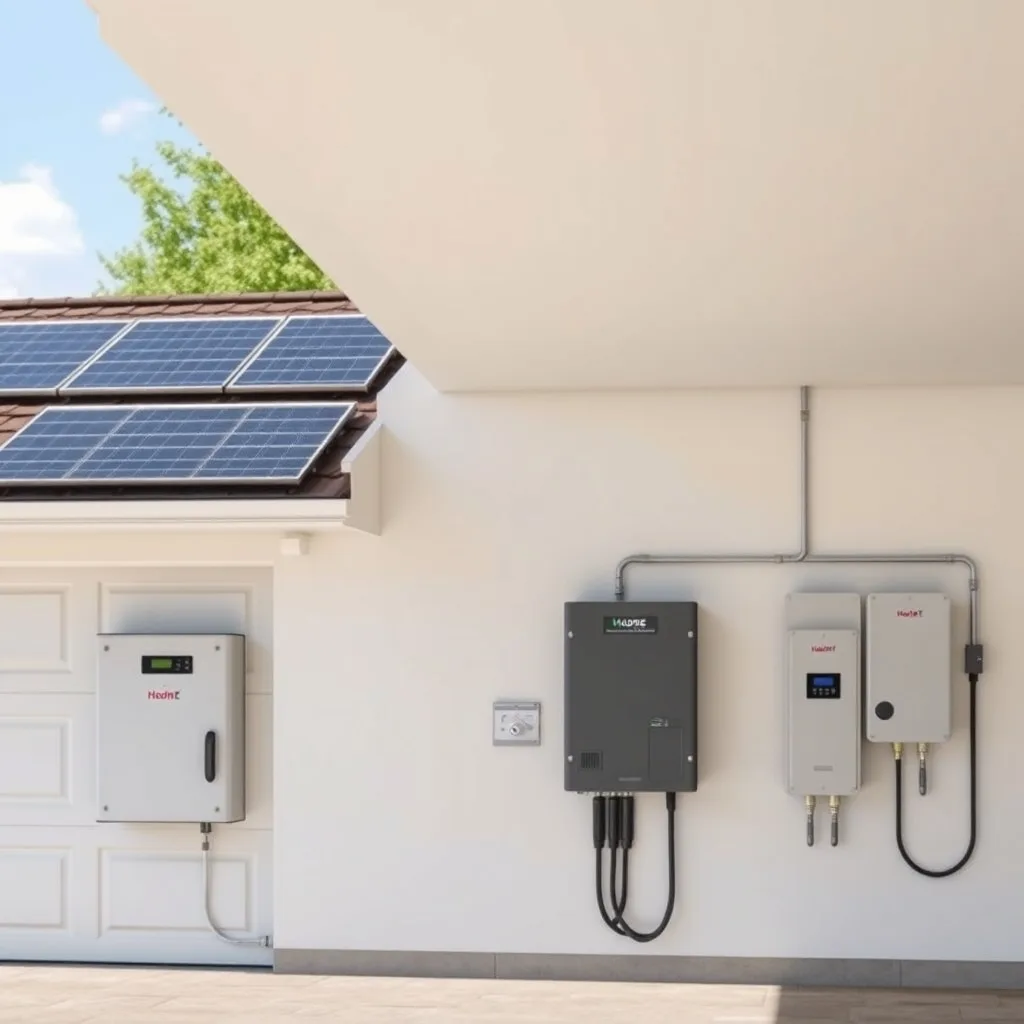
The best energy storage system for home use pairs a battery chemistry and capacity that fits your actual load with an inverter that supports the backup features you care about – and gets sized around your real electricity usage rather than a generic “average home” number. Home battery storage has moved from a niche add-on to a mainstream part of residential solar in 2026. Rising demand charges are one driver. So are more frequent grid outages in several US regions, and steadily falling lithium iron phosphate battery prices.
This guide walks through the battery chemistries and capacity classes on the market. It covers the specs that matter more than the marketing brochure, and realistic 2026 pricing. It also covers the mistakes that most often leave homeowners with the wrong system. Some end up oversized and overpriced. Others end up undersized and disappointing during an outage.
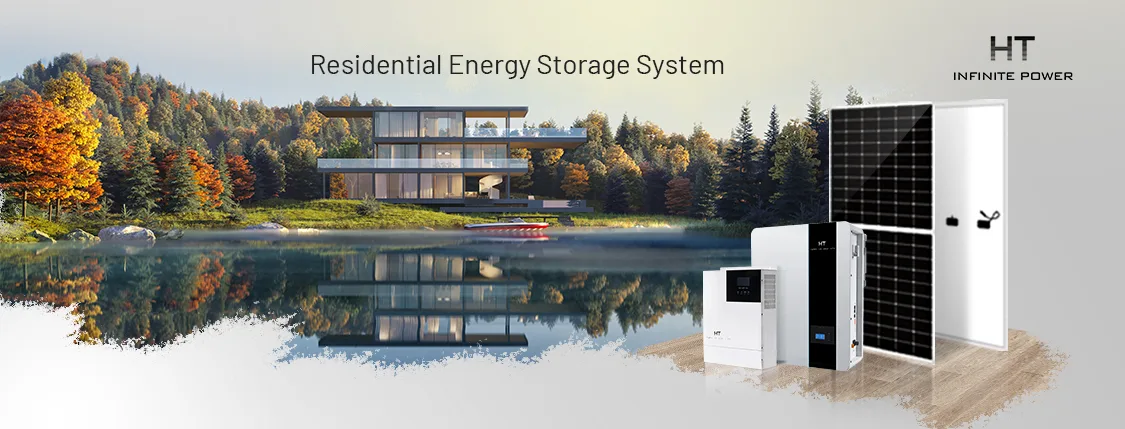
Table of Contents
- Understanding Energy Storage Systems
- Battery Chemistry: What Actually Matters
- Sizing: How Much Storage Does a Home Actually Need?
- Comparing Inverters for Energy Storage
- Popular Home Battery Brands to Know
- Choosing the Right Home Battery Storage System
- Time-of-Use Rates and Demand Charges
- Environmental Operating Conditions
- Cost of a Home Energy Storage System in 2026
- Installation and Safety Considerations
- Regional Perspectives on Energy Storage Systems
- Solar-Plus-Storage vs. Storage-Only
- Common Buying Mistakes
- Frequently Asked Questions
Understanding Energy Storage Systems
A home energy storage system stores electricity in a battery for use later. That electricity usually comes from solar panels. The stored power gets used at night, during a grid outage, or during peak-rate hours on a time-of-use utility plan. The best energy storage system for home use is not simply the biggest battery you can afford. It is the combination of capacity, chemistry, and inverter pairing that fits your household. That means matching how you actually use electricity, and how long you realistically expect outages to last in your area.
Battery Chemistry: What Actually Matters
Chemistry is the single biggest driver of safety, lifespan, and long-term cost per usable kWh:
- LFP (lithium iron phosphate) – the current default for residential storage. Thermally stable, typically rated for 4,000-6,000 cycles (roughly 10-15 years of daily use), and does not use cobalt.
- NMC (nickel manganese cobalt) – higher energy density (more capacity in a smaller footprint) but shorter cycle life and more sensitive thermal behavior than LFP; less common in new residential installs since 2023.
- Lead-acid – the cheapest upfront, but far shorter cycle life (typically 300-500 cycles) and lower usable depth of discharge; mostly seen in budget off-grid setups, not modern grid-tied home storage.
- Sodium-ion – an emerging chemistry starting to appear in 2026 product lines, promising lower material cost than lithium chemistries, though with lower energy density and a shorter residential track record so far.
For a full breakdown of cycle life, depth of discharge, and cost-per-kWh across these chemistries, see our solar battery chemistry comparison.
Sizing: How Much Storage Does a Home Actually Need?
Sizing should start from your utility bill, not a rule of thumb. A rough starting framework:
- Partial backup (essentials only): 5-10kWh usually covers a refrigerator, wifi/router, a few lights and outlets, and a well pump for several hours to overnight.
- Whole-home backup, modest usage: 15-20kWh for a household without electric heating or an EV charging overnight.
- Whole-home backup with EV charging or electric heat: 25-40kWh, sometimes split across two stacked battery units.
For multi-day outages, the best setup usually pairs storage with enough solar generation to recharge daily. A single oversized battery meant to run for a week on stored charge alone is the wrong approach. Solar-plus-storage sizing is a joint calculation, not two separate ones.
Comparing Inverters for Energy Storage
The battery is only half the system – the inverter managing it determines round-trip efficiency, backup transfer speed, and which battery brands you can pair it with. Hybrid inverters that integrate solar and battery management in one unit are now standard for new installs. AC-coupled setups remain common for retrofits. Those add a separate battery inverter to an existing solar inverter. See our best hybrid solar inverter guide for the full spec comparison, and our inverter efficiency explainer for how round-trip losses actually add up over a year of cycling.
Choosing the Right Home Battery Storage System
Beyond chemistry and capacity, a few practical factors separate a smooth installation from a frustrating one:
- Modularity – can you add a second battery module later without replacing the first, or is the system a fixed, non-expandable unit?
- Round-trip efficiency – look for 90%+; every point below that is stored energy lost to heat during charge/discharge.
- Depth of discharge (DoD) – a battery rated for 10kWh but only usable to 80% DoD effectively gives you 8kWh; compare usable, not nameplate, capacity.
- Warranty – look for both a year count (10 years is the current benchmark) and a guaranteed capacity retention (e.g., 70% capacity remaining at year 10), not just a cycle count.
- Certifications – UL 9540 for the system and UL 9540A for fire safety testing are the relevant US standards; ask installers directly whether the specific battery model is listed, not just the brand generally.
- App and monitoring quality – matters more day-to-day than most buyers expect, especially for tracking backup readiness before storm season.
Popular Home Battery Storage Brands to Know
No single brand is objectively the best home energy storage system in every situation. The right pick depends on your inverter, capacity needs, and installer network. These names still come up repeatedly across US, EU, and Australian residential installs.
- Tesla Powerwall – widely available with a large installer network in the US; integrated inverter design simplifies single-battery installs.
- Enphase IQ Battery – modular, AC-coupled, pairs naturally with Enphase microinverter solar systems already in the field.
- LG Energy Solution – long-established residential lithium battery line with a strong presence in the EU and Asia-Pacific.
- Franklin Whole Home – built around whole-home backup rather than partial-circuit backup as the default use case.
- Sonnen – German-engineered, popular in the EU, with an emphasis on long cycle-life warranties and community energy-sharing features in some markets.
- BYD Battery-Box – China-manufactured, modular LFP stacks, competitive on price-per-kWh with a growing installer base outside China.
- Generac PWRcell – positioned heavily around backup power, often bundled with Generac’s broader home-standby-generator business in the US.
Ask any installer quoting a specific brand for three figures. Get usable capacity, not nameplate. Get round-trip efficiency. Get warranted capacity retention at year 10. Put them side by side with at least one alternative brand, since the comparison framework above applies regardless of the name on the unit.
Environmental Operating Conditions
Most residential batteries are rated for a narrower temperature range than the inverter they pair with. Full-rate charging commonly runs from 0C to 40C, or 32F to 104F. Outside that band, charge rates drop or a heating and cooling system kicks in. Indoor installation locations like a garage or utility closet generally see less thermal cycling than an outdoor wall mount in direct sun. In hot climates, that difference can meaningfully affect long-term capacity retention. If you are in a consistently hot region such as the US Southwest, parts of Australia, or the Middle East, ask a specific question. Find out whether the unit has active thermal management or relies on passive cooling. That difference shows up in degradation rates after several years, not on the first-year spec sheet.
Cost of a Home Energy Storage System in 2026
US pricing (equipment plus installation) as of 2026 runs roughly:
- 5-10kWh (partial backup): roughly $8,000-$13,000 installed
- 13-16kWh (single full-size unit): roughly $13,000-$19,000 installed
- 25kWh+ (stacked/whole-home): $22,000 and up installed
Federal and state incentives can meaningfully change the effective cost – see our solar tax credits guide for what currently applies to battery storage specifically, since the rules for standalone storage differ from solar-plus-storage installed together.
How Battery Storage Interacts With Time-of-Use Rates and Demand Charges
In many US utility territories and across most of the EU, retail electricity is no longer a flat rate. Time-of-use plans charge more during peak evening hours. Some commercial plans, and a growing number of residential ones, also include demand charges. Those are based on your single highest 15-minute usage spike in a billing period. A home battery lets you shift consumption away from expensive peak windows. It discharges stored solar, or off-peak grid power, during the priciest hours. It can also flatten demand spikes by covering part of the load when large appliances run at once, such as an AC compressor, EV charger, and oven together. The value of this load shifting varies enormously by utility rate structure. In some flat-rate territories it adds little beyond backup value. In high-TOU-spread markets like much of California, it can meaningfully shorten the payback period on top of any backup benefit. Ask your installer to model your specific rate plan rather than relying on a generic payback estimate. The same battery can look dramatically different in value depending on the tariff it sits behind.
Installation and Safety Considerations
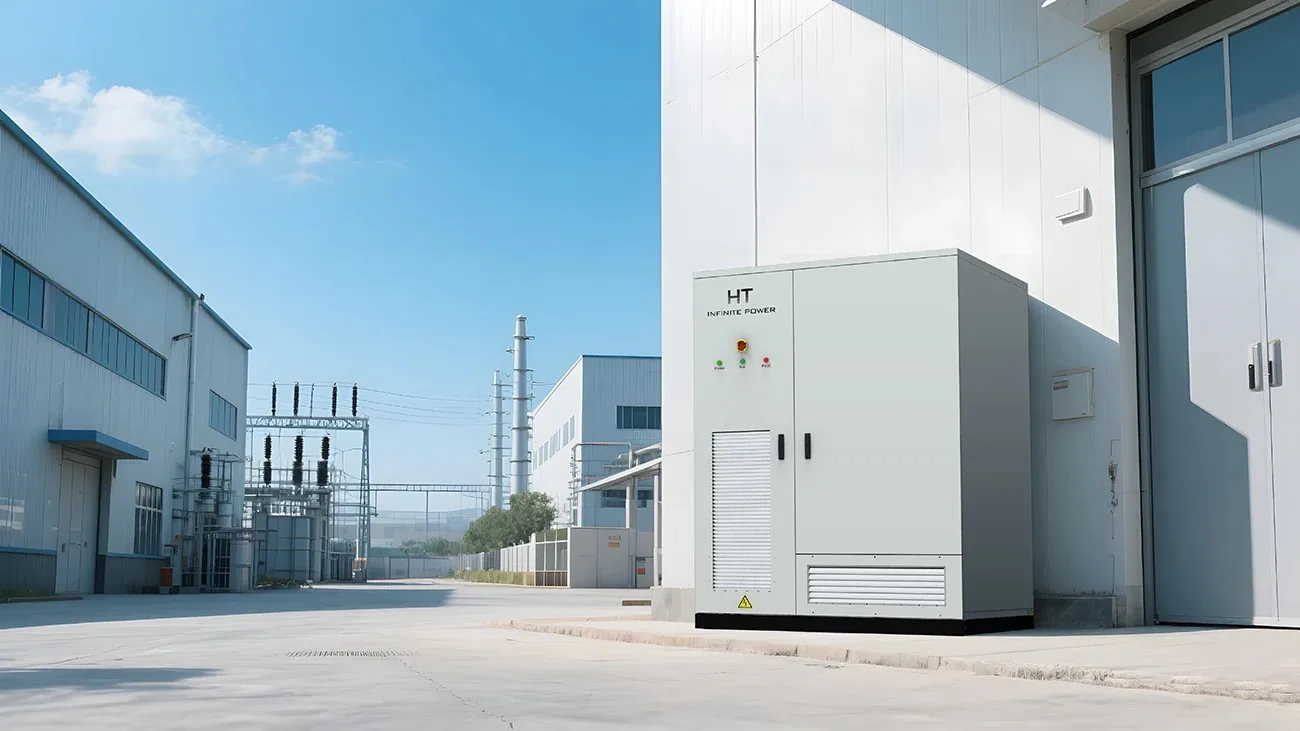
Home batteries are regulated more like a small utility asset than a household appliance in most jurisdictions. Expect an electrical permit, and often a separate fire-code review for the battery specifically. Required clearances from doors, windows, and property lines also apply, depending on local code and the battery’s UL 9540A test results. Indoor installation (garage, utility room) is common for smaller units. Larger systems are frequently installed outdoors or in a dedicated enclosure. Ventilation and clearance requirements are chemistry- and model-specific, so rely on the installer’s permit documentation rather than assuming a generic distance.
Regional Perspectives on Energy Storage Systems
US adoption is heavily concentrated in two kinds of states. Some have high outage frequency, including California, Texas, and parts of the Southeast. Others have strong time-of-use rate structures that reward shifting usage away from peak hours. The EU, particularly Germany, has the highest per-capita residential battery attachment rate globally, driven by early feed-in-tariff transitions and consistently high retail electricity prices. Australia leads on solar-plus-storage as a combined purchase decision rather than sequential upgrades, partly because of strong rooftop solar penetration already in place before storage became mainstream.
Solar-Plus-Storage vs. Storage-Only Systems
Most homeowners install a battery alongside solar panels. Storage-only systems are a growing category too, where a battery is charged purely from the grid during cheap off-peak hours. They suit markets with a wide gap between peak and off-peak rates, or frequent outages but no rooftop solar. Storage-only systems are simpler to install, with no panel work and no production-metering paperwork. They can still deliver both backup power and rate arbitrage. They give up the incentive stacking, though. In the US, most interpretations hold that the federal Residential Clean Energy Credit applies to a battery only when it is charged at least in part by an on-site renewable source. That is one of the more common points of confusion when homeowners plan a storage-only purchase. Confirm current eligibility rules with a tax professional before assuming a storage-only battery qualifies the same way a solar-plus-storage system does.
Common Mistakes to Avoid When Buying Home Battery Storage
- Sizing off a “typical home” estimate instead of your own utility bill – two homes with identical square footage can have very different real usage.
- Ignoring usable capacity vs. nameplate capacity – a lower depth-of-discharge rating quietly shrinks what you actually get.
- Not confirming inverter-battery compatibility in writing – especially when buying components from different brands.
- Skipping the fire code and permit conversation – can delay installation by weeks if discovered after equipment is already purchased.
- Choosing capacity based on backup fantasy rather than realistic outage length – most homeowners overestimate how many days of true whole-home backup they need.
Frequently Asked Questions
What is the best energy storage system for home use if I mainly want backup power, not daily cycling?
A smaller, partial-backup system (5-10kWh) focused on essential circuits is usually the better value than a large whole-home battery if outages are infrequent – you are optimizing for occasional resilience, not daily solar self-consumption.
How long does a home battery storage system last?
LFP systems are typically warrantied for 10 years and rated for 4,000-6,000 cycles, which at one cycle per day works out to well over a decade of daily use before capacity drops meaningfully below the warrantied threshold.
Can I add a battery to my solar system later instead of buying it all at once?
Yes – this is common and is usually done either with a hybrid inverter sized for future storage from the start, or with an AC-coupled battery inverter added afterward. Confirm which path your installer is planning for so the initial inverter choice does not close off the option.
Do home batteries work during a total grid outage, or only with solar attached?
A battery with a properly wired backup/critical-loads panel works during an outage whether or not solar is actively producing at that moment, as long as it has charge – solar simply recharges it faster once the sun is up again.
Is a bigger home energy storage system always better value?
No – cost per kWh does not scale down linearly at every size, and a system sized well beyond realistic backup needs mostly adds cost without adding usable resilience. Match capacity to your utility bill and realistic outage length, not the largest unit available.
What is the difference between AC-coupled and DC-coupled battery storage?
DC-coupled systems (typical of hybrid inverters) connect the battery directly to the same DC bus as the solar panels, which is slightly more efficient. AC-coupled systems add a separate battery inverter downstream of an existing solar inverter. That is more flexible for retrofits. It loses a small amount of efficiency converting DC to AC and back during charging.
Do home batteries need regular maintenance?
Lithium-based systems (LFP and NMC) are largely maintenance-free beyond periodic visual inspection and keeping vents/cooling paths clear – unlike older lead-acid systems, there is no watering or manual equalization required.
Can a home battery power my whole house indefinitely during a long outage?
Only if paired with enough solar (or a generator) to recharge it daily – a battery alone, sized for typical daily backup, will run down within a day or two of continuous whole-home use without a recharging source, which is why sizing calculations for multi-day resilience treat solar and storage as one combined system rather than the battery alone.
Households that also drive an EV should size storage and charging together rather than separately – see our EV charging and solar guide for how vehicle-to-home charging changes the storage math.
Conclusion
The best home energy storage system is chosen from your actual electricity usage and realistic outage expectations. Chemistry, usable capacity, and inverter pairing all follow from that. No single average-home recommendation can substitute for it. Compare usable depth-of-discharge, round-trip efficiency, and warranty capacity retention line by line, confirm UL 9540/9540A listing, and get the inverter pairing in writing before you order hardware. For inverter-side specifics, see our best hybrid solar inverter guide, and for a deeper chemistry comparison, our battery chemistry breakdown.
Further reading: U.S. Department of Energy – Solar Energy and Storage Basics, Wikipedia – Grid energy storage, and Wikipedia – Lithium iron phosphate battery.
There is more detail on this in our benefits of home energy storage guide.
For every storage article in one place, see the battery and storage topic guide.
Related Posts
Leave a Comment
Your comment will be published after it has been approved. Please send comments that do not contain slang words.