
Solar Incentive Stacking Rules
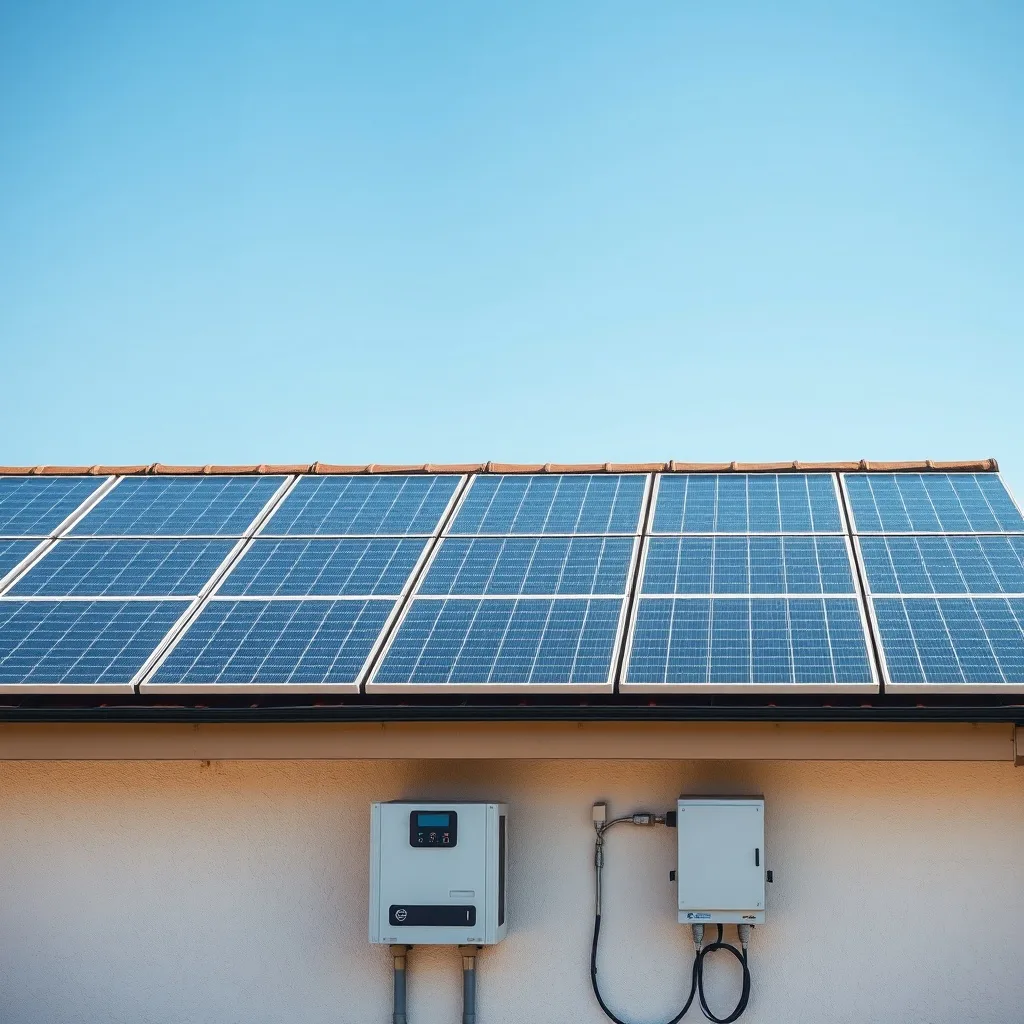
Solar incentive stacking — combining federal, state, utility, and local programs — is where most of the real savings come from, but the ORDER incentives apply and how each affects the others determines the actual value. Two identical systems in the same state can net different final costs depending on how the layers interact. The rules have also shifted: the federal residential credit is no longer available for expenditures after 2025, which changes what “stacking” looks like for a 2026 purchase. This guide walks through the order, the cost-basis interactions, and the exceptions.
Table of Contents
- The Basic Stacking Order
- How Rebates Affect Tax Credit Basis
- Stacking Order Summary
- Exceptions and Special Cases
- Frequently Asked Questions
The Basic Stacking Order
Generally, upfront rebates and grants apply first, reducing the system cost. Tax credits then typically calculate on the net cost after rebates (though this varies by program). State credits often calculate on the post-federal-credit amount. The specifics matter — a $1,000 rebate might reduce your tax credit basis and actually save less than $1,000 net.
Step one: upfront reductions
Utility rebates, state cash rebates, and grants are paid at or near installation and reduce what you actually spend. Some are paid to you after the fact; others are assigned to the installer and appear as a line-item discount on the contract. Either way, they come first in the calculation because most later programs measure themselves against your net cost.
Step two: the federal layer, and what changed
For years the federal residential clean energy credit was the second step for homeowners. That is no longer the case for new purchases. The IRS states in its OBBB guidance that the credit is not allowed for any expenditures made after December 31, 2025. If you paid for your system in 2025 or earlier, the federal step still applies to that year’s return. If you are buying in 2026, the federal step drops out of your personal stack. A separate business credit under section 48E still exists for systems owned by a third party, such as a lease or power purchase agreement provider, subject to construction-start and placed-in-service deadlines described on the IRS clean electricity investment credit page; that credit goes to the owner, not to you, though it may be reflected in your lease rate.
Step three: state credits and ongoing programs
State income-tax credits usually come next and are typically calculated on your net cost after rebates. Then come ongoing programs: net metering credits, renewable energy certificate payments, and performance-based incentives, which pay over years rather than at purchase. Our solar tax credits guide covers the federal and state credit rules in more detail.
How Rebates Affect Tax Credit Basis
Some utility rebates are considered a reduction in purchase price (lowering your tax credit basis), while others are treated as income. State tax credits sometimes reduce federal credit basis, sometimes don’t. The interaction rules are program-specific — verify with a tax professional for your exact combination rather than assuming.
Purchase-price reduction versus income
A rebate treated as a purchase-price reduction lowers the amount any credit is calculated on. A rebate treated as income does not lower the basis, but it may be taxable. Which treatment applies depends on who pays the rebate and how the program is structured; utility rebates and state rebates can be treated differently. The distinction mattered most when the federal credit was available to homeowners; for 2026 purchases it still affects state credits calculated on net cost.
Why the order changes the answer
Suppose a state credit is a percentage of net cost. A rebate applied before the credit reduces the credit; the same rebate applied after it does not. Programs define which order applies, and the definition is usually in the state’s tax instructions rather than in the installer’s proposal. Ask for the calculation in writing and check it against the state form.
Keep the paperwork straight
Save the signed contract, every rebate approval letter, the interconnection approval, and proof of payment with dates. Dates matter now more than before: whether an expenditure landed in 2025 or 2026 determines whether the federal residential credit applies at all. Our incentive expiration guide tracks the deadlines.

A worked ordering example
Take a system with a gross contract price, a utility rebate paid to the installer, and a state credit calculated on net cost. The rebate comes off the contract first. The state credit is then figured on the reduced amount, not the gross price, so the rebate quietly shrinks the credit. Add a sales-tax exemption on the equipment and the net metering credits that accrue over the following years, and the final number is the sum of all of those layers, in that order. Run the same arithmetic with your own figures before signing, and ask the installer to show the same math in the proposal.
Stacking Order Summary
| Step | Incentive | Calculated On | 2026 Status |
|---|---|---|---|
| 1 | Upfront utility rebate or grant | Gross system cost | Varies by utility and state; check current block |
| 2 | Federal residential credit (25D) | Net cost after step 1, if applicable | Not allowed for expenditures after Dec 31, 2025 |
| 2b | Federal business credit (48E) for third-party-owned systems | Owner’s basis, not yours | Available to the system owner subject to IRS deadlines |
| 3 | State tax credit | Usually net cost after rebates | State-specific; some have caps or carryforward rules |
| 4 | Sales and property tax exemptions | Equipment cost or added home value | Automatic in some states, filed in others |
| 5 | Net metering, SRECs, performance incentives | Energy produced or exported over time | Ongoing; often the largest lifetime value |
Exceptions and Special Cases
Leased systems generally don’t qualify for owner tax credits (the lessor claims them). Some programs explicitly exclude stacking with certain others. Grants for low-income households often have special treatment. Always read program rules for stacking restrictions before assuming you can combine everything.
Leases and power purchase agreements
Under a lease or PPA, the company owns the system and claims whatever credits exist, including the business credit. Your benefit arrives as a lower monthly rate, so the stacking question becomes whether the provider passed the value through. Compare the offered rate with a cash or loan purchase using the same assumptions. Our incentives and ROI hub links to the lease-versus-buy comparison.
Exclusive programs
Some rebates are written so that a household cannot take them alongside a specific other program, and some low-income grants replace rather than add to standard incentives. Certificate markets sometimes require that the system not have received a particular state rebate. These exclusions are stated in program rules and are easy to miss in a sales proposal.
Where to check the current rules
The DSIRE database (dsireusa.org) tracks state and utility programs, including notes on how they interact. Pair that with your state’s tax-form instructions and, for anything involving a tax credit, a conversation with a tax professional who has seen your full picture.

Frequently Asked Questions
Can I always stack federal, state, and utility incentives?
Usually, but not always — some programs explicitly exclude stacking. Read each program’s rules, and note that the federal residential credit does not apply to expenditures after 2025.
Does a utility rebate reduce my tax credit basis?
Often yes, but it depends on whether the rebate is treated as a purchase-price reduction or income — verify with a tax professional.
Do leased systems get the same incentives?
No — the leasing company claims the tax credits, though your lease rate may reflect some of that value.
Should I calculate stacking myself or use a professional?
For simple cases DIY is fine; for complex combinations involving multiple credits and rebates, a tax professional is worth the cost.
Is the stacking order the same in every state?
No — state programs define their own interaction rules; there’s no universal formula.
What changed for systems bought in 2026?
The federal residential credit dropped out of the stack, so upfront rebates, state credits, tax exemptions, and ongoing programs like net metering now carry the savings.
For the complete incentive landscape, see our clean energy incentives and financing guide. For timing specifics on when to apply for what, see our solar incentive expiration dates guide.
One incentive that stacks on top of everything else is covered in SRECs explained.
Related Posts



Leave a Comment
Your comment will be published after it has been approved. Please send comments that do not contain slang words.