
EV Charger Load Management
# EV Charger Load Management
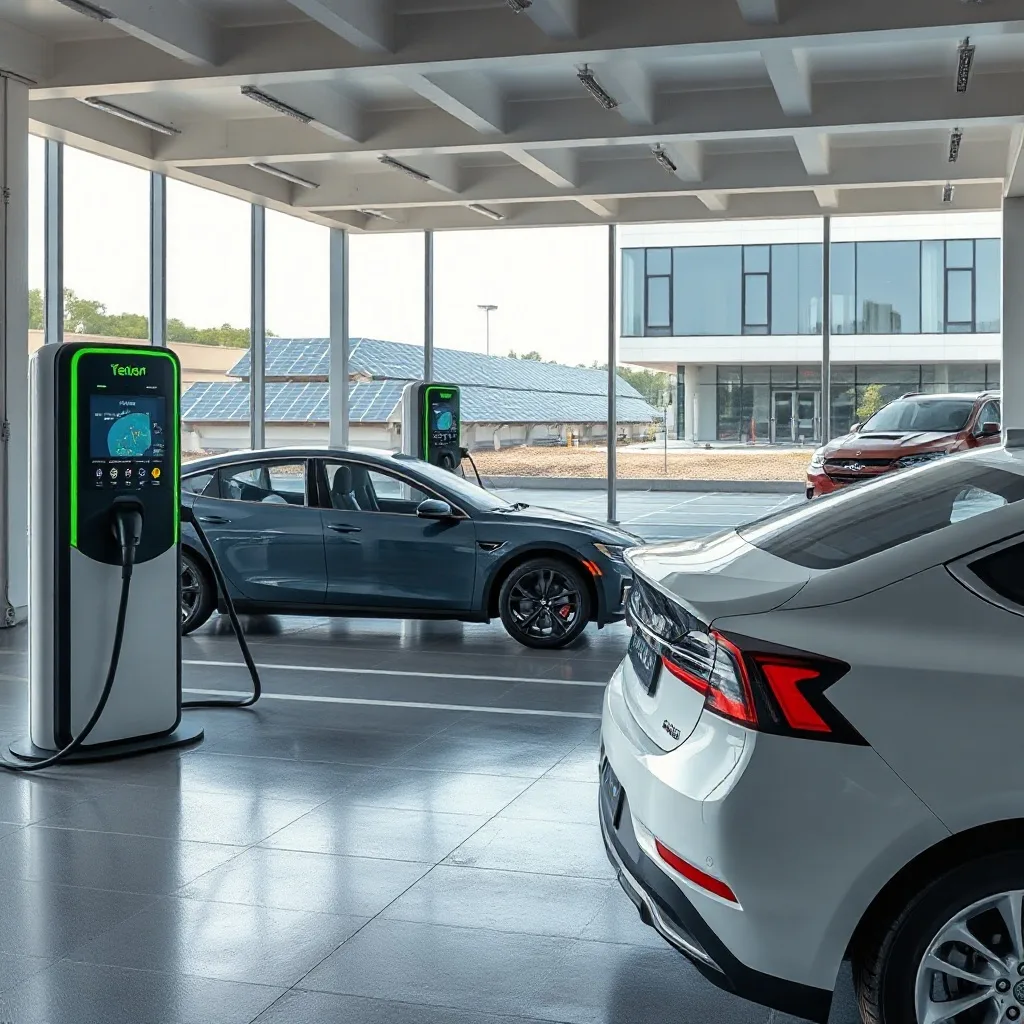
EV charger load management helps homes, workplaces, and public sites charge electric vehicles without exceeding available electrical capacity. Instead of allowing every charger to draw maximum power simultaneously, it distributes electricity according to real-time demand.
This approach can lower installation costs, reduce peak demand, and prevent circuit breakers from tripping. It also makes better use of existing infrastructure, which is increasingly important as electric vehicle adoption grows.
Modern systems may coordinate chargers with buildings, solar panels, batteries, and electricity tariffs. As a result, charging becomes safer, more efficient, and easier to scale.
Fundamental Concepts and Definitions
EV charger load management is the controlled distribution of electrical power among one or more charging points. A controller monitors total building consumption and determines how much power remains available for vehicles.
Static load management assigns a fixed power allowance to the charging network. For example, four chargers might share a permanent 40 kW limit. This method is simple, but unused building capacity cannot automatically be redirected to charging.
Dynamic load management responds to real-time conditions. When equipment, heating, or air conditioning consumes more electricity, charger output decreases. Once demand falls, the vehicles receive additional power. Correct assessment of [electrical panel capacity] remains essential before either method is installed.
Charging power also depends on voltage, current, phase configuration, vehicle limits, and charger efficiency. A 22 kW AC charger does not guarantee that every vehicle will accept 22 kW. The onboard charger may limit the actual rate to 7.4 or 11 kW.
How Intelligent Load Management Works
Early EV charging installations often relied on dedicated circuits and fixed power limits. That approach worked when sites had only one or two vehicles. Larger fleets, apartment buildings, and employee parking areas created a need for coordinated charging.
Today, local controllers and cloud platforms can communicate with multiple charging stations. Protocols such as the Open Charge Point Protocol support remote monitoring, session control, maintenance, and software integration. Some systems also connect with energy meters through Modbus or similar communication standards.
A practical example is an office with 100 kW of spare capacity and 20 chargers. Giving every charger 11 kW would create a theoretical demand of 220 kW. Load management can keep combined charging below 100 kW while distributing power according to departure time, battery level, or user priority.
Not every vehicle requires maximum power throughout its stay. A car parked for eight hours may recover its daily driving range at a modest rate. Through [smart EV charging], the system can delay flexible sessions while prioritizing fleet vehicles or visitors who plan to leave sooner.
Residential buildings receive similar benefits. A dynamic controller can monitor elevators, heat pumps, lighting, and household consumption. Vehicles charge faster during quiet periods and slow down when building demand rises. This reduces the likelihood of an expensive utility service upgrade.
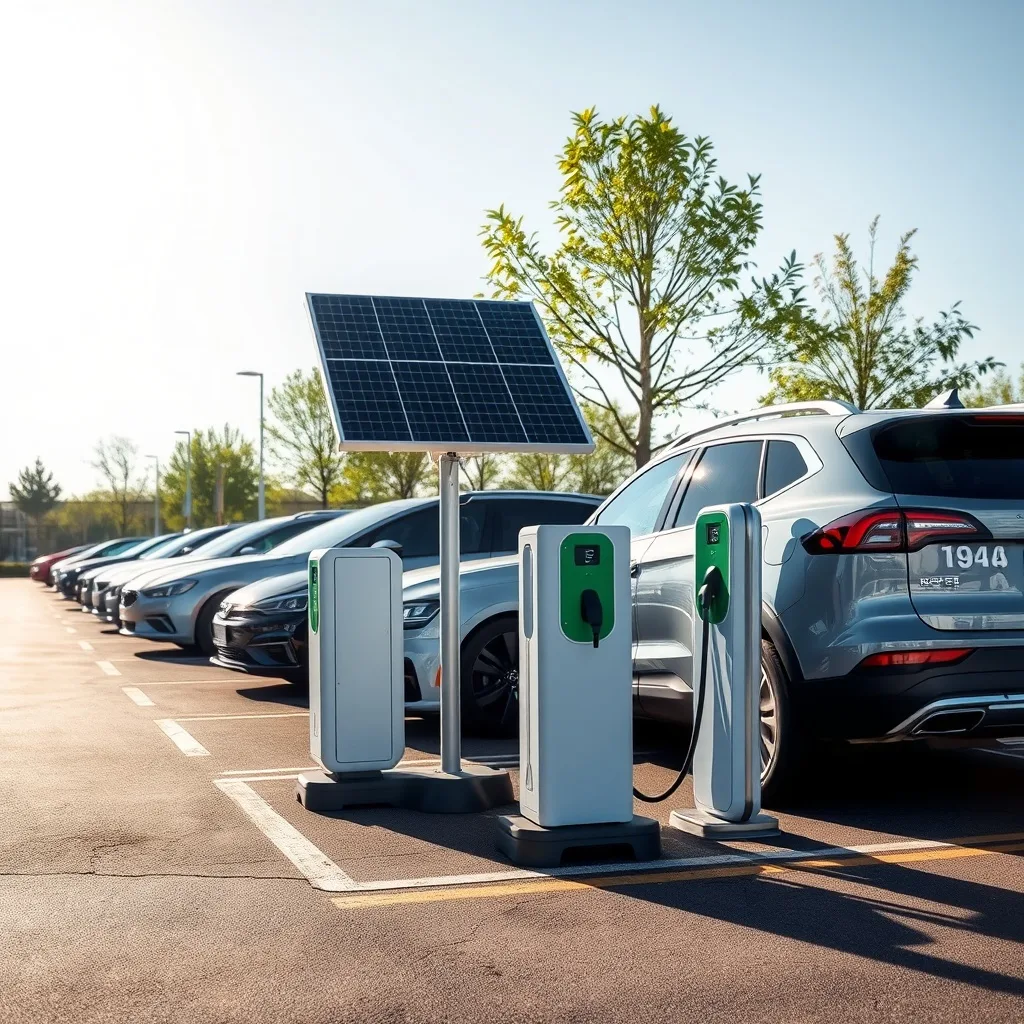
Renewable energy adds another layer of control. Charging power can increase when photovoltaic generation is strong and decrease when solar output falls. Proper [solar energy integration] can improve self-consumption and reduce electricity imported from the grid.
Battery storage may also support charging during demand peaks. However, storage should not be treated as a substitute for sound electrical planning. Capacity, degradation, efficiency losses, and fire safety requirements must all be included in the financial and technical assessment.
Expert Recommendations and Practical Tips
A reliable project begins with measured consumption data rather than assumptions. Engineers commonly review interval data, peak demand, protective devices, cable ratings, and future expansion plans. A short observation period may miss seasonal loads, so representative data is more useful.
Research and industry experience suggest that managed charging can reduce simultaneous peak demand substantially, especially where vehicles remain connected for several hours. The precise saving depends on arrival patterns, required energy, parking duration, tariff structure, and charging behavior.
The following practices can improve safety, performance, and long-term value:
– Measure actual demand: historical meter data reveals when spare electrical capacity is genuinely available.
– Plan for expansion: cables, switchgear, communications, and software should support more chargers than the site initially requires.
– Define charging priorities: emergency vehicles, delivery fleets, visitors, and residents may need different access rules.
– Check vehicle limitations: charger output should be matched with the AC or DC power each vehicle can accept.
– Maintain a safety margin: the controller should not operate electrical equipment continuously at its absolute rated limit.
– Select open communication standards: interoperable equipment reduces dependence on a single charger or software supplier.
– Test failure behavior: chargers should fall back to a safe current if meters, networks, or cloud services stop responding.
– Protect user data: access controls, encrypted communication, updates, and secure credentials reduce cybersecurity risks.
– Review electricity tariffs: scheduled charging can avoid costly peak periods without affecting most departure requirements.
– Commission the complete system: load sensors, phase allocation, protective devices, billing, and emergency controls should be tested together.
Phase balancing deserves particular attention in three-phase installations. Poor distribution can overload one phase even when total consumption appears acceptable. A capable controller should monitor individual phases rather than relying only on combined power.
Site operators should also distinguish energy from power. Power, measured in kilowatts, describes the charging rate. Energy, measured in kilowatt-hours, describes how much electricity enters the battery over time. Confusing these units often leads to unrealistic charging schedules.
In [commercial charging infrastructure], software subscriptions and mobile connectivity may create ongoing expenses. Decision-makers should examine licensing, payment processing, support, data ownership, and replacement policies before selecting a platform.
Frequently Asked Questions
Does Load Management Make EV Charging Slower?
It can reduce the charging rate during periods of high building demand. However, slower charging does not necessarily inconvenience the driver. A vehicle connected overnight or throughout a working day usually has enough time to receive the required energy.
The system can also restore higher power automatically when other loads decline. Priority rules help vehicles with urgent departure times charge first.
Is Load Management Necessary for One Home Charger?
It is not mandatory in every home, but it can be valuable when electrical capacity is limited. A house with electric heating, a heat pump, an induction cooker, or several large appliances may experience high simultaneous demand.
Dynamic control allows the charger to use spare capacity without overloading the main connection. A qualified professional should evaluate local wiring rules before completing an [EV charging installation].
Can Several Chargers Share One Electrical Circuit?
Several chargers can share an allocated supply when the equipment and control system are specifically designed for that arrangement. The controller must ensure that combined current remains within cable, breaker, and service limits.
Ordinary chargers should not simply be connected together without coordinated protection. Installation design must comply with applicable electrical codes, residual-current protection requirements, manufacturer instructions, and utility conditions.
What Happens If the Internet Connection Fails?
A well-designed system should continue operating safely through local controls. It may use a predefined current limit or temporarily reduce charger output until communication returns.
Cloud-only operation introduces avoidable risk where connectivity is unreliable. Buyers should confirm that critical load balancing functions remain active without internet access and that queued charging records synchronize later.
How Does Solar Power Affect Charging?
A compatible energy management system can direct surplus solar electricity toward connected vehicles. Charging output rises when local generation exceeds building consumption and falls when clouds reduce production.
This method can lower grid imports, but vehicle availability matters. Solar charging provides limited value when cars leave before midday and return after sunset. Battery storage or workplace charging may improve alignment between generation and demand.
What Is the Difference Between Load Balancing and Load Management?
Load balancing usually refers to sharing an available power limit among chargers or electrical phases. Load management is a broader concept that may include tariffs, building demand, solar generation, batteries, user priorities, and grid signals.
The terms are often used interchangeably in product descriptions. A purchaser should therefore review actual functions rather than relying on the label alone.
Conclusion
EV charger load management allows charging capacity to grow without automatically requiring a larger electrical connection. By monitoring demand and controlling charger output, it protects infrastructure while making better use of available power.
The strongest systems combine accurate metering, local safety controls, open communication, realistic priority rules, and room for expansion. They also account for vehicle behavior, tariffs, renewable generation, and equipment failure.
Careful planning remains more important than selecting the charger with the highest advertised output. When electrical design and intelligent software work together, EV charging becomes safer, more economical, and easier to scale.
Related Posts

Leave a Comment
Your comment will be published after it has been approved. Please send comments that do not contain slang words.