
Battery Storage Fire Safety
# Battery Storage battery storage fire safety
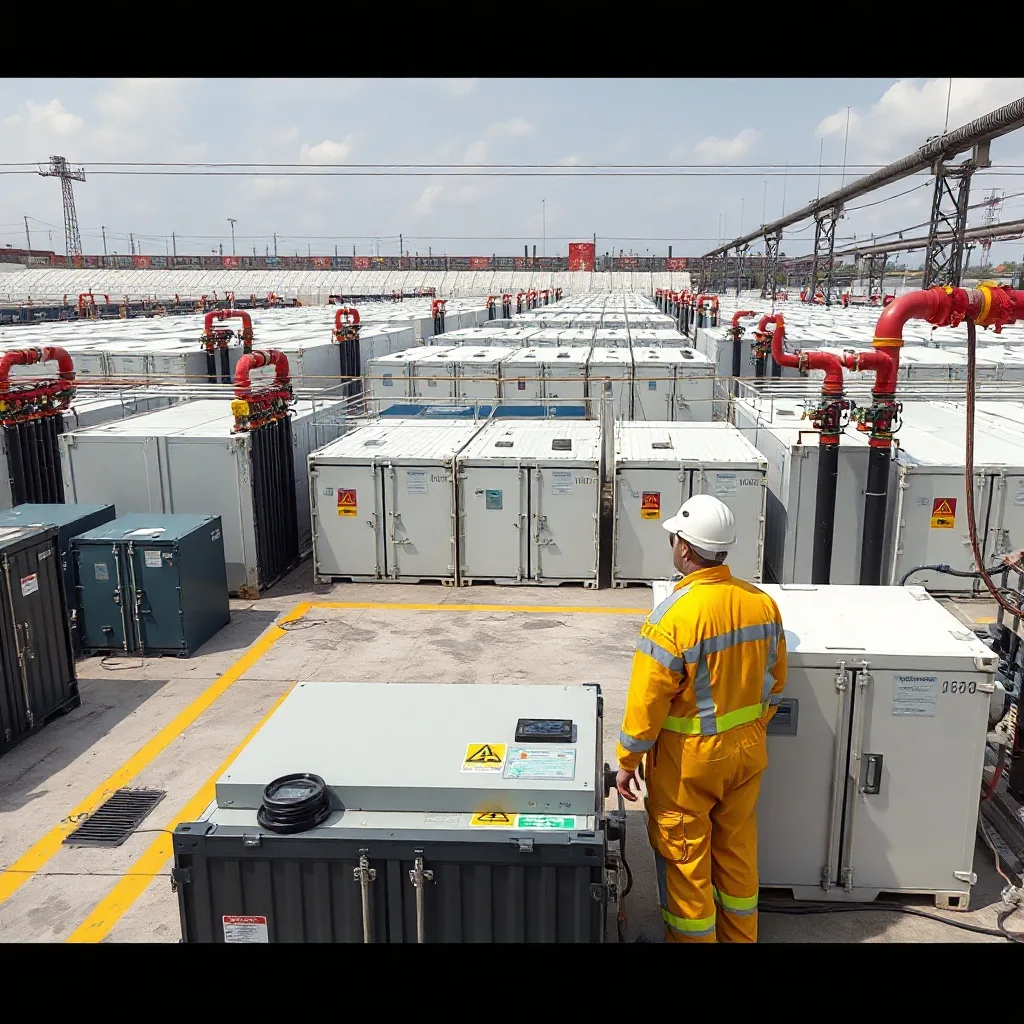
Battery storage fire safety has become a central concern as homes, businesses, utilities, and renewable energy projects install larger battery systems. These systems support reliable power, but damaged or poorly managed cells can overheat, release flammable gases, and ignite.
A serious incident rarely has a single cause. Manufacturing defects, electrical faults, physical damage, incorrect installation, insufficient ventilation, and weak battery storage fire safety emergency planning may combine. Effective protection therefore depends on layered controls rather than one alarm or suppression device.
Modern projects reduce risk through certified equipment, careful site design, continuous monitoring, trained responders, and documented maintenance. Understanding [lithium-ion battery basics] is an important starting point for owners, designers, and safety teams.
Basic Concepts and Definitions
A battery energy storage system, commonly called a BESS, stores electrical energy for later use. It may include individual cells, modules, racks, power conversion equipment, cooling systems, sensors, control software, enclosures, and disconnecting devices. Utility-scale installations can occupy dedicated buildings or rows of outdoor containers.
Lithium-ion batteries dominate the market because they offer high energy density, fast response, and falling costs. Common chemistries include lithium iron phosphate, known as LFP, and nickel manganese cobalt, known as NMC. LFP generally has greater thermal stability, but no lithium-ion chemistry should be treated as fireproof.
Thermal runaway is an uncontrolled rise in cell temperature caused by internal heat-generating reactions. A failing cell may vent hot, toxic, and flammable gases. Heat can then spread to neighboring cells, creating thermal runaway propagation and potentially causing a larger fire.
State of charge also matters. A battery holding more energy can produce a more severe event under certain failure conditions. However, chemistry, cell construction, enclosure design, ventilation, spacing, and suppression capability all influence the outcome.
How Thermal Runaway Begins and Spreads
Thermal runaway can begin with an internal short circuit, overcharging, overheating, contamination, crushing, water intrusion, or defective manufacturing. External electrical faults may also expose cells to abnormal current or temperature. In some cases, damage develops slowly and remains difficult to detect.
A battery management system monitors conditions such as voltage, current, and temperature. It can disconnect equipment when readings move beyond safe limits. Still, monitoring has limits. A sensor may not identify a microscopic internal defect until the affected cell has already started heating rapidly.
As decomposition continues, a cell can release hydrogen, carbon monoxide, methane, and other combustible compounds. Gas may accumulate inside a cabinet, room, or container. If it reaches an ignition source within a flammable concentration range, deflagration or explosion pressure can occur.
Propagation barriers, module separation, thermal insulation, and cooling can slow the spread. The objective is not merely to stop visible flames. A strong battery storage fire safety strategy seeks to prevent a single-cell failure from involving an entire rack or enclosure.
Battery Storage Fire Safety by Design
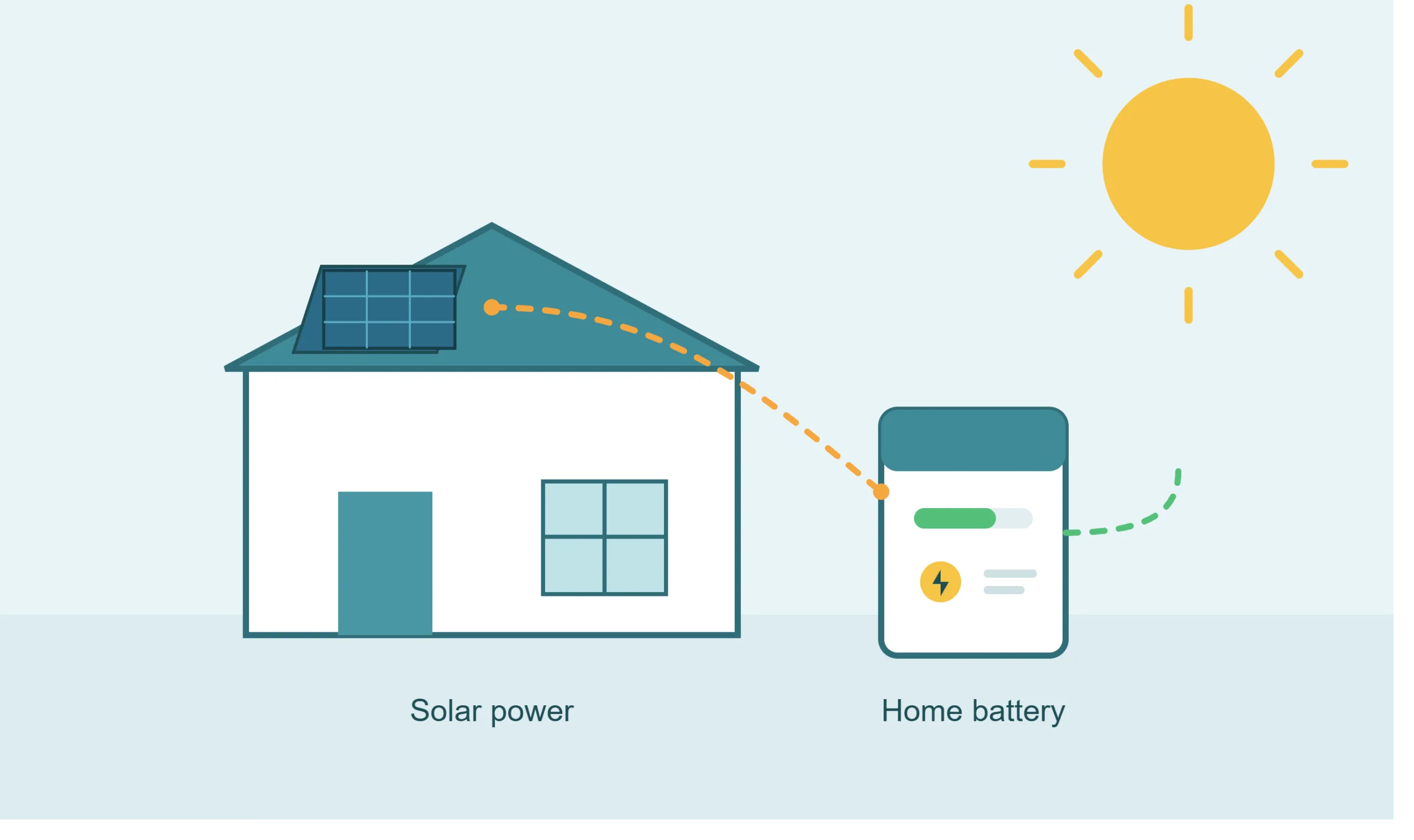
Fire protection begins before equipment arrives on site. Designers evaluate battery chemistry, capacity, enclosure type, occupancy, surrounding property, environmental exposure, and access for emergency crews. Integration with [renewable energy integration] infrastructure must not introduce unreviewed electrical or operational risks.
Indoor systems require particular attention to room construction, fire resistance, ventilation, gas accumulation, and escape routes. Outdoor containers need separation from buildings, vegetation, transformers, public roads, and neighboring units. Local codes and the authority having jurisdiction determine the final requirements.
Qualified installers should follow manufacturer instructions and the conditions attached to product certifications. Improvised modifications can invalidate safety assumptions. Cables, overcurrent protection, grounding, isolation devices, and emergency disconnects must be correctly rated, labeled, and accessible.
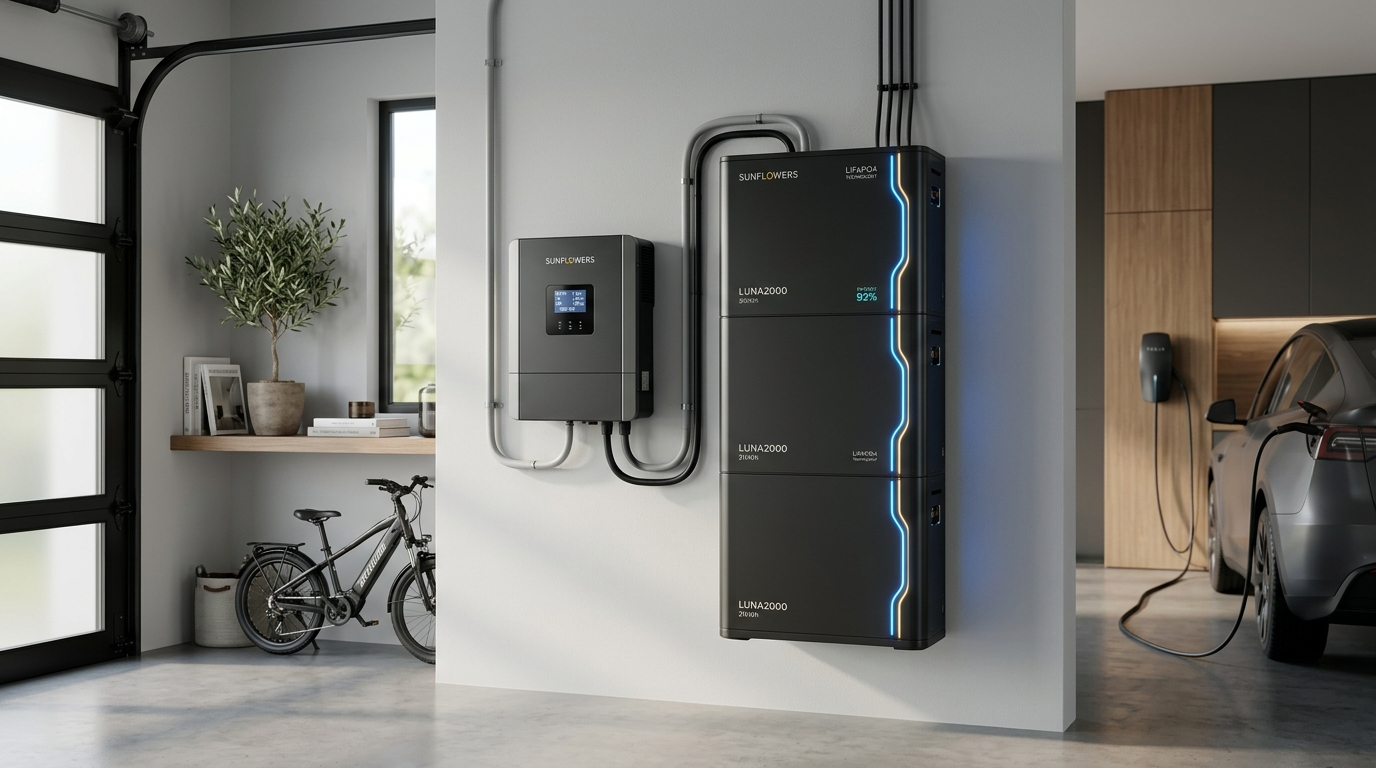
Physical security is another practical safeguard. Barriers can protect outdoor systems from vehicle impact, while sealed enclosures may reduce exposure to rain, dust, and salt. Good [electrical room design] also limits combustible storage and prevents unauthorized personnel from approaching energized equipment.
Detection Ventilation and Fire Suppression
Early warning provides valuable time for automatic shutdown, evacuation, and emergency notification. Temperature and smoke detection remain useful, but off-gas sensors may identify abnormal electrolyte vapor before smoke or flames become visible. Multiple technologies offer stronger coverage than a single detector.
Alarm signals should reach people capable of acting on them. A local siren alone may be ineffective at an unmanned facility. Remote monitoring platforms can notify operators, record changing conditions, and help determine whether an event involves one module or a wider area.
Ventilation can prevent flammable gases from accumulating, but its design requires engineering analysis. Airflow should move gases toward a safe discharge location without spreading smoke into occupied areas. Detection logic, fans, dampers, and electrical classification must work together as one system.
Water is often used to cool lithium-ion batteries and surrounding equipment. Cooling helps limit propagation and protects exposures, although extinguished-looking cells may reignite. Aerosol, clean-agent, or other systems may control flames in selected applications, but they do not automatically eliminate deep internal heating. Guidance from [fire detection systems] specialists is therefore essential.
Emergency Response and Reignition Control
Emergency responders need accurate information before an incident occurs. Site plans should show battery locations, chemistry, total energy, shutoff points, access routes, water supplies, hazards, and evacuation areas. Placards must remain readable in darkness, smoke, and poor weather.
Responders may choose defensive tactics when an enclosure contains unstable cells or accumulated gas. Opening doors without reliable atmospheric information can introduce oxygen or expose personnel to a flammable mixture. Remote temperature readings, gas measurements, and manufacturer guidance support safer decisions.
A lithium-ion incident can release hydrogen fluoride, carbon monoxide, and irritating organic compounds. Fire crews need appropriate respiratory protection and should control public access. Runoff management may also be necessary because cooling water can carry soot, metals, and electrolyte residues.
Reignition is a persistent concern. Damaged cells may retain energy and generate heat hours or days after visible flames disappear. Post-incident monitoring, isolation, controlled transport, and specialist disposal should be included in [emergency response planning], not arranged after the emergency.
Safety Standards Testing and Industry Lessons
Battery installations are governed by a combination of product standards, installation codes, fire codes, electrical rules, and local permit conditions. Common references include UL 9540 for energy storage systems, UL 9540A for thermal runaway fire propagation testing, NFPA 855, the International Fire Code, and relevant IEC standards.
UL 9540A testing can examine failure behavior at cell, module, unit, and installation levels. Results help designers evaluate heat release, gas production, propagation, and fire protection measures. Passing one test does not mean every site configuration is safe; authorities review whether tested conditions match the proposed installation.
The 2019 McMicken battery incident in Arizona became an important industry case. Gas generated inside the system accumulated before responders opened an enclosure, and an explosion injured four firefighters. The event reinforced the need for gas detection, ventilation analysis, responder education, and cautious entry tactics.
More recent incidents have pushed manufacturers toward improved cell monitoring, compartmentation, remote shutdown, and emergency procedures. At the same time, investigations show that battery fires are not identical. Lessons must be applied according to chemistry, system architecture, scale, and location rather than through broad assumptions.
Expert Battery Storage Fire Safety Recommendations
– Select certified equipment: Owners should choose complete systems evaluated by recognized testing organizations. Combining individually approved components does not necessarily create a certified system.
– Review UL 9540A data: Project teams should examine actual test reports, not only marketing summaries. Gas composition, propagation behavior, and test configuration can influence site design.
– Use layered detection: Temperature, smoke, voltage, current, and off-gas monitoring provide different forms of warning. Coordinated alarms can identify failures earlier and reduce false conclusions.
– Control the state of charge: Where operations permit, avoiding unnecessary time at maximum charge may reduce stored energy and stress. Any operating limit should follow manufacturer guidance.
– Maintain thermal management — the core of battery storage fire safety —: Cooling equipment, filters, fans, pumps, and sensors require scheduled inspection. A small cooling fault can create uneven temperatures and accelerate cell aging.
– Keep safety distances clear: Required spacing around containers, cabinets, exits, and hydrants should never become temporary parking or storage space. Clear access can determine whether responders act effectively.
– Prepare an emergency action plan: The plan should define alarm thresholds, shutdown authority, evacuation procedures, responder contacts, and post-event monitoring. Staff should practice it through realistic drills.
– Coordinate with firefighters early: Local fire services should tour the facility before commissioning. They need current diagrams, system data, access credentials, and manufacturer emergency contacts.
– Investigate every warning: Repeated temperature, voltage, communication, or gas alarms should not be reset without finding the cause. Alarm history may reveal a developing defect.
– Plan for end-of-life risks: Aging, damaged, recalled, or deeply discharged batteries require controlled handling. Transport and disposal should be completed by qualified specialists under applicable hazardous-material rules.
Two primary references anchor current practice: UL 9540 and the UL 9540A test method that quantifies propagation behavior — summarized in UL’s energy storage standard documentation — and NFPA 855, the installation standard most U.S. jurisdictions now enforce, maintained by the National Fire Protection Association. If your installer cannot speak fluently about both, that itself is a battery storage fire safety signal.
The five-minute battery storage fire safety audit
Owners can verify most of what matters without tools. Confirm the unit carries a UL 9540 listing plate; check clearances against the manual; make sure nothing combustible is stored against the enclosure; verify the smoke or heat detector near the battery actually works; and locate both disconnects so anyone home can kill the system fast. That short battery storage fire safety audit, repeated seasonally, catches the conditions behind most residential incidents.
The reassuring context: measured against the millions of systems now installed, serious events remain rare — and nearly always trace back to unlisted equipment, improvised wiring, or placement a battery storage fire safety inspection would have flagged on day one. The discipline is not exotic; it is paperwork, placement and periodic attention. Treat battery storage fire safety as a checklist rather than a fear, and the technology earns the trust its track record already supports.
Frequently Asked Questions
Can lithium-ion battery fires be extinguished with water?
Water is commonly used to cool lithium-ion cells, adjacent modules, and exposed structures. Large and sustained quantities may be required because heat can remain inside a battery module. Responders must also consider electrical hazards, contaminated runoff, access limitations, and manufacturer instructions.
Are LFP batteries completely fire-safe?
No. LFP chemistry generally has a lower thermal runaway tendency and may release less heat than some nickel-rich chemistries. Nevertheless, LFP cells can vent flammable gases, burn, propagate under severe conditions, and create explosion hazards inside confined spaces.
What is the earliest sign of battery failure?
Possible signs include unusual odor, swelling, clicking or hissing sounds, rising temperature, smoke, discoloration, abnormal voltage, and repeated battery management alarms. Off-gas detection may provide an earlier warning than conventional smoke detection in some system designs.
Can a battery reignite after a fire appears extinguished?
Yes. Damaged cells can continue producing internal heat or experience delayed short circuits. Affected equipment may require extended thermal monitoring, isolation, and controlled handling for hours or days, depending on the incident.
How often should a storage system be inspected?
Inspection frequency depends on the manufacturer, code requirements, operating conditions, and system age. Operators should perform continuous electronic monitoring and schedule physical inspections, functional testing, software reviews, and maintenance at documented intervals.
Is a home battery subject to the same risks as a utility system?
The underlying cell hazards are similar, but scale, layout, and emergency conditions differ. Residential batteries should be listed for their intended use, professionally installed, kept away from exits and living spaces where required, and inspected after flooding, impact, or unusual alarms.
Who has final authority over installation requirements?
The local authority having jurisdiction generally approves the installation. Depending on the location, this may involve fire officials, electrical inspectors, building departments, environmental agencies, and insurers. Requirements can vary even when the same equipment is used.
Conclusion
Battery storage fire safety depends on prevention, early detection, controlled system behavior, and prepared emergency response. No battery chemistry, alarm, or suppression method can remove every risk by itself.
Certified equipment, evidence-based testing, suitable separation, reliable ventilation, trained personnel, and ongoing maintenance create a stronger defense. As storage deployment expands, projects that share accurate hazard information and learn from real incidents will be better positioned to protect people, property, and energy infrastructure.
Does homeowners insurance require battery storage fire safety compliance?
Increasingly, yes. Insurers now commonly ask whether the system is UL 9540 listed and professionally installed before covering the structure, and some request the installation permit. Keeping your battery storage fire safety paperwork — listing certificate, permit, inspection sign-off — in one folder turns a potential claim dispute into a formality. It is the cheapest battery storage fire safety measure on this page.
Related Posts


Leave a Comment
Your comment will be published after it has been approved. Please send comments that do not contain slang words.