
Solar Battery Chemistry: LFP vs NMC vs Lead-Acid vs Sodium-Ion (2026)
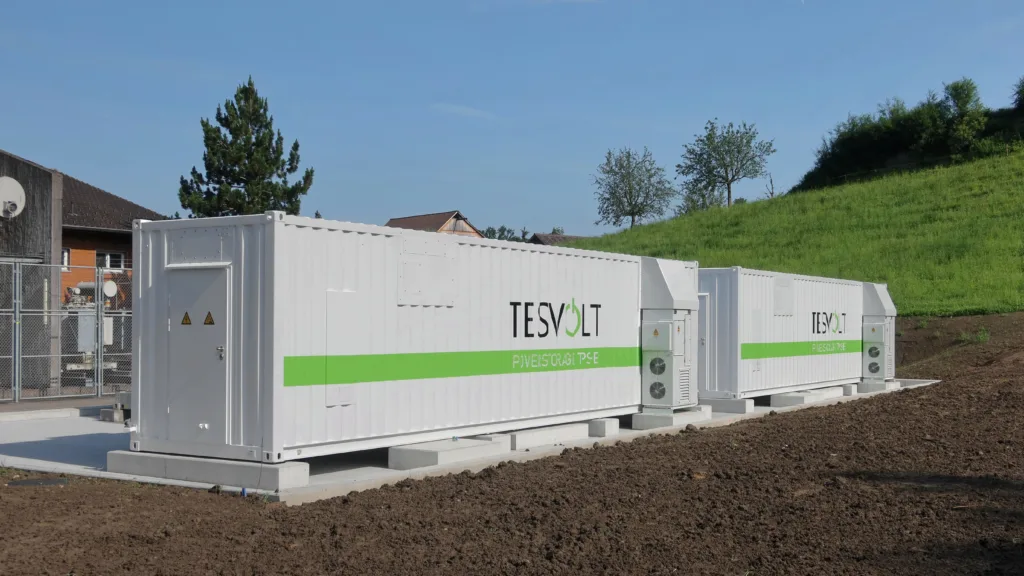
Solar battery chemistry is the single biggest factor determining how long your storage system lasts, how safely it behaves in a garage or utility room, and what each stored kilowatt-hour actually costs you over 10–15 years. Two batteries can carry the same “10 kWh” label on the box and differ by a factor of three in delivered lifetime energy, purely because of what their electrodes are made of. This guide breaks down the four chemistries that matter for solar in 2026: lithium iron phosphate (LFP), nickel manganese cobalt (NMC), lead-acid, and the fast-arriving sodium-ion.
Each section uses published cycle-life, efficiency, thermal, and cost data so you can match the right cell to the right job &mdash. And understand why solar battery chemistry, not brand, is what you are really buying.
Key takeaways
- LFP is the residential default for good reason: 4,000–6,000+ cycles at 80–100% depth of discharge, a ~270 °C thermal-runaway threshold, and 95–98% round-trip efficiency.
- NMC packs 30–60% more energy per kilogram, which matters in an electric vehicle but rarely in a wall-mounted home battery, where its lower cycle life and thermal margin are net negatives.
- Lead-acid only competes on sticker price. Its 50% usable depth of discharge and 300–800-cycle life push the real cost per usable kWh above lithium within a few years.
- Sodium-ion reached field-validated commercial storage in 2026 with >10,000-cycle cells, −40 °C operation, and no lithium, cobalt, or nickel — but energy density still trails LFP.
- The metric that decides value is levelized cost per usable kWh delivered, not the upfront price.
What solar battery chemistry actually means
Every rechargeable battery moves ions between a positive electrode (cathode) and a negative electrode (anode) through an electrolyte. When people talk about solar battery chemistry they usually mean the cathode material, because it sets the cell’s voltage, how many times it can be cycled before capacity fades, how it responds to heat and abuse, and how much it costs to manufacture. For stationary solar storage, four cathode families cover essentially the entire market:
- Lithium iron phosphate (LiFePO₄ / LFP): an olivine-structured cathode that is chemically stable and thermally tolerant.
- Lithium nickel manganese cobalt oxide (NMC) and its cousin NCA: layered-oxide cathodes that store more energy but release oxygen when overheated.
- Lead-acid (flooded, AGM, gel): the 160-year-old lead-dioxide / sponge-lead chemistry still used for small off-grid and backup banks.
- Sodium-ion (Na-ion): layered oxide or Prussian-blue cathodes that swap scarce lithium for abundant sodium.
Two other chemistries appear at the edges of residential solar: flow batteries for very long-duration or commercial applications, and thermal energy storage for heat-dominated loads. Both sit outside the scope of a typical home battery decision, which comes down to the four cell chemistries above.
LiFePO4 (LFP): the residential and commercial workhorse
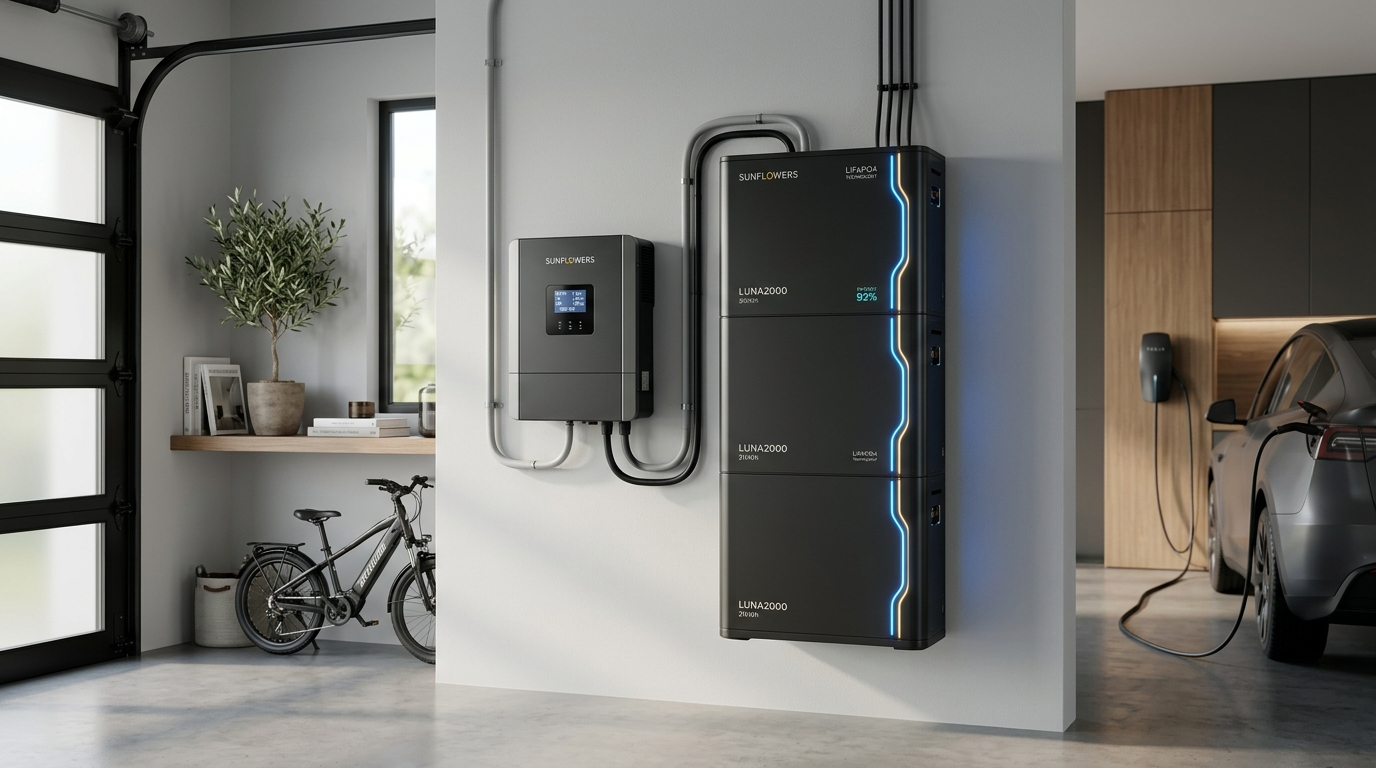
When people compare solar battery chemistry for a home, LFP has become the default, and manufacturers that once shipped NMC packs &mdash. Including the Tesla Powerwall 3 &mdash. Have migrated to it. The reason is a favourable balance of the properties that matter when a battery lives on a wall for 15 years and cycles once or twice a day.
Why the iron-phosphate cathode behaves well
The phosphate (PO₄) bonds in the olivine lattice are strong and hold oxygen tightly. When an LFP cell is overcharged, punctured, or externally heated, it does not readily release oxygen to feed a fire. Thermal runaway, if it occurs at all, typically initiates near 270 °C &mdash. Roughly 60 °C higher than NMC &mdash. And produces far less heat and gas. That single property is why fire codes and installers treat LFP as the low-risk option for occupied buildings. (Chemistry choice does not eliminate the need for correct installation. See our guide to battery storage fire safety.)
For a stationary solar battery chemistry, the main trade-off is energy density. LFP stores roughly 90–160 Wh/kg at the cell level versus 200–270 Wh/kg for modern NMC. For a fixed-location home battery this is close to irrelevant &mdash. You are mounting it, not carrying it &mdash. But it is the reason LFP lost the early EV-range race.
LFP performance data
| Parameter | Typical LFP value (2026) | Practical meaning |
|---|---|---|
| Cell energy density | 90–160 Wh/kg | Heavier per kWh; fine for wall or floor mounting |
| Usable depth of discharge | 80–100% | A 10 kWh pack delivers 8–10 kWh every cycle |
| Cycle life (to 80% capacity) | 4,000–6,000 (up to ~10,000) | ~11–16+ years at one cycle per day |
| Round-trip efficiency | 95–98% | 2–5% of stored solar energy lost as heat |
| Calendar life | 10–15+ years | Often outlives the solar inverter |
| Thermal-runaway onset | ~270 °C | High abuse tolerance; preferred for occupied buildings |
| Operating temperature (discharge) | −20 to 60 °C | Charging below 0 °C needs heating or derating |
| Battery-only cost | ~$450–600 per usable kWh | Higher upfront, lowest lifetime cost |
One genuine LFP limitation: like all lithium chemistries, it should not be charged at cell temperatures below freezing without an internal heater, or lithium plating permanently reduces capacity. Quality home units manage this automatically. Budget DIY cells may not. This is a common failure mode discussed in our article on battery degradation over time.
NMC: energy-dense, but compromised for stationary storage
Nickel manganese cobalt oxide is the chemistry that made long-range electric vehicles practical. Its layered-oxide cathode stores more lithium per gram, giving 200–270 Wh/kg and letting a car carry 70 kWh without a weight penalty that ruins efficiency.
In a home battery, that advantage mostly disappears and the downsides come forward:
- Lower thermal margin. NMC begins thermal runaway near 210 °C and, once triggered, releases oxygen that sustains combustion even without an external air supply. Suppression is harder and re-ignition is common.
- Shorter cycle life. Under the same daily solar cycling, NMC typically delivers 1,000–3,000 cycles to 80% capacity — a third to a half of LFP.
- Material exposure. Cobalt and high-grade nickel carry price volatility and supply-chain and ethical concerns that iron and phosphate do not.
NMC still appears in compact backup products where installers want maximum kWh in a small enclosure, and in hybrid EV-plus-home systems. But for a purpose-built solar battery in 2026, its niche is narrow.
Lead-acid: the legacy solar battery chemistry
Flooded and AGM lead-acid batteries were the standard for off-grid solar for decades and still have the lowest cost per nominal kilowatt-hour. The problem is that “nominal” and “usable” diverge sharply.
- 50% usable depth of discharge. Routinely discharging a lead-acid bank below half capacity roughly halves its life, so a 10 kWh bank realistically delivers 5 kWh per cycle. That doubles the effective cost per usable kWh before any other factor.
- 300–800 cycles to end of life, versus thousands for lithium — often 3–7 calendar years in daily-cycling solar use.
- 70–85% round-trip efficiency, meaning 15–30% of harvested solar energy never comes back out.
- Maintenance and ventilation. Flooded cells need water top-ups and vent hydrogen gas; they cannot be installed in sealed living space.
Lead-acid remains defensible only for small, rarely-cycled backup banks, very cost-constrained off-grid setups, or applications where the battery is genuinely idle most of the year. For a system that cycles daily &mdash. The normal case for solar self-consumption under net metering or time-of-use tariffs &mdash. Lithium wins on total cost within the first few years.
Sodium-ion: the 2026 disruptor
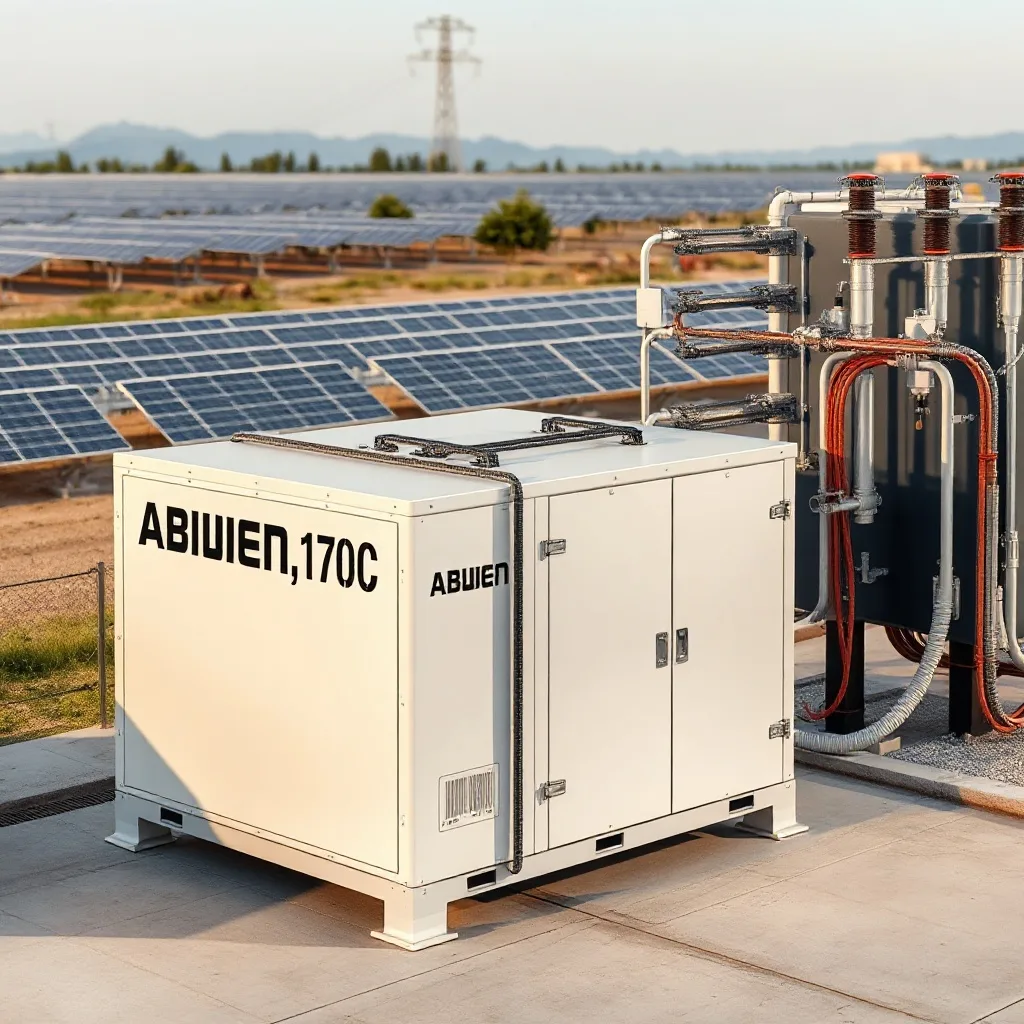
Sodium-ion moved from lab curiosity to field-validated commercial storage in 2026. According to the International Energy Agency, manufacturing capacity and real deployments accelerated sharply this year, and CATL began delivering its first grid-scale sodium-ion battery energy storage systems, with a 60 GWh three-year commercial order signed in April 2026. BYD released a third-generation sodium platform rated for more than 10,000 cycles.
Here is how this solar battery chemistry stacks up for storage:
| Property | 2026 sodium-ion status | Relevance to solar storage |
|---|---|---|
| Cell energy density | 140–175 Wh/kg | Below LFP; a non-issue for stationary use |
| Cycle life | >10,000 cycles (BYD gen 3) | Potential 25–30-year service life |
| Low-temperature performance | Operates to −40 °C with modest capacity loss | Strong fit for cold-climate off-grid sites |
| Raw materials | No lithium, cobalt, or nickel | Lower price volatility; abundant sodium supply |
| Thermal stability | Comparable to or better than LFP | Excellent safety profile |
| Cost trajectory | Cell targets around $19/kWh at scale | Could undercut LFP once volume matures |
For a full picture of where this technology is heading, see our dedicated guide to sodium-ion battery storage. The short version for a 2026 buyer: sodium-ion is worth watching and already sensible for utility-scale and very cold installations, but LFP remains the safe residential pick until sodium home products are widely available and warranty-backed.
Solar battery chemistry compared: the master table
The table below consolidates published 2026 data across all four chemistries so you can compare solar battery chemistry options side by side. Ranges reflect the spread between budget and premium cells.
| Metric | LFP | NMC | Lead-acid (AGM) | Sodium-ion |
|---|---|---|---|---|
| Cell energy density (Wh/kg) | 90–160 | 200–270 | 30–50 | 140–175 |
| Usable depth of discharge | 80–100% | 80–95% | ~50% | 90–100% |
| Cycle life (to 80% capacity) | 4,000–6,000+ | 1,000–3,000 | 300–800 | 6,000–10,000+ |
| Round-trip efficiency | 95–98% | 94–97% | 70–85% | 90–95% |
| Calendar life (years) | 10–15+ | 8–12 | 3–7 | 15–25 (projected) |
| Thermal-runaway onset | ~270 °C | ~210 °C | Not applicable (no runaway) | No oxygen release; very stable |
| Low-temp charge tolerance | Poor below 0 °C | Poor below 0 °C | Fair | Good to −20 °C |
| Critical materials | Iron, phosphate (abundant) | Nickel, cobalt (constrained) | Lead (recyclable, toxic) | Sodium (abundant) |
| Battery-only cost (per usable kWh) | ~$450–600 | ~$550–750 | ~$400–700 effective | ~$400–550 (scaling) |
| Best fit | Homes, businesses | EVs, compact backup | Small idle backup banks | Utility scale, cold climates |
Installed system cost &mdash. Including inverter/hybrid electronics, enclosure, and labour &mdash. Runs roughly $700–1,200 per usable kWh in the United States in 2026 (about €500–950 in Europe), with LFP occupying the middle of that band. Battery cost and lifespan figures here are consistent with public data from the U.S. Department of Energy and the National Renewable Energy Laboratory storage cost analyses.
End-of-life: how solar battery chemistry affects recycling
A solar battery’s environmental and economic story does not end when its capacity fades. What happens next depends heavily on the chemistry, and it is a factor worth weighing if lifecycle impact matters to you.
- Lead-acid has the most mature recycling stream of any battery type. In developed markets, well over 95% of the lead is recovered and returned to new batteries in a closed loop. The offsetting concern is that informal recycling elsewhere causes serious lead pollution, so chain-of-custody matters.
- LFP contains no cobalt or nickel, which paradoxically makes it less attractive to recyclers — there is less high-value metal to recover, so the economics rely on iron, phosphate, lithium salts, and copper/aluminium current collectors. Dedicated LFP recycling and hydrometallurgical lithium recovery scaled up through 2025–2026, and many worn home LFP packs still hold 70–80% capacity, making second-life use in less demanding stationary applications viable.
- NMC is the chemistry recyclers want most, because recovered nickel and cobalt carry real value. That gives end-of-life NMC a positive residual value in mature markets — a genuine point in its favour.
- Sodium-ion is early in its lifecycle, but its bill of materials is inherently low-impact: sodium, iron, and manganese are abundant, and Prussian-blue or layered-oxide cathodes avoid the most constrained metals. Recycling infrastructure is immature simply because there are few spent cells yet.
Practically, ask any installer where their end-of-life batteries go and whether the manufacturer offers a take-back program. A pack that is easy to disassemble and has a documented recycling route is worth a small premium over one with no end-of-life plan.
How to choose the right solar battery chemistry
Choosing a solar battery chemistry is an engineering decision, not a brand decision. Work through these questions in order:
- Is the battery inside an occupied building? If yes, choose LFP or sodium-ion. Avoid NMC and flooded lead-acid.
- How often will it cycle? Daily cycling (solar self-consumption, time-of-use arbitrage) rewards high cycle life — LFP or sodium-ion. A battery that sits idle 350 days a year for outage backup can justify cheaper lead-acid.
- What is the climate? Sub-freezing sites favour sodium-ion or an LFP unit with a built-in heater and low-temperature charge protection.
- Is space or weight constrained? Only then does NMC’s energy density earn its premium and its safety trade-off.
- What is the planning horizon? Over 15–20 years, the chemistry with the lowest cost per usable kWh delivered — almost always LFP today — wins even at a higher purchase price.
| Use case | Recommended chemistry | Reason |
|---|---|---|
| Grid-tied home, daily self-consumption | LFP | Cycle life, safety, mature warranties |
| Whole-home backup, rare cycling | LFP (or AGM if budget-critical) | Safety indoors; AGM acceptable if idle |
| Cold-climate off-grid cabin | Sodium-ion or heated LFP | Low-temperature charge tolerance |
| Compact apartment backup | LFP; NMC only if space forces it | Energy density vs. safety trade-off |
| Utility / commercial BESS | LFP today, sodium-ion increasingly | Lifetime cost and material supply |
| Small RV / marine house bank | LFP | Weight, depth of discharge, safety |
Cost per usable kWh: a worked example
Assume a household needs 10 kWh of usable storage, cycled once per day for 12 years (4,380 cycles). The comparison below uses mid-range 2026 battery-only pricing and ignores incentives for clarity.
| LFP | Lead-acid (AGM) | |
|---|---|---|
| Nominal capacity needed for 10 kWh usable | ~11 kWh (90% DoD) | ~20 kWh (50% DoD) |
| Battery cost at purchase | ~$5,500 | ~$4,000 |
| Cycle life at that DoD | ~5,000 cycles (no replacement needed in 12 yrs) | ~600 cycles (≈ 4 replacements in 12 yrs) |
| 12-year hardware spend | ~$5,500 | ~$16,000–20,000 |
| Energy delivered (after round-trip losses) | ~42,000 kWh at 96% | ~37,000 kWh at 80% |
| Levelized cost per usable kWh | ~$0.13 | ~$0.45–0.55 |
On a cost-per-delivered-kWh basis, the solar battery chemistry you pick swings lifetime spend by 3–4x: the lead-acid bank is cheaper to buy and three to four times more expensive to own. This is the core reason lithium chemistries displaced lead-acid in daily-cycling solar, and the same lifetime-cost logic is what makes sodium-ion a credible challenger to LFP as it scales.
Frequently asked questions
How many solar battery chemistry types are there?
Four chemistries account for essentially all solar storage in 2026: LFP, NMC, lead-acid and sodium-ion. LFP dominates residential installs, NMC serves compact and EV-linked systems, lead-acid survives in idle backup roles, and sodium-ion is scaling fast at utility and cold-climate sites.
Is LiFePO4 the same as lithium-ion?
LiFePO4 is a lithium-ion chemistry &mdash. The “lithium-ion” umbrella covers LFP, NMC, NCA, LTO, and others. When a retailer says “lithium” without specifying, it is usually LFP for home storage and NMC or NCA for power tools and vehicles.
Which solar battery chemistry is safest for a home?
LFP and sodium-ion are the safest for buildings people occupy. Both resist thermal runaway and, if abused, release less heat and flammable gas than NMC. Correct installation, ventilation, and a quality battery management system still matter for every chemistry.
Does solar battery chemistry affect my payback period?
Yes, substantially. Round-trip efficiency changes how much of each stored solar kilowatt-hour you recover, and cycle life determines whether you replace the battery once or several times over the system’s life. A high-efficiency, long-cycle-life LFP or sodium-ion pack shortens payback compared with lead-acid even though it costs more upfront.
Will sodium-ion replace LFP for home solar?
Possibly, later this decade. In 2026 sodium-ion is proven at utility scale and excellent in the cold, but residential products with long track records and strong warranties are still scarce. LFP remains the low-risk residential choice today, with sodium-ion the technology to reassess in one to two years.
How long does a solar battery last?
An LFP home battery cycled daily typically lasts 12–16 years before capacity falls to about 70–80% of new. NMC lasts roughly 8–12 years under the same use, lead-acid 3–7 years, and sodium-ion is projected at 15–25 years. Calendar ageing, heat exposure, and how deeply the pack is routinely discharged all shift these numbers.
The bottom line on solar battery chemistry
For almost every home and small business installing storage in 2026, lithium iron phosphate is the correct solar battery chemistry: it is safe enough for a utility room, lasts longer than the inverter it is paired with, returns 95–98% of the solar energy you put into it, and delivers the lowest cost per usable kilowatt-hour over its life. In the solar battery chemistry landscape, NMC is a specialist choice for space-limited installs, lead-acid is now defensible only for rarely-cycled backup, and sodium-ion is the chemistry to watch &mdash. Already winning utility and cold-climate deployments and closing on LFP for the home.
Start from the LFP baseline, then deviate only if a specific constraint &mdash. Extreme cold, tight space, or a genuinely idle backup role &mdash. Makes another chemistry the better engineering answer. For system-level design once you have chosen a chemistry, continue with our guide to solar battery storage systems.
There is more detail on this in our residential solar battery options.
Related Posts


Leave a Comment
Your comment will be published after it has been approved. Please send comments that do not contain slang words.