
Blockchain Solar Trading
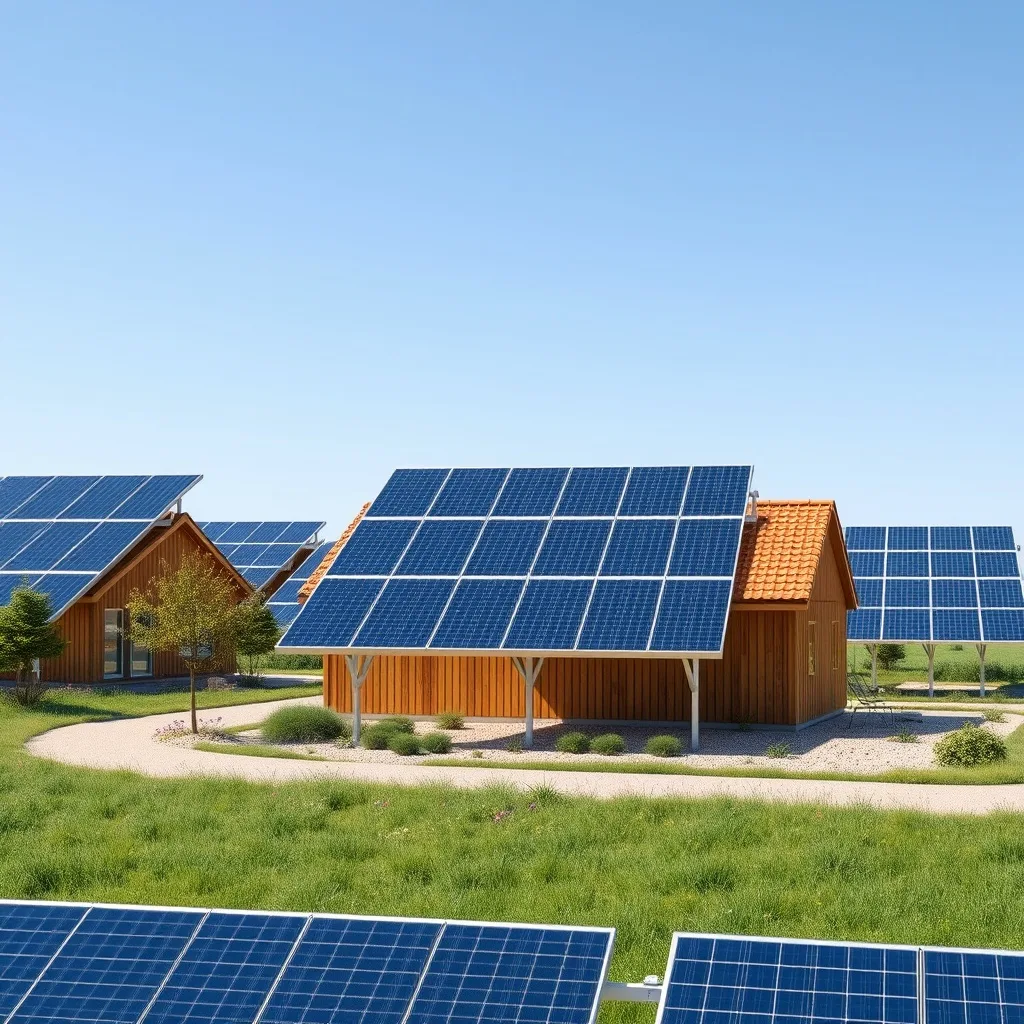
Blockchain-based solar trading lets neighbors or communities buy and sell excess solar power directly, without a utility as intermediary — still mostly pilot-stage technology, but a genuinely active area of experimentation.
Table of Contents
- How Peer-to-Peer Solar Trading Works
- Where This Technology Actually Stands
- Potential Benefits and Real Barriers
- Regulatory Hurdles
- Frequently Asked Questions
How Peer-to-Peer Solar Trading Works
The concept uses blockchain’s distributed ledger to record and settle energy transactions directly between a solar-producing household and a nearby buyer, theoretically removing the utility as a pricing intermediary. In practice, this still typically requires the existing physical grid infrastructure to actually deliver the power — blockchain handles the transaction record, not the electricity delivery itself.
Where This Technology Actually Stands
Most peer-to-peer solar trading remains in pilot programs and limited regional trials rather than widespread commercial deployment. Regulatory frameworks in most jurisdictions weren’t designed for direct peer-to-peer energy sales, which is currently the biggest practical barrier to broader adoption, more than the underlying technology itself.
Potential Benefits and Real Barriers
| Aspect | Reality |
|---|---|
| Potential benefit | Potentially better pricing than standard utility export rates |
| Physical delivery | Still requires existing grid infrastructure |
| Regulatory status | Largely unresolved in most jurisdictions |
| Current deployment | Pilot programs, not mainstream availability |
Regulatory Hurdles
Most electricity regulatory frameworks were built around a centralized utility model, not direct peer-to-peer transactions between individual households. Updating this framework — who’s liable for grid stability, how transactions are taxed, how the physical grid is fairly compensated for delivery — is a genuinely complex undertaking still being worked through in the jurisdictions actively piloting this technology.
Frequently Asked Questions
Can I actually sell my solar power to my neighbor today?
In most jurisdictions, no — this remains pilot-stage technology without broad regulatory support yet.
Does blockchain solar trading eliminate the need for the electric grid?
No, physical power delivery still relies on existing grid infrastructure — blockchain handles the transaction record only.
What’s the biggest barrier to this becoming mainstream?
Regulatory frameworks not designed for peer-to-peer energy sales, more than any technical limitation.
Is this the same as community solar?
No, community solar is a subscription to a shared project’s output; peer-to-peer trading is a direct transaction model between individual producers and buyers.
Should I expect this to be available soon?
Availability depends heavily on regulatory changes in your specific jurisdiction — timeline is genuinely uncertain.
For established ways to monetize excess solar, see our net metering guide. For community-based alternatives available today, see our community solar programs guide.
Related Posts

Leave a Comment
Your comment will be published after it has been approved. Please send comments that do not contain slang words.