
Largest Solar Farms in the World
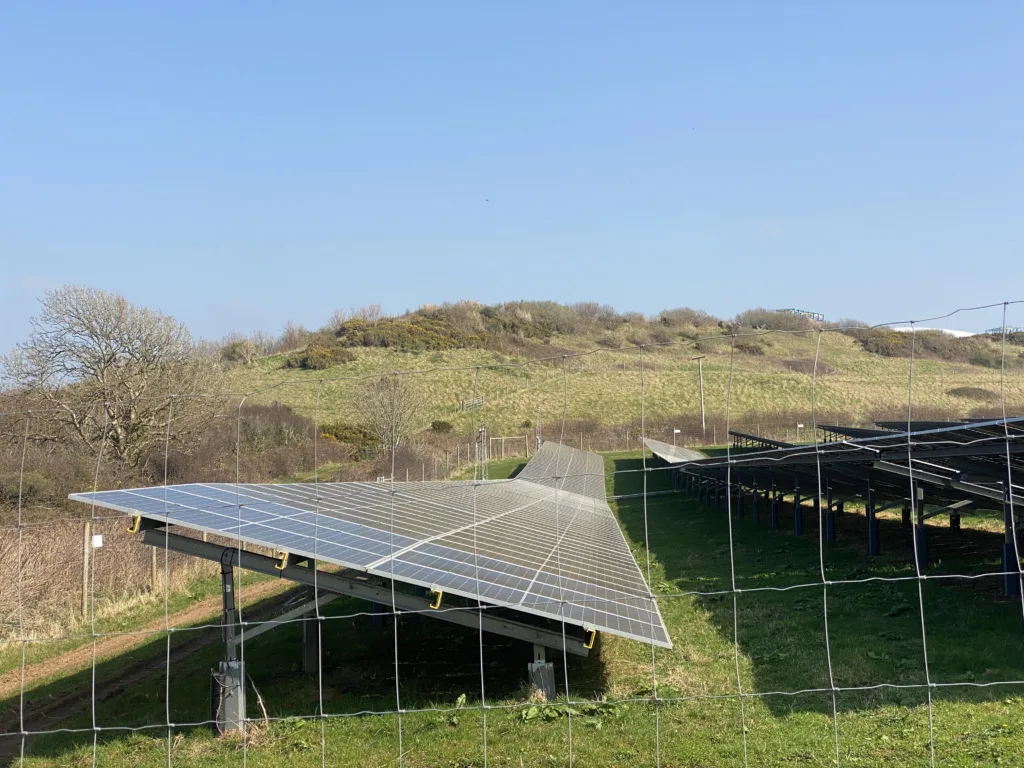
The largest solar farms in the world have grown dramatically in scale over the past decade, with the biggest projects now measured in gigawatts rather than megawatts – a scale that illustrates how far utility-scale solar has come from its early, much smaller installations.
This guide covers what defines the world’s largest solar installations. It explains the general regional pattern behind where they get built. It covers what makes gigawatt-scale projects technically and logistically different from typical utility-scale projects. It also explains how project rankings tend to change as new mega-projects come online.
Table of Contents
- What Defines the “Largest” Solar Farms
- Scale Context: How Big Is a Gigawatt Project
- The Regional Pattern Behind Mega-Projects
- What Makes Gigawatt-Scale Projects Different
- Why Rankings Change Frequently
- Floating Solar: A Related Category
- What It Takes to Finance a Mega-Project
- Notable Project Types and Configurations
- Common Mistakes When Following These Rankings
- Frequently Asked Questions
What Defines the “Largest” Solar Farms
Largest can mean different things depending on the metric used. Total capacity in MW or GW is the most common ranking basis. Physical land area is another. Total annual energy output is a third, and that depends on the site’s solar resource quality, not just capacity. Most published largest-solar-farm rankings use nameplate capacity. It is worth noting when a specific list measures something else. A lower-capacity project in an exceptionally sunny location can produce more actual energy than a higher-capacity project in a less optimal one.
Scale Context: How Big Is a Gigawatt Project
| Scale | Approximate Homes Powered | Approximate Land Area |
|---|---|---|
| 100 MW (large utility-scale) | ~15,000-20,000 homes | ~500-700 acres |
| 1 GW (1,000 MW, “gigawatt-scale”) | ~150,000-200,000 homes | ~5,000-7,000 acres |
| 2-3 GW+ (among the world’s largest) | ~300,000-600,000+ homes | ~10,000-20,000+ acres |
These figures are illustrative approximations – actual homes-powered and land-area figures vary by regional home energy consumption and site-specific technology and design choices.
The Regional Pattern Behind Mega-Projects
The world’s largest solar installations have concentrated in regions with three things in common. They combine abundant flat land, a strong solar resource, and substantial government or corporate investment capacity. Historically that has included large projects across India, China, the Middle East, and the US Southwest. This pattern reflects the same siting fundamentals discussed in our land requirements guide, just at a scale requiring exceptionally large contiguous land availability and correspondingly large grid interconnection capacity to match.
What Makes Gigawatt-Scale Projects Different
Beyond simply being bigger, gigawatt-scale projects face challenges smaller utility-scale developments do not. They typically require dedicated new transmission infrastructure rather than connecting to existing capacity. They often involve government-level coordination, and sometimes direct government investment or guarantee, given the project finance scale. Construction logistics also operate at an industrial scale, with workforce, equipment, and materials delivery closer to major infrastructure projects than typical solar development. These projects are frequently built in phases over several years rather than as one continuous construction effort. The practical logistics drive part of that. So does the way financing is often structured to de-risk the largest projects.
Why Rankings Change Frequently
Largest-solar-farm rankings shift relatively often as new mega-projects reach completion. The industry’s continued rapid growth is the reason. A list accurate at publication can be outdated within a year or two, especially in the highest-growth markets. Keep that in mind when you encounter any specific claim about the world’s largest solar farm. Check the publication date. A more recently completed project may already have surpassed it. No single article’s ranking, including this one over time, is a permanent fact.
Notable Project Types and Configurations
The largest solar installations are not always a single contiguous array. Some of the biggest are solar parks or clusters combining multiple separately developed and financed projects on adjacent land. Different developers may have built them over different timeframes. Rankings group them together by their combined capacity at one site. Others are genuinely single, unified developments. This distinction matters for understanding how a specific ranking was calculated. A combined-park figure and a single-development figure are not always directly comparable. They describe different things about what was actually built as one coordinated project.
Floating Solar: A Related Mega-Project Category
Floating solar installations mount panels on floating platforms over reservoirs, hydroelectric dam lakes, or other water bodies. They represent a growing and distinct mega-project category. They matter most in land-constrained countries where suitable ground-mount land is scarce or expensive. Some of the largest floating solar installations rival ground-mounted mega-projects in capacity. They also reduce water evaporation from the covered reservoir surface. In some cases they co-locate with existing hydroelectric infrastructure and transmission capacity. This category is worth knowing as context. Largest-solar-farm rankings sometimes separate floating and ground-mounted installations. Occasionally they combine them in ways worth checking when comparing figures across sources.
What It Takes to Finance a Mega-Project
Financing a gigawatt-scale project typically requires a consortium of lenders and investors rather than a single financing entity, often including development banks or government-backed financing institutions given the project scale, alongside the private project finance and tax equity structures discussed in our solar farm ROI guide at smaller utility scale. Government involvement is considerably more common for the very largest projects than for typical mid-size utility-scale developments. It comes through direct investment, loan guarantees, or streamlined permitting support. Two things drive it: the strategic energy-security significance some governments place on these projects, and the sheer capital scale involved.
Common Mistakes When Following These Rankings
- Treating any specific “largest” ranking as permanent – the industry’s continued growth means rankings shift regularly as new projects come online.
- Confusing capacity-based and land-area-based rankings – these can produce different orderings depending on site-specific technology and design density.
- Not distinguishing a combined solar park from a single unified development – affects what the ranking is actually measuring.
- Assuming capacity directly predicts actual energy output – solar resource quality at the specific site also matters significantly for real output.
Frequently Asked Questions
How big is the world’s largest solar farm?
Rankings shift regularly as new mega-projects come online, generally in the multi-gigawatt range for the current largest installations – check a recent, dated source rather than relying on a static figure, since this changes with new project completions.
How many homes can a gigawatt-scale solar farm power?
Roughly 150,000-200,000 homes for a 1 GW project, as a rough approximation – actual figures vary by regional home energy consumption and the specific site’s solar resource quality.
Why do “largest solar farm” rankings vary between different sources?
Different sources sometimes use different metrics (capacity vs. land area vs. output) or count combined solar parks differently than single unified developments – check what specific metric a given ranking is using.
Where are most of the world’s largest solar farms located?
Historically concentrated in regions combining abundant flat land, strong solar resource, and large investment capacity – notably India, China, the Middle East, and parts of the US, though this continues to shift as new markets develop mega-scale projects.
Do gigawatt-scale projects use different technology than smaller utility-scale farms?
Generally similar core panel and inverter technology, but requiring dedicated transmission infrastructure and industrial-scale construction logistics not needed for smaller projects.
What is floating solar and how does it relate to the largest solar farms?
Panels mounted on floating platforms over water bodies (reservoirs, dam lakes) – a growing mega-project category, particularly in land-constrained regions, sometimes ranked separately from ground-mounted installations.
Do governments typically help finance the world’s largest solar projects?
Often yes, more so than typical mid-size utility-scale projects – through direct investment, loan guarantees, or development bank financing, reflecting both the capital scale involved and strategic energy-security considerations.
Conclusion
The world’s largest solar farms illustrate how far utility-scale solar has scaled. Early megawatt-class projects have given way to today’s multi-gigawatt developments. Largest rankings still shift regularly as the industry continues rapid growth. Treat any specific figure as a snapshot rather than a permanent fact. See our utility-scale solar guide and land requirements guide for the fuller development context.
Further reading: NREL – Solar Market Research and Analysis and Wikipedia – List of photovoltaic power stations.
Related Reading
For the full picture of how utility-scale solar projects come together, see our Utility-Scale Solar: The Complete 2026 Guide, covering development, financing, interconnection, and grid integration.
For the full breakdown, see our economic impact of large solar farms guide.
Related Posts
Leave a Comment
Your comment will be published after it has been approved. Please send comments that do not contain slang words.