
Geothermal vs Solar for a Home: They Solve Different Problems
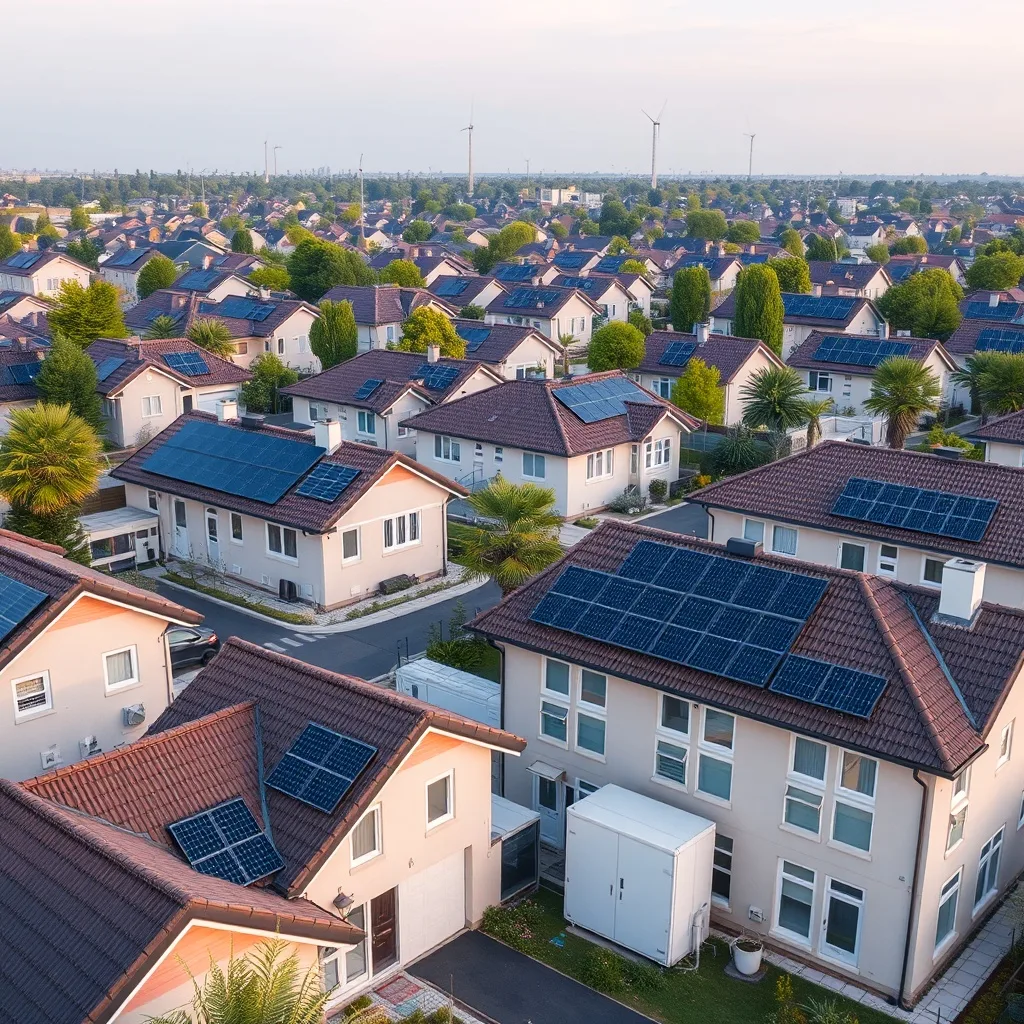
Quick answer: These are not competing purchases. Solar panels generate electricity. A ground source heat pump reduces the electricity your heating and cooling consume, typically delivering three to five units of heat per unit of electricity. The strongest home energy setup usually pairs them. If you can only do one, do the one that addresses your biggest bill, and in most cold-climate homes that is heating.
What this guide covers
- Why the comparison is usually framed wrong
- How ground loops work
- Side by side
- When air-source beats ground-source
- Pairing solar with a heat pump
- Common mistakes
- FAQ
Why the comparison is usually framed wrong
Solar photovoltaics are a supply technology. They produce kilowatt-hours you would otherwise buy.
A ground source heat pump is a demand technology. It does not generate anything. It moves heat between your house and the ground, using a relatively small amount of electricity to do so.
Because the ground stays at a stable temperature year round, the heat pump works across a smaller temperature difference than an air-source unit does on a freezing night. Smaller difference means higher efficiency.
So the sensible question is not which one to buy. It is which one gives you the larger saving per dollar in your specific house, and the answer depends on your climate and your current heating fuel.
How ground loops work
The heat pump itself sits indoors and looks much like a furnace. The expensive and site-specific part is the loop buried outside.
Horizontal loops. Pipe laid in trenches a few feet down, spread across a large area. Cheapest to install where land is available and excavation is easy.
Vertical boreholes. Pipes dropped into boreholes drilled a few hundred feet deep. Uses very little land, costs considerably more, and needs drilling access.
Pond or lake loops. Coiled pipe submerged in a suitable body of water. Cheapest of all where the water body is large and deep enough.
Open loop. Draws groundwater directly, uses its heat, and returns it. Efficient but dependent on water quality, well yield and local regulation.
The loop is the part with the very long life. Buried pipe is commonly warranted for around fifty years, while the heat pump itself is a normal appliance with a twenty to twenty-five year life.
Side by side
| Factor | Solar PV | Ground source heat pump |
|---|---|---|
| What it does | Generates electricity | Cuts heating and cooling energy |
| Site sensitivity | Roof orientation and shade | Land area, soil and drilling access |
| Install disruption | Low, one to two days | High, excavation or drilling |
| Upfront cost | Moderate | High |
| Equipment life | 25 years plus | Loop 50 years, unit 20 to 25 |
| Winter performance | Weak | Strong and stable |
| Also provides cooling | No | Yes |
| Federal tax credit | Yes | Yes, geothermal heat pumps qualify |
Both currently qualify for the residential clean energy credit, which materially changes the geothermal payback. Confirm current rates and eligibility with a tax professional, and see solar tax credits.
When air-source beats ground-source
Air-source heat pumps have improved enormously, and honesty requires saying so.
Cold-climate air-source models now maintain useful output at temperatures that would have defeated them fifteen years ago. They cost far less to install because there is no loop, no excavation and no drilling.
Ground source still wins on efficiency, especially in very cold weather, and it is quieter with no outdoor unit to ice up. But the gap in running cost has to repay a large gap in installed cost.
Rough guidance. In a mild or moderate climate, air-source usually wins on total cost. In a severe climate with a large heating load and a long occupancy horizon, ground source is more likely to justify itself. If your site makes trenching or drilling expensive, that often decides it outright.
Get both quoted. The difference between them at your address is more informative than any general rule.
Pairing solar with a heat pump
The combination works well, with one caveat about timing.
Heat pump electricity demand peaks in winter. Solar output bottoms out in winter. So the array does not directly power the heating in the season it is most needed.
Under annual net metering that mismatch does not matter much, because summer surplus offsets winter import. Under newer export tariffs with low credit rates it matters a great deal. Check which rules apply to you in net metering explained and time-of-use rates.
Also size the array against post-upgrade consumption. Electrifying heat raises your electricity use substantially, so an array sized on your old gas-heated bills will be too small.
Sequence the work sensibly: reduce the load first with insulation and air sealing, then install the heat pump, then size the solar. See home energy audits.
Common mistakes
Treating them as alternatives. One is supply, the other is demand. They stack.
Installing a heat pump into a leaky house. You end up paying for capacity that insulation would have made unnecessary.
Sizing solar on pre-electrification bills. Your consumption is about to change.
Skipping the loop design review. An undersized ground loop degrades performance every winter and cannot be fixed cheaply afterwards.
Ignoring ductwork. Heat pumps deliver air at lower temperature than a furnace, so undersized ducts cause comfort complaints.
FAQ
Is geothermal better than solar?
They do different jobs. Solar generates electricity, geothermal reduces heating and cooling consumption. Most homes benefit from both.
How efficient is a ground source heat pump?
Typically three to five units of heat per unit of electricity, because the ground temperature is stable year round.
Does geothermal qualify for the federal tax credit?
Geothermal heat pumps have qualified under the residential clean energy credit. Confirm current rules with a tax professional.
How long does a ground loop last?
Buried loop pipe is commonly warranted around fifty years. The heat pump unit itself lasts twenty to twenty-five.
Is air-source good enough?
In mild and moderate climates it usually wins on total cost. In severe climates ground source performs better.
Can solar power a heat pump?
Over a year, yes. Seasonally the timing is mismatched, so how your export tariff works determines the economics.
Do I need a bigger solar array if I electrify heating?
Yes. Size it on projected post-upgrade consumption, not on your current bills.
Where to go next
Read solar plus heat pumps, home energy audits and solar water heaters for the rest of the home energy picture.
Heat pump performance data is published by the U.S. Department of Energy and ENERGY STAR.
Related Posts
Leave a Comment
Your comment will be published after it has been approved. Please send comments that do not contain slang words.