
Clean Energy Technology Trends
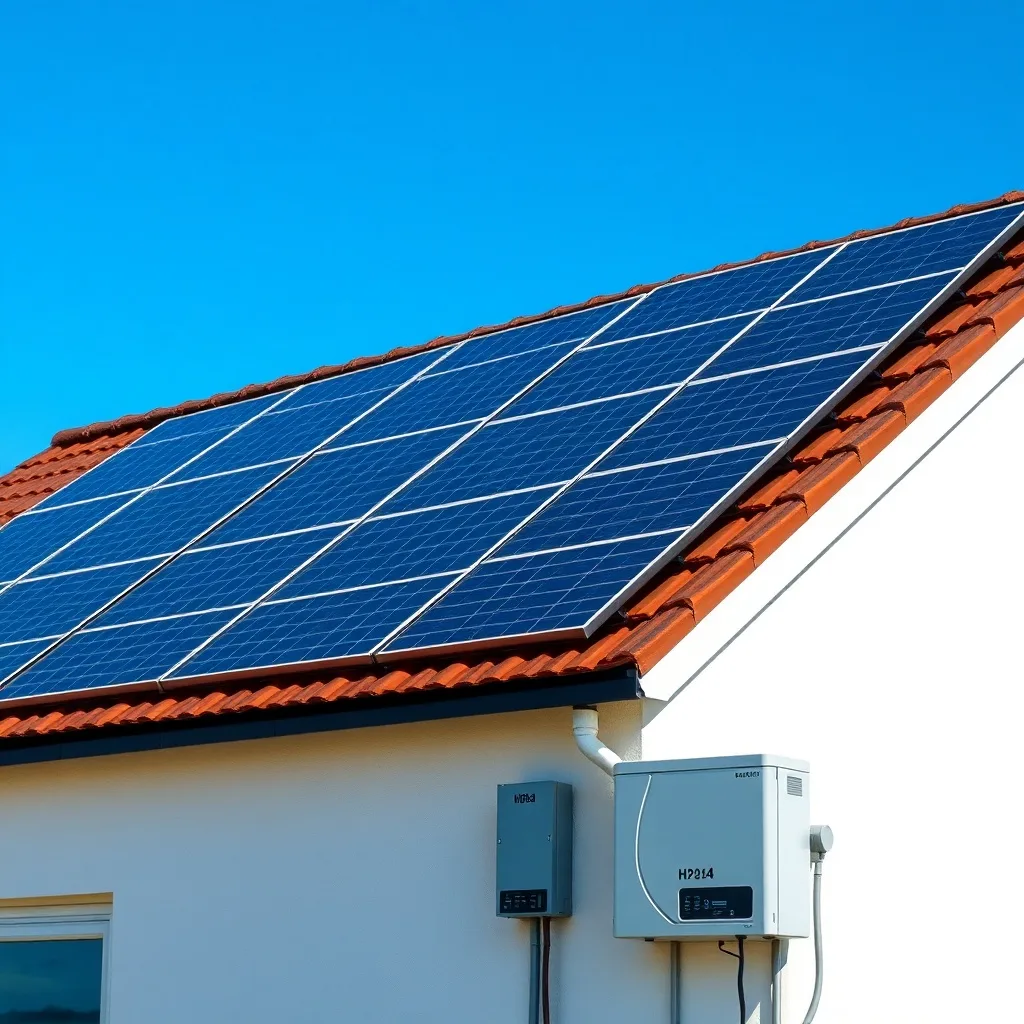
Clean energy technology trends in 2026 span cell-level innovation on the panel side, a maturing wave of grid-scale and residential storage chemistry, AI-driven grid and microgrid management, and a genuinely fast-moving startup and investment landscape – not all of it destined to reach mainstream residential adoption, but useful to track for anyone deciding when to buy versus wait, or trying to understand where the industry is actually headed rather than where marketing claims it is.
This guide covers the technology trends worth actually paying attention to. It explains the microgrid concept and why it is gaining traction. It also covers supply chain shifts affecting equipment cost and availability, and what is happening in clean energy startup activity.
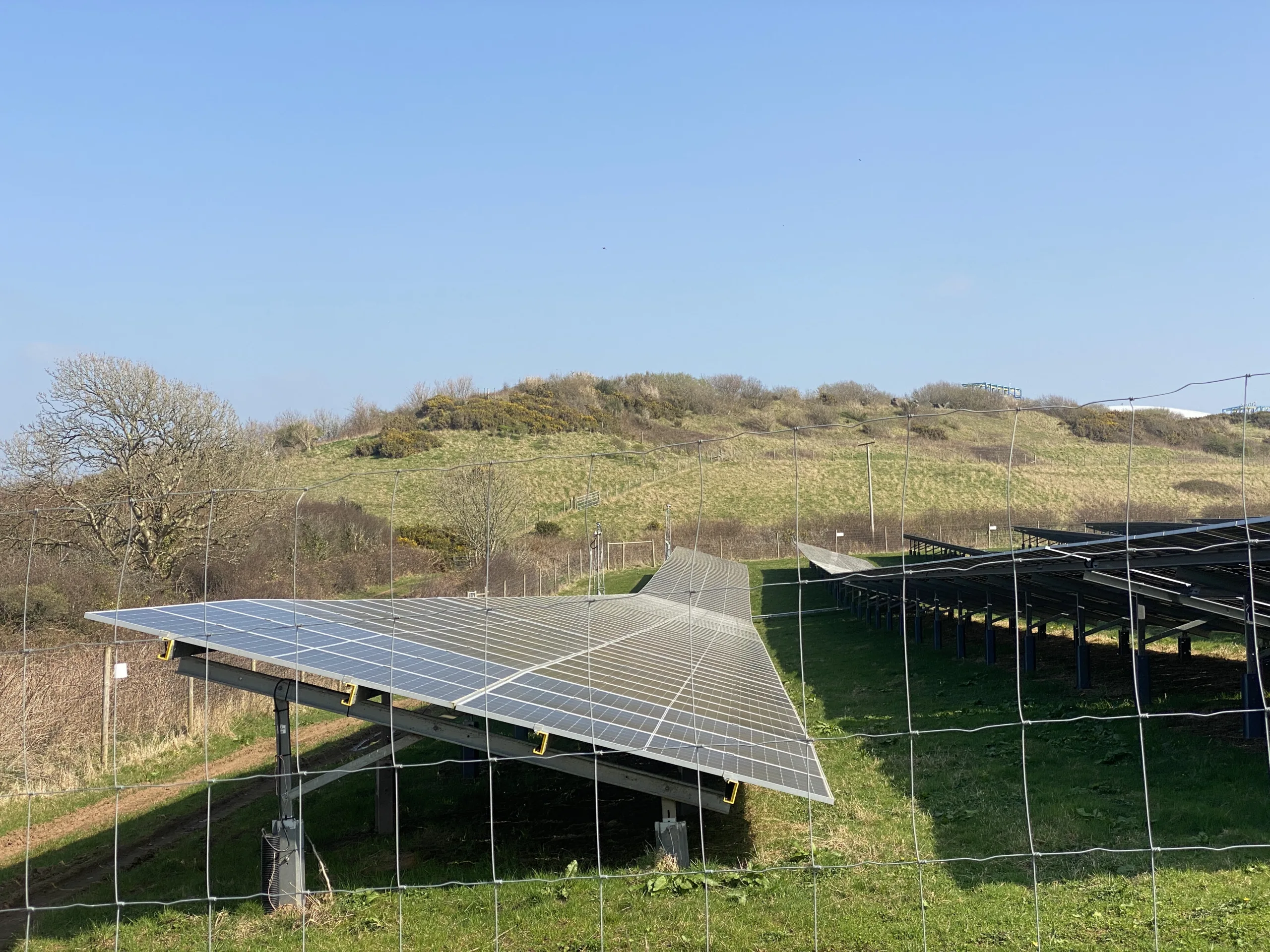
Table of Contents
- Panel Technology: What’s Actually Advancing
- Battery Storage Technology Trends
- Microgrids: Why They’re Gaining Traction
- AI and Software in Grid Management
- Supply Chain Shifts Affecting Cost and Availability
- Clean Energy Startup and Investment Activity
- Agrivoltaics and Land-Use Innovation
- Recycling and the Circular Economy
- US and EU Manufacturing Reshoring
- How to Evaluate a New Technology Claim
- How to Keep Tracking These Trends
- Green Hydrogen: Where It Fits
- What’s Genuinely Worth Watching vs. Hype
- Should You Buy Now or Wait for Better Technology?
- Common Mistakes When Following Trends
- Frequently Asked Questions
Panel Technology: What’s Actually Advancing
TOPCon cell technology has become the mainstream standard across most major manufacturers’ newer product lines. It is gradually succeeding the long-dominant mono-PERC design, with modestly higher efficiency and better temperature performance. Heterojunction (HJT) cells remain a premium tier above that. Perovskite-silicon tandem cells generate the most genuine excitement, and the most hype. They stack a perovskite layer on top of traditional silicon. That captures a wider slice of the light spectrum. Lab efficiencies well above traditional single-junction silicon have been demonstrated. Durability and manufacturing-scale cost remain the open questions. Those determine how fast this reaches real residential rooftops rather than pilot programs. See our best solar panel brands guide for the cell technology comparison relevant to buying today.
Battery Storage Technology Trends
LFP (lithium iron phosphate) chemistry remains the dominant choice for new residential and commercial storage given its safety and cycle-life advantages, discussed in depth in our battery chemistry guide. Sodium-ion batteries are the chemistry to watch longer-term. They promise lower material cost, since sodium is far more abundant than lithium. They currently trail LFP on energy density and residential track record. Solid-state battery technology is widely discussed in the EV space. It remains further from residential stationary storage commercialization than headlines sometimes suggest. It is genuinely promising for energy density and safety. But manufacturing scale-up timelines for stationary storage specifically lag the more heavily funded EV battery push.
Microgrids: Why They’re Gaining Traction
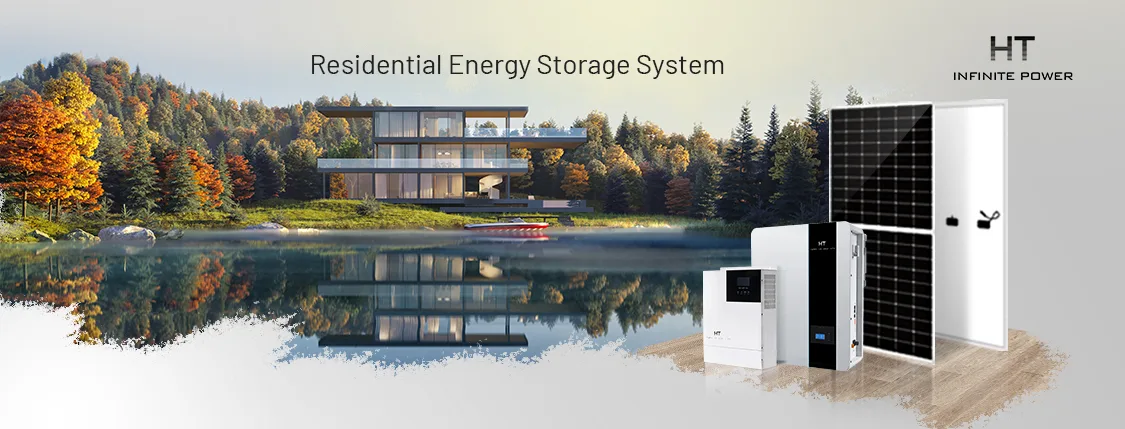
A microgrid is a localized energy system combining generation, usually solar, with storage and sometimes a backup generator. It can operate connected to the main grid, or island independently during an outage. Microgrids serve anything from a single large facility to a small community. Three things drive growing interest in microgrids. Severe-weather grid outages have become more frequent in several US regions. Falling storage costs have made the economics more viable than a decade ago. And specific institutional buyers prioritize resilience alongside cost, including hospitals, military installations, university campuses, and disaster-resilient community projects. A residential home battery with backup capability is, in a sense, the smallest-scale version of this same concept – see our home battery storage guide for that scale specifically.
AI and Software in Grid Management
Software, increasingly AI-driven, is playing a growing role on two fronts. In utility-scale grid operations it forecasts renewable output, manages demand response, and optimizes dispatch across increasingly distributed generation sources. In consumer-facing products, smart inverters and batteries automatically optimize when to charge, discharge, or export, based on real-time rate signals and weather forecasts. This is a genuinely useful trend, distinct from the various AI-powered marketing claims that add little real functionality. The meaningful version is software making better real-time decisions about existing hardware. It is not a fundamentally new hardware category.
Supply Chain Shifts Affecting Cost and Availability
Panel and battery supply chains have seen meaningful shifts in recent years. Trade policy and tariffs affect where major manufacturers locate production for the US market specifically. Manufacturing remains heavily concentrated in a small number of countries for both cells and battery materials. Domestic manufacturing investment in the US and EU is growing to reduce that concentration, though it is still early-stage. For buyers, the practical effect is that pricing and availability for specific brands and product lines can shift with fairly little notice. Get current pricing directly from an installer close to purchase time. Older published figures, including those in this article, are not reliable as precise numbers.

Clean Energy Startup and Investment Activity
Venture and growth-stage investment in clean energy technology remains active across several categories. Next-generation battery chemistry covers sodium-ion and solid-state. Grid software and virtual power plant platforms aggregate distributed home batteries into a coordinated grid resource. Long-duration storage technologies target multi-day rather than multi-hour storage. Green hydrogen production and applications form a fourth category. Not every well-funded startup category reaches mainstream residential relevance. Long-duration storage and green hydrogen in particular are likelier to matter first at grid and industrial scale. Knowing this keeps residential buyers from over-anticipating near-term product availability based on industrial-scale headlines.
What’s Genuinely Worth Watching vs. Hype
| Trend | Residential Relevance Timeline |
|---|---|
| TOPCon cells becoming standard | Already here – most current product lines |
| Perovskite-silicon tandem cells | Likely several years from broad residential availability at proven durability |
| Sodium-ion residential storage | Early market entrants appearing now, mainstream adoption likely a few years out |
| Solid-state stationary storage | Further out for residential than EV applications; don’t wait for this specifically |
| AI-optimized smart inverter/battery software | Already shipping in current-generation hybrid inverters and batteries |
| Virtual power plant (VPP) participation | Available in a growing number of utility territories now for battery owners |
Should You Buy Now or Wait for Better Technology?
For most homeowners, waiting for the next cell chemistry or battery breakthrough is a poor trade. The incentive and rate-savings value lost during the wait usually outweighs the gain. Current-generation TOPCon panels and LFP batteries are mature, well-warrantied, and financially attractive today. The more speculative technologies above remain multiple years from proven residential deployment at scale. There is one exception: a household already planning a purchase two to three years out for other reasons, such as a roof replacement timeline, a move, or waiting on financing. In that case, current trends are worth tracking. But waiting for the next big thing as a primary strategy has historically cost the typical residential buyer more in delayed savings than it saved in better technology.
Agrivoltaics and Land-Use Innovation
Agrivoltaics combines solar generation with continued agricultural use of the same land. That happens through elevated panel mounting allowing crops or grazing underneath, or panel arrangements designed around specific crop light needs. It has moved from research pilots to a genuinely growing category of utility-scale and community solar development. The appeal is straightforward. It addresses one of the more common objections to large solar farms, namely land-use competition with agriculture. In some documented cases it actually improves certain crop yields, through partial shading and reduced water evaporation. This remains more relevant to utility-scale and community solar development than typical residential rooftop decisions, but reflects a broader trend of land-use innovation worth knowing about, particularly for rural property owners considering a larger installation – see our utility-scale solar guide for the broader development context this fits into.
Recycling and the Circular Economy
The first large wave of grid-tied residential and utility solar from the 2000s and 2010s is now approaching or passing rated lifespan. Panel and battery recycling infrastructure is a genuinely growing area of technology and policy development as a result. It remains uneven by region. Formal manufacturer take-back programs are becoming more common. Material-recovery technology for silicon panels and lithium battery components continues to improve. Both the efficiency of recovery and the range of materials economically worth recovering are advancing. This is more a multi-year infrastructure buildout than a near-term consumer-facing product trend. It is increasingly factored into manufacturer sustainability claims. In some markets it also feeds into extended producer responsibility regulation affecting how equipment is designed and sold.
US and EU Manufacturing Reshoring
Both the US and EU have seen meaningful new investment in domestic panel, cell, and battery manufacturing capacity. Trade policy, domestic-content incentive programs, and supply chain resilience concerns after recent disruptions all drive it. This is a shift from the heavy manufacturing concentration in a small number of countries that characterized the industry for the prior two decades. This remains a multi-year buildout rather than a completed shift. Pricing competitiveness of domestically manufactured equipment against established international supply chains varies by product category, and continues to evolve. For buyers specifically targeting domestic-content incentive eligibility, this expanding manufacturing base is gradually increasing the range of qualifying products available, discussed further in our solar panel brands guide.
How to Evaluate a New Technology Claim
New clean energy technology headlines circulate constantly: a lab-record efficiency number, a startup announcement, a revolutionary battery claim. A few quick questions separate genuine near-term relevance from early-stage research or marketing. Start with the most useful one. Is this a lab result or a commercially shipping product? What is the actual manufacturing timeline to reach residential scale, if stated? Is the claim about a fundamentally new capability, or an incremental improvement on an existing one? And critically: does this affect a purchase decision you’re making in the next 1-2 years, or is it more relevant 5+ years out? Most headline-grabbing announcements are genuinely interesting but not yet residentially relevant. They are useful to know about. They are not a reason to delay a near-term purchase decision on proven current technology.
How to Keep Tracking These Trends Yourself
Beyond following industry publications, three habits help separate signal from noise over time. Watch for a technology moving from lab-record language to third-party certified commercial product language, which is a meaningful milestone. Watch pricing trend data from a small number of trusted sources rather than any single press release. And pay attention to what your own installer actually recommends and stocks, since installers have practical incentive to move toward genuinely cost-effective current technology rather than chase every headline. This article will be revisited periodically to keep pace with genuine developments rather than treating any single technology snapshot as permanent.
Green Hydrogen: Where It Actually Fits
Green hydrogen is produced via electrolysis powered by renewable electricity. It continues to attract substantial industrial and grid-scale investment. That investment targets hard-to-electrify sectors like heavy industry, long-haul shipping, and certain forms of long-duration grid storage. Residential energy use is not the target. Cost and infrastructure barriers remain significant at every scale, covering production efficiency, storage, and distribution. Residential hydrogen fuel cells have been technically demonstrated. They are not a near-term mainstream home energy category for the vast majority of buyers. Treat green hydrogen headlines as an industrial and grid-scale story to watch, not a home-energy purchase consideration for the foreseeable future.
Common Mistakes When Following Trends
- Delaying a purchase indefinitely waiting for a not-yet-commercial technology – current mature technology is usually the better financial decision today.
- Confusing grid-scale/industrial trend timelines with residential availability – long-duration storage and green hydrogen are grid/industrial-scale stories first.
- Treating “AI-powered” marketing claims as equivalent to genuine software innovation – ask specifically what the software actually optimizes, not just whether the term appears on the spec sheet.
- Assuming supply chain and pricing trends from an older article are still current – this space moves quickly; verify current pricing and availability directly with an installer.
Frequently Asked Questions
Should I wait for perovskite solar panels instead of buying now?
For most homeowners, no – current TOPCon and mono-PERC panels are mature, well-warrantied, and financially attractive today, while perovskite-tandem panels remain likely years from proven residential-scale durability and availability.
What is a microgrid, in simple terms?
A localized combination of generation (often solar), storage, and sometimes backup generation that can run connected to the main grid or independently (“island”) during an outage – a home battery with backup capability is a small-scale version of the same concept.
Are sodium-ion batteries available for home use yet?
Early market entrants are appearing, but LFP remains the dominant, most proven residential chemistry as of 2026 – sodium-ion is worth watching rather than waiting for in most near-term purchase decisions.
What is a virtual power plant (VPP)?
A program, increasingly available in various utility territories, that aggregates many residential batteries into a coordinated grid resource, sometimes paying participating homeowners for allowing the utility limited access to discharge during grid stress events – worth asking your utility about if you already have or are considering battery storage.
How often do clean energy technology trends actually change buying decisions?
Less often than headlines suggest for most residential buyers – current mature technology (TOPCon panels, LFP batteries, hybrid inverters with smart software) already reflects most of the practically relevant trends. Genuinely disruptive shifts in what’s available and cost-effective for a typical home happen on a multi-year cadence, not month to month.
Is agrivoltaics relevant to a typical residential rooftop system?
Not directly – it’s primarily a utility-scale and community solar land-use strategy, though rural property owners considering a larger ground-mount installation may find it relevant.
Does panel/battery recycling affect my purchase decision today?
Not significantly for most buyers yet, but worth a brief question to your installer about a specific brand’s take-back program, since this is a growing consideration as the installed base ages.
For the microgrid concept applied at the smallest residential scale, see our hybrid inverter guide, which covers the equipment making home-scale backup and grid-independence possible today.
Conclusion
The clean energy technology landscape is moving quickly at the research and grid or industrial scale. The practically relevant trends for a residential buyer today are already mature and available. TOPCon panels, LFP storage, smart inverter software, and growing VPP participation are here now, not multi-year-away breakthroughs. Track the emerging technologies for awareness, but buy against today’s proven, well-warrantied options rather than waiting indefinitely. See our best solar panel brands guide and battery chemistry guide for what to actually buy today.
Further reading: NREL – Solar Research and Wikipedia – Microgrid.
If you want the specifics, our clean energy transition and getting started guide goes deeper. This is covered separately in our clean energy future guide.
Two adjacent areas draw frequent attention. Our blockchain solar trading guide looks at peer-to-peer energy platforms, and our electric transportation guide covers the mobility side.
A mature technology often left out of trend coverage is reviewed in solar water heaters.
For practical home measures alongside the trends, see the clean energy topic guide.
Related Posts

Leave a Comment
Your comment will be published after it has been approved. Please send comments that do not contain slang words.