
Maintaining home solar panels
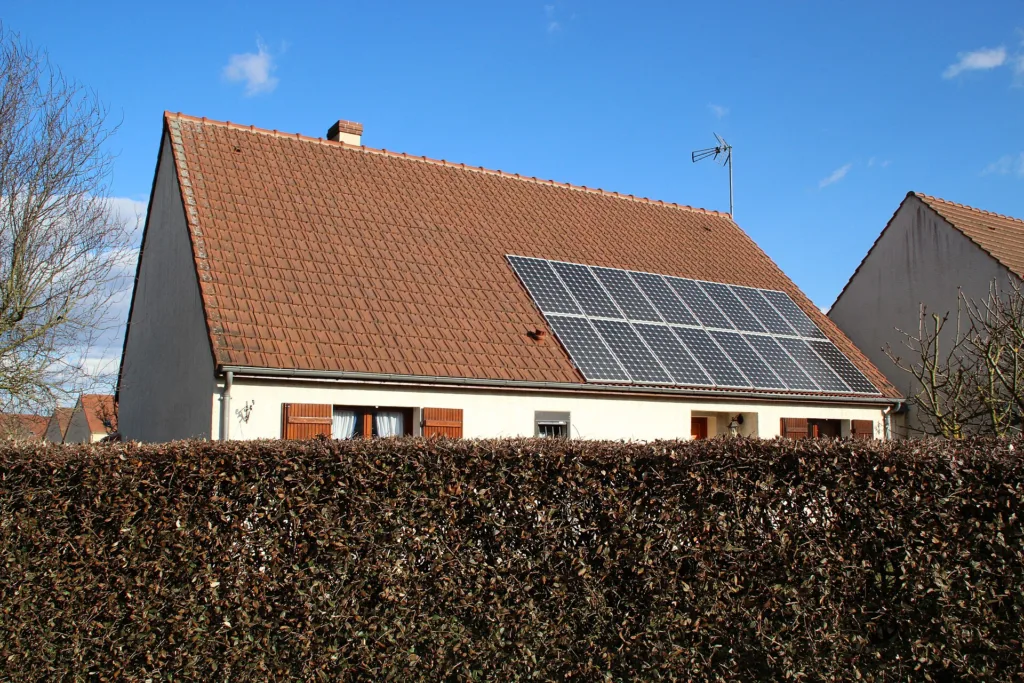
Solar panels need less maintenance than almost any other system in a house. That is genuinely true, and it is also how people end up losing production for years without noticing.
Low maintenance is not no maintenance. A gradual output decline rarely announces itself. It shows up as a slightly higher bill that you attribute to the weather.
This guide covers what actually needs doing and how often. It covers what you can safely do yourself. It also covers how to tell a real fault from normal seasonal variation.
Table of Contents
- What Actually Needs Maintenance
- A Realistic Maintenance Schedule
- Maintenance Tasks and Intervals
- Cleaning: When It Matters and When It Does Not
- What You Should Not Do Yourself
- Reading Your Monitoring Data
- Diagnosing a Production Drop
- The Inverter Is the Part That Fails
- Climate-Specific Concerns
- Maintenance and Your Warranty
- Frequently Asked Questions
- Conclusion
What Actually Needs Maintenance
Panels themselves have no moving parts. They are sealed glass and aluminum designed to sit outdoors for 25 years. They rarely fail.
The parts that need attention are elsewhere. The inverter is the main one, since it does the electrical work and generates heat. Connections loosen. Mounting hardware works loose over years of thermal cycling. Vegetation grows.
Soiling sits in its own category. It is not damage, it is accumulation, and it is the most common cause of quiet production loss.
A Realistic Maintenance Schedule
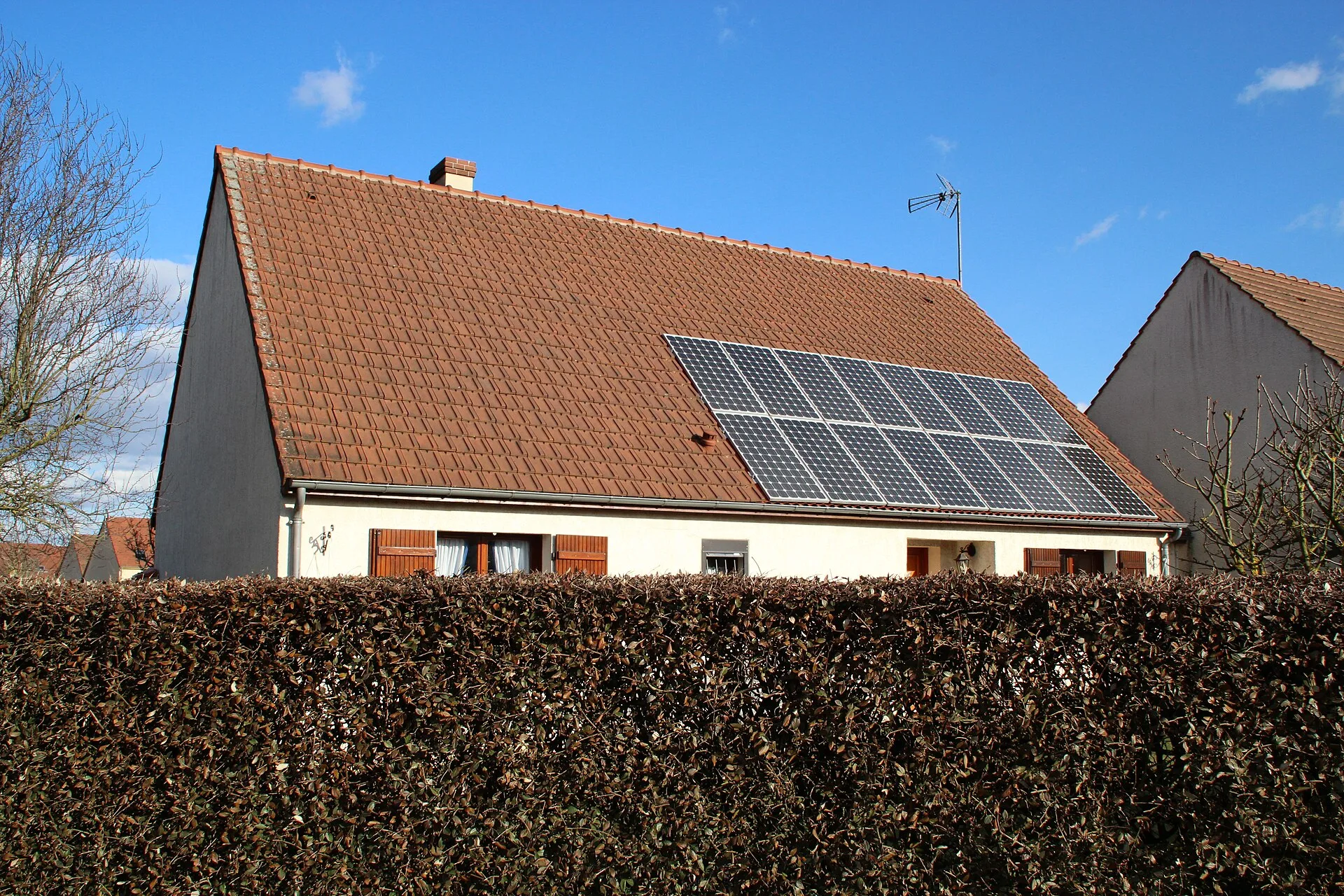
Most homeowners can cover the essentials in a few minutes a month plus one annual review.
Monthly. Open the monitoring app. Compare this month against the same month last year. That single habit catches most problems early.
Quarterly. Look at the panels from the ground. Check for visible soiling, debris, bird nesting, or new shading from growing branches. Check the inverter display for fault codes.
Annually. Review full-year production against the prior year. Clear vegetation around ground-mounted arrays and inverters. Confirm monitoring alerts still reach you by testing that you actually receive one.
Every 3 to 5 years. Have a qualified installer inspect wiring, connectors, mounting hardware, and roof penetrations. This is the check most owners skip and the one most likely to find something.
Maintenance Tasks and Intervals
| Task | Interval | DIY or professional | Why it matters |
|---|---|---|---|
| Check monitoring data | Monthly | DIY | Catches faults and soiling before they cost real money |
| Visual check from ground | Quarterly | DIY | Finds soiling, debris, nesting, new shading |
| Clear inverter vents | Twice a year | DIY | Heat is the main driver of inverter failure |
| Panel cleaning | As needed by climate | Professional if roof access needed | Soiling can cut output measurably |
| Vegetation management | Annually | DIY | Trees grow; shading develops gradually |
| Full electrical inspection | Every 3–5 years | Professional | Finds loose connections and roof penetration issues |
Cleaning: When It Matters and When It Does Not
Panel cleaning is the most over-sold solar service and, in some climates, a genuine necessity. Both things are true.
Where it rarely matters: temperate regions with regular rainfall and a reasonable tilt angle. Rain does most of the work. Cleaning may recover only a small percentage that never justifies the cost.
Where it genuinely matters: dry and dusty regions with long rain-free periods. Areas with heavy pollen. Sites near agriculture, construction, or unpaved roads. Low-tilt or flat-mounted arrays, where dirt does not run off.
Bird droppings are a specific case. Unlike dust, they do not rinse off and they block a cell completely. That can trigger a hot spot rather than a proportional loss.
If you do clean: use water and a soft brush or squeegee. Do it early morning or evening, never on hot panels, since cold water on hot glass risks thermal shock. Avoid abrasives, detergents, and pressure washers, all of which can damage the anti-reflective coating or force water past the seals.
The honest test: check your monitoring data before and after a cleaning. If production does not measurably improve, your site does not need regular cleaning.
What You Should Not Do Yourself
The line here is simple. Anything requiring roof access or touching electrical components should go to a professional.
A solar array carries high-voltage DC whenever the sun is on it. There is no switch that makes the panels safe, because they generate whenever illuminated. DC arc faults are a real hazard and behave differently from household AC.
Roof work carries its own risk, and walking on or near panels can crack cells invisibly. Microcracks do not show from the ground but do reduce output.
Never open an inverter enclosure. It voids the manufacturer warranty in most cases and exposes you to stored energy even when the system is off. A safe external reset is the limit of appropriate DIY intervention.
Reading Your Monitoring Data
Monitoring is the maintenance tool that actually finds problems. Most owners barely use it.
The single most useful comparison is year over year for the same month. That controls for season automatically. Comparing June to March tells you nothing; comparing this June to last June tells you a lot.
Watch for three specific patterns.
A gradual decline over months usually means soiling or developing shading. Panel degradation is real but far too slow to show up this way.
A sudden step change points at hardware. A failed panel, a failed string, or an inverter problem. Something changed on a specific date.
A recurring dip at the same time of day is shading. A structure, a tree, or a neighbouring building is casting a shadow that moves with the sun’s seasonal position.
Panel-level monitoring, available on microinverter and optimizer systems, makes this far easier. It shows which specific panel is underperforming rather than an array-level total.
Diagnosing a Production Drop
Work through this order before calling anyone.
First, rule out weather. Compare against the same month last year, not against a flat expectation. Seasonal variation is normal and routinely mistaken for a fault.
Second, check for a fault code on the inverter display or in the app. No production with no fault code, early or late in the day, is usually just insufficient light to cross the startup threshold. That is normal operation.
Third, look at the panels. Visible soiling, debris, or a new branch explains many gradual declines.
Fourth, check the disconnects. DC and AC disconnect switches are sometimes turned off during unrelated electrical work and never turned back on. It happens more often than you would expect.
Fifth, check connectivity. An app reporting the system offline while it is still producing is a networking problem, not a power problem. Power-cycling the router or the monitoring gateway usually resolves it.
If none of that explains it, call your installer. Our inverter troubleshooting guide covers what to have ready before the call.
The Inverter Is the Part That Fails
Over a 25-year system life, the inverter is the component most likely to need replacement.
String inverters commonly run 10 to 15 years. Microinverters are typically warrantied for 25. Either way, heat is the main factor in real-world lifespan.
That makes the cheapest maintenance task also one of the most valuable: keep cooling vents and fans clear of dust, leaves, and debris. An inverter running hotter than designed ages faster.
Mounting location matters too. A unit in direct afternoon sun works harder than one in a shaded garage. If yours is exposed and you are in a hot climate, shading it can extend its life. Our inverter warranty guide covers what coverage actually includes.
Climate-Specific Concerns
Hot and dry regions. Soiling is the main issue, and cleaning genuinely pays. Heat also accelerates inverter aging, so ventilation matters more here than anywhere.
Snowy regions. Snow usually slides off tilted panels on its own as they warm. Clearing snow manually risks scratching the glass and is rarely worth the recovered production. Check that ground-mount arrays are not buried by drifting.
Coastal areas. Salt air accelerates corrosion on mounting hardware and connectors. The 3-to-5-year professional inspection matters more here, and marine-rated hardware is worth specifying at install.
Heavily wooded sites. Leaf litter, sap, and steadily growing shade are the recurring problems. Annual vegetation management is not optional.
High-pollen regions. A spring pollen film can cut output noticeably for a few weeks. One well-timed cleaning after pollen season often recovers most of it.
Maintenance and Your Warranty
Neglect can cost you coverage, and so can the wrong kind of attention.
Manufacturer warranties generally exclude damage from improper cleaning. Pressure washing, abrasive pads, and harsh chemicals are the usual culprits. Damage to the anti-reflective coating is not a manufacturing defect.
Opening an inverter enclosure voids coverage in most cases. So does modifying the installation without authorization.
Keep records. The commissioning date, equipment model and serial numbers, any professional inspection reports, and monitoring history all matter if you file a claim years later. The Department of Energy overview of solar performance explains what normal output variation looks like, which is useful context when documenting an abnormal drop.
What Maintenance Actually Costs
Residential solar maintenance is cheap relative to almost any other home system, but it is not free.
A professional panel cleaning is typically a modest one-off charge, varying with roof access difficulty and array size. Steep or multi-storey roofs cost more because they need proper fall protection.
A full electrical inspection every three to five years is the other recurring cost. It is usually a few hundred dollars and is the best value item on the list, because it finds problems while they are still small.
The large cost is the mid-life inverter replacement, commonly around year 10 to 15 for string inverters. Budget for it as a known capital item rather than a surprise. A payback estimate that ignores it understates true cost of ownership.
Everything else, the monthly monitoring check, clearing vents, cutting back branches, costs time rather than money.
Ground-Mount and Battery Systems Differ
Ground-mounted arrays are easier to inspect and clean, since there is no roof access problem. They bring their own tasks. Vegetation grows under and around them, and grass or shrubs can shade the lowest row within a single season. Check mounting posts for movement after wet or freeze-thaw periods.
Battery systems add a separate maintenance path. Keep the enclosure within its rated temperature range, since both heat and cold reduce performance. Check terminals on non-sealed chemistries for corrosion. Keep the battery management firmware current, because manufacturers occasionally ship charge-algorithm improvements.
Systems with monitoring gateways need one more habit. Confirm alerts still reach you after any router change, ISP change, or phone replacement. A monitoring system nobody is watching is not monitoring.
Frequently Asked Questions
How often should solar panels be cleaned?
It depends entirely on climate. In rainy temperate regions, rain may be sufficient and cleaning adds little. In dry, dusty, or high-pollen areas, one to four times a year can be worthwhile. Let your monitoring data decide rather than a fixed schedule.
Does rain clean solar panels adequately?
Often yes, for general dust on a tilted array. Rain does not remove bird droppings, sap, or heavy accumulated grime. Flat or low-tilt panels also shed dirt poorly, since water pools rather than runs off.
Can I walk on my solar panels?
No. Panels are not designed to bear weight, and walking on them can cause microcracks that reduce output without any visible damage. Any work requiring roof access should go to a professional with proper equipment.
How do I know if a panel has failed?
Panel-level monitoring shows it directly. Without it, look for a sudden step change in production on a specific date rather than a gradual decline. Gradual decline is almost always soiling or shading, not panel failure.
Is a maintenance contract worth buying?
For most residential systems, probably not. The essential tasks are monitoring and a periodic professional inspection, both of which you can arrange individually. Contracts make more sense for larger commercial arrays where downtime has a direct revenue cost.
My production is down 10% this year. Should I worry?
Not immediately. Compare like-for-like months against the prior year, and account for weather. Panel degradation runs well under one percent annually, so a 10% drop points to soiling, shading, or a hardware fault rather than normal aging.
Do solar panels need maintenance in winter?
Very little. Production drops seasonally, which is expected rather than a fault. Let snow slide off on its own rather than clearing it manually. Do check that ground-mounted arrays are not being buried by drifting snow.
Conclusion
Solar maintenance comes down to one habit and one appointment.
The habit is checking your monitoring data monthly and comparing year over year. It costs a minute and catches nearly everything that matters while it is still cheap to fix.
The appointment is a professional inspection every three to five years, covering wiring, connectors, mounting hardware, and roof penetrations. That is the check most owners skip and the one most likely to find a developing problem.
Everything else is situational. Clean the panels if your climate and your data say cleaning helps. Keep the inverter vents clear. Cut back the branches. Leave the roof and the electrical work to someone equipped for it.
See our do solar panels work in cloudy weather guide for how this plays out in practice.
For the ventilation side of roof and attic care, see solar attic fans.
Related Posts
Leave a Comment
Your comment will be published after it has been approved. Please send comments that do not contain slang words.