
Solar Incentives For Renters
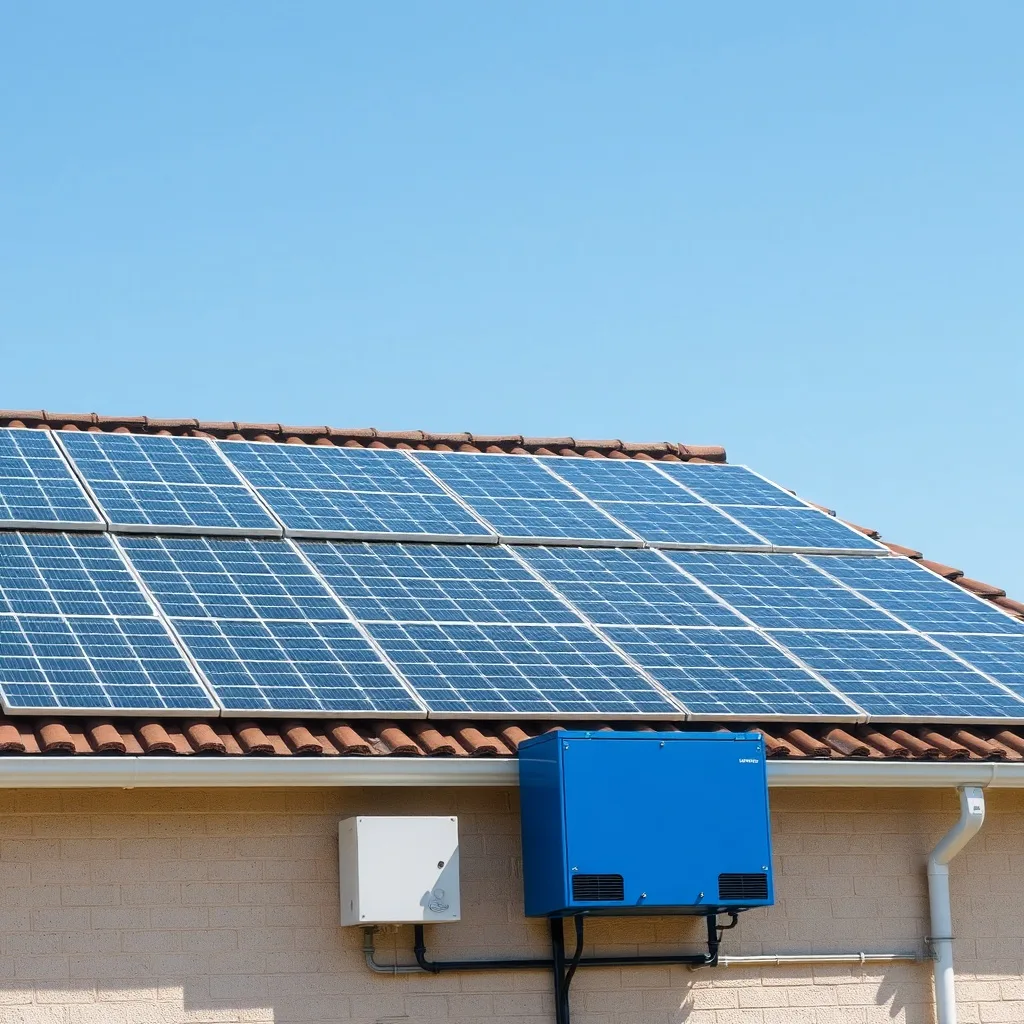
Solar incentives for renters work very differently from the homeowner playbook, since renters generally can’t install a rooftop system on a property they don’t own. That does not mean renters are shut out of solar savings entirely. Community solar subscriptions, green power programs, portable solar options, and landlord-incentive advocacy all give renters real paths to lower electricity costs and cleaner power. They simply work through different mechanisms than the federal tax credit and net metering homeowners typically use.
This guide covers every realistic option available to renters in 2026. It explains what each one actually saves. It also covers the questions worth asking a landlord if rooftop solar is genuinely on the table.
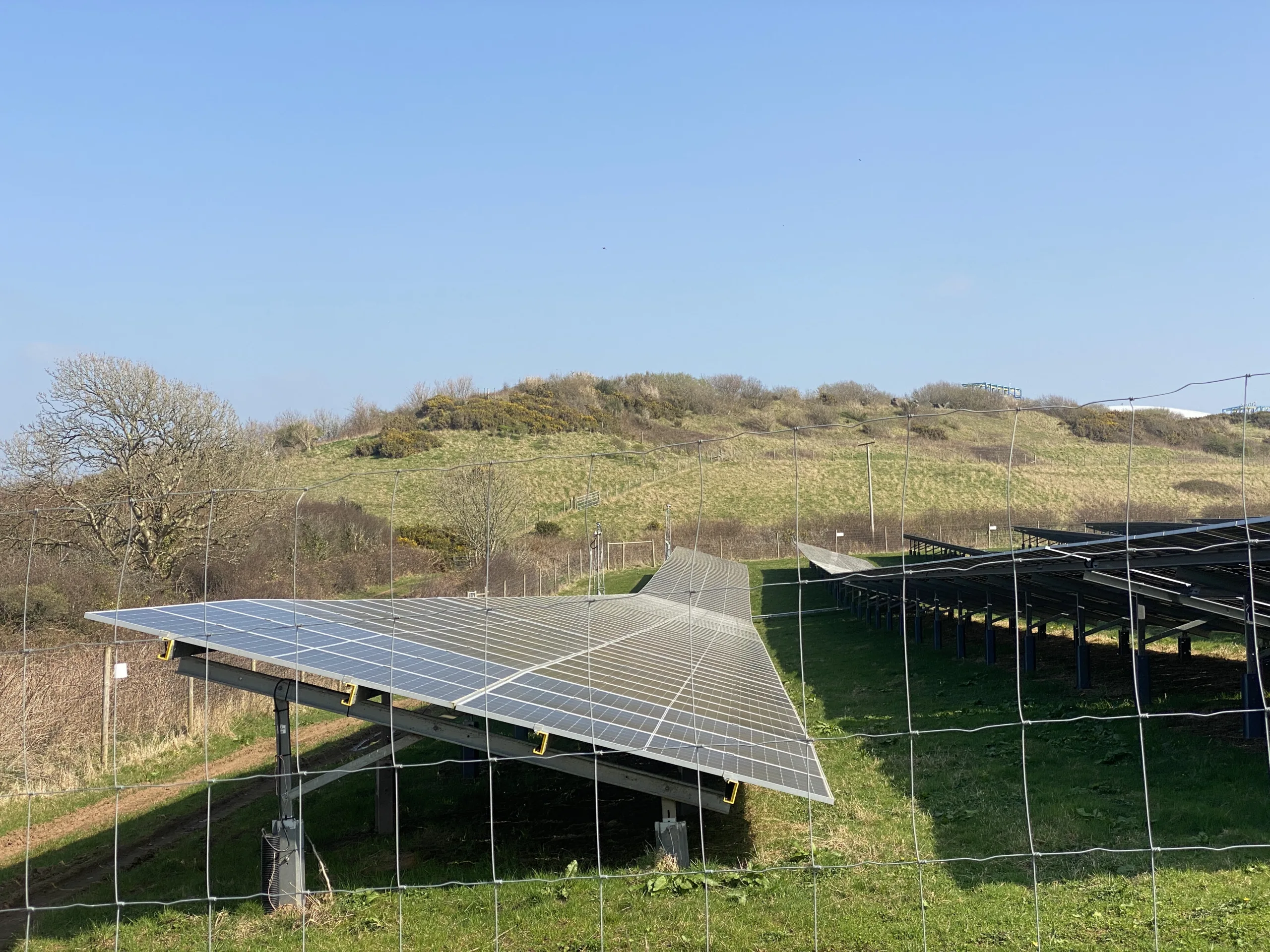
Table of Contents
- Why Renter Solar Options Differ From Homeowner Ones
- Community Solar: The Main Option
- Utility Green Power Programs
- Renter Solar Options Compared
- Approaching a Landlord About Rooftop Solar
- Portable and Balcony Solar
- What Happens If You Move
- Where Community Solar Is Strongest
- Multi-Family and Apartment Considerations
- Renter’s Insurance and Portable Solar
- How to Evaluate a Community Solar Offer
- Scams and Red Flags to Watch For
- Policy Advocacy: What Renters Can Push For
- Quick-Start Checklist
- Common Mistakes
- Frequently Asked Questions
Why Renter Solar Options Differ From Homeowner Ones
The federal residential solar tax credit and net metering are both built around owning a system attached to a property you also own. A renter installing panels on a landlord’s roof generally cannot claim either directly. Few landlords are willing to fund a capital improvement whose savings land on a tenant’s utility bill rather than their own. This structural mismatch is why renter-focused solar options have developed around subscription and purchasing-program models instead of ownership.
Community Solar: The Main Option
Community solar lets a subscriber buy a share of a larger, off-site solar installation. Renters and homeowners are both eligible. The subscriber receives a bill credit proportional to that share’s output, without installing anything on their own property. Availability is limited to specific states and utility territories with enabling legislation. Program structures also vary widely. Some offer close to full retail-rate value per kWh subscribed, others considerably less. Some require an upfront subscription fee, while others are pay-as-you-go with no long-term commitment. Because there is no property ownership requirement, community solar is generally the single most accessible solar savings mechanism for renters as of 2026.
Utility Green Power Programs
Many utilities offer a voluntary green power or renewable energy program. Renters and homeowners can both join. Customers pay a modest premium on their bill to have their usage matched with renewable generation. That matching often happens via renewable energy certificates rather than a specific physical solar installation tied to the account. This is not a savings mechanism, since it typically costs slightly more than standard service. But it is a straightforward way for a renter to support renewable generation. There is no installation, subscription commitment, or eligibility screening involved. Some renters use it alongside a separate community solar subscription rather than as an alternative to it.
Renter Solar Options Compared
| Option | Typical Savings | Commitment | Availability |
|---|---|---|---|
| Community solar subscription | Modest to meaningful bill credit, varies by program | Often 1-5 year subscription, some no-commitment options exist | Limited to enabling states/utilities |
| Utility green power program | None (small added cost) – environmental, not financial, benefit | Usually cancel-anytime | Widely available where offered by the utility |
| Landlord-installed rooftop solar | Full solar savings if landlord passes them through | Depends entirely on landlord participation | Rare, requires landlord buy-in |
| Portable/balcony solar | Small, offsets a narrow slice of usage | One-time purchase, no ongoing commitment | Widely available, but limited by local rules and space |
Approaching a Landlord About Rooftop Solar
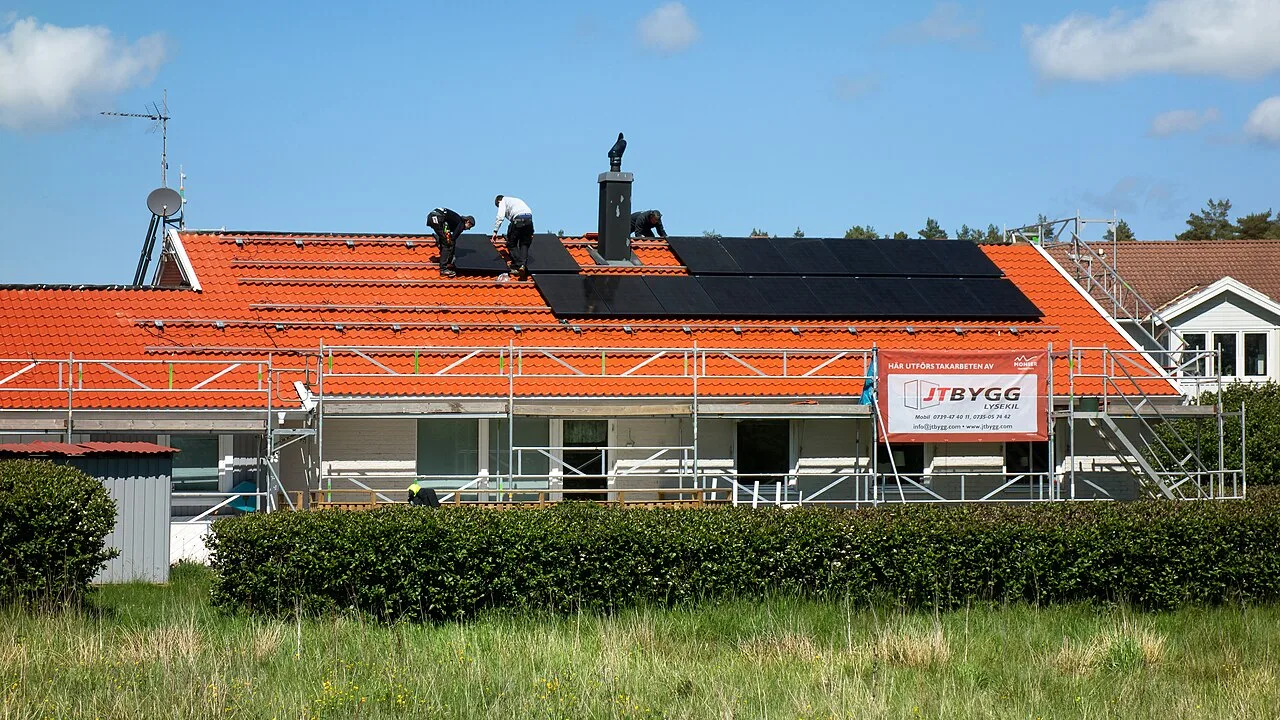
Rooftop solar as a renter is uncommon but not impossible, most often in situations where a landlord is motivated by their own tax benefits (commercial property owners can access depreciation and incentives not available to homeowner-landlords the same way) or where a long-term lease makes the economics work for both parties. If you raise it, come prepared with a specific proposal. Cover who owns the system and how bill savings are split or passed through. Address what happens to the panels and any remaining lease term if either party moves. Note whether the landlord’s own utility incentives, such as commercial-specific programs and MACRS depreciation, make the investment attractive independent of tenant benefit.
Portable and Balcony Solar
Small portable solar setups offer renters a way to offset a narrow slice of usage without any landlord involvement. Options include balcony-mounted panels feeding a plug-in micro-inverter, or standalone solar generators charging a portable battery. The savings are modest compared to a full rooftop system. Local electrical code or building rules also sometimes restrict balcony-mounted grid-tied setups specifically. These are a genuinely useful supplemental option, not a replacement for community solar or landlord-installed systems. They are worth considering for renters who want to start somewhere without waiting on a landlord decision or program availability.
What Happens If You Move
Community solar subscriptions are typically tied to a utility account, not a specific address within that utility’s territory. Many programs allow transferring a subscription to a new address within the same service area. Moving to a different utility territory entirely usually ends the subscription. Depending on contract length, that may involve an early-termination consideration. Ask about transfer and cancellation terms before subscribing if a move within the next few years is likely. This is one of the more commonly overlooked details in community solar sign-up materials.
Where Community Solar Is Strongest in 2026
Community solar program maturity varies enormously by state, largely driven by whether state legislation explicitly enables third-party-owned community solar projects with defined credit mechanisms:
| Market Maturity | What This Typically Means for Renters |
|---|---|
| Established markets (states with long-running enabling legislation) | Multiple competing subscription providers, clearer consumer protection rules, more predictable savings estimates |
| Emerging markets (recently enabled or pilot-stage) | Fewer provider options, longer subscription waitlists, savings estimates less standardized |
| No community solar enabling legislation | No formal community solar option – green power programs and any landlord-initiated solar remain the realistic paths |
Availability changes as state legislatures act, so a static list goes stale quickly. Check current availability directly instead. Search your state name plus community solar and your utility name, or use a database like DSIRE. New markets open periodically.
Multi-Family and Apartment-Specific Considerations
Renters in multi-family buildings face an additional layer beyond the single-landlord scenario. Even a motivated property owner installing rooftop solar on an apartment building usually cannot net-meter each unit separately the way a single-family home does. Apartment buildings are metered per unit through the utility, but the roof and any solar system belong to the building owner as a shared asset. Some multi-family solar programs address this through virtual net metering or meter aggregation. Solar credits are allocated across multiple units’ bills according to a formula. This is available only where state rules specifically permit it, and it is considerably less common than single-family net metering. In practice, renters in multi-family buildings are usually better served by a community solar subscription in their own name. Hoping their specific building adopts one of these less common shared-solar structures is a longer shot.
Renter’s Insurance and Portable Solar
If pursuing portable or balcony solar equipment, check whether a renter’s insurance policy covers it under personal property. Equipment mounted outside the unit, on a balcony rail for example, sometimes falls into a gray area. Whether it counts as personal property or a building fixture depends on how it is installed and on the specific policy language. A quick call to confirm coverage before installation is a minor step that avoids an unpleasant surprise if the equipment is damaged or stolen.
Common Mistakes
- Assuming community solar is available everywhere – it is enabled only in specific states/utilities; check availability before assuming it’s an option.
- Confusing green power programs with a savings mechanism – they typically cost slightly more, not less, and serve an environmental rather than financial purpose.
- Not checking subscription transfer/cancellation terms before a likely move – can result in an early-termination cost or lost investment.
- Assuming a landlord will pass through savings automatically – get any rooftop solar arrangement with a landlord in writing, specifying exactly how bill credits or savings are shared.
How to Evaluate a Community Solar Offer
Before subscribing to any community solar program, check these specifics rather than relying on a marketing headline percentage:
- The actual credit rate per kWh, and how it compares to your current utility rate – the advertised “discount” is sometimes calculated against a rate that doesn’t match your real bill.
- Whether the subscription is fixed-price, discount-off-retail, or variable – a fixed per-kWh rate protects you if utility rates rise, but could look worse if rates happen to fall; a discount-off-retail rate scales with whatever your utility charges.
- Cancellation and transfer terms, especially if you expect to move within the subscription term.
- Whether there is an upfront cost or it is entirely pay-as-you-go – some programs require a deposit or upfront subscription fee, others do not.
- Who is actually operating the program – a subscription managed directly by your utility carries different consumer protections than one sold by a third-party marketer, even if it draws from the same underlying solar farm.
Scams and Red Flags to Watch For
Community solar’s growth has unfortunately attracted door-to-door and phone solicitation scams in some markets, often impersonating a utility or using high-pressure “sign today or lose the rate” tactics. Some red flags are worth treating seriously. Be wary of anyone claiming to represent your utility who asks for your account number or a payment over the phone unprompted. Be wary of pressure to sign immediately without a written offer to review at home. Be wary of any offer that cannot clearly explain the actual credit rate and cancellation terms in writing. Legitimate community solar providers give you a written subscription agreement to review before signing. Your utility’s own website will also list any programs it directly operates or officially partners with. When in doubt, verify independently through your utility’s customer service line before signing anything a door-to-door representative presents.
Policy Advocacy: What Renters Can Push For
Beyond individual subscriptions and landlord persuasion, renters as a voting bloc have some influence over future access. The policy factors include state legislation enabling or expanding community solar. They also include virtual net metering and meter aggregation rules for multi-family buildings, and tenant-protection provisions that make it easier to request or benefit from a landlord’s solar installation. Public comment periods on state utility commission proceedings are open to residential ratepayers generally, not just industry stakeholders. Renter advocacy groups in several states have successfully pushed for expanded multi-family solar access. If community solar or landlord-solar options are limited in your area today, check whether your state has an active legislative or regulatory proceeding on the topic. That is a longer-term lever alongside the near-term options covered above.
Quick-Start Checklist for Renters
- Search “[your utility name] community solar” to check direct-from-utility program availability first – these often carry the clearest consumer protections.
- If no utility-run program exists, search “[your state] community solar” to find third-party providers, and cross-check any offer against your utility’s customer service line before signing.
- Ask about a green power program as a low-commitment starting point if community solar isn’t available or has a waitlist.
- If you have a landlord relationship worth exploring, prepare a written proposal covering ownership, savings pass-through, and what happens if either party moves.
- Confirm any portable/balcony equipment against your lease terms and renter’s insurance coverage before purchasing.
Frequently Asked Questions
Can renters get the federal solar tax credit?
Not directly for a rooftop system they don’t own – the credit applies to the system owner. A renter subscribing to community solar does not typically claim this credit either, since it is a subscription service, not equipment ownership.
Is community solar actually cheaper than my regular utility bill?
It depends on the specific program’s credit rate and subscription cost – some programs offer clear net savings, others are closer to cost-neutral with the main benefit being renewable sourcing rather than bill reduction. Read the specific program’s savings disclosure carefully before subscribing.
Can my landlord say no to me installing portable/balcony solar?
In most rental agreements, yes – alterations to the property, including balcony-mounted equipment, typically require landlord approval. Check your lease terms and local tenant law before installing anything without asking first.
Are there any renter-specific solar rebates or incentives?
Rebates are usually tied to system ownership or community solar subscription rather than renter status specifically – check your state and utility for community-solar-specific incentives, which are the closest thing to a renter-targeted solar program in most markets.
Does subscribing to community solar require a credit check or long contract?
Varies by provider – some require a credit check similar to a utility account, others do not. Contract length ranges from no-commitment month-to-month to multi-year terms, so compare terms across available programs in your area rather than assuming a standard structure.
Is community solar a scam?
Legitimate community solar programs are real and regulated in the states that enable them, but the space has attracted scam solicitors impersonating utilities – verify any offer directly with your utility before signing, and be wary of high-pressure, same-day-signature tactics.
Can two renters in the same building both subscribe to community solar separately?
Yes, in most cases – community solar subscriptions are tied to individual utility accounts, so separate tenants with separate utility accounts in the same building can subscribe independently, unlike a shared-roof rooftop solar scenario.
Conclusion
Renters have real, if different, paths to solar savings. Community solar is the most broadly accessible in 2026. Landlord-initiated rooftop solar, green power programs, and portable options fill in around it depending on circumstances. Check community solar availability in your specific utility territory first, since it typically offers the clearest path to real savings without requiring landlord approval. For the ownership-based path this guide contrasts against, see our solar ROI guide and net metering guide.
Further reading: U.S. Department of Energy – Community Solar Basics and Wikipedia – Community solar farm.
Related Posts


Leave a Comment
Your comment will be published after it has been approved. Please send comments that do not contain slang words.