
Solar Inverter Cybersecurity Risks
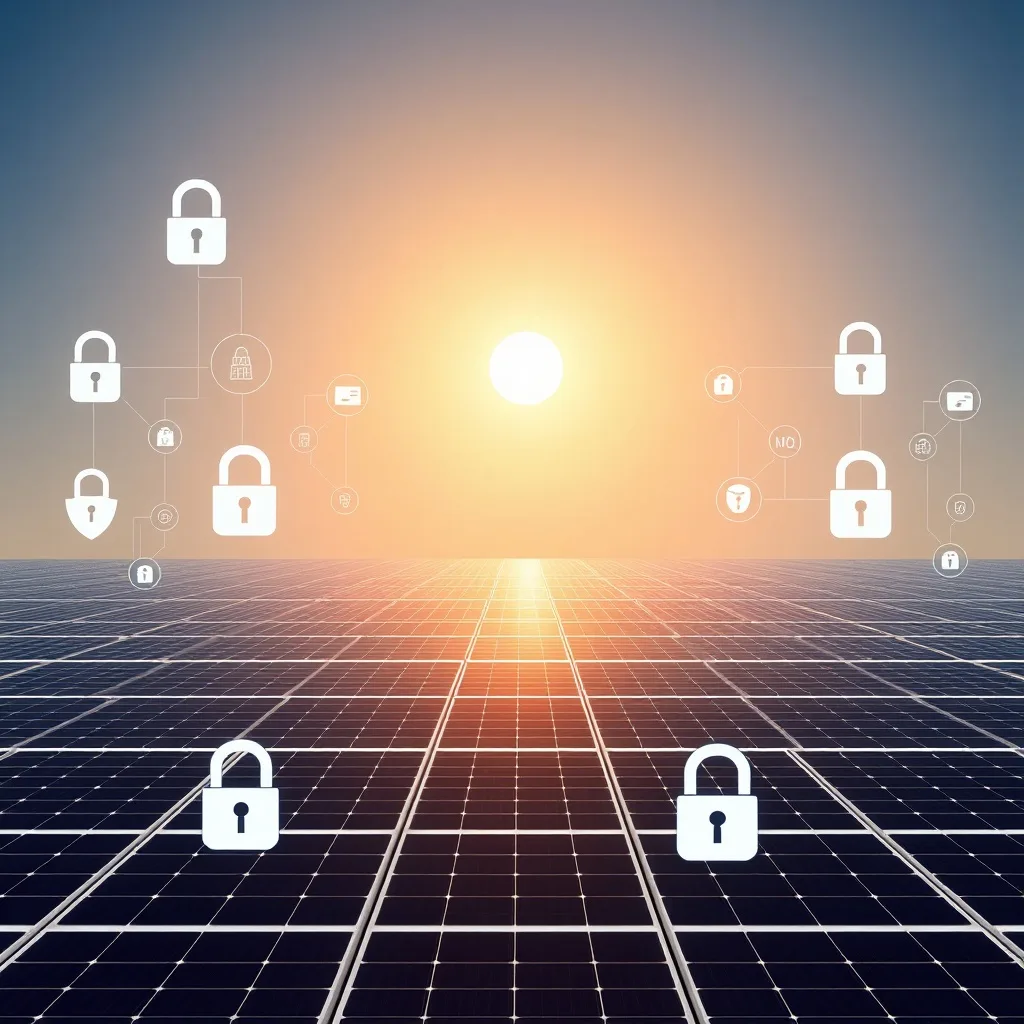
Solar inverters are internet-connected devices, which means they carry real cybersecurity risks alongside their electrical ones. Most homeowners never think about this until it’s explained plainly.
Table of Contents
- Why does cybersecurity matter for a power device?
- What are common solar inverter risk areas?
- What are the risks and mitigations?
- How do I protect my solar inverter system?
- Frequently Asked Questions
Why does cybersecurity matter for a power device?
An unsecured inverter is a potential entry point into your home network, and at scale, a large number of compromised grid-connected inverters could theoretically be used to disrupt local grid stability — a risk regulators and manufacturers take seriously, which is part of why smart-inverter security standards keep tightening.
What are common solar inverter risk areas?
Default or weak Wi-Fi passwords on the inverter’s own network connection are the most common practical vulnerability. Outdated firmware missing security patches is the second. Using the manufacturer’s official app rather than unofficial third-party tools with unclear data handling is the third meaningful risk area for most homeowners.
What are the risks and mitigations?
| Risk | Mitigation |
|---|---|
| Weak default credentials | Change default password immediately after setup |
| Outdated firmware | Confirm automatic updates are enabled and connected |
| Unofficial monitoring apps | Use manufacturer-provided or well-reviewed platforms only |
| Shared home Wi-Fi network | Consider a separate IoT network segment if available on your router |
How do I protect my solar inverter system?
Change any default password during setup, keep firmware updates enabled, and use only official manufacturer apps or clearly reputable third-party platforms. These basic steps address the large majority of realistic risk for a residential system — this isn’t a topic requiring specialized security expertise for most homeowners.
Frequently Asked Questions
Can a hacked inverter really cause harm?
In isolation, limited harm to one home; at scale across many compromised units, it’s a real grid-stability concern regulators actively address.
Should I change my inverter’s default password?
Yes, immediately after setup, the same as you would for any connected device.
Are third-party monitoring apps safe to use?
Stick to well-reviewed, established platforms — avoid obscure apps with unclear data handling practices.
Does my inverter need antivirus software?
No, inverters run specialized firmware, not a general operating system requiring antivirus.
Is this a common real-world problem?
Documented incidents exist but are uncommon for well-maintained residential systems with basic security hygiene.
For general system upkeep, see our solar inverter maintenance guide. For firmware specifics, see our firmware updates guide.
Related Posts

Leave a Comment
Your comment will be published after it has been approved. Please send comments that do not contain slang words.