
Solar Mini-Grids
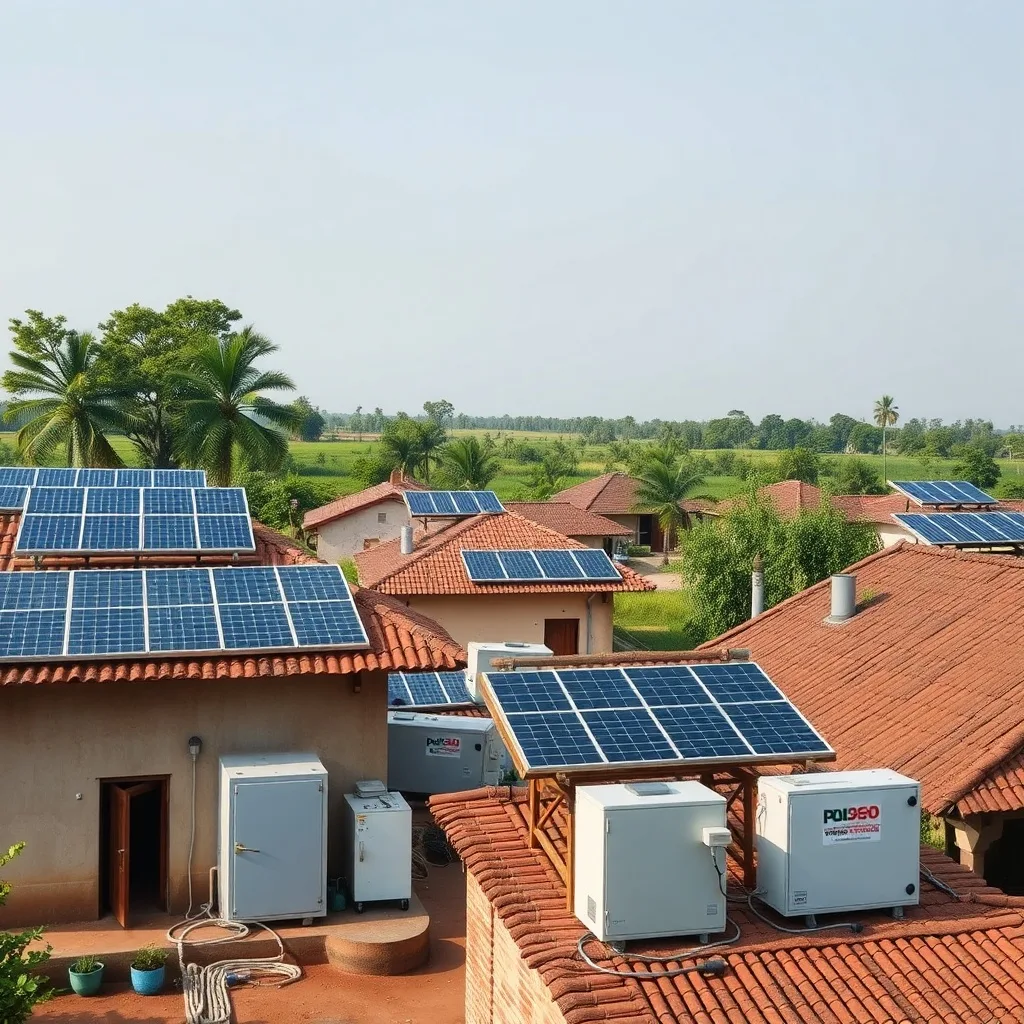
Solar mini-grids bring reliable power to communities beyond practical reach of a centralized grid — a genuinely different scale and purpose than either residential solar or full utility-scale projects.
Table of Contents
- What a Mini-Grid Actually Is
- Where Mini-Grids Make Sense
- Mini-Grid vs Main Grid vs Single-Home Systems
- How They’re Typically Operated
- Frequently Asked Questions
What a Mini-Grid Actually Is
A mini-grid is a localized power system — solar generation, battery storage, and local distribution wiring — serving a defined community or facility cluster, capable of operating independently from a national grid or optionally connecting to one. It sits between a single off-grid home system and a full utility-scale grid-connected project in both scale and purpose.
Where Mini-Grids Make Sense
Mini-grids are most common in regions where extending centralized grid infrastructure is prohibitively expensive relative to the served population — remote communities, islands, and areas with difficult terrain. They’re also used for resilience purposes even in grid-connected areas, like military bases or critical facilities wanting independent backup capability.
Mini-Grid vs Main Grid vs Single-Home Systems
| System Type | Typical Scale |
|---|---|
| Single-home off-grid system | One household |
| Mini-grid | Community or facility cluster |
| Utility-scale/main grid | Regional or national |
How They’re Typically Operated
Mini-grids are often developed and operated by specialized energy companies, sometimes with development finance or NGO support in emerging-market contexts, with users paying for power through metered billing similar to a conventional utility relationship, just at community scale.
Frequently Asked Questions
How is a mini-grid different from a single off-grid home system?
A mini-grid serves multiple households or a facility cluster through shared local distribution, rather than one independent home system.
Are mini-grids only used in developing regions?
Most common there, but also used in developed countries for remote communities or resilience-focused applications like military bases.
Can a mini-grid later connect to the main grid?
Yes, many are designed to optionally interconnect if centralized grid infrastructure eventually reaches the area.
Who pays for mini-grid electricity?
Typically users pay through metered billing, similar to a conventional utility relationship at community scale.
Do mini-grids use battery storage?
Yes, battery storage is standard to provide reliable power outside daylight generation hours.
For the single-home equivalent, see our off-grid solar system guide. For utility-scale project context, see our solar farm development guide.
Related Posts

Leave a Comment
Your comment will be published after it has been approved. Please send comments that do not contain slang words.