
Economic impact of large solar farms
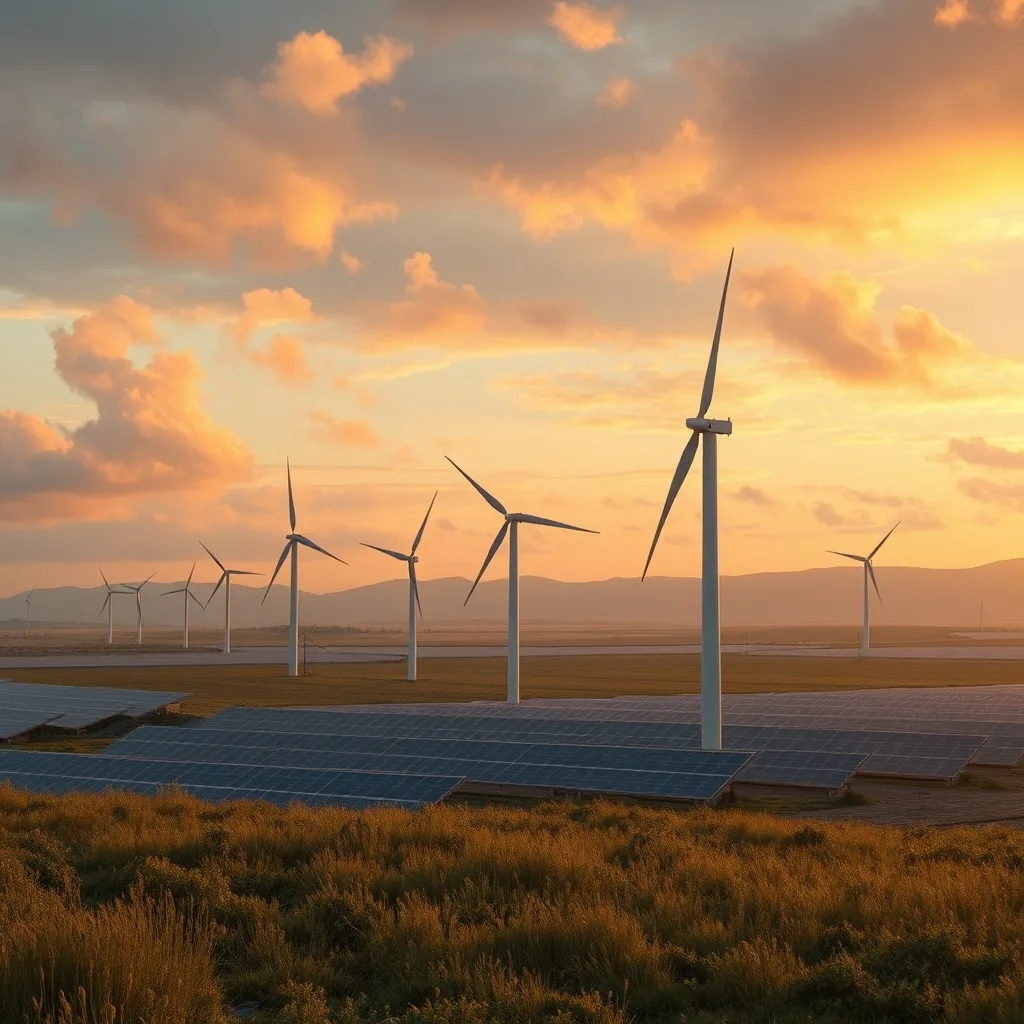
Large solar farms have a significant impact on the economy, driving growth in the renewable energy sector and creating new opportunities for investment and job creation. This article explores the economic implications of large-scale solar projects and their role in the transition to a more sustainable energy system.
Technology Overview
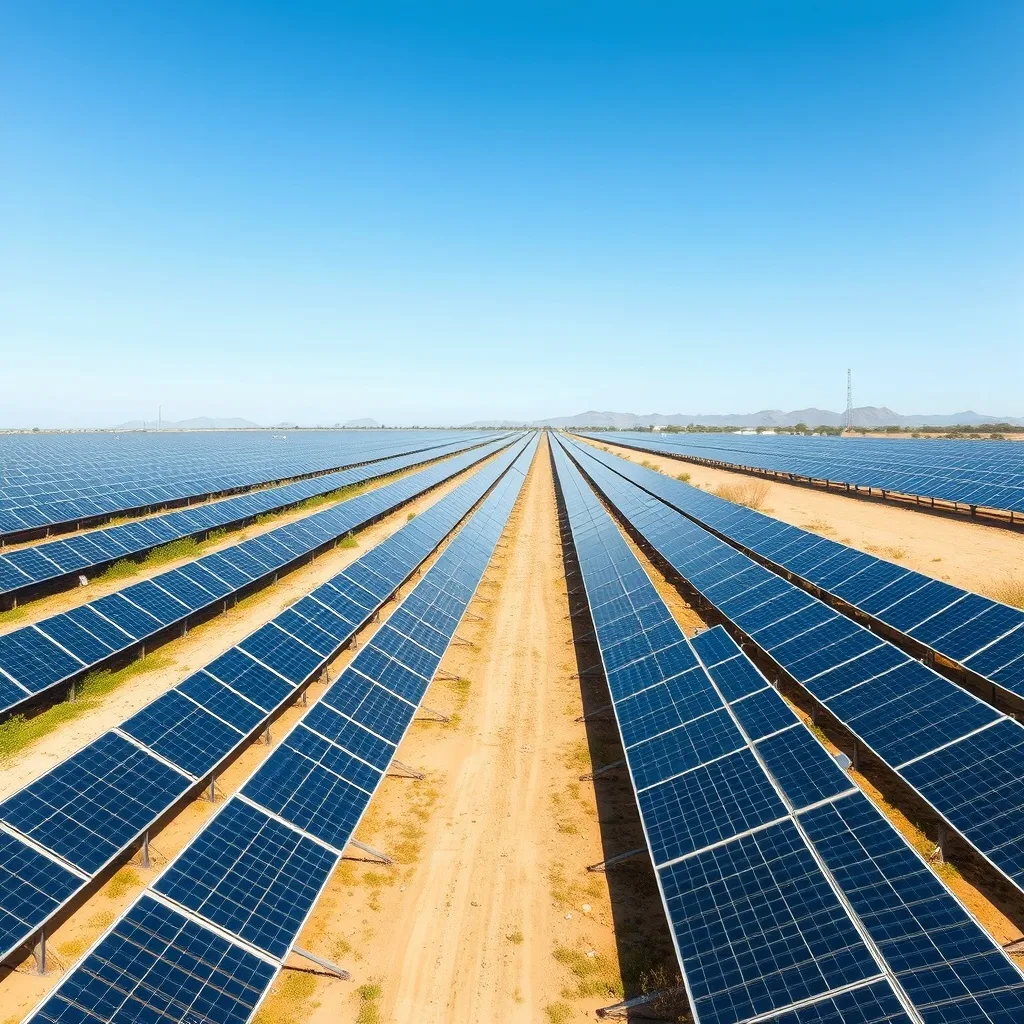
Solar farms consist of thousands of solar panels that convert sunlight into electricity through photovoltaic technology. These panels are connected to inverters, which convert the direct current (DC) electricity generated by the panels into alternating current (AC) electricity that can be used to power homes, businesses, and other facilities.
The energy generated by solar farms can be stored in batteries or fed directly into the grid for immediate use. Advances in energy storage technology have made it possible to store excess energy generated during the day for use at night or during periods of low sunlight.
Market and Industry Context
The solar industry has experienced rapid growth in recent years, driven by falling costs, government incentives, and increasing demand for clean energy. Large solar farms are a key component of this growth, providing a reliable source of renewable energy that can help reduce greenhouse gas emissions and combat climate change.
- Solar farms are often developed by energy companies, utilities, and independent power producers.
- Investment in solar projects has increased significantly, with many governments offering subsidies and tax incentives to support the development of large-scale solar farms.
- The solar industry is expected to continue growing as the cost of solar technology continues to decline and demand for clean energy continues to rise.
Technical Explanation
Large solar farms require careful planning and design to maximize energy production and efficiency. Factors such as site selection, panel orientation, and maintenance schedules can all impact the performance of a solar farm.
Grid integration is also a key consideration for large solar projects, as the intermittent nature of solar power can pose challenges for grid stability. Advanced grid technologies and energy management systems are used to smooth out fluctuations in solar output and ensure a reliable power supply.
Regional GEO Analysis
The adoption of large solar farms varies by region, with some countries leading the way in solar energy deployment. The USA, Europe, China, the Middle East, and India are all major markets for large-scale solar projects, each with its own unique set of challenges and opportunities.
- The USA has seen significant growth in utility-scale solar projects, driven by state renewable energy mandates and federal tax incentives.
- Europe has been a pioneer in solar energy development, with countries like Germany and Spain leading the way in solar farm deployment.
- China is the world’s largest market for solar energy, with ambitious targets for solar capacity expansion and a strong focus on clean energy development.
Investor and Commercial Perspective
Investors play a crucial role in the development of large solar farms, providing the capital needed to finance these projects. Commercial entities, such as utilities and energy companies, also play a key role in the deployment and operation of solar farms, leveraging their expertise and resources to bring these projects to fruition.
Large solar projects offer attractive long-term returns for investors, with stable cash flows and predictable revenue streams. The growing demand for clean energy and the increasing competitiveness of solar technology make solar farms an appealing investment opportunity.
Installation or Deployment Challenges
While large solar farms offer many benefits, they also present unique challenges during the installation and deployment phases. Site preparation, permitting, grid interconnection, and environmental impact assessments are all critical aspects of the development process that require careful consideration.
- Site selection is a key factor in the success of a solar farm, with developers seeking locations that receive ample sunlight and have minimal shading or obstructions.
- Permitting requirements vary by jurisdiction and can add time and cost to the development process.
- Grid interconnection is essential for delivering solar power to end-users, requiring coordination with utilities and grid operators.
Future Predictions
The future of large solar farms looks bright, with continued growth expected in the coming years. Advances in solar technology, energy storage, and grid integration are driving down costs and increasing the efficiency of solar projects, making them an increasingly competitive option for meeting energy demand.
As countries around the world work to decarbonize their energy systems and transition to clean energy sources, large solar farms will play a crucial role in achieving these goals. The continued expansion of solar capacity and the development of innovative solar projects will help drive the transition to a more sustainable energy future.
Detailed Comparison Table
| Category | Details | Impact |
| Cost | Initial investment is high but operational costs are low | Reduces electricity costs over the long term |
| Environmental Impact | Produces clean, renewable energy with no greenhouse gas emissions | Helps combat climate change and reduce air pollution |
| Scalability | Can be built in various sizes to meet different energy needs | Can scale up or down based on demand |
Related reading
Learn more about the benefits of solar energy.
Explore the latest trends in renewable energy technology.
Discover how solar farms are transforming the energy landscape.
Sources
For more information on solar energy research and development, visit the NREL website.
Learn about the latest clean energy initiatives from the IEA.
Frequently Asked Questions
How do large solar farms work?
Large solar farms generate electricity by converting sunlight into energy through photovoltaic technology.
What are the benefits of investing in solar farms?
Investing in solar farms offers long-term returns, stable cash flows, and a sustainable investment opportunity.
Are large solar projects cost-effective?
Large solar projects have high initial costs but low operational costs, making them a cost-effective energy solution in the long run.
What challenges do solar farms face during deployment?
Solar farms face challenges such as site selection, permitting, grid interconnection, and environmental impact assessments during deployment.
What is the future outlook for large solar farms?
The future of large solar farms looks promising, with continued growth and innovation expected in the solar energy sector.
Outlook
Large solar farms are poised to play a critical role in the transition to a more sustainable and renewable energy system. As the demand for clean energy continues to rise and the cost of solar technology continues to fall, solar farms will become an increasingly important source of electricity generation around the world.
Investment in solar projects is expected to increase, driving further growth in the solar industry and creating new opportunities for job creation and economic development. With the right policies and incentives in place, large solar farms have the potential to transform the energy landscape and help combat climate change on a global scale.
For the full breakdown, see our largest solar farms in the world guide.
Related Posts

Leave a Comment
Your comment will be published after it has been approved. Please send comments that do not contain slang words.