
Solar Panel Coating Technology
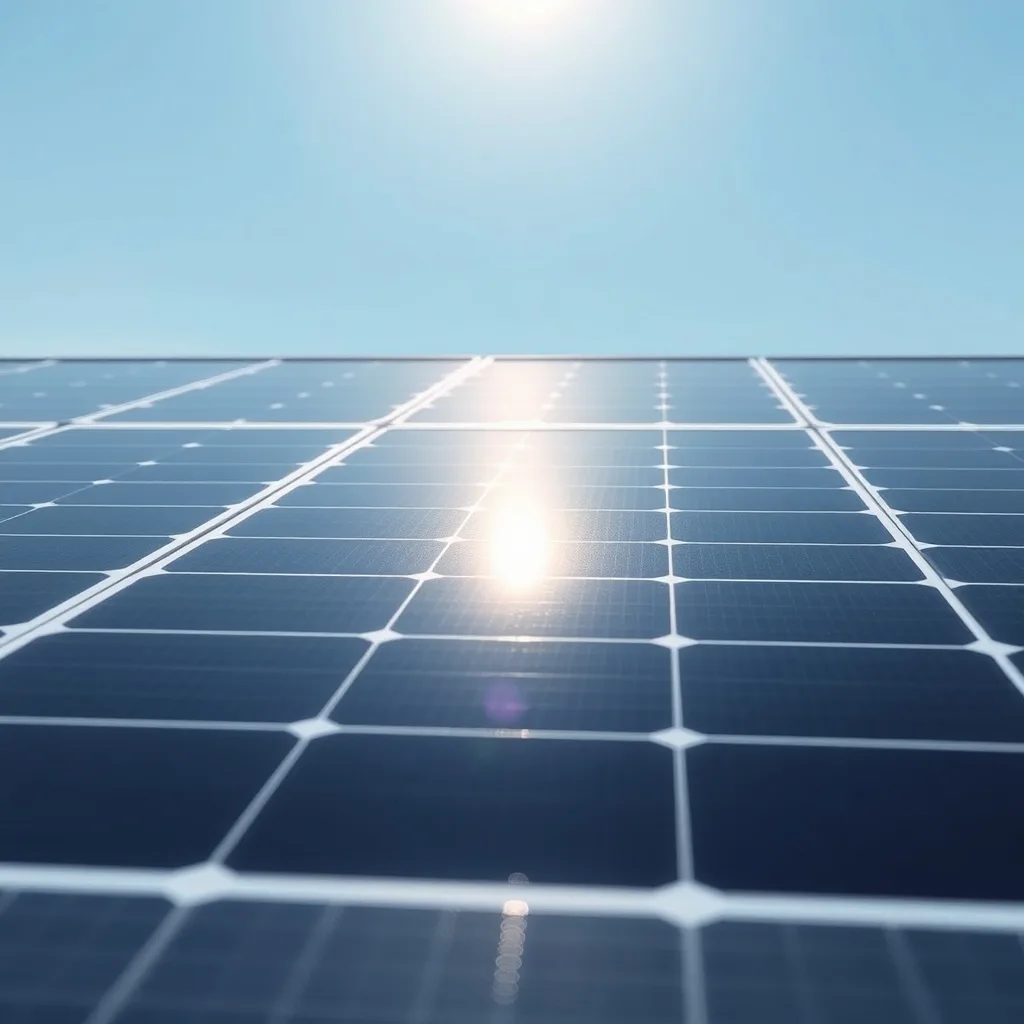
Solar panel coatings — anti-reflective, self-cleaning, and anti-soiling layers — quietly improve real-world output without changing the underlying cell technology at all.
Table of Contents
- Anti-Reflective Coatings
- Self-Cleaning and Anti-Soiling Coatings
- Coating Types Compared
- Coating Durability Over Time
- Frequently Asked Questions
Anti-Reflective Coatings
Untreated glass reflects a meaningful percentage of incoming light away before it ever reaches the cells beneath. Anti-reflective coatings reduce this loss, capturing more of the available light as usable power — a small but real efficiency gain that’s now standard on quality panels rather than a premium add-on.
Self-Cleaning and Anti-Soiling Coatings
Hydrophobic (water-repelling) coatings help rain more effectively wash away dust and debris, reducing the frequency of manual cleaning needed. Anti-soiling coatings specifically reduce how strongly dust particles adhere to the glass surface in the first place — genuinely useful in dusty or low-rainfall climates where soiling losses are otherwise significant.
Coating Types Compared
| Coating Type | Benefit |
|---|---|
| Anti-reflective | Reduces light loss from surface reflection |
| Hydrophobic/self-cleaning | Rain more effectively washes away debris |
| Anti-soiling | Reduces dust adhesion, most valuable in dry climates |
Coating Durability Over Time
Quality coatings are designed to last the panel’s operational lifespan, though some gradual effectiveness reduction over decades is normal, similar to other panel components. Reputable manufacturers test coating durability as part of overall panel certification, not as a separate marketing add-on.
Frequently Asked Questions
Do all solar panels have anti-reflective coating?
It’s now standard on quality panels rather than a rare premium feature, though coating quality can still vary between manufacturers.
Does self-cleaning coating mean I never need to clean my panels?
No, it reduces cleaning frequency needed, particularly in rainy climates, but doesn’t eliminate the need entirely in dusty or low-rainfall areas.
Are anti-soiling coatings worth it?
Most valuable in dusty, low-rainfall climates where soiling losses are otherwise significant.
Do coatings wear off over time?
Gradual effectiveness reduction over decades is normal, similar to other panel components’ expected lifespan behavior.
Does coating technology affect panel efficiency ratings?
Yes, anti-reflective coating specifically contributes to a panel’s overall efficiency rating.
For the broader manufacturing process, see our solar panel manufacturing process guide. For cleaning guidance regardless of coating, see our solar panel cleaning guide.
Related Posts
Leave a Comment
Your comment will be published after it has been approved. Please send comments that do not contain slang words.