
Solar Panel Cleaning Guide
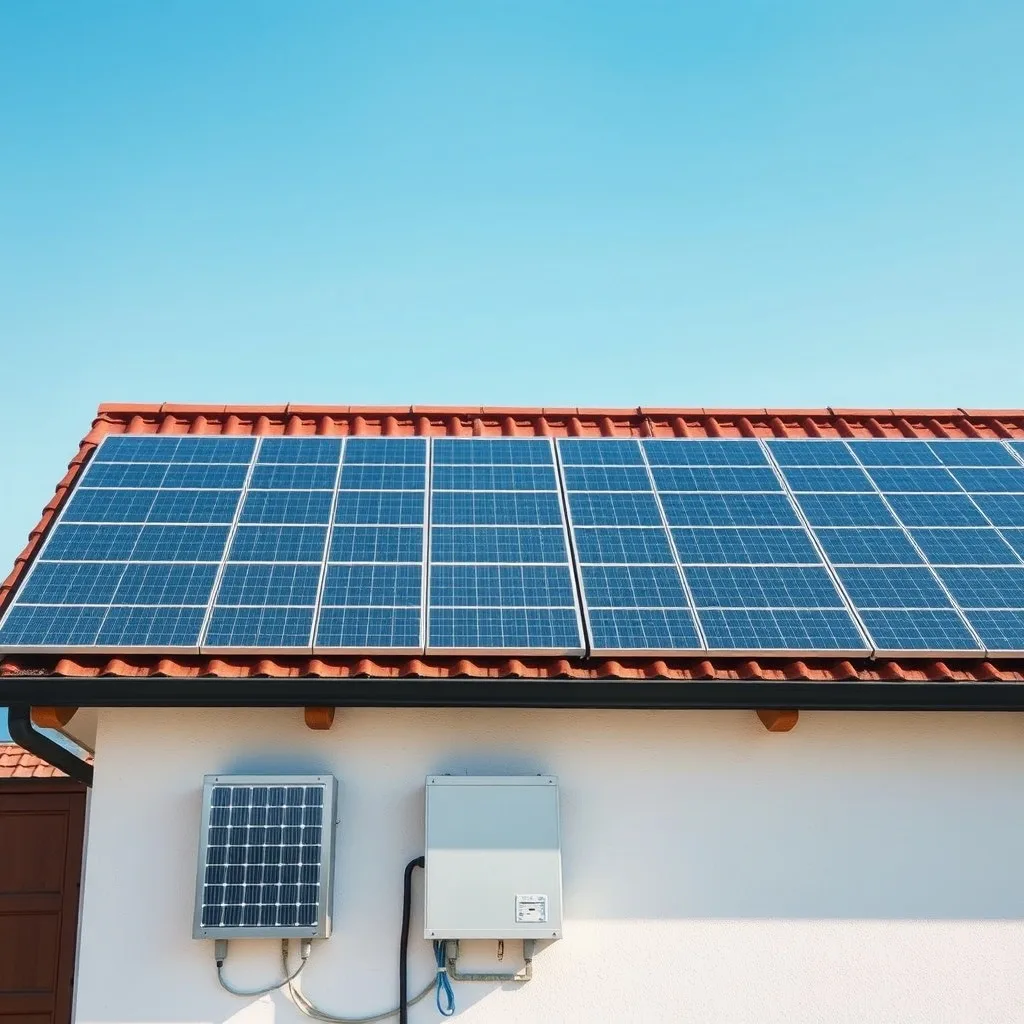
Short answer: Dust, pollen and grime typically cut solar output by 5–10% before it is visually obvious, and by more in dusty or agricultural areas. Rain cleans most panels tilted at a reasonable angle for free, so cleaning pays mainly in low-rainfall climates or on near-flat mounts where debris does not wash away on its own. Clean without scratching the glass, and never at the expense of roof safety.
Clean solar panels produce more power than dirty ones — but how much cleaning actually helps, and how often you need to do it, depends heavily on your climate and roof angle. This guide explains when cleaning pays, when rain does the job for free, and how to clean without scratching the glass or ending up in the emergency room.
Table of Contents
- Does Cleaning Actually Matter?
- How Often to Clean
- Cleaning Method Comparison
- DIY Cleaning Safety
- Frequently Asked Questions
Does Cleaning Actually Matter?
Dust, pollen, and grime typically reduce output by 5-10% before it’s visually obvious, more in dusty or agricultural areas. Rain naturally cleans most panels tilted at a reasonable angle, which is why cleaning matters far more in low-rainfall climates or on nearly flat-mounted systems where debris doesn’t wash away on its own.
Why a thin film costs real output
A solar cell only converts the light that reaches it. Panel glass is engineered to let as much light through as possible; the U.S. Department of Energy notes in its overview of solar performance and efficiency that untreated silicon reflects more than 30 percent of incoming light, which is why panels use anti-reflective coatings. A layer of dust undoes some of that engineering. It scatters and absorbs light before the coating ever sees it.
Soiling that rain cannot fix
Rain rinses loose dust but leaves behind a few stubborn types of soiling. Bird droppings sit in one spot and can shade a single cell hard enough to drag down the whole string. Pollen mixed with dew dries into a film. Near farms, roads, or construction, fine particles bond to the glass. In coastal areas, salt spray leaves a haze. Lichen and moss can grow along the lower frame edge where water pools. These need a hand wash, not a shower.
How to know if your panels are dirty
Compare a clear-sky day now with a clear-sky day from the same month last year in your monitoring app. A drop of more than 5 percent with no new shading is a good sign that cleaning will pay. Our solar panel monitoring apps guide shows where to find that data. A visual check from the ground with binoculars also works: a uniform gray tint or streaks along the bottom edge mean it is time.
How Often to Clean
Most homeowners in moderate climates with regular rainfall never need to clean manually — nature handles it. In dry, dusty regions, or after pollen season, a cleaning once or twice a year is typically enough to recover most of the lost output without excessive effort.
Tilt angle changes the answer
Water runs off a panel tilted at 20 degrees or more and carries dust with it. Panels mounted nearly flat, common on low-slope commercial roofs and some ground mounts, hold water and dirt in the corners. The DOE’s solar system design basics explains how tilt affects output; it also affects how well the array cleans itself. Flat-mounted systems usually need two to four cleanings a year in dry climates.
A simple schedule by climate
Rainy, temperate regions: inspect once a year, clean only if monitoring shows a drop. Dry Southwest and similar climates: clean at the end of the dry season and again after any dust storm. Agricultural areas: clean after harvest and after heavy pollen. Coastal: rinse two or three times a year to remove salt haze. Snowy regions: snow usually slides off and takes dirt with it; see our winter maintenance guide for the exceptions.
Is professional cleaning worth paying for?
Get quotes from two or three services and ask whether they use deionized water and soft brushes. A cheap cleaning done with a pressure washer costs more than it saves.
Do a quick estimate. Take your system’s annual output in kWh, multiply by your electricity rate, then by the percentage you expect to recover. A 10,000 kWh system at 18 cents per kWh losing 7 percent to soiling gives up about 126 dollars a year. If a professional cleaning costs more than that, wait for rain or clean the reachable panels yourself. If your loss is 15 percent in a dusty area, paying for two cleanings a year is easy to justify.
Cleaning Method Comparison
| Method | Best For | Tools | Risk to Panels | Typical Cost |
|---|---|---|---|---|
| Garden hose rinse | Light dust, ground-level or easily reachable panels | Hose with spray nozzle | Very low if water is cool and panels are cool | Free |
| Soft brush + water, no soap | Moderate grime buildup | Telescoping pole, soft-bristle head, squeegee | Low with soft bristles; medium with stiff ones | Pole kit, one-time purchase |
| Deionized-water pole system | Hard-water areas where rinsing leaves spots | Water-fed pole with DI filter | Low; leaves no mineral residue | Higher upfront, cheap per use |
| Professional cleaning service | Steep roofs, heavy buildup, safety concerns | Harnesses, DI water, sometimes robots | Low; insured against damage | Per visit, priced by panel count |
| Pressure washer | Not recommended | — | High: can force water past seals and scratch coatings | Avoid |
DIY Cleaning Safety
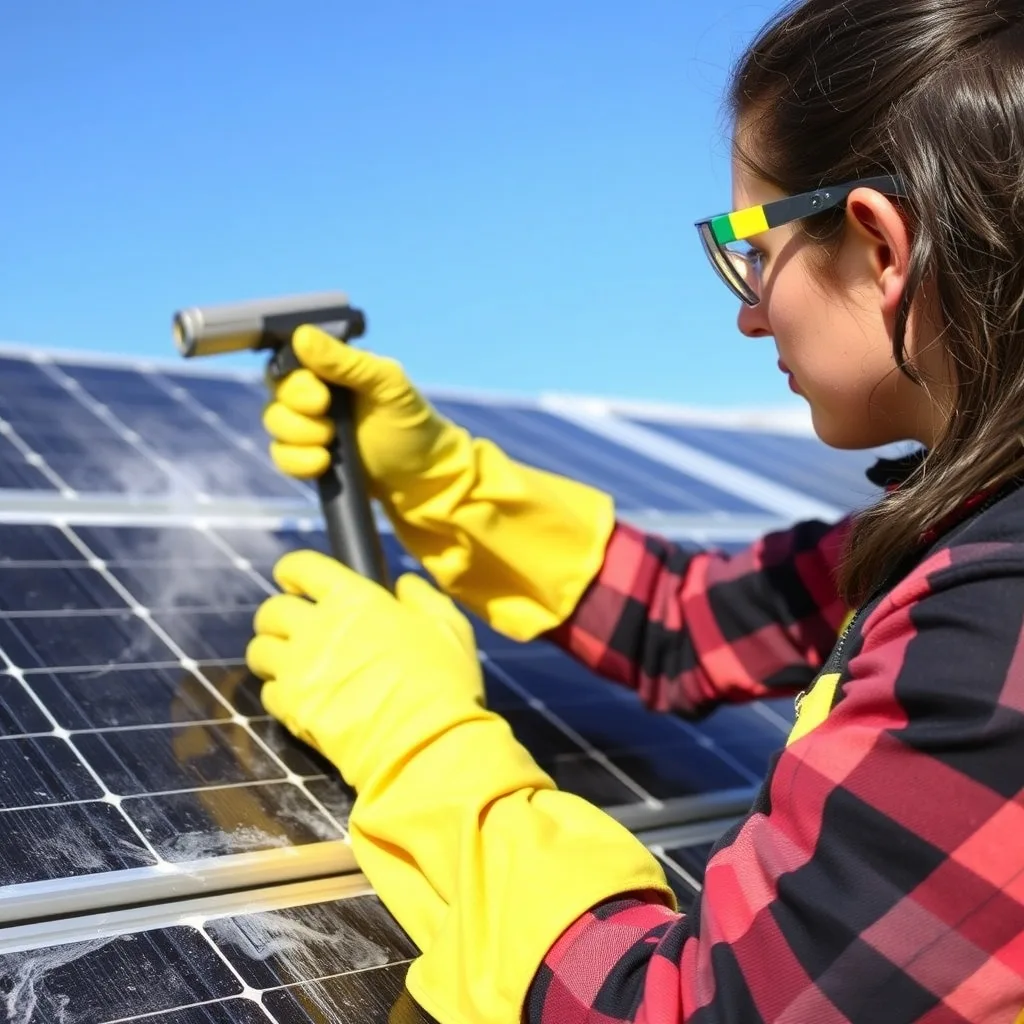
Never clean panels while they’re hot — the thermal shock from cold water on a hot panel can cause micro-cracks. Avoid abrasive brushes, pressure washers, and harsh chemicals, all of which can damage the anti-reflective coating. If your roof is steep or panels are hard to reach safely, hiring a professional is worth the cost over the fall risk.
Timing
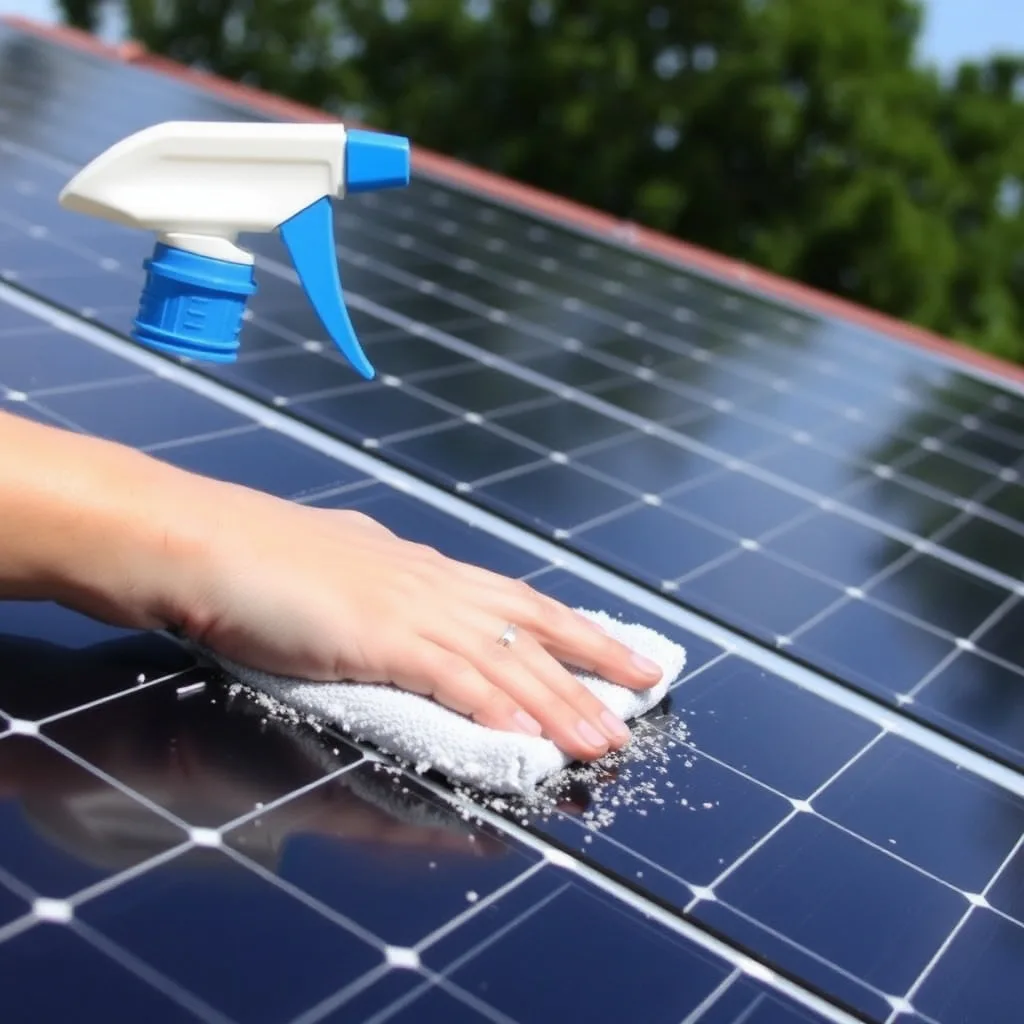
Clean early in the morning or in the evening when the glass is cool. An overcast day is ideal. Cool panels also mean the water evaporates slowly, so you can squeegee before it leaves spots.
Working from the ground when you can
A telescoping pole with a soft head reaches most single-story arrays from the ground or a stable ladder footing. Staying off the roof removes the biggest risk in the whole job. If you must go up, use a harness anchored to a rated point, wear soft-soled shoes, and never step on the panels themselves.
What not to use
Skip dish soap, glass cleaner with ammonia, and anything abrasive. Soap leaves a film that attracts dust faster. Hard tap water can leave mineral spots; a final rinse with deionized water or a quick squeegee avoids them. Do not scrape bird droppings with a blade. Soak them first, then wipe.
Electrical caution
Panels produce voltage whenever light hits them, even under cloud. Do not touch wiring, connectors, or the junction box on the back. If you see damaged cables, cracked glass, or a scorched connector, stop and call an installer. Cleaning is not the time to make repairs; our warranty claims guide covers what to do about damage you find. For the rest of the maintenance calendar, the solar maintenance hub collects every guide in one place.
Frequently Asked Questions
Do I really need to clean my solar panels?
Often not, if you get regular rain and your panels are tilted — many systems self-clean adequately. Check monitoring data before you spend money.
Can I use soap to clean my panels?
Plain water is usually sufficient; avoid harsh soaps or chemicals that can affect the coating.
Is it safe to clean panels myself?
Yes for ground-level or easily accessible panels; consider a professional for steep or hard-to-reach roofs.
Does cleaning void my panel warranty?
No, gentle water-based cleaning doesn’t affect warranty coverage. Pressure washing or abrasive tools can.
How much output do I recover by cleaning?
Typically 5-10%, depending on how much buildup had accumulated. Dusty or agricultural sites can recover more.
What is the best time of day to clean solar panels?
Early morning or evening when the glass is cool, or on an overcast day. Cold water on hot glass risks micro-cracks.
For inspecting for other issues while you’re up there, see our solar panel inspection checklist. For winter-specific care, see our winter maintenance guide.
If you want the specifics, our solar panel monitoring apps guide goes deeper. There is more detail on this in our solar panel bird proofing guide.
Trees cause more than dirt, as explained in tree shading and solar panels.
Related Posts
Leave a Comment
Your comment will be published after it has been approved. Please send comments that do not contain slang words.