
Residential solar vs grid power
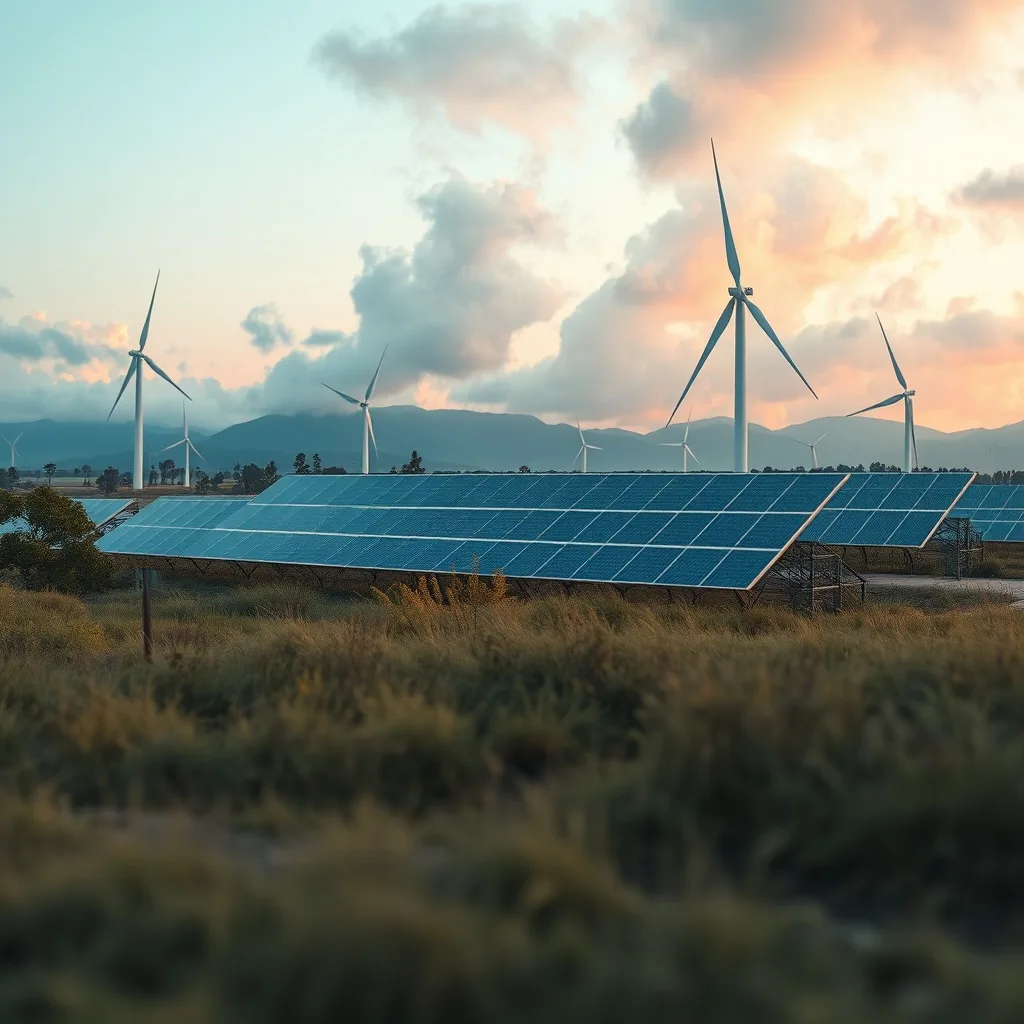
Choosing between staying grid-connected and going off-grid isn’t all-or-nothing — most homeowners actually want the benefits of solar while keeping grid backup. Understanding the real tradeoffs helps clarify what you actually need.
Table of Contents
- The Real Choice Most Homeowners Face
- Grid-Tied vs Off-Grid Compared
- The Hybrid Middle Ground
- When True Off-Grid Makes Sense
- Frequently Asked Questions
The Real Choice Most Homeowners Face
Most residential solar customers stay grid-connected, using the grid as backup and, where net metering exists, as a way to sell excess production. Full off-grid independence means handling 100% of your own power needs with no fallback — a much bigger commitment most homeowners don’t actually need or want.
Grid-Tied vs Off-Grid Compared
| Factor | Grid-Tied | True Off-Grid |
|---|---|---|
| Backup during system shortfall | Grid covers it automatically | Must be sized/generator-backed yourself |
| System cost | Lower — smaller battery or none needed | Higher — must cover 100% of needs |
| Excess power | Can export via net metering | Wasted unless stored |
| Best for | Most residential properties | No grid access, or deliberate independence |
The Hybrid Middle Ground
A grid-tied system with battery backup captures most off-grid benefits — power during outages — without the cost and complexity of sizing for 100% self-sufficiency. This is the most common choice for homeowners who want resilience without full independence, and it’s meaningfully cheaper than a genuine off-grid system.
When True Off-Grid Makes Sense
Genuine off-grid setups make sense mainly where grid connection isn’t available or is prohibitively expensive to run — remote cabins, rural properties far from existing lines — or for homeowners with a specific independence goal worth the added cost and complexity.
Frequently Asked Questions
Do most solar homeowners stay connected to the grid?
Yes, the large majority stay grid-tied, often with battery backup rather than going fully off-grid.
Is off-grid solar more expensive than grid-tied?
Yes, significantly — off-grid systems must be sized to cover 100% of needs with no fallback.
Can I switch from grid-tied to off-grid later?
Technically possible but usually requires significant system redesign and added battery capacity.
What if my area doesn’t have reliable grid power?
Off-grid or hybrid systems with strong battery/generator backup become much more worthwhile in that situation.
Is grid-tied with battery backup a good middle ground?
Yes, it’s the most common choice for outage resilience without full off-grid cost and complexity.
For sizing a genuine off-grid system, see our off-grid solar system guide. For net metering specifics on the grid-tied side, see our net metering guide.
Before comparing solar with grid power, measure your own waste using home energy audit.
Before comparing supply options, read attic insulation and energy savings.
Related Posts

Leave a Comment
Your comment will be published after it has been approved. Please send comments that do not contain slang words.