
Off-grid solar in winter
Off-grid solar systems face unique challenges during the winter months, requiring careful planning and innovative solutions to ensure reliable power generation. In this comprehensive guide, we delve into the intricacies of off-grid solar technology, exploring its applications, limitations, and future potential in the renewable energy landscape.
Technology Overview
Off-grid solar systems operate independently of the traditional utility grid, relying on solar panels, batteries, and inverters to generate and store electricity. These systems are ideal for remote locations where grid connection is impractical or costly, offering a sustainable and reliable power source.
Off-grid solar technology has advanced significantly in recent years, with improvements in solar panel efficiency, battery storage capacity, and inverter technology. These advancements have made off-grid solar systems more efficient and cost-effective, driving their widespread adoption in both residential and commercial settings.
Market and Industry Context
The off-grid solar market has experienced rapid growth, fueled by increasing demand for clean energy solutions and the declining cost of solar technology. This market expansion has been driven by a combination of factors, including government incentives, technological advancements, and growing environmental awareness.
- Off-grid solar systems provide a reliable power source in remote areas without access to the utility grid.
- The market for off-grid solar solutions is projected to continue growing at a steady pace, driven by increasing energy demands and the need for sustainable power sources.
- Off-grid solar technology plays a crucial role in expanding access to electricity in developing regions, improving energy security and enabling economic growth.
Technical Explanation
Off-grid solar systems consist of several key components, including solar panels, charge controllers, batteries, and inverters. Solar panels convert sunlight into electricity, which is stored in batteries for use during periods of low sunlight. Inverters convert the stored DC power into AC power for use in household appliances and electronic devices.
One of the main challenges of off-grid solar systems is ensuring reliable power generation during the winter months when sunlight is limited. This requires careful system design, proper orientation of solar panels, and adequate battery storage capacity to meet energy demands during extended periods of low sunlight.
Regional GEO Analysis
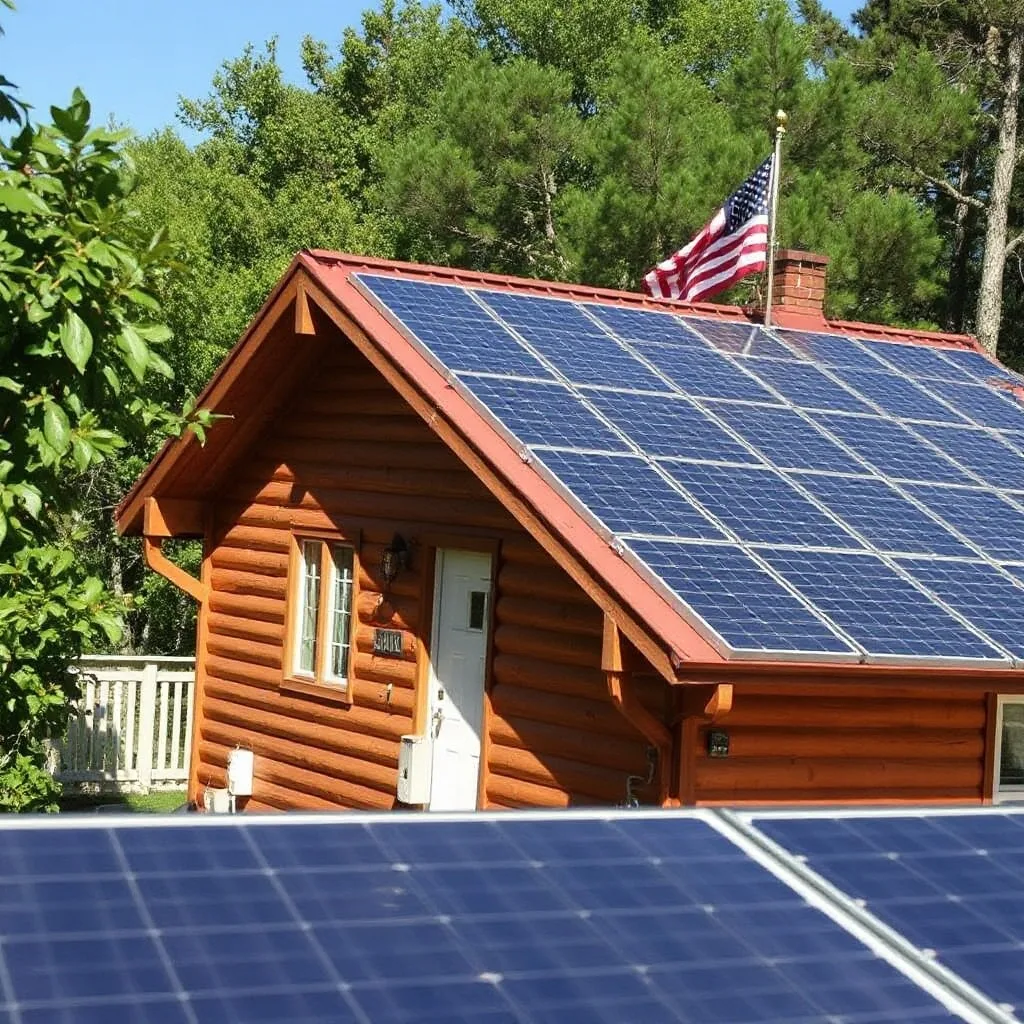
The adoption of off-grid solar technology varies by region, with different geographical locations presenting unique challenges and opportunities for solar power generation. In the USA, off-grid solar systems are commonly used in remote cabins and off-grid homes, providing a sustainable energy solution for off-grid living.
- In Europe, off-grid solar technology is gaining popularity in rural areas and island communities, where grid connection is expensive or unreliable.
- In China, off-grid solar systems are used to power remote villages and agricultural facilities, reducing reliance on fossil fuels and improving energy access.
- In the Middle East and India, off-grid solar systems are deployed in off-grid communities and rural areas, providing clean and reliable electricity for households and businesses.
Investor and Commercial Perspective
Off-grid solar systems offer attractive investment opportunities for both individual investors and commercial entities looking to diversify their energy portfolios and capitalize on the growing demand for clean energy solutions. The scalability and flexibility of off-grid solar technology make it a viable option for a wide range of applications, from residential off-grid living to utility-scale microgrids.
Commercial entities are increasingly turning to off-grid solar solutions to reduce energy costs, increase energy independence, and demonstrate their commitment to sustainability. Off-grid solar systems can provide a reliable and cost-effective energy source for remote facilities, off-grid operations, and disaster relief efforts.
Installation or Deployment Challenges
Despite the many benefits of off-grid solar technology, there are several challenges associated with its installation and deployment. One of the main challenges is the high upfront cost of solar panels, batteries, and inverters, which can be a barrier to entry for some consumers and businesses.
Another challenge is the need for proper system design and maintenance to ensure optimal performance and longevity of off-grid solar systems. This includes regular monitoring of system components, timely repairs, and adherence to safety guidelines to prevent accidents and system failures.
Future Predictions
The future of off-grid solar technology looks promising, with ongoing advancements in solar technology, battery storage, and grid integration driving its continued growth and adoption. As the cost of solar technology continues to decline and energy storage capacity increases, off-grid solar systems are expected to become even more efficient and cost-effective.
Future innovations in off-grid solar technology may include improved solar panel efficiency, smarter energy management systems, and enhanced grid integration capabilities. These advancements will further enhance the reliability and sustainability of off-grid solar systems, making them an integral part of the clean energy transition.
Detailed Comparison Table
| Category | Details | Impact |
| Off-grid Solar Systems | Independent power generation | Energy self-sufficiency |
| Grid Integration | Connection to the utility grid | Backup power source |
| Renewable Energy | Clean and sustainable power | Reduced carbon footprint |
Related reading
Learn more about solar panel efficiency and how it impacts off-grid solar systems.
Discover the benefits of energy storage in off-grid solar technology.
Explore the role of grid integration in maximizing the efficiency of off-grid solar systems.
Sources
For more information on renewable energy trends, visit the NREL website.
Explore the latest reports on clean energy policies and technologies from the IEA.
Frequently Asked Questions
How do off-grid solar systems work?
Off-grid solar systems generate electricity from solar panels, store excess energy in batteries, and convert DC power to AC power for use in homes and businesses.
What are the benefits of off-grid solar technology?
Off-grid solar technology provides energy independence, reduces electricity costs, and lowers carbon emissions, making it a sustainable and cost-effective energy solution.
Are off-grid solar systems reliable in winter?
Off-grid solar systems can be reliable in winter with proper system design, adequate battery storage, and regular maintenance to ensure optimal performance during periods of low sunlight.
How can off-grid solar systems be integrated into existing grids?
Off-grid solar systems can be integrated into existing grids through grid-tie inverters, energy management systems, and smart grid technologies that enable bi-directional energy flow between the grid and off-grid systems.
What are the key considerations for installing an off-grid solar system?
Key considerations for installing an off-grid solar system include site assessment, system design, component selection, installation quality, and ongoing maintenance to ensure optimal performance and longevity of the system.
Outlook
Off-grid solar technology continues to play a vital role in the transition to a clean energy future, providing sustainable and reliable power solutions for a wide range of applications. With ongoing advancements in solar technology and energy storage, off-grid solar systems are poised to become even more efficient, cost-effective, and scalable, driving the growth of the renewable energy industry.
For the full breakdown, see our residential solar vs grid power guide.
Related Posts
Leave a Comment
Your comment will be published after it has been approved. Please send comments that do not contain slang words.